
You’re not just getting a new fence. You’re getting years without constant maintenance, no more surprise repair bills, and a property line that actually looks like you care about your home.
Florida weather doesn’t give wood fences a fighting chance. The humidity causes rot, the storms knock panels loose, and the sun bleaches everything gray within a year. You’ve already spent money trying to fix it.
A full replacement with the right materials means you’re done with that cycle. Vinyl and PVC options handle moisture without rotting. Aluminum stands up to wind without warping. And you’re not out there every spring with a paintbrush or a hammer, trying to keep the thing from falling apart.
Your property value goes up. Your weekends stay yours. And when the next storm rolls through Marion Oaks, your fence is still standing.
We work across Central Florida, and we’ve seen what happens when fences aren’t built right the first time. We’ve also seen what works in Marion Oaks specifically—the soil conditions, the wind patterns, the way water sits after a heavy rain.
We’re not the cheapest option, and that’s intentional. You’re paying for materials that last and installation that doesn’t cut corners. We use premium vinyl, treated wood, aluminum, and chain link depending on what your property actually needs.
We serve Lake, Orange, Seminole, Brevard, Volusia, Osceola, Polk, Sumter, and Marion counties. Our team shows up when we say we will, finishes the job without dragging it out, and doesn’t leave you guessing about costs. No hidden fees. No surprises.
First, we come out to look at your property. We measure the fence line, check the terrain, and talk through what you’re trying to accomplish—privacy, security, curb appeal, or all three. We’ll also let you know if there are any drainage or grade issues that could cause problems down the road.
Next, we walk you through material options. Vinyl if you want zero maintenance. Wood if you prefer the look and don’t mind occasional upkeep. Aluminum if you need something strong but lightweight. We explain what each one costs, how long it lasts, and what kind of care it requires. You get a written estimate before we do anything.
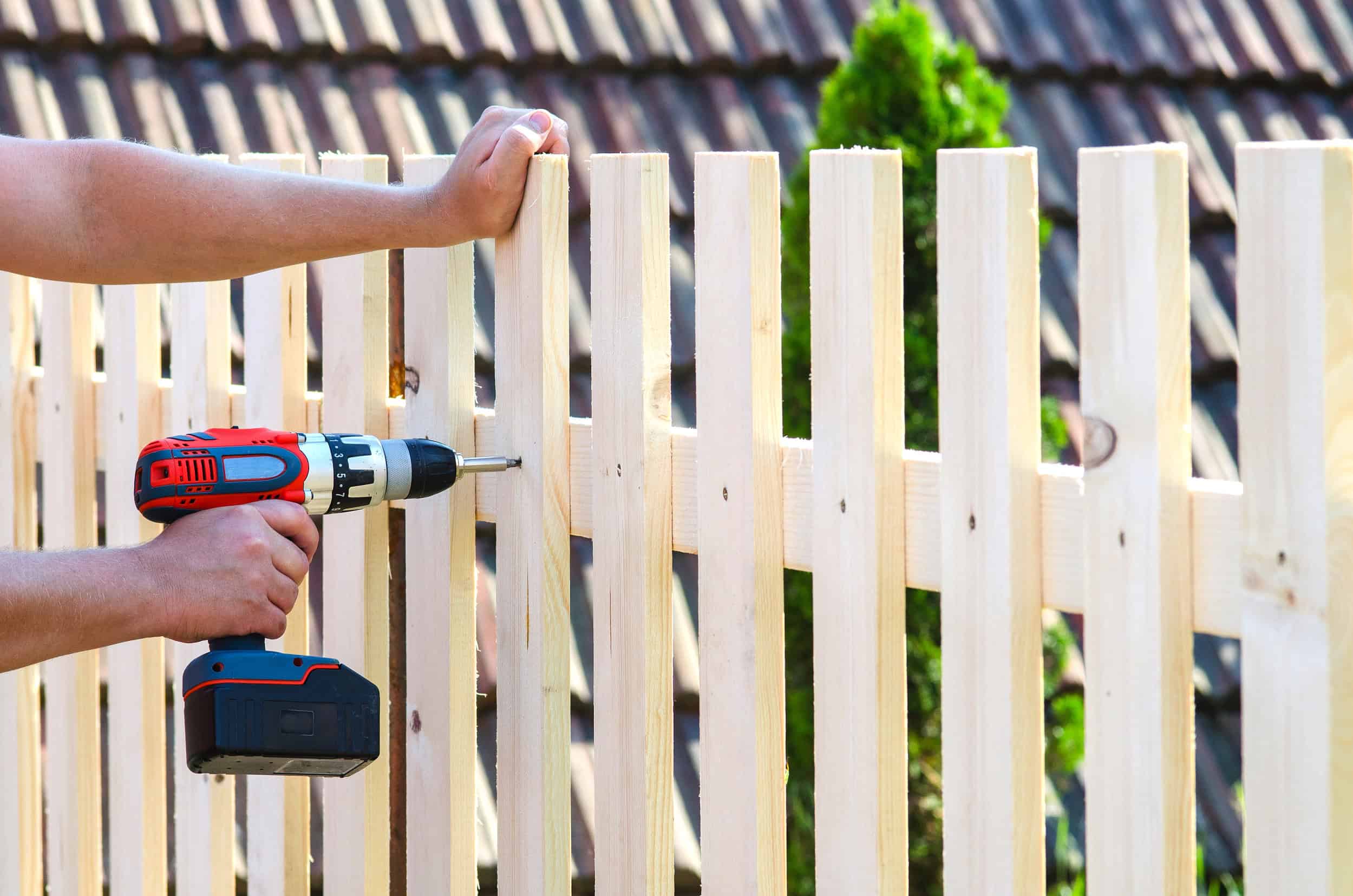
Once you approve, we schedule the installation. We pull the old fence, haul it off, and prep the site. Then we set posts, install panels or pickets, and make sure everything is level and secure. Most residential fence replacement projects in Marion Oaks take one to three days depending on size. We clean up when we’re done. You’re left with a fence that works.
Ready to get started?
You’re getting full removal of your old fence and disposal of all materials. We don’t leave that for you to deal with. The new fence includes post installation with concrete footings, your choice of panel or picket style depending on material, and any gates you need for access.
In Marion Oaks, we account for Florida-specific factors. Posts go deep enough to handle wind load. We use rust-resistant hardware because of the humidity. If your yard has drainage issues or uneven ground, we adjust the installation so water doesn’t pool against the fence line and cause premature rot or shifting.
We also handle any necessary permits. Marion County has regulations on fence height and placement, especially near property lines and roadways. We know what’s required and make sure your fence is compliant so you don’t get stuck dealing with code enforcement later.
You’ll also get a walkthrough after installation. We show you how to maintain your specific fence type, what to watch for, and how to handle minor issues if they come up. Most of our materials require almost nothing, but it’s worth knowing either way.
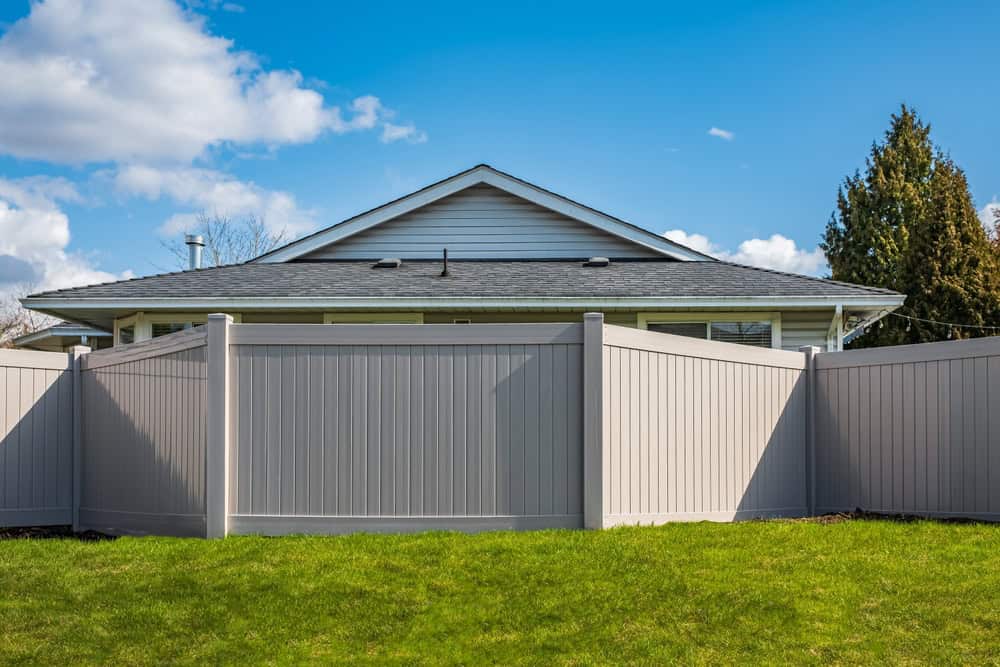
Most residential fence replacement in Marion Oaks runs between $15 and $35 per linear foot, depending on the material you choose and the complexity of your property. Vinyl tends to be on the higher end but requires zero maintenance. Wood is usually mid-range. Chain link is the most affordable upfront but doesn’t offer privacy.
That per-foot price includes removal of your old fence, disposal, new post installation, panels or pickets, gates, and hardware. If your yard has significant grade changes or requires additional bracing for wind resistance, that can add to the cost.
We give you a written estimate after seeing your property. No guessing, no surprise charges later. And if you’re comparing quotes, make sure you’re comparing the same scope—some companies lowball the estimate and then charge extra for removal, concrete, or gates.
If you’re repairing the same sections over and over, you’re past the point where repairs make sense. Wood rot, leaning posts, and panels that won’t stay attached are signs the structure is compromised. You can keep patching it, but you’re throwing money at something that’s going to fail again.
Florida’s climate accelerates wood deterioration. Once rot sets in, it spreads. If more than 30% of your fence has damage, replacement is almost always more cost-effective than piecemeal repairs. You also avoid the mismatched look of new panels next to old, faded ones.
Another factor: if your fence is over 15 years old and showing wear, the materials and installation methods used back then aren’t as durable as what’s available now. A full replacement with modern materials will outlast repairs by years and save you the ongoing headache.
Vinyl and PVC are the top choices for Florida because they don’t rot, warp, or need painting. They handle humidity without breaking down and hold up in high winds if installed correctly. The upfront cost is higher, but you’re not spending money on maintenance or early replacement.
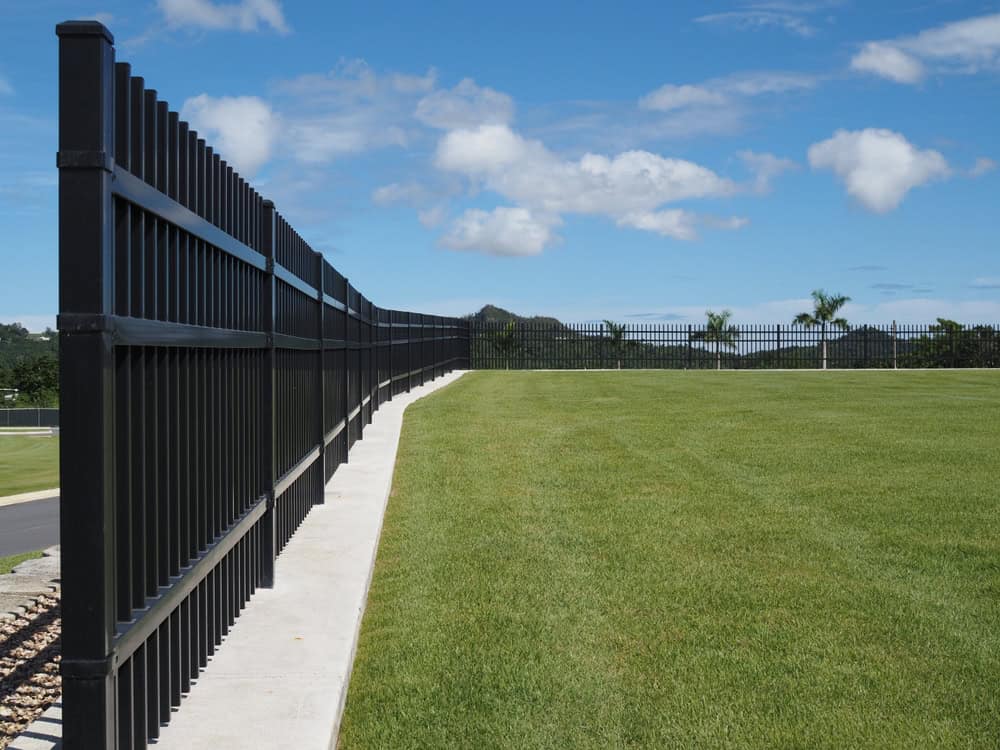
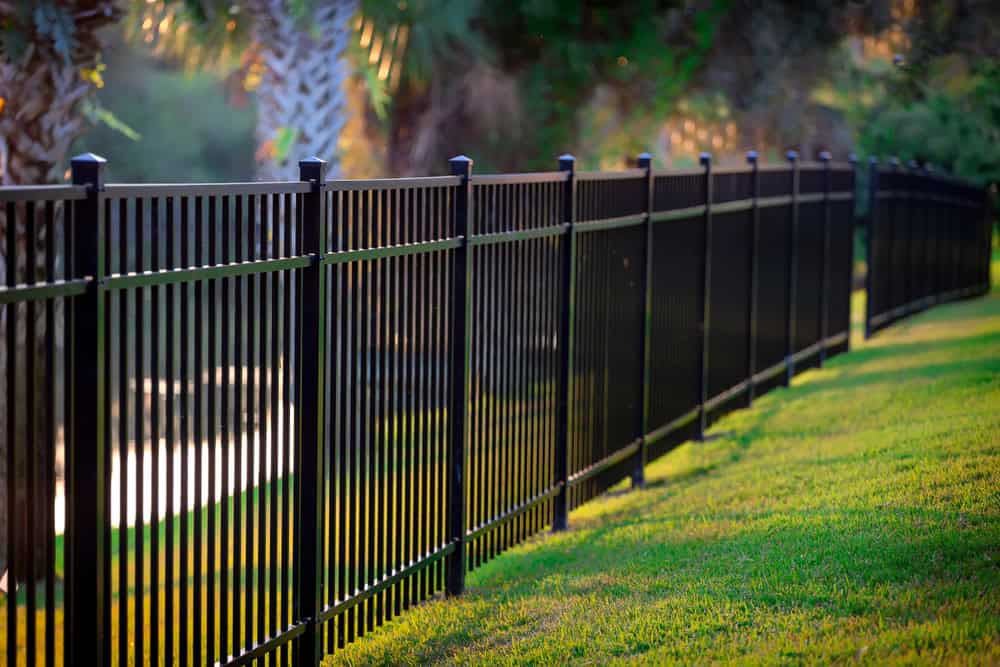
Aluminum is another strong option, especially if you want a more open look or need something around a pool. It won’t rust like cheaper metals, and it’s light enough that wind doesn’t put as much stress on the posts. It’s also low-maintenance.
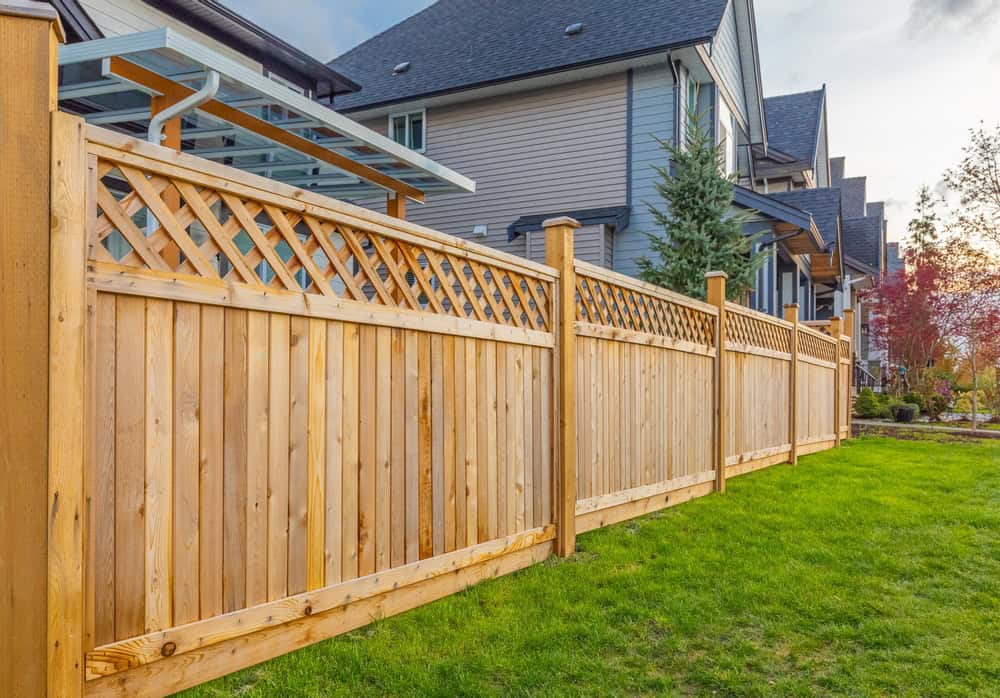
Treated wood can work if you prefer the aesthetic and don’t mind some upkeep. It will need sealing or staining every few years to prevent rot and fading. In Marion Oaks, where we get heavy rain and high humidity, wood requires more attention than synthetic options. It’s not a bad choice, but go in knowing what you’re signing up for.
Most residential fence replacements take one to three days depending on the size of your property and the type of fence you’re installing. A straightforward backyard with 150 linear feet of vinyl fencing usually wraps up in a day and a half. Larger properties or more complex layouts take longer.
We remove the old fence first, which usually takes a few hours. Then we set posts with concrete footings and let them cure if needed. After that, we install panels, pickets, and gates. Weather can delay things—we don’t set posts in saturated ground or install panels in high wind.
We’ll give you a timeline upfront so you know what to expect. We don’t drag jobs out, but we also don’t rush through installation just to finish faster. Your fence needs to be done right, especially in Florida where storms test everything.
Yes, most fence replacements in Marion County require a permit, especially if you’re changing the height, location, or material type. The county has specific rules about how tall your fence can be, how close it can sit to property lines, and where it can go relative to roads and easements.
We handle the permit process as part of the job. We know what Marion County requires, and we make sure your fence meets code before we start. That keeps you out of trouble with code enforcement and avoids having to tear down and redo work later.
If you’re replacing a fence in the same footprint with the same height and material, the permit process is usually simpler. But it’s still required. Skipping it can lead to fines and forced removal, which costs more in the long run than just doing it right the first time.
Yes. A well-installed fence improves curb appeal, defines your property clearly, and signals to buyers that the home is maintained. In Marion Oaks, where the median home price is around $313,000, even small improvements in appearance and functionality make a difference when it’s time to sell.
Privacy fences are especially valuable in neighborhoods with close lot lines. Buyers with kids or pets see a fenced yard as a major plus. A new fence also removes a negotiation point—buyers won’t ask for a credit to replace a falling-apart fence if you’ve already handled it.
The return on investment varies depending on material and installation quality, but you typically recoup 50-70% of the cost in added home value. More importantly, you get the benefit of using it while you live there. It’s not just about resale—it’s about making your property more functional and enjoyable now.