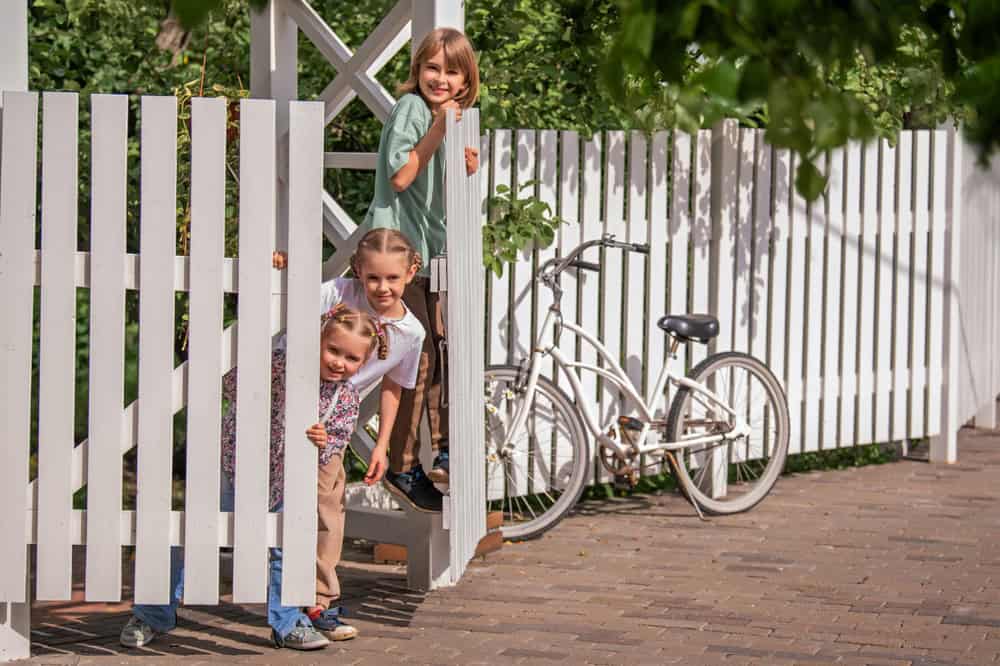
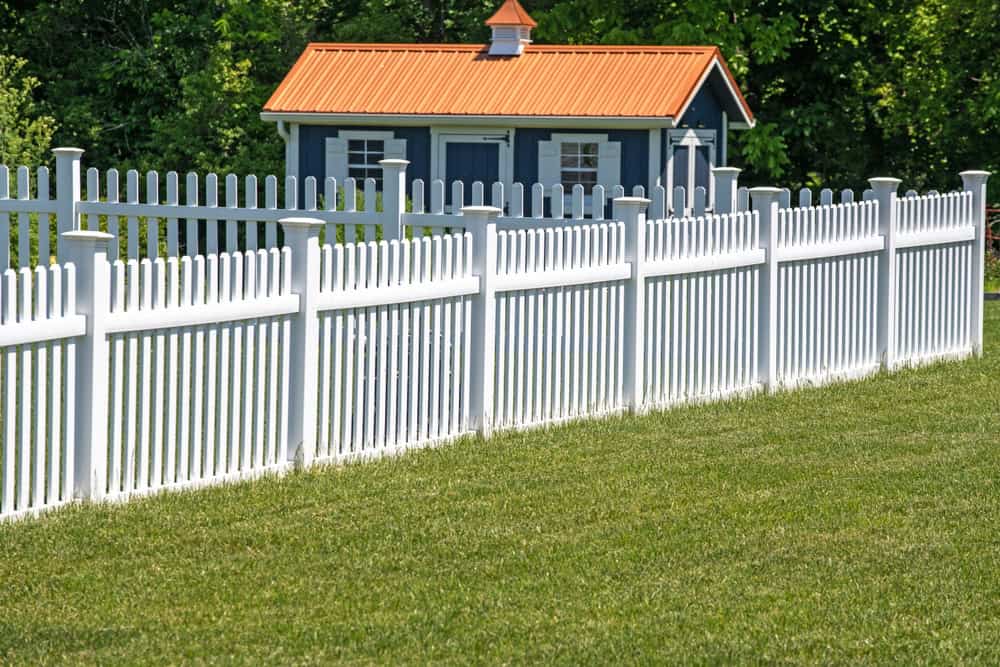
When your fence is installed correctly with materials built for Central Florida’s climate, you stop worrying about storm damage every time the forecast changes. Your kids and pets stay safely contained in the yard without constant supervision. Your neighbors can’t see directly into your outdoor space anymore.
You’re not dealing with rotting posts two years later or panels that warp in the summer heat. The fence looks good from the street, which matters when you’re thinking about resale value down the road.
Most importantly, you’re not calling someone back out to fix installation mistakes or dealing with hidden costs that show up after the job starts. You know what you’re paying upfront, the work gets done on schedule, and the fence actually does what it’s supposed to do.
We serve Lake County along with eight other Central Florida counties, so we understand exactly what works here and what doesn’t. We’ve installed fences through hurricane seasons, handled permit requirements across different municipalities, and seen what happens when materials aren’t matched to Florida’s humidity and storm patterns.
Orlando Magazine recognized our work in their 2025 Home Design Awards, but what matters more is that we show up when we say we will, keep you informed throughout the project, and stand behind the installation with real warranties. You’re working with a local fencing company that knows Lake County’s building codes, weather challenges, and property considerations because we work here constantly.
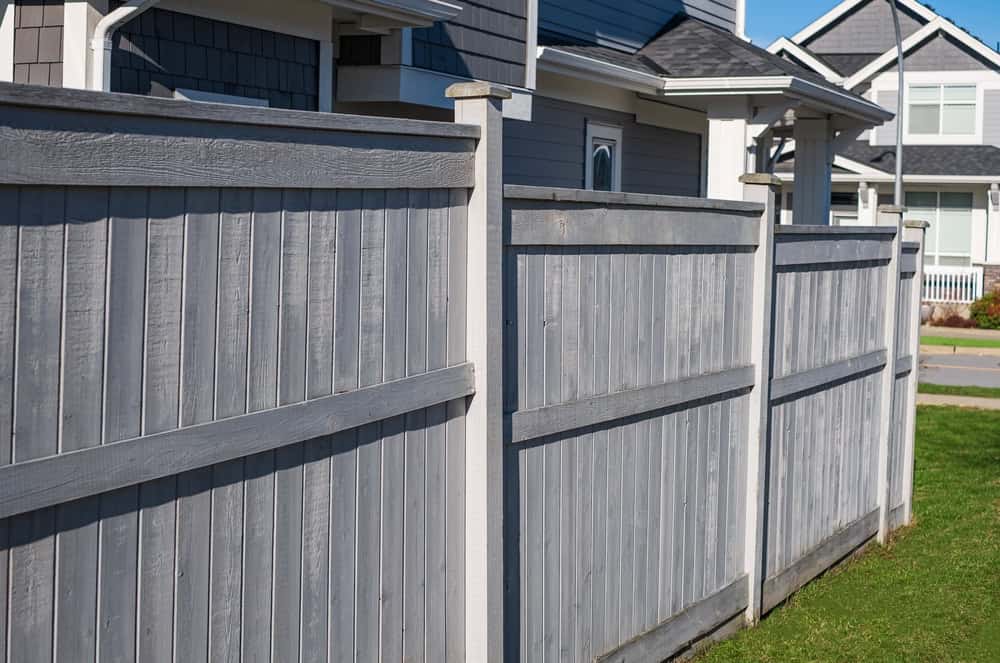
You reach out and we schedule a time to look at your property. We measure the area, discuss what you need the fence to do, and talk through material options that make sense for your situation and budget. You get transparent pricing right then—no waiting for callbacks or surprise additions later.
Once you’re ready to move forward, we handle the permit paperwork with Lake County. This isn’t optional in Florida, and trying to skip it creates problems during inspections or when you sell. We submit the plans, pay the fees, and make sure everything meets local building codes before we start digging.
Installation day, our crew shows up with the materials and equipment needed to complete the job. We set posts at the correct depth for Florida soil conditions, ensure everything is level and properly secured, and clean up the work area when we’re done. You get a final walkthrough to confirm everything looks right, and we provide warranty documentation for the installation and materials.
Ready to get started?
You’re choosing between wood, vinyl, aluminum, chain link, or specialized options like horse fencing depending on what your property needs. Each material has different maintenance requirements and price points, and we’ll tell you honestly which ones hold up best in Lake County’s climate. Vinyl doesn’t rot in humidity. Aluminum won’t rust near the lakes. Wood looks great but needs more upkeep.
For residential fencing contractor work, that usually means privacy fences for backyards, decorative options for front yards that meet HOA requirements, or pool fencing that satisfies safety codes. If you’re near one of Lake County’s thousand-plus lakes and rivers, we factor in moisture exposure when recommending materials.
Commercial projects involve different considerations—security requirements, gate access systems, and larger perimeter coverage. We handle both, and the installation approach changes based on whether you need a six-foot privacy fence in Clermont or chain link around a Leesburg business property. The common thread is that everything gets installed to handle Florida weather, which means hurricane-rated fasteners, proper concrete depth, and materials that won’t fail when the next storm system moves through.

Yes, and skipping this step causes real problems later. Lake County requires permits for most fence installations, especially anything over a certain height. The permit process involves submitting your fence plans, paying the required fees, and ensuring your design meets Florida Building Code requirements.
If you install without a permit and the county finds out, you’re looking at fines and potentially having to remove the fence entirely. Even worse, when you go to sell your property, unpermitted work shows up during inspections and either kills the sale or forces you to fix it at the worst possible time.
We handle the permit submission as part of our fencing services because we know exactly what Lake County inspectors want to see in the plans. It adds a bit of time to the front end of the project, but it means your fence is legal, insurable, and won’t create headaches when you need to file an insurance claim after storm damage.
Vinyl and aluminum fences perform better than wood in high winds, but installation quality matters more than material choice. A properly installed wood fence with hurricane-rated fasteners and concrete footings will outlast a poorly installed vinyl fence every time.
The key is how deep the posts go and how they’re secured. In Lake County’s sandy soil conditions, posts need adequate concrete depth to prevent the entire fence from lifting or leaning during sustained winds. We use installation methods that account for Florida’s hurricane building codes, which are stricter than most other states for good reason.
Chain link fences actually handle wind well because air passes through instead of pushing against a solid surface. If you’re in an area that takes direct hits frequently, that’s worth considering. But for privacy fencing, vinyl won’t rot after storm water sits against it for days, and it doesn’t require repainting after wind-blown debris scrapes the surface. Hurricane Milton just proved again why material selection and installation depth matter in Central Florida.
Most residential privacy fence projects in Lake County run between $15 and $45 per linear foot depending on material choice and property conditions. A typical backyard fence covering 150-200 linear feet costs somewhere between $3,000 and $8,000 for materials and professional installation.
Wood fencing sits at the lower end of that range but requires ongoing maintenance. Vinyl costs more upfront but you’re not repainting or replacing rotted boards five years later. Aluminum falls in the middle and works well for decorative applications or pool fencing where you need visibility and durability.
Your actual cost depends on your property’s terrain, whether we’re removing an old fence first, what height you need, and if there are access challenges for equipment. We give you transparent pricing after seeing your property because estimating over the phone leads to inaccurate numbers and frustration later. No hidden fees show up after we start—you know the total cost before any work begins.
Most residential fence installations in Lake County take two to four days once we start, but permit approval adds time on the front end. The permit process with Lake County typically takes one to three weeks depending on their current workload and whether your plans need any revisions.
A straightforward backyard privacy fence with normal soil conditions and easy access goes faster than a property with challenging terrain, multiple gates, or areas where we’re working around existing landscaping. Weather delays happen in Florida—we’re not pouring concrete in the rain or installing fence panels during tropical storm warnings.
The timeline also depends on whether you need old fence removal first. Tearing out an existing fence and hauling away the debris adds a day to the project. We’ll give you a realistic schedule during the estimate so you can plan accordingly, and we keep you updated if anything changes. Most customers care more about the job being done right than done fast, and we don’t rush installations to hit arbitrary deadlines.
Yes, and we deal with HOA requirements constantly across Lake County. Most homeowner associations have specific rules about fence height, style, color, and placement. Some only allow certain materials in front yards or require decorative options instead of solid privacy fencing where it’s visible from the street.
You need to get HOA approval before we start installation, and we can help you understand what they’re likely to approve based on their guidelines. We’ve worked with most of the major HOAs in Lake County and know which fence styles typically pass their architectural review boards without issues.
If your HOA requires specific documentation or installation details, we provide that as part of the permit and approval process. The last thing you want is to install a fence and then get violation notices requiring expensive changes. We make sure the design meets both county building codes and your HOA’s aesthetic requirements before any posts go in the ground.
We handle both fence repairs and full replacements depending on what your situation needs. If you’ve got a few damaged panels after a storm or a section where posts are leaning, repair often makes more sense than replacing the entire fence. We’ll assess the damage honestly and tell you whether repair is viable or if you’re throwing money at a fence that needs replacement.
Hurricane damage is common in Lake County, and we’ve done plenty of same-day assessments after storms to help homeowners figure out their next steps. Sometimes it’s a quick fix. Sometimes the fence took enough structural damage that patching it up just delays the inevitable.
Repair costs less than full installation, but if your fence is already eight or ten years old and showing wear in multiple areas, replacement gives you a fresh start with better materials and a new warranty. We’re not going to push you toward the more expensive option if repair actually solves your problem—we’d rather you call us back when you genuinely need a new fence than feel like we oversold you the first time.
Other Services we provide in Lake County