
You’re not just getting rid of an eyesore. You’re getting back your privacy, your property line, and peace of mind that the next storm won’t leave you scrambling for repairs again.
A new fence means no more leaning posts, no more rotted boards at the base, and no more gaps where your dog keeps finding an escape route. It means your home looks finished, your yard feels secure, and you’re not dealing with the same problems six months from now.
In Ocala, where wind risk hits 100% of properties and summer storms roll through like clockwork, the fence you install today needs to handle what’s coming tomorrow. That’s why we use materials rated for high winds and humidity—vinyl that won’t warp, treated wood that resists rot, and posts set deep enough to stay put when the weather turns. You’re not patching problems anymore. You’re done with them.
We’ve spent over 20 years installing and replacing fences across Marion County and the surrounding areas. We know what holds up here and what doesn’t. We’ve seen what happens when contractors cut corners, and we’ve fixed plenty of those jobs.
Ocala’s housing stock skews older—median build year is 1983—which means a lot of fences are original or close to it. If you’re dealing with wood that’s been in the ground for 30+ years, you’re not repairing it. You’re replacing it. We handle residential fence replacement in Ocala with the understanding that your home, your budget, and your timeline all matter. No upselling. No delays. Just a fence that works.
First, we come out and look at what you’re working with. We measure the property, check for any grade issues or obstacles, and talk through what you actually need—not what sounds good in a brochure. You’ll get a transparent estimate within 24 to 48 hours. No hidden fees.
Once you’re ready to move forward, we handle the removal of your old fence. That includes pulling posts, hauling off debris, and making sure the site is clean before we start building. Then we set new posts using the depth and materials that make sense for Ocala’s soil and wind conditions.
After the posts are set and cured, we install your new fence—whether that’s vinyl, wood, chain link, or aluminum. We check alignment, tension, and finish work before we leave. You’re not chasing us down for touch-ups. When we’re done, it’s done right.
Ready to get started?
You’re getting full removal and disposal of your existing fence, new post installation with concrete footings, and your choice of material based on what fits your property and budget. We install vinyl, wood, aluminum, and chain link—all rated for Florida’s climate.
In Ocala, where summer heat regularly pushes past 100°F and storm season brings high winds, the materials matter. Vinyl won’t fade or crack under UV exposure. Treated wood resists rot in humid conditions. Aluminum handles wind without bending. We’re not selling you the most expensive option. We’re recommending what actually works here.
You also get a walkthrough before we start and after we finish. We make sure you know what’s happening and that the final result matches what you expected. If you’re in an HOA, we’ll help you understand what’s allowed before we break ground. If you need a permit for a taller fence or pool barrier, we’ll walk you through Marion County’s requirements. You’re not figuring this out alone.
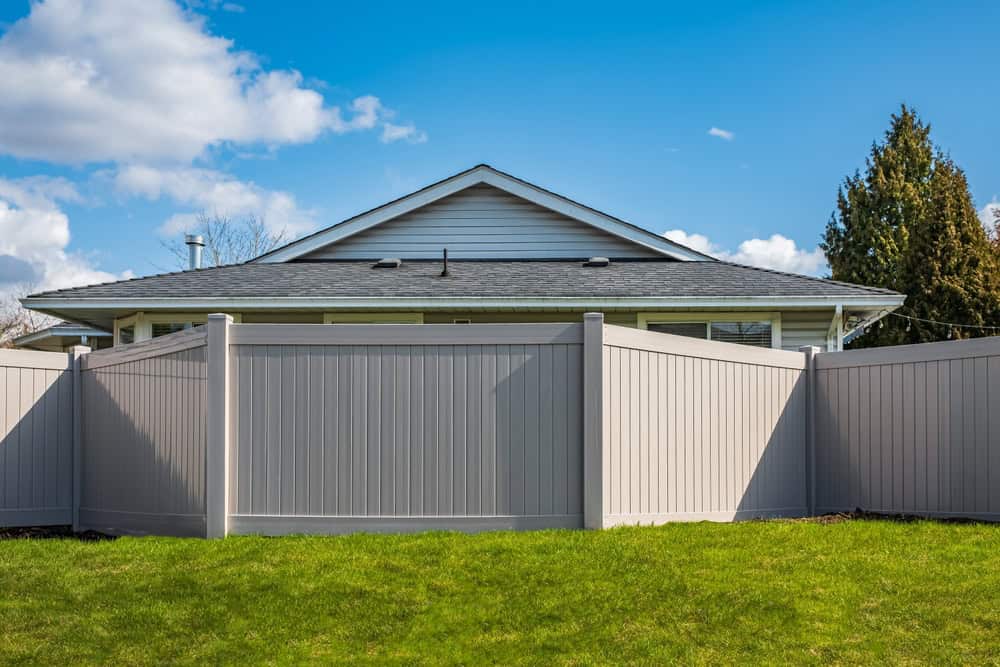
Fence replacement in Ocala typically runs between $15 and $35 per linear foot in 2025, depending on the material you choose and the size of your property. Vinyl tends to sit on the higher end because of its durability and low maintenance. Wood and chain link are more affordable upfront but may require more upkeep over time.
If you’re replacing a fence after storm damage, your homeowners insurance might cover part of the cost under Coverage B for “other structures.” That usually comes with a separate deductible and may only pay actual cash value, not full replacement cost. It’s worth checking your policy before you commit to paying out of pocket.
Labor, material availability, and site conditions also affect the final price. If your yard has a slope, rocky soil, or requires extra post depth for wind resistance, that can add to the cost. We give you a detailed estimate upfront so there’s no confusion about what you’re paying for.
In Marion County, you generally don’t need a permit for fences under six feet tall. If you’re installing a taller fence or adding a pool barrier, a permit is required. The county wants to make sure the fence meets setback and height regulations, especially near property lines or roadways.
If you live in a neighborhood with an HOA, you’ll need to follow their rules before you start. Some HOAs require approval for fence height, style, or color. It’s worth checking with them early so you’re not stuck redoing work or paying fines after the fact.
We can help you figure out what’s required for your specific property. If a permit is needed, we’ll walk you through the process and make sure everything is submitted correctly. You’re not navigating county offices or HOA boards on your own.
Vinyl is the most low-maintenance option for Florida. It won’t rot, warp, or fade under constant sun and humidity, and it holds up well in high winds if installed with thicker posts. You’re looking at decades of use without needing to repaint or reseal anything.
Wood fences work if you’re willing to maintain them. Treated wood resists rot better than untreated, but you’ll still need to inspect for damage at the base of posts where moisture collects. In Ocala’s climate, wood requires more attention, but it offers a traditional look that some homeowners prefer.
Aluminum is another solid choice if you want durability without the weight of steel. It handles wind well and doesn’t rust, which matters in Florida’s humidity. Chain link is the most affordable and works for properties where security or containment is the priority over aesthetics. We’ll recommend what makes sense for your property and how you plan to use it.
Most residential fence replacements in Ocala take between two and five days, depending on the size of your property and the material you’re installing. Removal of the old fence usually happens in a day. Post installation and curing take another day or two, and then we install the new fencing.
Weather can slow things down, especially during Florida’s summer storm season. If we’re waiting for concrete to cure and it rains, we’re not rushing the process just to finish faster. You want posts that are stable, not ones that shift after the first strong wind.
Material availability can also affect the timeline. After a major storm, demand for fencing materials spikes and suppliers run low on inventory. If you’re replacing a fence after storm damage, it’s worth contacting us as soon as possible to avoid long wait times. We’ll give you a realistic timeline upfront and keep you updated if anything changes.
It depends on your policy and what caused the damage. Most Florida homeowners insurance policies cover fence damage under Coverage B for “other structures,” but only if the damage was caused by a named peril like wind, hail, fire, or falling trees. If your fence is just old and falling apart, insurance won’t cover it.
Coverage B typically has lower limits than your main dwelling coverage, and you’ll likely have a separate deductible. Some policies only pay actual cash value, which factors in depreciation, rather than the full replacement cost. That means you might not get enough to cover a brand-new fence without paying some out of pocket.
If you’re filing a claim, document the damage with photos and get an estimate from a licensed contractor before you start repairs. Insurance companies want proof that the damage was storm-related and that the cost is reasonable. We can provide a detailed estimate that breaks down materials and labor so you have what you need for your claim.
We can get close, but exact matches aren’t always possible, especially with older fences. Wood weathers and fades over time, so even if we use the same species and stain, the new section will look newer until it ages. Vinyl and aluminum are easier to match because the color is consistent and doesn’t change much over time.
If your fence is more than 10 or 15 years old, you might be better off replacing the whole thing rather than patching sections. Partial replacements can look uneven, and if the rest of the fence is deteriorating, you’ll end up replacing it in pieces anyway. That costs more in the long run.
We’ll assess your existing fence and let you know whether a partial replacement makes sense or if you’re better off starting fresh. If you decide to replace just a section, we’ll do our best to match the style, height, and finish so it blends as well as possible. You won’t be stuck with a fence that looks like a patchwork job.