
You’re not just getting a new fence. You’re getting your yard back the way it should be.
No more leaning posts that make your property look neglected. No more rotted boards that splinter when your kids or pets brush against them. No more sections that sag after every storm because the structure underneath gave out years ago.
A proper fence replacement in Education Village, FL means your property line is clearly defined again. Your dogs stay in. Your neighbors’ dogs stay out. You get actual privacy when you’re outside, and your home looks like someone cares about it.
If you’ve been patching the same fence for the third time this year, you already know what happens next. Another board fails. Another post leans. Another weekend spent fixing something that should’ve been replaced months ago.
We pull the old fence, haul it off, and install new materials built for Florida’s heat, humidity, and storms. You’re not babysitting a fence anymore.
We’ve been handling fence replacement in Education Village, FL and across Central Florida since 2004, with company roots going back to 1992 in Atlanta. We’re licensed, bonded, and insured, and we were recognized in Orlando Magazine’s 2025 Home Design Awards.
That’s not luck. That’s three decades of showing up, doing the work right, and not cutting corners when it matters.
Education Village sits in Lake County, where properties deal with Florida sun that warps cheap wood in two summers, humidity that rots untreated posts from the inside out, and storms that test every fence twice a year. We’ve replaced hundreds of fences in this area. We know what fails and why.
You’re not getting a crew that learned fencing last month. You’re getting people who’ve seen what happens when installation is rushed or materials are swapped for cheaper alternatives.
First, we come out and look at what you’ve got. We measure the fence line, check for any property line questions, and talk through what you actually need. If your fence is repairable, we’ll tell you. If it’s not, we’ll explain why.
Once you approve the estimate, we schedule the work. Our crew shows up and removes your old fence—posts, panels, rails, everything. We haul it off the same day. You’re not stuck with a pile of rotted wood in your driveway for a week.
Then we prep the site. If the ground’s settled or posts were installed wrong the first time, we fix that before anything new goes in. New post holes get dug to proper depth, and we use concrete to anchor them so they’re not leaning in six months.
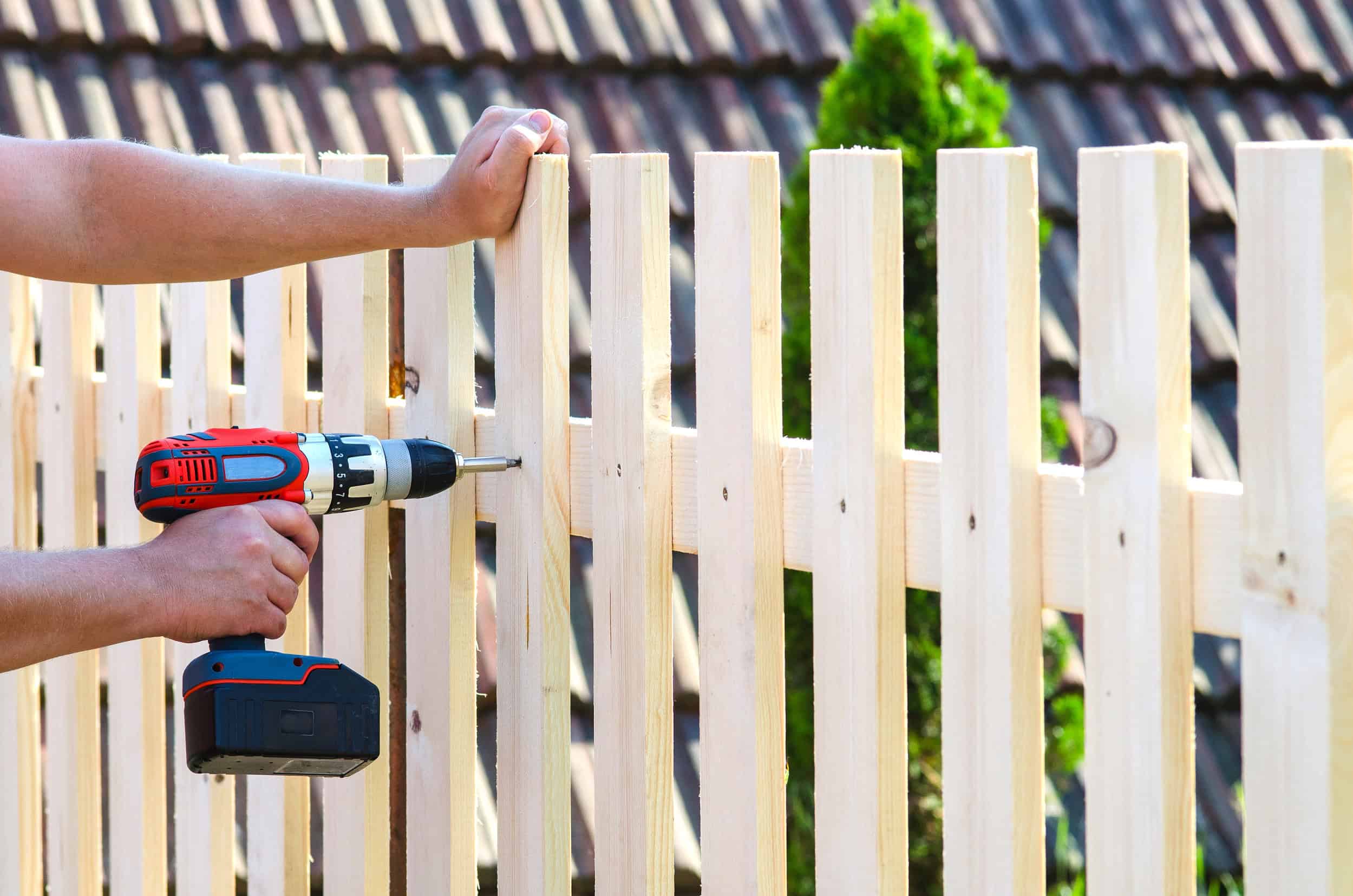
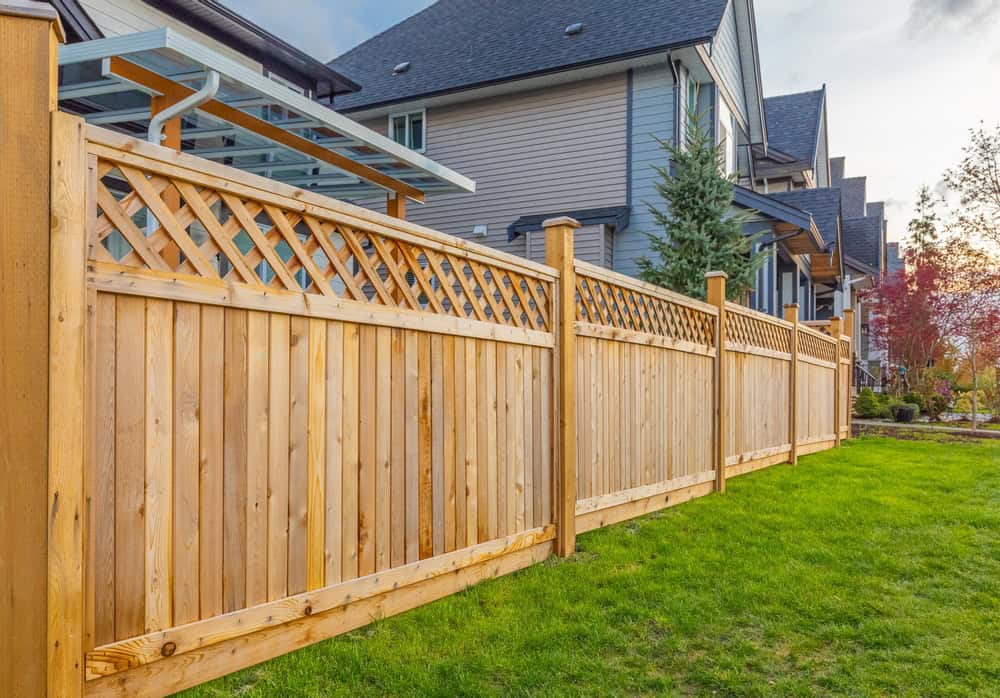
After that, we install your new fence. Whether it’s wood, vinyl, or aluminum, the materials are pre-treated for Florida weather. We build it square, level, and tight. No gaps. No wobble.
When we’re done, we walk the property with you. You see the work. You approve it. Then we clean up and leave your yard the way we found it—except now you’ve got a fence that actually works.
Ready to get started?
You get full removal of your existing fence. That means posts get pulled, not cut off at ground level. Concrete footings come out if they’re damaged or installed wrong. Everything gets hauled away.
You get new materials chosen for Central Florida conditions. Wood fences use pressure-treated lumber that resists rot and insect damage. Vinyl won’t warp in the heat or crack in the sun. Aluminum holds up to storms without bending.
In Education Village, FL, most residential fence replacement projects involve privacy fences between 6 and 8 feet. That height blocks sightlines, reduces noise from nearby properties, and keeps pets secure. If you’re near one of the schools or parks in the area, a taller fence also gives you separation from foot traffic.
You also get proper installation. Posts go deep enough to stay stable. Rails get fastened correctly so panels don’t sag. Gates get hung level and latch without fighting them every time you open the door.
We don’t subcontract the work. The crew that quotes your job is the crew that shows up to do it. If something doesn’t look right during installation, we fix it before we leave—not after you call us back three times.
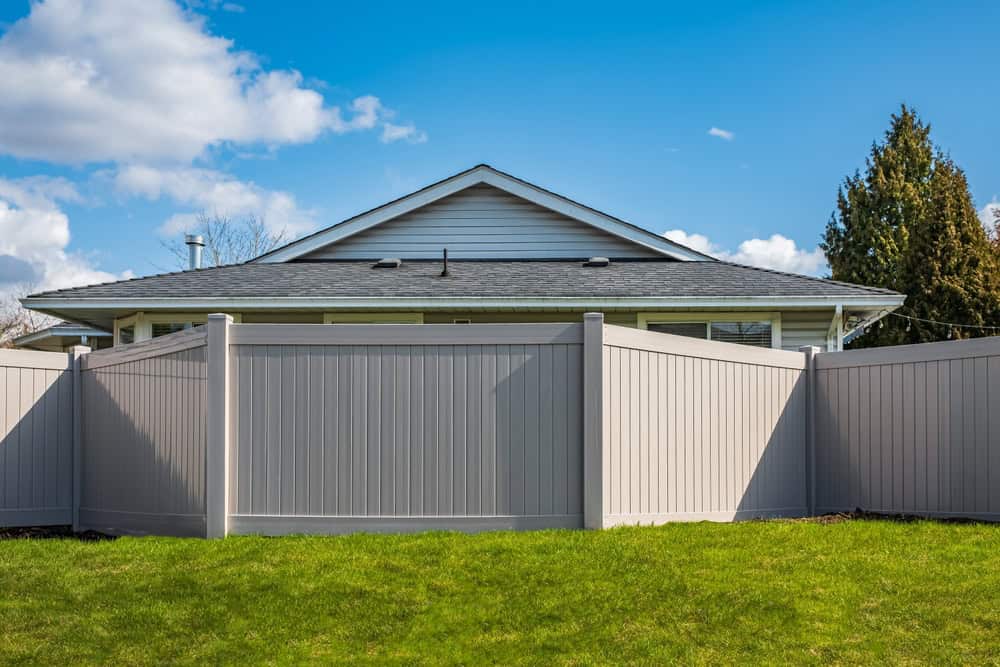
If more than 20% of your fence needs work, replacement makes more sense than patching it. That’s the standard most fence contractors use, and it’s based on cost, not convenience.
Here’s what that looks like in real terms. If you’ve got a 150-foot fence and 30 feet of it is rotted, leaning, or structurally compromised, you’re better off replacing the whole thing. Repairs might run $500 to $900 depending on how many posts and panels need work. But you’re still left with a fence that’s mostly old, and the next section will fail in six months.
Also, if your fence has been up for 15 to 20 years and you’re starting to see multiple issues—splintering, soft posts, boards pulling away from rails—that’s the fence telling you it’s done. Wood doesn’t get stronger with age, especially in Florida. Once rot starts, it spreads. You can replace one post today and find two more rotted next summer.
If you’re not sure, we’ll walk the fence line with you and show you what’s failing and why. No pressure. Just a straight answer about whether a repair buys you another few years or if you’re throwing money at something that won’t last.
Wood is the most affordable upfront, but it requires maintenance. Vinyl costs more to install but needs almost no upkeep. Aluminum sits in the middle and works well if you want durability without the privacy of a solid panel.
For a typical residential fence replacement in Education Village, FL, wood privacy fencing runs around $15 to $30 per linear foot installed. That includes pressure-treated posts and rails. You’ll need to stain or seal it every few years to keep it from graying out or warping, but the initial cost is lower.
Vinyl fencing costs $25 to $40 per linear foot. It won’t rot, won’t need paint, and won’t splinter. If you’ve got kids or dogs that run into the fence, vinyl holds up without constant touch-ups. The color goes all the way through the material, so scratches don’t show bare wood underneath.
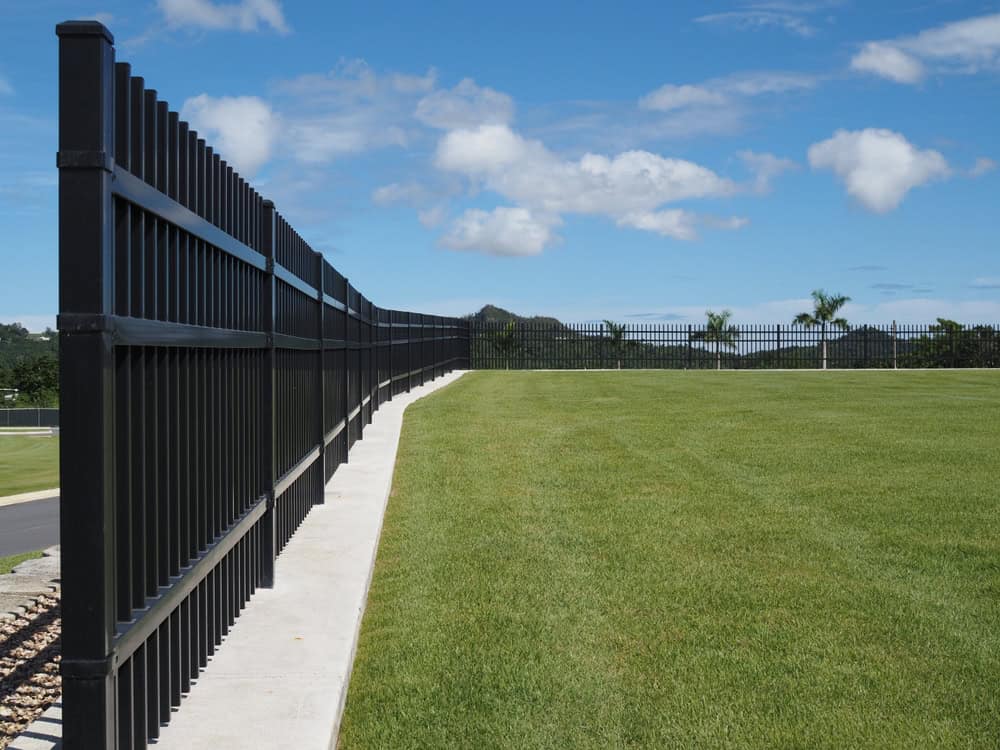
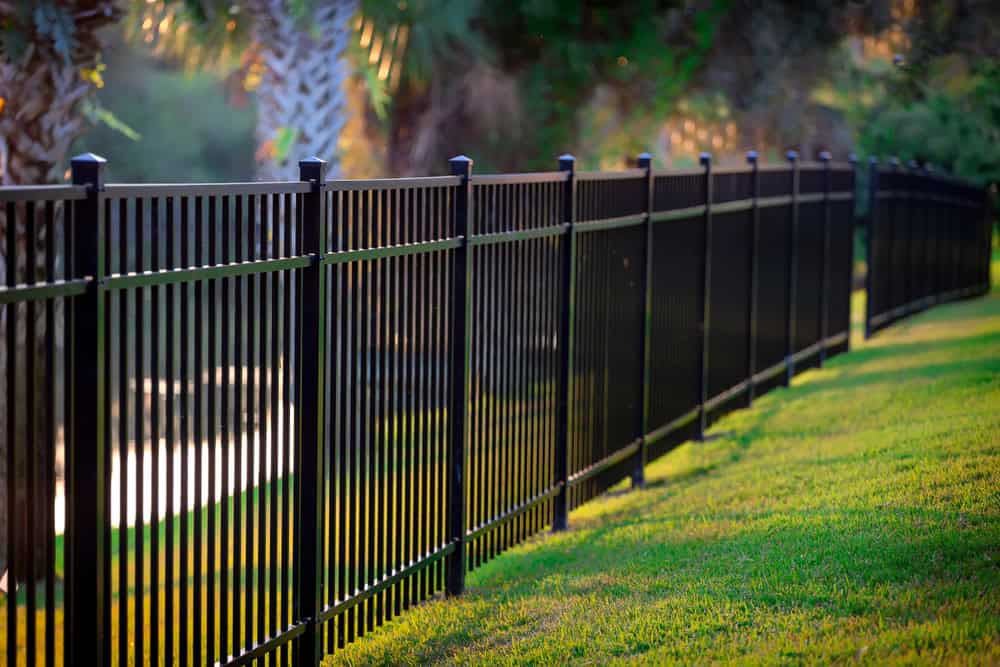
Aluminum fencing is usually $20 to $35 per linear foot. It’s strong, rust-resistant, and works well for front yards or pool enclosures. It doesn’t give you privacy like wood or vinyl, but it’s a good option if you want a clean look that lasts without a lot of maintenance.
We’ll price out all three options if you want to compare. What makes sense depends on your budget, how much maintenance you’re willing to do, and how long you plan to stay in the house.
Most residential fence replacement projects in Education Village, FL take two to four days depending on the size of your yard and the type of fence you’re installing. That includes removal, site prep, and installation.
Day one is usually demo and haul-off. We pull the old fence, dig out any damaged posts or footings, and clear the site. If your yard is straightforward and the old fence comes out clean, we can start setting new posts the same day.
Day two and three are installation. We set posts, pour concrete, let it cure, then install rails and panels. Wood fences go up faster than vinyl because the panels are lighter and easier to maneuver. Vinyl takes a bit longer because the pieces lock together and need to be aligned correctly or they don’t sit flush.
If you’ve got gates, corners, or slopes, that adds time. Gates need to be hung level and braced properly so they don’t sag. Slopes require stepped panels or racked sections, and that’s more labor-intensive than a flat run.
Weather can delay things. If it rains hard enough to flood post holes or turn your yard into mud, we’ll pause until the ground firms up. Concrete won’t set right in standing water, and we’re not going to install a fence that shifts in six months because we rushed it.
We’ll tell you if a permit is required, and we can pull it for you if needed. HOA approval is on you, but we’ll provide drawings or specs if your HOA requires them before signing off.
In Lake County, fence permits depend on height and location. If you’re replacing an existing fence with the same height and placement, most townships don’t require a new permit. If you’re going taller or moving the fence line, you’ll likely need one.
HOAs in Education Village, FL usually have rules about fence height, style, and color. Some only allow certain types of wood or specific vinyl colors. Some won’t approve solid privacy fences in front yards. If you’re in an HOA, check your covenants before you pick materials. We’ve had jobs delayed because a homeowner assumed white vinyl was fine, and the HOA only allowed tan.
We’ll give you a site plan and material specs you can submit to your HOA. Most associations want to see fence height, setback from property lines, and material type. If they ask for adjustments, we’ll work with you to meet their requirements without starting over.
Permits usually take a few days to a week to process. HOA approvals can take two weeks or longer depending on when their architectural review board meets. Plan ahead if you’re on a timeline.
We stop work and let you know immediately. Installing a fence on the wrong property line creates legal problems that are expensive to fix later, so we don’t move forward until it’s cleared up.
Property line disputes are more common than most homeowners think, especially in older neighborhoods where fences have been replaced multiple times. The old fence might’ve been installed a foot inside your property line, or it might’ve been six inches over onto your neighbor’s side. If no one’s checked in 20 years, you don’t know for sure.
Before we start digging, we ask if you’ve had a recent survey. If you haven’t, and the property line isn’t clearly marked, we’ll recommend getting one. A survey costs a few hundred dollars, but it’s a lot cheaper than pulling out a fence and reinstalling it because you built on your neighbor’s land.
If we notice the old fence doesn’t line up with property markers, or if your neighbor mentions the fence is over the line, we’ll pause and let you handle it. We’re not surveyors, and we’re not getting in the middle of a property dispute.
Once the line is confirmed, we’ll install the fence where it’s supposed to go. If that means you lose a few inches of yard, at least you’re not dealing with a lawsuit or a forced removal down the road.
Yes. We warranty our installation workmanship, and the materials come with manufacturer warranties that vary depending on what you choose. If something fails because of how we installed it, we’ll fix it.
Our installation warranty covers things like posts that weren’t set deep enough, rails that weren’t fastened correctly, or gates that sag because they weren’t braced right. If a post leans because we didn’t use enough concrete or the hole wasn’t deep enough, that’s on us. We’ll come back and make it right.
Material warranties are separate. Pressure-treated wood usually comes with a warranty against rot and insect damage for 15 to 25 years depending on the treatment level. Vinyl fencing often has a lifetime warranty against cracking, peeling, or fading. Aluminum is typically warranted against rust and structural failure for 20 years or more.
What’s not covered: damage from storms, vehicles, or someone running into your fence with a lawnmower. Normal wear over time isn’t a defect. If a board splits because a tree fell on it, that’s not a warranty issue.
We’ll give you all the warranty paperwork when the job’s done. Keep it with your home records. If something does go wrong and it’s covered, you’ll need that documentation to file a claim or call us back out.
Other Services we provide in Education Village