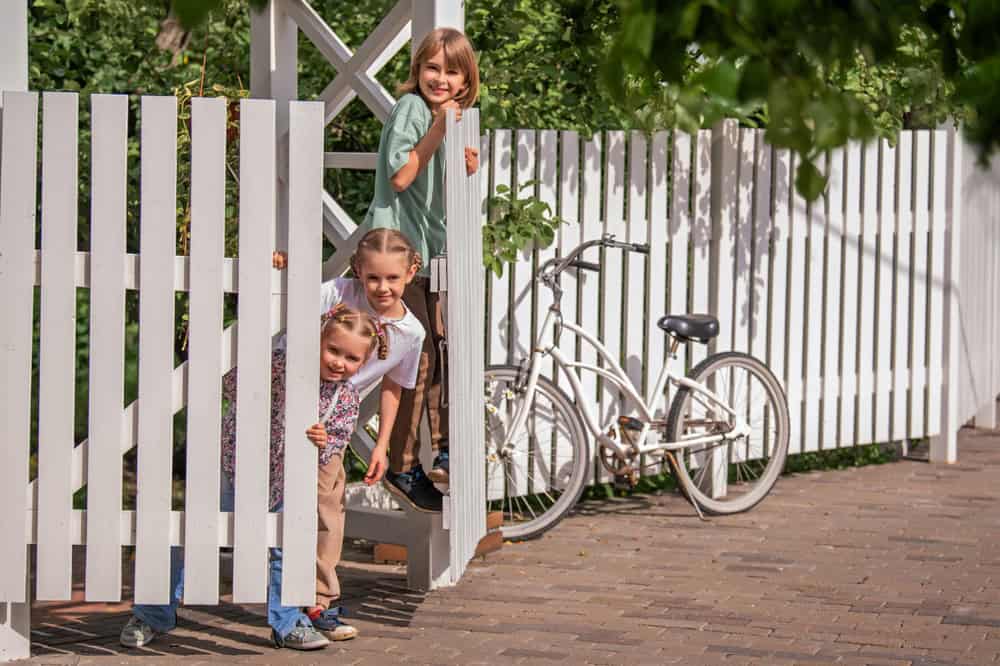
Your fence isn’t just a property line. It’s what keeps your kids and pets safe in the yard, gives you privacy from neighbors, and protects your home when storms roll through Central Florida.
The problem? Most fences in Orange County fail because they weren’t built for our climate. Salt air corrodes metal. Humidity rots untreated wood. And when hurricane-force winds hit, poorly installed posts don’t stand a chance.
You’re looking at a fence that does three things right: uses materials engineered for Florida weather, gets installed with proper wind load specs, and comes from a fencing company that’s actually licensed and insured. That means fewer repairs, lower long-term costs, and real protection when you need it most.
We’ve been installing residential and commercial fences since 1992. We moved to Central Florida in 2004 specifically because homeowners here needed a residential fencing contractor who understood hurricane codes, permit requirements, and materials that actually survive the climate.
We’re licensed, bonded, and insured across Lake, Orange, Seminole, Brevard, Volusia, Osceola, Polk, Sumter, and Marion counties. That’s not just paperwork—it’s your protection if something goes wrong and proof we’re following Orange County’s building codes.
Orange County’s population is growing by 2.2% annually, with 500,000 more residents expected by 2050. That growth means more homes, more fences, and unfortunately, more contractors cutting corners. We’ve seen what happens when fences aren’t built right, and we’re here to do it differently.
First, we come to your property for a free consultation. We measure the area, discuss what you’re trying to accomplish—privacy, security, aesthetics, pet containment—and walk you through material options that make sense for your budget and Orange County’s climate.
Next, we handle the permit application with Orange County. They offer electronic fence permit submissions, and we know exactly what documentation they need. No surprises, no delays, no code violations that come back to bite you later.
Then we schedule installation around your timeline. Our crew shows up when we say we will, sets posts at the correct depth for wind resistance, and installs your fence with materials designed to handle Florida’s sun, rain, and storms. We clean up the site completely when we’re done.
You get transparent pricing upfront—no hidden fees. And because we’re insured, you’re covered if anything unexpected happens during the job.
Ready to get started?
We install wood, vinyl, aluminum, chain link, and wrought iron fencing. Each material has specific advantages in Orange County’s climate, and we’ll tell you honestly which one fits your situation.
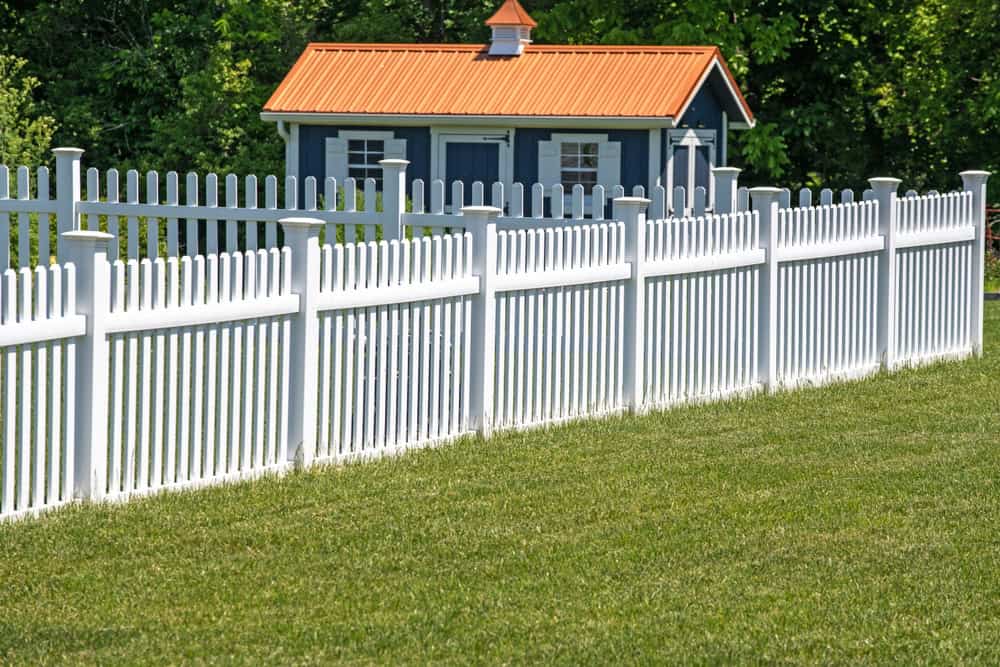
Vinyl fences resist humidity and don’t rot, which matters in a county where moisture is constant. They also tend to survive hurricanes better than wood because they flex instead of snapping. If you’re near the coast or in a flood zone, that flexibility can save you thousands in replacement costs.
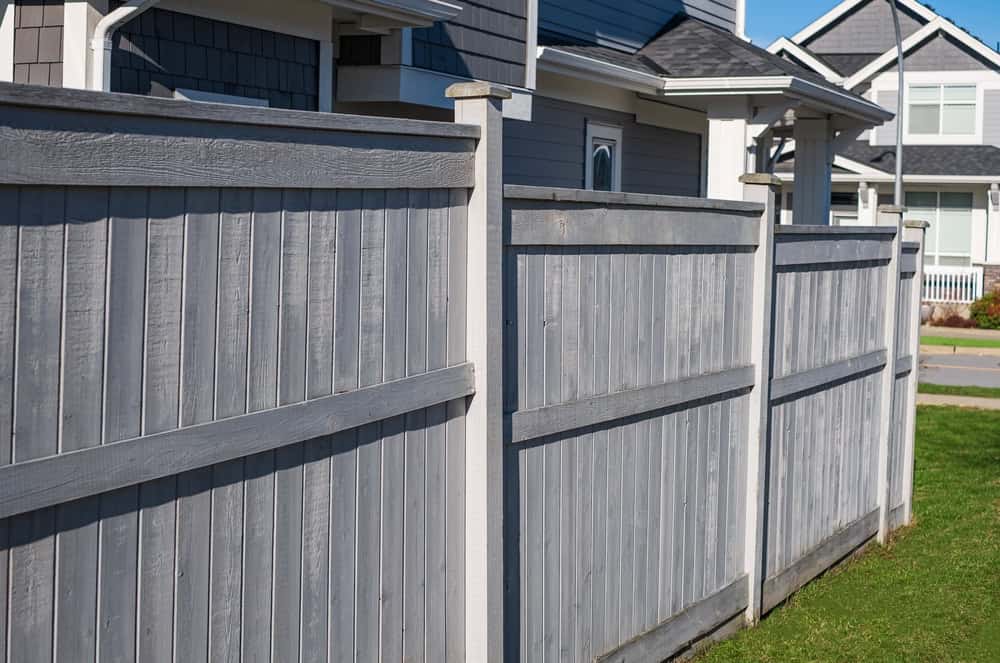
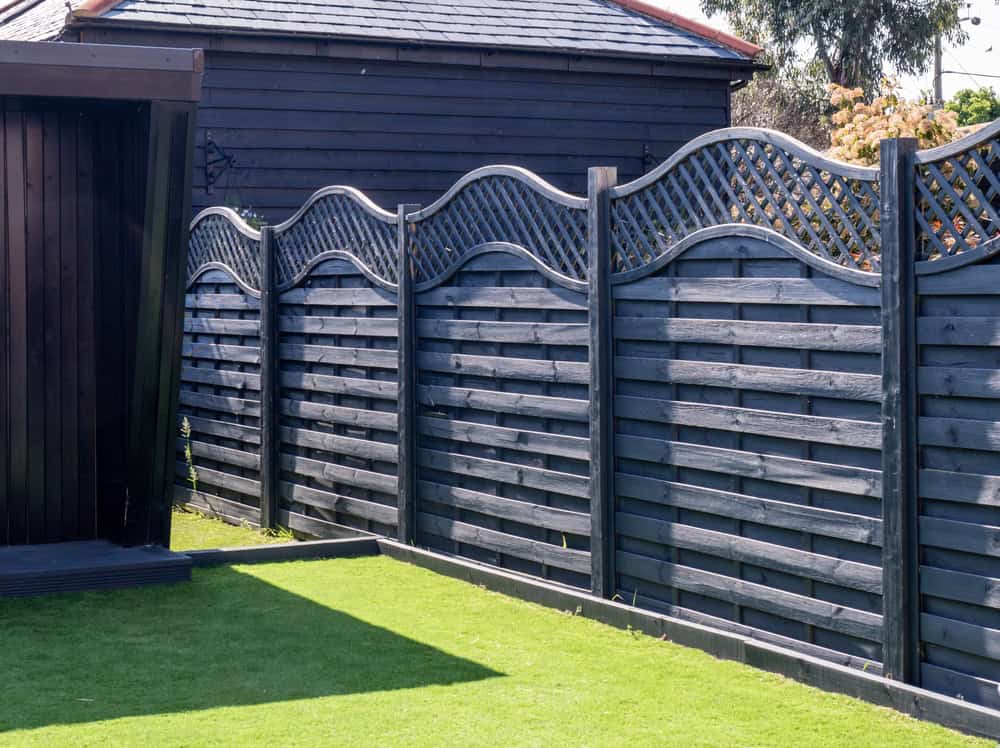
Wood fences—specifically cedar and redwood—offer natural beauty but need proper treatment to handle UV exposure and moisture. We use weather-resistant stains and sealants that extend the life of wood in Florida’s intense sun.
Aluminum and wrought iron work well for pool fencing, which is increasingly popular in Orange County as safety regulations tighten. Chain link remains the most cost-effective option for large properties or commercial sites where security matters more than aesthetics.
We also repair and replace existing fences. If your fence took damage during the last storm season or you’re dealing with rotting posts, we assess whether repair makes sense or if replacement is the smarter long-term investment.

Yes, most fence installations in Orange County require a permit. The county offers electronic permit applications for both contractors and homeowners, but the process involves specific documentation about materials, height, setback distances, and wind load calculations.
If you install a fence without a permit, you risk fines, forced removal, and complications when you try to sell your property. Title companies and home inspectors check for unpermitted work, and it can kill a sale or force you to tear down the fence and start over.
We handle the permit application as part of our fencing services. We know what Orange County’s building department requires, how to submit wind load engineering for hurricane compliance, and how to avoid the common mistakes that delay approval. You don’t have to deal with the paperwork or worry about whether it’s done right.
Vinyl and aluminum last longest in Orange County because they resist the two biggest threats to fences here: moisture and UV exposure. Vinyl doesn’t rot, doesn’t need repainting, and handles humidity without warping. Aluminum doesn’t rust like untreated steel, and powder-coated finishes protect against sun damage.
Wood can last a long time if it’s properly treated and maintained, but it requires more upkeep. Cedar and redwood naturally resist rot better than pine, but even premium wood needs regular sealing in Florida’s climate. If you’re willing to restain every few years, wood offers aesthetic appeal that vinyl can’t match.
Chain link is durable but prone to rust in coastal areas where salt air accelerates corrosion. Wrought iron looks great but needs powder coating or regular painting to prevent rust. The “best” material depends on your priorities—maintenance tolerance, budget, and how the fence needs to perform during storms.
Fence installation costs in Orange County typically range from $15 to $45 per linear foot, depending on material, height, and site conditions. Chain link runs on the lower end. Vinyl and wood fall in the middle. Wrought iron and custom designs cost more.
Your total cost also depends on whether we’re working with flat, accessible land or dealing with slopes, tree roots, or underground utilities that complicate installation. Permits add a few hundred dollars. Gates, decorative caps, and specialty finishes increase the price.
We give you transparent pricing after the initial consultation. You’ll know exactly what you’re paying before we start, with no surprise charges when the job’s done. We’re not the cheapest option in Orange County, and that’s intentional—you’re paying for licensed work, quality materials, and installation that meets hurricane codes. That upfront cost saves you money long-term because the fence actually lasts.
Most residential fence installations in Orange County take two to five days once we start, depending on the size of your property and the type of fence. A simple 150-foot chain link fence on flat land might be done in two days. A large vinyl privacy fence with multiple gates and challenging terrain could take a full week.
Permit approval adds time before installation begins—usually one to three weeks depending on Orange County’s current workload. We submit your permit application as soon as you approve the quote, so that timeline runs while we’re ordering materials and scheduling the crew.
Weather can delay installation, especially during Florida’s summer storm season. We don’t set posts in saturated ground or install fencing in high winds because it compromises structural integrity. We’d rather push your project back a few days than deliver subpar work that fails during the next hurricane.
If it’s installed correctly with the right materials, yes. But most fences that fail during hurricanes in Orange County fail because of poor installation, not weak materials. Posts set too shallow, inadequate concrete footings, and improper spacing create weak points that collapse under wind pressure.
Florida’s building code requires specific wind load calculations for fences based on your location and exposure. In Orange County, that typically means posts set at least two feet deep in concrete, with spacing and bracing designed to handle sustained winds. We follow those specs on every installation.
Vinyl fences generally perform better in hurricanes than wood because they flex instead of snapping. Aluminum holds up well if it’s properly anchored. Wood fences can survive if they’re built with hurricane-grade fasteners and reinforced posts. The material matters, but installation quality matters more. We’ve seen cheap vinyl fences rip apart in storms and premium wood fences stay standing—the difference was how they were installed.
Yes. We back our installation work with warranties that cover both labor and materials, though the specific terms depend on what type of fence you choose. Vinyl and aluminum fences typically come with longer manufacturer warranties because the materials are more durable in Florida’s climate.
Our labor warranty covers installation defects—posts that shift, gates that sag, panels that weren’t secured properly. If something fails because we didn’t install it right, we fix it at no cost to you. That doesn’t cover damage from hurricanes, vehicle impacts, or normal wear over time, but it does protect you from poor workmanship.
Material warranties come from the manufacturers and vary by product. Most quality vinyl carries a 20- to 30-year warranty against cracking, peeling, and fading. Wood warranties are shorter because the material is organic and requires maintenance. We’ll walk you through exactly what’s covered when you’re choosing materials, so you know what protection you’re getting long-term.
Other Services we provide in Orange County