You’re not repainting every few years. You’re not replacing rotted boards after a wet summer. You’re not dealing with termites eating through your investment.
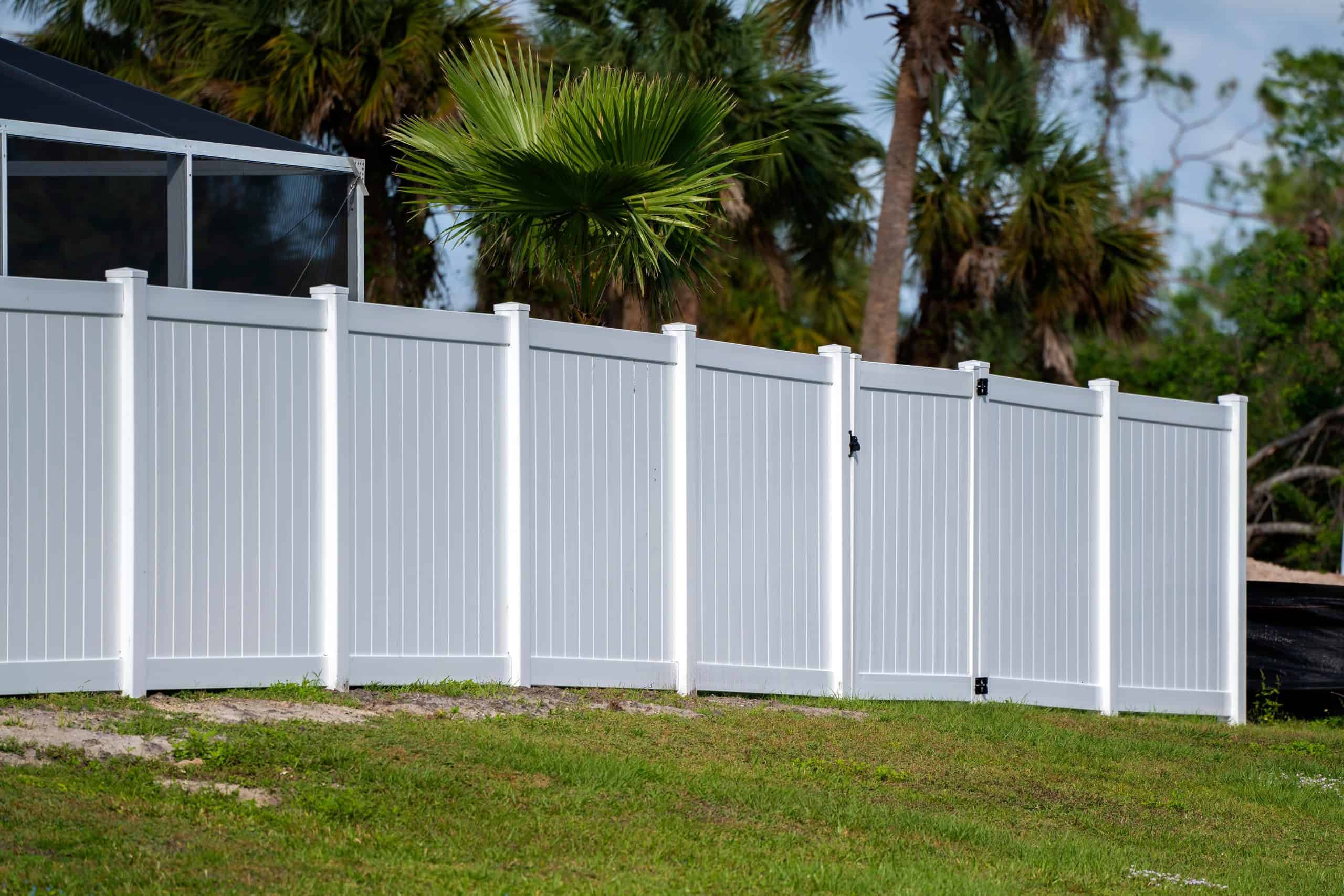
Vinyl fence installation in Ocala, FL means your fence bends in 100+ mph winds instead of snapping. It doesn’t absorb Ocala’s 78% average humidity, so there’s no warping, swelling, or rot. A quick hose-down handles cleaning—no scraping, no staining, no chemical treatments that cost you weekends.
Your property value goes up 5-10% with the right fence. Buyers see vinyl as an upgrade because they know what it means: 20-30 years of durability without the maintenance burden that comes with wood or the rust issues with cheaper metal options.
We’re not new to Central Florida weather. We’ve been installing fences across Marion County and surrounding areas for over two decades—long enough to know what fails during hurricane season and what actually lasts.
We’re licensed, bonded, and insured in Florida, which matters more than you’d think. A lot of fence installers in Ocala aren’t. That means when something goes wrong, you’re stuck with the bill and no recourse.
We use 6-foot sections for vinyl privacy fences because 8-foot sections sag in Florida’s summer heat. We set internal metal posts deeper than standard concrete methods. These aren’t upsells—they’re how you build a fence that doesn’t need replacing in five years.

You call or message us with your property details and what you’re trying to accomplish—privacy, security, curb appeal, pet containment, whatever it is. We schedule a time to walk your property, take measurements, and talk through your options without pushing you toward the most expensive choice.
We handle the permit process if your fence height requires it in Marion County. We check HOA requirements if you’re in a neighborhood with restrictions on materials, colors, or which side faces out. You get transparent pricing with no surprise fees buried in the fine print.
Installation day, we show up on time with the materials and crew size needed to finish efficiently. Posts go in every 6 feet using our no-dig method that sets them deeper for wind resistance. The advanced rail lock system prevents gaps from forming between pickets over time. We do a final walk-through with you, make sure gates operate smoothly, and don’t consider the job done until you approve it.

Ready to get started?
Vinyl fence installation cost in Ocala, FL typically runs $20-$35 per linear foot depending on height, style, and site conditions. A standard 150-foot project costs between $3,000 and $5,250. That’s higher than wood upfront, but wood needs repainting, repairs, and replacement boards within a few years in Florida’s climate.
You’re paying for materials engineered to handle UV exposure without fading, flexibility that prevents cracking during wind events, and a nonporous surface that won’t absorb moisture even during Ocala’s wettest months. Aluminum fences in Ocala, FL are another low-maintenance option we install, especially for properties needing a more open look with similar durability.
The cost also covers proper installation—posts set at the right depth, rail systems that won’t separate, gates hung level so they don’t drag or bind. Cheap installations use shortcuts that cost you more long-term when sections fail or the whole fence needs replacing years earlier than it should.
We’re not the cheapest option in Ocala. We’re the option that doesn’t call you back in three years asking for more money to fix what should’ve been done right initially.

Vinyl fences last 20-30 years in Ocala when installed correctly, which is significantly longer than wood fencing in Florida’s humid subtropical climate. The key is that vinyl doesn’t absorb moisture, so it won’t rot, warp, or swell even with our average 78% humidity and frequent thunderstorms.
Wood fences in Central Florida need replacement or major repairs within 10-15 years because the moisture, heat, and pest pressure accelerate deterioration. You’re repainting or restaining every 2-3 years just to slow down the damage. Vinyl eliminates that entire maintenance cycle.
The lifespan depends on installation quality, though. Posts need to be set deep enough to handle wind loads. Sections should be 6 feet, not 8, to prevent sagging in summer heat. If those details are skipped, you’ll see problems much sooner regardless of material quality.
Modern vinyl fence systems are designed to flex rather than break in high winds, with many rated for 100-130 mph gusts when installed properly. During Hurricane Milton, Ocala Regional Airport recorded winds of 78 mph—well within the tolerance range of quality vinyl fencing.
The flexibility is what saves vinyl during storms. Wood fences are rigid, so they snap. Chain link bends permanently. Vinyl gives during the wind event and returns to position afterward, assuming the posts are set correctly and deep enough to anchor the system.
Installation method matters as much as material. We use internal metal posts set deeper than traditional concrete methods specifically for wind resistance. The rail lock system prevents sections from separating during stress. If your installer is skipping these steps to save time or underbid competitors, your fence won’t perform the same way during the next hurricane season.
Vinyl fencing needs a rinse with your garden hose a few times a year. That’s it for regular maintenance. For stubborn dirt or mildew in shaded areas, warm water with mild dish soap and a soft sponge handles it in minutes.
You’re not painting, staining, sealing, or treating the material with chemicals. You’re not replacing boards that rotted or cracked. You’re not dealing with rust spots or corrosion. The nonporous surface doesn’t absorb anything, so there’s nothing breaking down the material from inside like what happens with wood.
Gates might need hinge adjustments over time, but that’s true for any fence material. The actual vinyl panels and posts require essentially zero upkeep, which is why the long-term cost is lower than wood even though the initial vinyl fence installation cost in Ocala, FL is higher. You’re saving the ongoing expense and time that other materials demand.
Most residential vinyl fence installations in Marion County require a permit, especially if your fence exceeds the standard height limits—typically 4 feet in front yards and 6 feet in backyards, though this varies by specific zoning. Commercial properties almost always need permits regardless of height.
The permit process involves submitting a site plan showing fence location, height, materials, and distance from property lines. Inspectors verify the installation meets Florida Building Code requirements for wind load and structural integrity, which is actually in your favor—it ensures your fence is built to survive local weather conditions.
If you’re in an HOA neighborhood, you’ll also need approval from your homeowners association before applying for the county permit. HOAs in Ocala often have restrictions on fence height, color options, and which side faces outward. We handle both the permit application and HOA approval process as part of our vinyl fence installation in Ocala, FL, so you’re not navigating the bureaucracy yourself.
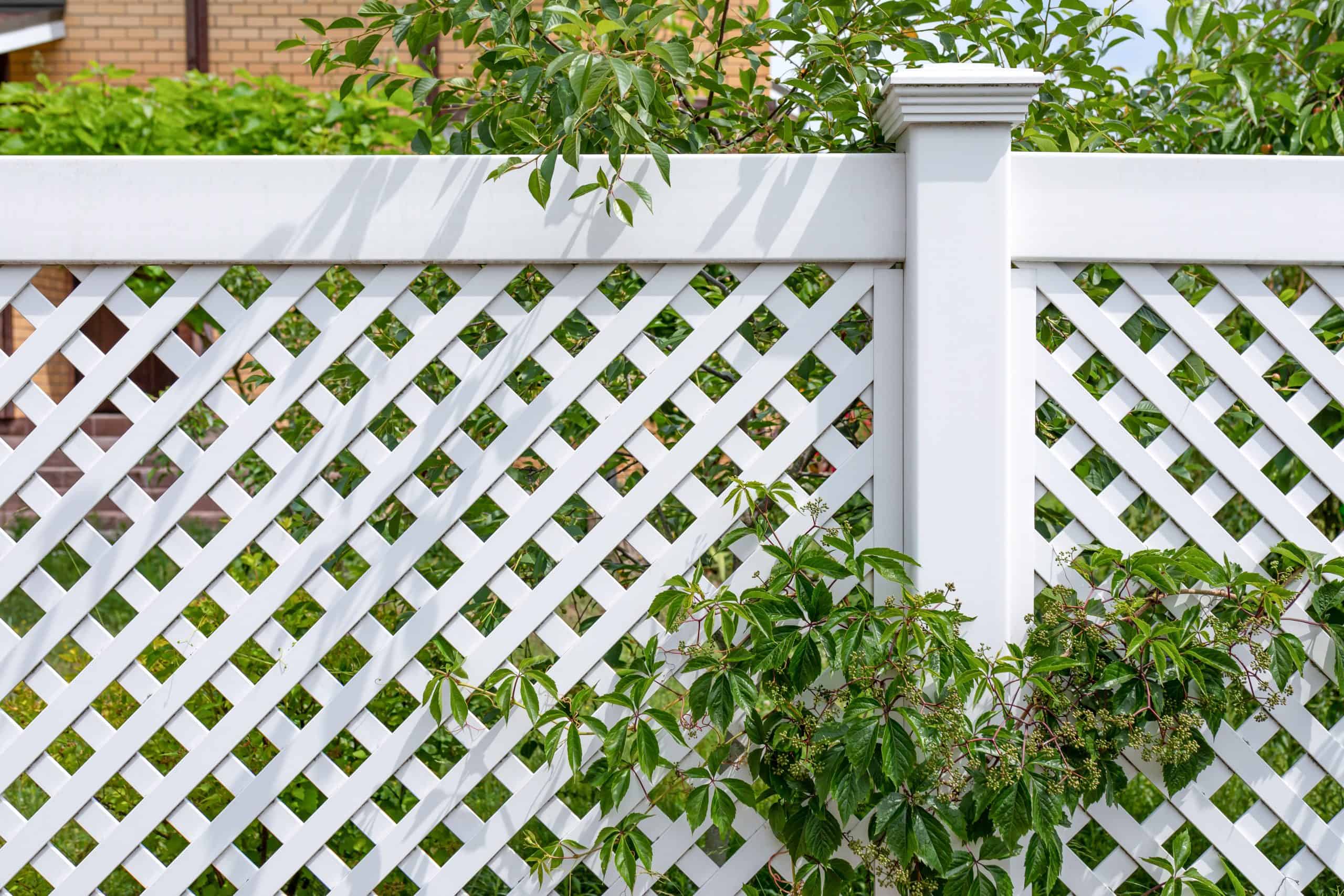
Vinyl offers complete privacy and zero maintenance, while aluminum fences in Ocala, FL provide an open sightline with similar durability and low upkeep. The choice depends on what you’re trying to accomplish with the fence.
Vinyl is better for privacy, noise reduction, pet containment, and blocking wind. It’s completely opaque, handles humidity without any corrosion concerns, and provides a solid barrier. Aluminum works better when you want security without blocking views—around pools, front yards where you need visibility, or properties where an open feel matters more than total privacy.
Both materials handle Florida weather well. Neither rusts, rots, or needs painting. Aluminum can dent on impact where vinyl flexes and returns to shape. Vinyl can fade slightly over many years in intense sun, though quality products resist UV damage far better than they used to. Cost-wise, they’re comparable depending on style and height. We install both and can walk your property to recommend which makes more sense for your specific situation and budget.
Verify they’re licensed, bonded, and insured in Florida before you even discuss pricing. A shocking number of fence installers in Ocala operate without proper licensing, which leaves you with zero recourse if the installation fails or someone gets injured on your property during the job.
Ask how they set posts—specifically, how deep and what method they use. The answer should involve setting internal metal posts deeper than standard concrete installation, not just surface-level anchoring. Ask about section length for privacy fences. The correct answer is 6-foot sections, not 8-foot, because longer sections sag in Florida heat.
Check how long they’ve been working in Central Florida, not just in business generally. Contractors who understand local climate, soil conditions, HOA requirements, and permitting processes in Marion County will save you time and headaches. Look for actual customer reviews that mention installation quality and how the fence has held up over time, not just generic five-star ratings. And get transparent pricing in writing with no vague line items that can balloon later.