You stop dealing with rot, mold, and constant repainting. Vinyl fence installation in Ocklawaha means your fence stands up to Florida’s brutal summers and hurricane season without breaking down.
The material flexes in high winds instead of snapping. It doesn’t feed termites or carpenter ants. It won’t warp when temperatures hit 95 degrees with 80% humidity three months straight.
You’re looking at 20 to 30 years of use with nothing more than an occasional rinse. No sanding, no staining, no replacing boards every few years. Your weekends stay yours, and your property value gets a boost from fencing that actually looks maintained because it doesn’t need much.
We started in Atlanta in 1992 and expanded to Central Florida in 2004. We’re licensed, bonded, and insured across Marion County and the surrounding areas, which matters more than you’d think when half the contractors operating around Lake Weir aren’t properly covered.
We’ve installed vinyl fences for homeowners near the lake, in newer developments off Highway 25, and in older neighborhoods where properties sit on larger lots with mature oaks. The climate here demands materials that won’t rot in the humidity or fade under constant sun exposure.
You’re not getting a sales pitch from someone who just started last year. You’re working with a vinyl fence contractor in Ocklawaha who’s seen what fails and what holds up across two decades in Florida.

You call or submit a request, and we schedule a time to look at your property. We measure the area, check for any grade issues or underground utilities, and talk through what you need—privacy, pet containment, property line marking, whatever applies.
We give you a written estimate that breaks down vinyl fence installation cost by materials and labor. No hidden fees or surprise charges when the job’s done. If you move forward, we pull permits if Marion County requires them for your fence height and location.
Installation day, we set posts in concrete, let them cure properly, then attach rails and panels. The fence gets level and secure, built to handle wind load. We clean up the site and walk the property with you to make sure everything meets your approval before we consider the job finished.

Ready to get started?
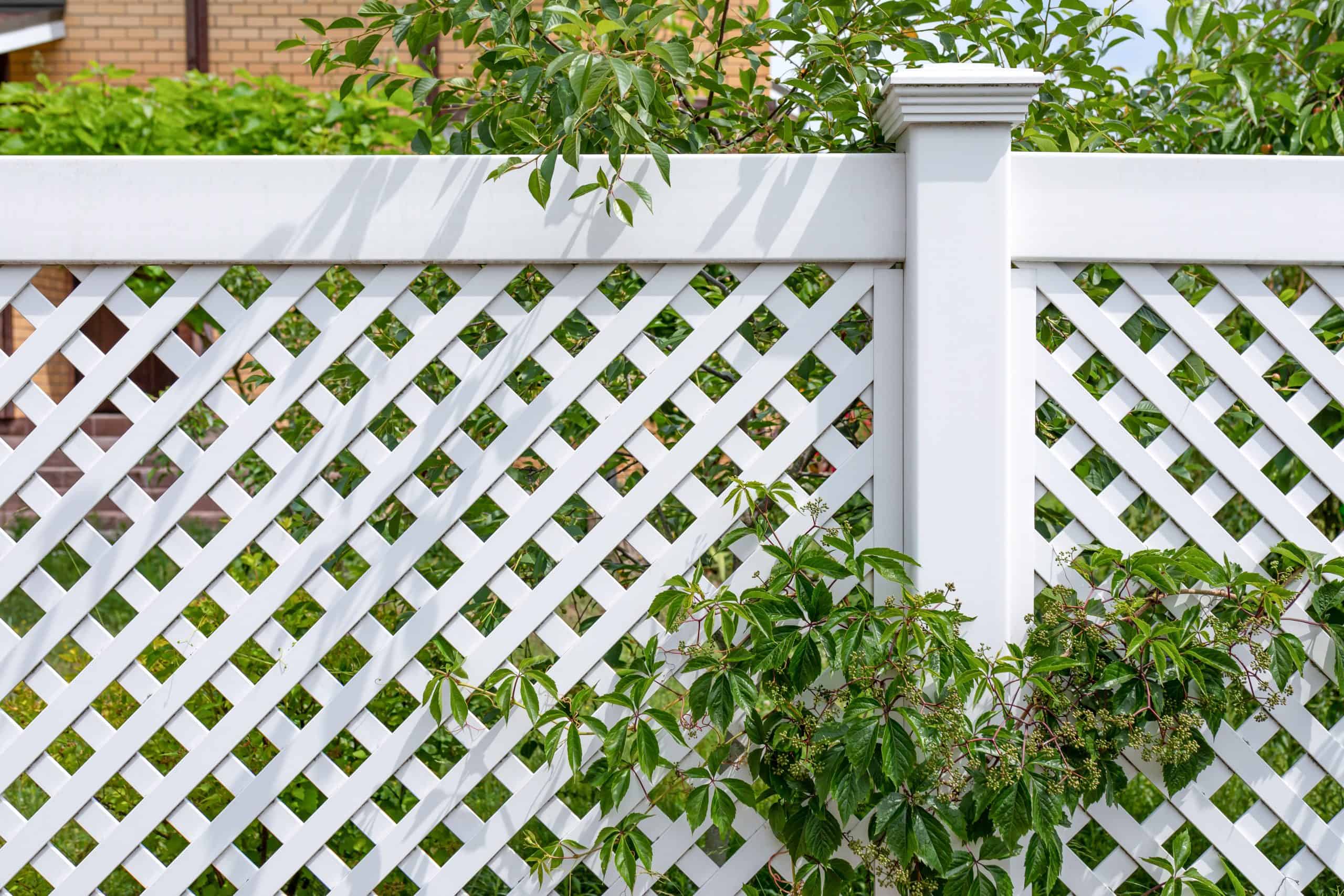
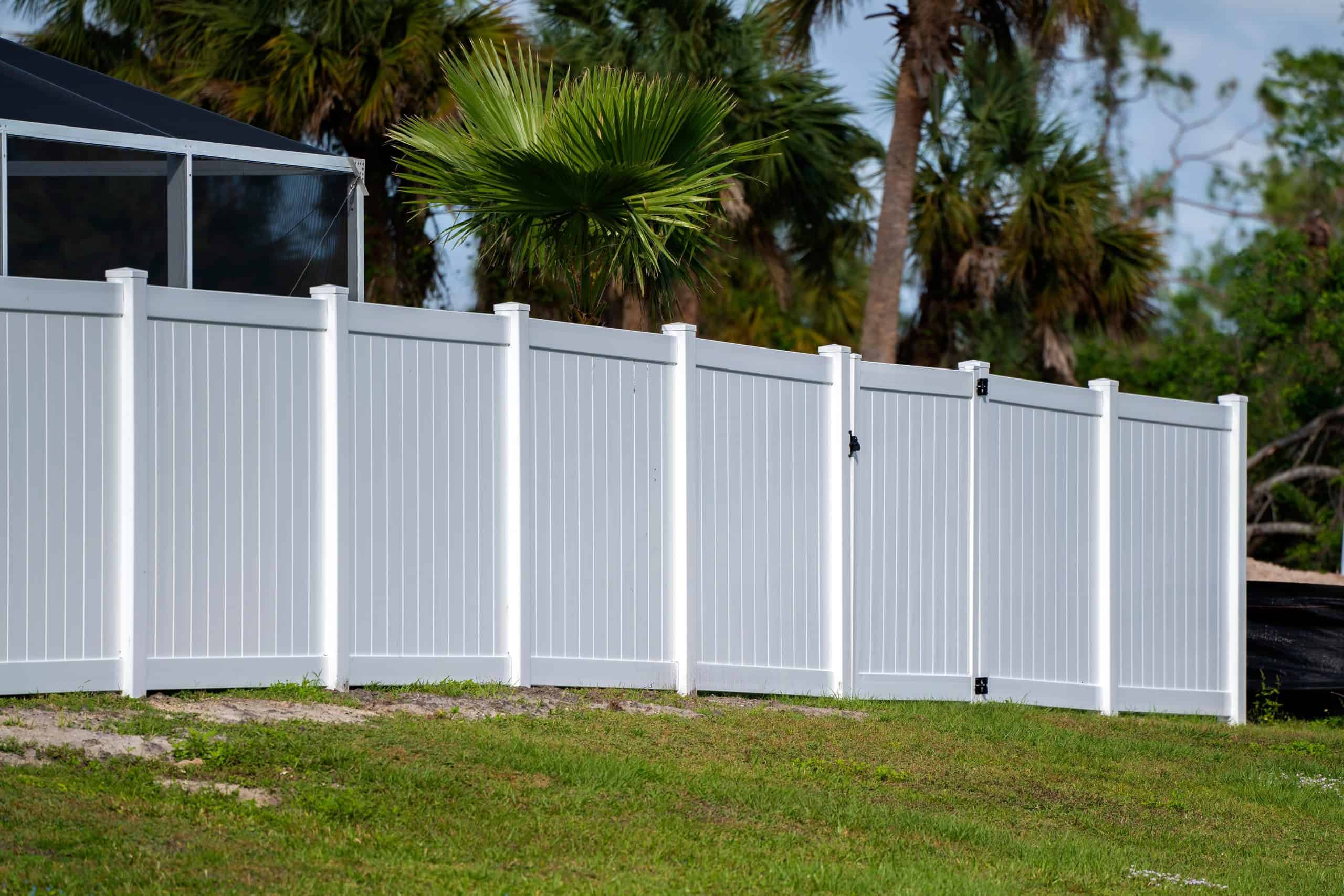
Vinyl fences in Ocklawaha, FL come in privacy styles with no gaps between pickets, semi-privacy with spacing for airflow, and decorative options like picket or rail designs. You pick the height based on what you need—four feet for front yards, six feet for backyards where privacy matters.
Color options include white, tan, and gray, with some styles offering wood-grain textures if you want the look without the maintenance. The material itself is solid PVC that won’t fade under Florida sun because the color goes all the way through, not just surface coating.
Around Lake Weir and areas with sandy soil, we adjust post depth and use concrete that accounts for drainage. Properties near old orange groves or wooded areas get extra attention to root systems that could shift fence lines over time. If you’re in an HOA community, we confirm your fence style meets their requirements before ordering materials so you don’t get stuck with something you can’t install.

Vinyl fence installation cost in Ocklawaha typically runs between $18 and $25 per linear foot depending on height, style, and your property’s terrain. A standard six-foot privacy fence for a quarter-acre backyard usually lands between $4,500 and $7,000 including materials, labor, and permits.
That’s higher than wood upfront, but you’re not repainting or replacing rotted boards every few years. Over ten years, vinyl costs less when you factor in zero maintenance expenses and longer lifespan.
Properties with slopes, rocky soil, or difficult access cost more because installation takes longer and requires additional materials for proper leveling. We give you the exact number after seeing your property, not a range that changes when the bill comes.
Yes, if it’s installed correctly. Vinyl fences handle Florida heat up to 176 degrees without softening or warping, which is well above what you’ll see even in July. The material flexes during high winds instead of cracking, which is why it performs better than wood in hurricanes.
Proper installation matters more than the material itself. Posts need to go deep enough—typically 24 to 30 inches in Florida—and get set in concrete that accounts for sandy soil conditions common around Ocklawaha. Rails and panels need secure attachment points that won’t pop loose when wind gusts hit 60 or 70 mph.
We’ve seen vinyl fences we installed years ago come through storms with minimal damage while wood fences in the same neighborhood lost entire sections. The flexibility of vinyl is the difference. It bends, absorbs impact, then returns to position instead of snapping.
A properly installed vinyl fence lasts 20 to 30 years in Florida with basic maintenance like occasional rinsing. The material doesn’t rot, won’t get eaten by termites, and resists mold growth even in high humidity.
UV resistance is built into quality vinyl, so the color doesn’t fade to a chalky gray like cheaper materials do after a few years. You’re looking at the same appearance a decade from now that you see the day it’s installed.
Wood fences in the same conditions start showing rot and insect damage within five to seven years and need replacement around the 15-year mark if maintained well. Vinyl outlasts wood by at least a decade, usually more, which is why the higher upfront cost makes sense if you’re staying in your home long-term.
Marion County requires permits for most fence installations, especially if your fence exceeds four feet in height or sits near a property line. The permit process involves submitting a site plan showing fence location, height, and distance from property boundaries.
We handle permit applications as part of the installation process. It adds a week or two to the timeline but keeps you compliant with county regulations and avoids issues if you sell your home later.
Some HOA communities around Ocklawaha have additional requirements beyond county permits—specific colors, styles, or height restrictions. We verify those before ordering materials so your fence meets both county code and HOA rules. Skipping permits might seem faster, but it causes problems during home sales or if a neighbor complains and the county gets involved.
Vinyl fences need a rinse with a garden hose a few times a year to remove pollen, dirt, and mildew. For stubborn spots, use a soft brush with soap and water. That’s it.
You’re not painting, staining, or sealing anything. You’re not replacing rotted boards or treating for insects. The material doesn’t absorb moisture, so mold and mildew sit on the surface where they rinse off easily instead of growing into the fence like they do with wood.
If a panel gets damaged—from a fallen branch or a vehicle backing into it—you can replace individual sections without redoing the entire fence. Most damage we see comes from impact, not material breakdown. The fence itself doesn’t deteriorate from weather exposure, which is the main reason people choose vinyl over wood in Florida’s climate.
Yes, within the available vinyl styles and colors. If you’re extending an existing vinyl fence, we identify the manufacturer and style to get matching panels. If your current fence is wood and you’re switching to vinyl, we can get wood-grain textures that give a similar look without the maintenance issues.
Vinyl comes in enough styles—privacy, semi-privacy, picket, ranch rail—that most properties find something that fits. Color options are more limited than wood stains, but white, tan, and gray cover most preferences and match common home exteriors around Ocklawaha.
For properties with specific aesthetic requirements or HOA restrictions, we bring samples and photos of installed fences so you see exactly what you’re getting. The goal is a fence that fits your property and meets your functional needs, not forcing you into a style that doesn’t work just because it’s what we have in stock.