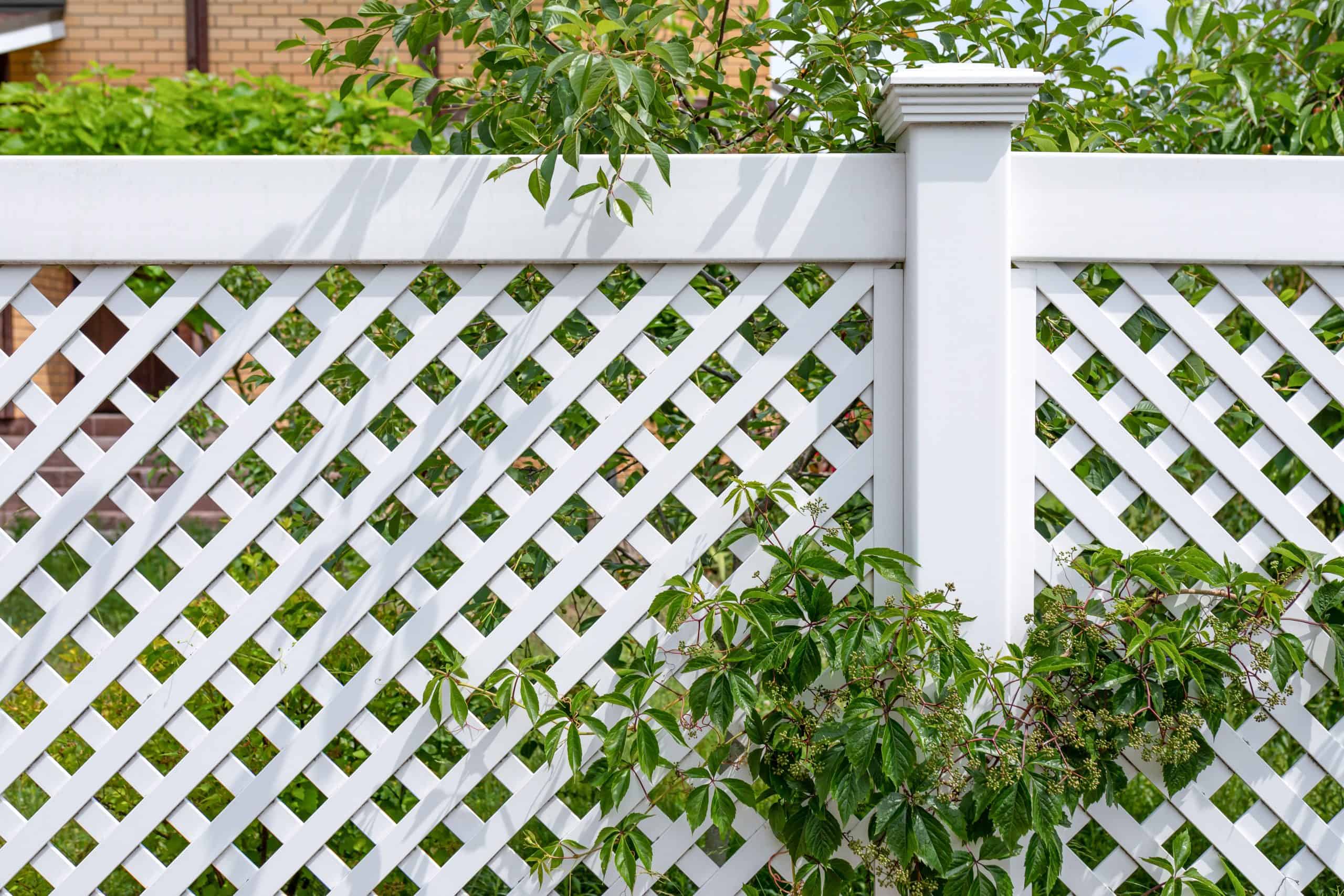
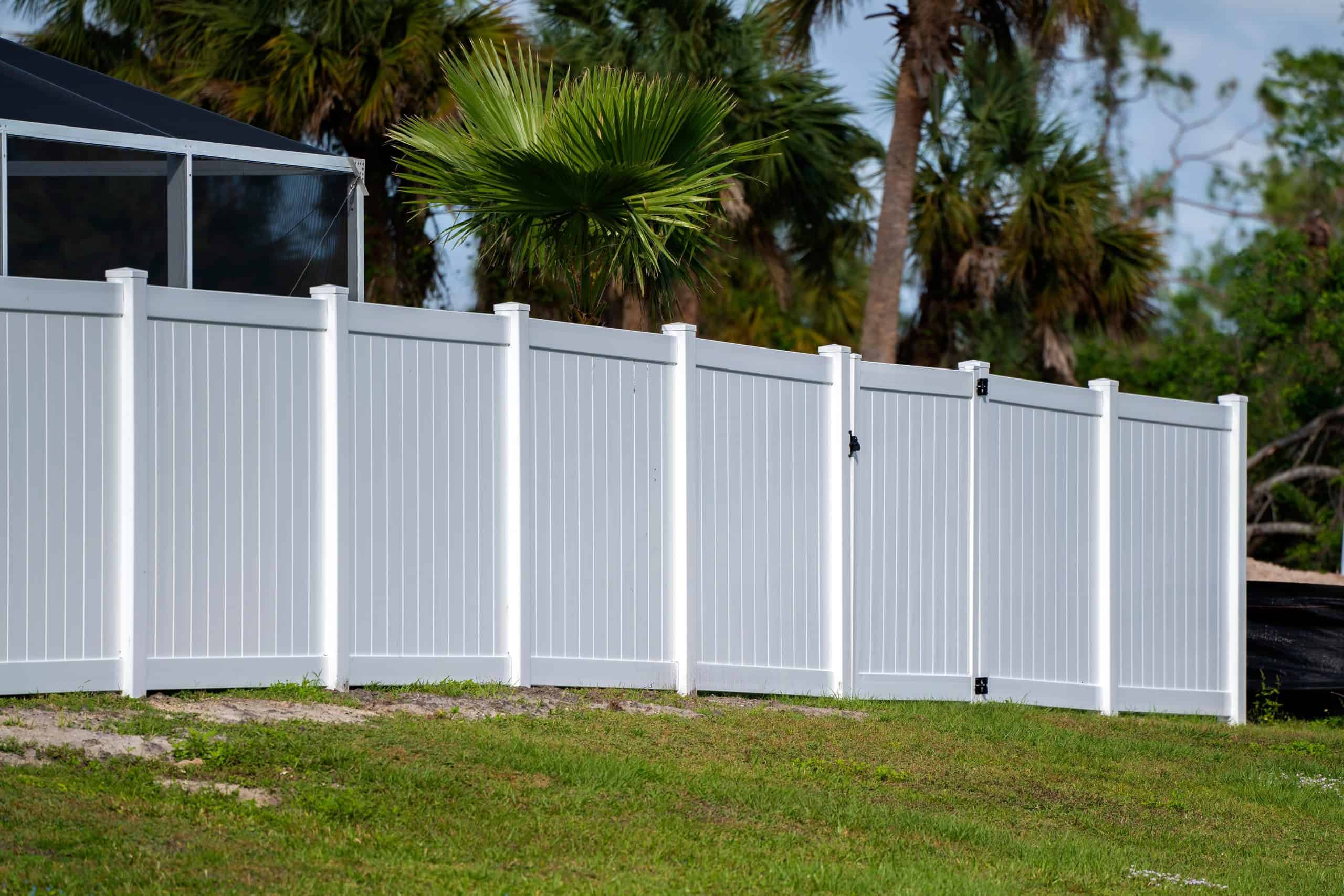
You’re done worrying about fence maintenance. A quality vinyl fence installation in Education Village means you rinse it off once or twice a year with a garden hose and you’re finished. No staining every two years. No replacing rotted boards. No scraping and repainting in the Florida heat.
Vinyl fences hold up against what Central Florida throws at them. The humidity that warps wood doesn’t touch vinyl. The UV rays that fade and crack other materials barely make a dent when you’re working with UV-resistant vinyl panels. Storms roll through and your fence flexes instead of snapping.
You’re also protecting your property value. Buyers see a vinyl fence and know they won’t inherit a maintenance project. It’s clean, it’s functional, and it signals that the home has been maintained with quality materials. That matters in Education Village’s competitive real estate market, where homes are selling and buyers have options.
We’ve been handling residential vinyl fence installation across Central Florida for two decades. Before that, we spent 12 years in Atlanta learning how to do this right. We’re licensed, bonded, and insured, and we’ve earned an A rating with the Better Business Bureau along with multiple Angie’s List Super Service Awards.
We know Education Village. We understand the HOA requirements, the permitting process in Sumter County, and what it takes to install a fence that meets local codes the first time. You’re not dealing with a crew that shows up, throws up a fence, and disappears. We’re here after the install is done, and we stand behind our work.

You reach out and we schedule a time to walk your property. We measure, discuss what you’re looking for, and go over your options for height, style, and layout. You’ll get a transparent quote with no hidden fees. If you’re in an HOA community, we’ll make sure the design meets their guidelines before we move forward.
Once you approve the plan, we handle the permit process with Sumter County. Florida has specific requirements for fence height, setbacks, and installation standards, and we take care of that paperwork so you don’t have to chase down approvals. We also call in utility locates to make sure we’re not digging into any lines.
On install day, our crew shows up on time with the materials and equipment needed to do the job right. We dig post holes deep enough to handle Central Florida’s sandy soil and set them in concrete for stability. Vinyl fence panels get installed level and secure, with proper spacing and reinforcement. We clean up the site when we’re done, and you’re left with a fence that’s ready to go. After the job, we follow up to make sure everything meets your expectations.

Ready to get started?
You’re getting more than vinyl fence panels in the ground. Every residential vinyl fence installation in Education Village includes permit processing, utility locates, and compliance with local building codes. We’re not cutting corners on the prep work because that’s where most fence failures start.
The materials matter. We use higher-grade vinyl than what you’ll find at big box stores. The posts are reinforced, the panels are UV-resistant, and the hardware is built to last in Florida’s climate. You’re looking at a fence that can handle 20 to 30 years of sun, rain, and storms without falling apart.
Education Village sits in an area where sandy soil and seasonal weather put extra stress on fence installations. We account for that by setting posts deeper and using concrete footings that won’t shift over time. The fence stays level, the gates stay aligned, and you’re not dealing with sagging panels five years down the road.
You also get a warranty that actually means something. If there’s an issue with the installation or the materials, we come back and fix it. We’ve been doing this long enough to know that standing behind our work is what keeps customers coming back and referring us to their neighbors.

Vinyl fence installation in Education Village typically runs between $20 and $35 per linear foot, depending on the height, style, and any custom features you add. A standard privacy fence for a quarter-acre lot usually falls in the $3,500 to $6,000 range once you factor in materials, labor, permits, and site prep.
The cost breaks down into materials and installation. Vinyl fence panels and posts make up about two-thirds of the total, and labor accounts for the rest. If your property has slopes, corners, or tricky access, that can add to the labor time. Gates, decorative caps, and taller panels also increase the price.
What you’re really paying for is 20 to 30 years of use without ongoing maintenance costs. Compare that to wood, which needs staining every few years and replacement after 10 to 15 years in Florida’s climate, and vinyl fence installation cost starts to make more sense as a long-term investment.
Yes, you need a permit for vinyl fence installation in Education Village. Sumter County enforces zoning laws that regulate fence height, setbacks from property lines, and placement near roads or easements. Installing without a permit can result in fines or a requirement to remove the fence entirely.
The permit process involves submitting a site plan that shows where the fence will go, how tall it will be, and that it meets setback requirements. Most residential fences need to be at least 10 feet from the street and a few feet from side property lines, though the exact measurements depend on your lot and zoning district.
We handle the permit application as part of our vinyl fence installation service. It takes a few weeks for approval, but it’s worth doing it right the first time. If you’re in an HOA community, you’ll also need HOA approval before we can pull the permit, and we help coordinate that as well.
A properly installed vinyl fence in Education Village should last 20 to 30 years with minimal maintenance. Florida’s heat, humidity, and UV exposure are tough on fencing materials, but vinyl is specifically designed to handle those conditions better than wood or metal.
Vinyl doesn’t absorb moisture, so you won’t deal with rot, warping, or insect damage. The UV inhibitors in quality vinyl panels prevent fading and brittleness from sun exposure. During storms, vinyl has enough flex to handle high winds without cracking, which gives it an edge over rigid materials.
The lifespan depends on the quality of the materials and the installation. Cheap vinyl from big box stores might start sagging or discoloring within a decade. Professional-grade vinyl fence panels installed with proper footings and reinforcement will outlast that by years. You’re also looking at virtually zero maintenance beyond an occasional rinse, which is a big reason why vinyl fence installation is popular with Education Village residents who want a low-maintenance retirement lifestyle.
The biggest difference is maintenance. Wood fencing in Central Florida requires staining or sealing every two to three years to protect against moisture, and you’ll still need to replace rotted or warped boards over time. Vinyl fence installation eliminates that cycle entirely. You rinse it off when it gets dusty and you’re done.
Wood also doesn’t hold up as well in Florida’s climate. Humidity causes wood to swell and warp. Termites and carpenter ants are a constant threat. UV exposure dries out the wood and leads to cracking and splintering. Even treated wood starts breaking down after 10 to 15 years, which means you’re looking at a full replacement while a vinyl fence is still going strong.
Cost is another factor. Wood is cheaper upfront, but when you add up the staining, repairs, and eventual replacement, vinyl fence installation cost becomes more competitive. You’re paying once for a fence that lasts decades instead of paying repeatedly to maintain and replace wood. For Education Village homeowners who want to enjoy retirement without ongoing projects, vinyl makes more sense.
Yes, vinyl fences handle Florida storms better than most people expect. Vinyl has a degree of flexibility that allows it to bend slightly in high winds instead of snapping like wood or buckling like some metal fences. That flexibility is a major advantage during the summer storm season and occasional hurricanes that roll through Central Florida.
The key is proper installation. Vinyl fence panels need to be anchored with posts set deep in concrete footings. In Education Village, where the soil is sandy, we dig deeper and use more concrete to make sure the posts stay secure. The panels themselves are reinforced and attached with hardware that won’t pull loose under stress.
No fence is completely hurricane-proof, but a well-installed vinyl fence in Education Village has a much better chance of staying intact through a storm than a poorly installed wood fence. If a panel does get damaged, vinyl is also easier to replace than wood because the panels are modular. You swap out the damaged section without rebuilding the entire fence.
Vinyl fence maintenance in Education Village is about as simple as it gets. You rinse the fence with a garden hose once or twice a year to remove dust, pollen, and any mildew that might form in shaded areas. For stubborn spots, a soft brush and mild soap will handle it. That’s the entire maintenance routine.
You don’t need to paint, stain, seal, or treat vinyl. There’s no sanding, no scraping, and no reapplying protective coatings every few years like you would with wood. The material is designed to resist moisture, UV damage, and pests without any chemical treatments or ongoing care.
The only thing to watch for is damage from lawn equipment or fallen branches. If you nick a panel with a mower or a storm drops a limb on the fence, you might need to replace that section. But general wear and tear from Florida’s climate won’t break down a quality vinyl fence. That’s why vinyl fence installation is so popular with Education Village residents who want a fence that looks good without the constant upkeep.
Other Services we provide in Education Village