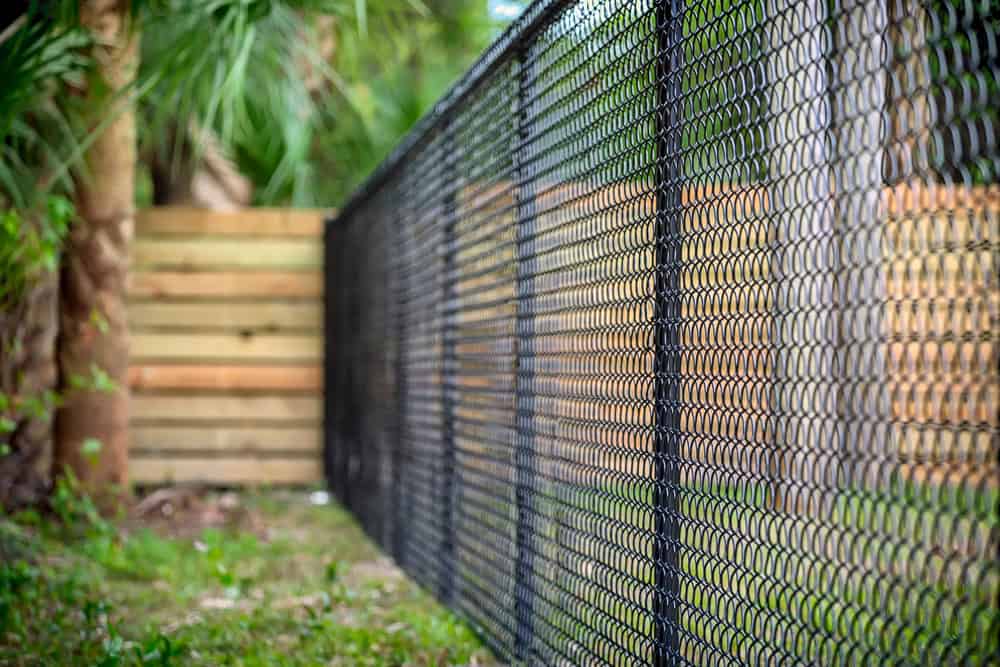
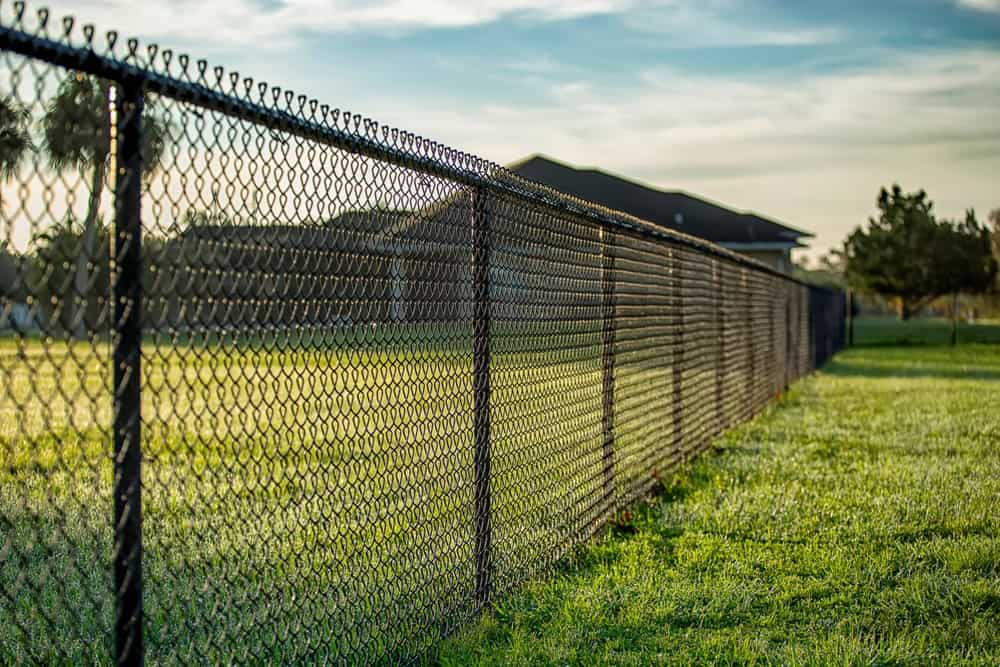
Chain link gives you what most Rainbow Park homeowners actually need: a clear property line, containment for kids or pets, and a barrier that doesn’t block your view or require constant upkeep. You’re not repainting every few years. You’re not replacing rotted boards after a wet summer.
You get a fence that handles Florida’s humidity, salt air, and hurricane-force winds without falling apart. Galvanized or vinyl-coated options resist rust and corrosion, which matters when you’re this close to the coast and dealing with afternoon storms nine months a year.
Most installations wrap up in one to three days. You’re not waiting weeks for a fence that should’ve been done already. And if you need pool enclosure, backyard perimeter, or something commercial-grade, the same material works across the board—just with different gauges and heights depending on what you’re securing.
We’ve been working in Rainbow Park and across Lake, Orange, Seminole, and surrounding counties for more than 20 years. We’re licensed, bonded, and insured in Florida, which means your project is covered if something goes sideways—and it also means we know how to pull permits and navigate county codes without you having to figure it out yourself.
We’ve seen what happens when fence posts go into soft sandy soil without proper depth or concrete. We’ve repaired plenty of DIY jobs that looked fine for six months, then started leaning. Our crews know the difference between a fence that passes inspection and one that actually lasts. That’s why we only use top-grade materials and install them correctly from the start—no shortcuts, no surprises on the invoice.
You reach out, we schedule a time to walk your property and talk through what you need. We measure the perimeter, check for utility lines, discuss height and finish options, and give you transparent pricing with no hidden fees. If you’re dealing with HOA requirements or pool code compliance, we handle that too.
Once you approve the quote, we pull permits if needed and schedule installation. Our crew shows up on time, sets posts at the right depth for Central Florida soil conditions, and installs galvanized or vinyl-coated chain link based on what you chose. Posts get concreted in. Gates get hung and adjusted so they actually swing properly.
Most residential jobs finish in one to three days depending on size and layout. We clean up the site, walk you through gate operation and basic maintenance, and make sure everything meets code before we leave. You get a fence that’s built to last 20-plus years, not just pass a quick inspection.
Ready to get started?
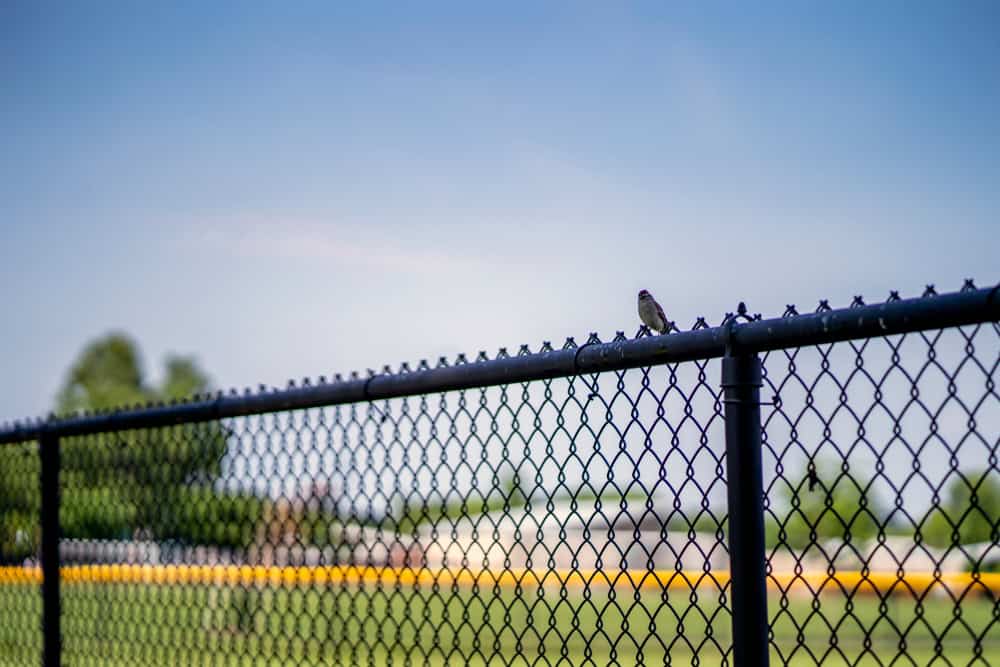
You can choose galvanized chain link, which is the standard rust-resistant option and the most affordable. Or you can go with vinyl-coated in black, green, or brown if you want something that blends better with landscaping or HOA requirements. Both hold up in Florida’s weather, but the vinyl coating adds a few extra years of corrosion resistance if you’re near saltwater or get a lot of sprinkler exposure.
Height and gauge depend on what you’re fencing. Residential perimeters usually run four to six feet. Pool enclosures have specific code requirements we’ll walk you through. Commercial or high-security applications need heavier gauge wire and taller posts. We customize based on your property and what you’re trying to accomplish—not based on what’s easiest for us to install.
Rainbow Park sits in Central Florida’s construction boom zone, which means you’re seeing a lot of new builds and property improvements. That also means a lot of contractors who aren’t licensed or insured trying to undercut pricing. You’ll pay a bit more working with a licensed fence company, but you’re also getting permits pulled correctly, insurance coverage if something gets damaged, and a crew that knows how to install posts in sandy soil without them shifting in six months.
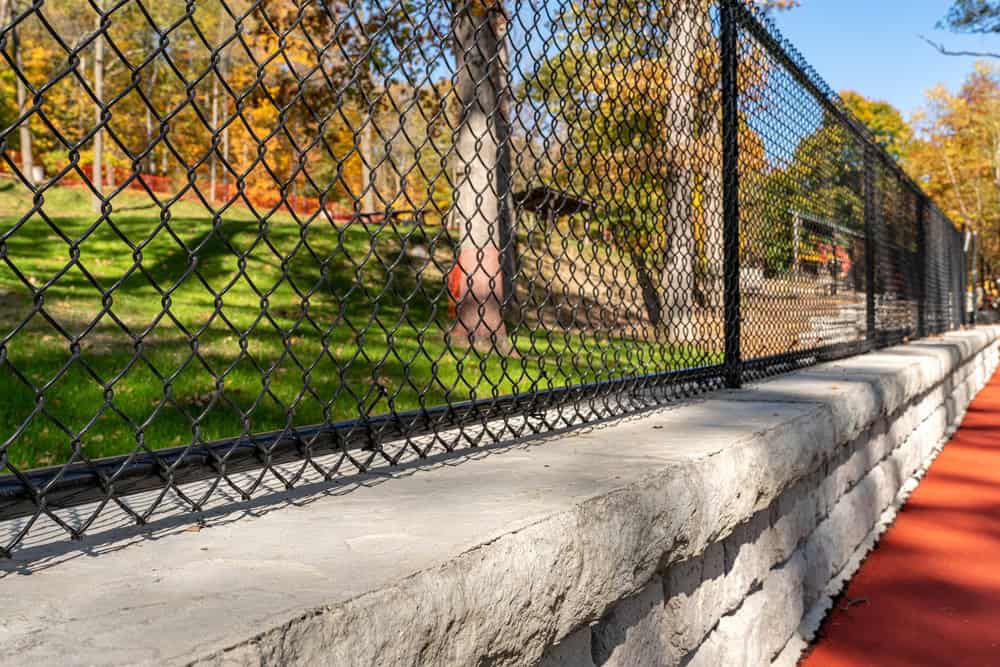
A properly installed chain link fence lasts 20 years or more in Florida, even with the humidity, salt air, and heavy rain we get in Central Florida. Galvanized chain link resists rust because of the zinc coating. Vinyl-coated options add another layer of protection and can push that lifespan even further if you’re in a high-moisture area or near the coast.
The bigger issue isn’t the fence itself—it’s the installation. If posts aren’t set deep enough or aren’t concreted properly in Rainbow Park’s sandy soil, you’ll see leaning or sagging within a year or two. That’s not a material problem. That’s an installation problem. We dig posts to proper depth, use concrete, and make sure everything is plumb before we move on. That’s what gets you two decades instead of two years.
You’ll need to hose it down occasionally to remove pollen, dirt, or salt buildup. Maybe hit it with mild soap and water once a year if you’re near a busy road. That’s it. No staining, no painting, no replacing boards.
Yes, and that’s actually one of the reasons chain link works well in Florida. The open-weave design lets wind pass through instead of catching it like a solid wood or vinyl panel fence would. During a storm, you’re not dealing with a giant sail that’s trying to rip out of the ground.
That said, the posts and framework still need to be installed correctly. We use proper gauge posts, set them deep, and concrete them in place so they’re not going anywhere when winds pick up. If you’re in a flood zone or an area that sees regular storm surge, we can talk through additional bracing or higher-grade materials depending on your property.
Most chain link fences in Central Florida come through hurricane season without damage as long as they were installed by someone who knows what they’re doing. The ones that fail are usually DIY jobs or budget installs where posts weren’t deep enough or concrete wasn’t used. Wind doesn’t care how cheap your fence was—it’s either anchored correctly or it’s not.
Most likely, yes. Permit requirements vary depending on fence height, proximity to property lines, and whether you’re in an HOA. In Central Florida, cities and counties each have slightly different rules, and Rainbow Park falls under regulations that typically require permits for fences over a certain height or within setback zones.
We handle permit applications as part of the installation process. We know what the county needs, how to submit drawings, and how long approval typically takes. You don’t have to figure out which office to call or what forms to fill out. We also make sure the installation meets code so you’re not dealing with fines or mandatory removal later.
If you have an HOA, there’s usually an approval process on top of the county permit. Some HOAs only allow certain colors or heights. Some require specific setbacks from sidewalks or neighboring properties. We’ve worked with dozens of HOAs across Central Florida and can walk you through what yours typically requires before you submit anything.
Vinyl-coated chain link costs more upfront—usually an extra few dollars per linear foot depending on the project size and color you choose. Galvanized is the standard option and the most affordable. Both resist rust and hold up in Florida weather, so you’re not sacrificing durability by going with galvanized.
The main reasons people choose vinyl-coated are aesthetics and slightly longer lifespan in high-corrosion areas. If your HOA requires a specific color or you want the fence to blend with landscaping, vinyl-coated in black, green, or brown looks less industrial than bare galvanized. If you’re right on the coast or have heavy sprinkler exposure, the vinyl coating adds extra protection against salt and moisture.
For most Rainbow Park residential installations, galvanized is plenty. You’re getting a 20-plus-year fence either way. If you want the upgraded look or you’re in a harsher environment, vinyl-coated is worth the extra cost. We’ll walk you through both options during the quote so you can decide what makes sense for your property and budget.
Posts need to go at least two feet deep, and in most cases we’re going deeper depending on fence height and soil conditions. Rainbow Park sits in an area with soft, sandy soil that shifts, which is why you see so many leaning fences from DIY installs or budget contractors who didn’t dig deep enough.
We dig post holes to proper depth, set the posts, and use concrete to anchor them in place. That keeps them from shifting when the ground gets saturated during rainy season or when wind loads hit the fence during a storm. If you’re installing a taller fence or something in a commercial application, posts go even deeper and we use heavier gauge material.
The other thing that matters is spacing. Posts need to be close enough together that the chain link doesn’t sag between them, but not so close that you’re overbuilding and driving up cost for no reason. We space them based on the fence height and gauge you’re installing. That’s part of knowing how to install chain link correctly instead of just guessing and hoping it holds up.
Yes, and pool enclosures are one of the most common chain link installations we do in Central Florida. Florida building code requires pool barriers to be at least four feet high with self-closing, self-latching gates. The fence also needs to meet specific spacing requirements so kids can’t squeeze through or climb over easily.
We install chain link pool fences that meet code and pass inspection the first time. That includes proper gate hardware, correct spacing between the mesh and the ground, and posts that are anchored deep enough to handle daily use. If you already have a pool and need to add a fence for safety or code compliance, we can work around existing decking, landscaping, or equipment.
Most pool fence installations take one to two days depending on the size of the enclosure and site conditions. We coordinate inspections if needed and make sure everything is compliant before we finish. You’re not dealing with delays or failed inspections because something wasn’t installed to code. We’ve done this enough times to know exactly what the county inspector is looking for.