
Your fence stops being something you worry about. No more wondering if the next hurricane will take it down or if you’ll spend another weekend scraping rust and repainting.
Aluminum fencing handles Florida’s weather without the maintenance nightmare. It doesn’t rust when the humidity spikes. It doesn’t rot when we get those weeks of daily rain. And when hurricane season hits, properly installed aluminum fencing flexes without snapping like wood or buckling like cheaper materials.
You’re looking at 50+ years of protection with a powder-coated finish that keeps its color. If you’ve got a pool, aluminum meets Florida’s 48-inch barrier requirements while giving you clear sight lines to watch kids in the water. The fence looks sharp from day one and stays that way without you having to do much of anything except occasionally rinse it off.
We’ve spent over 20 years installing fences across Central Florida at Mossy Oak Fence LLC. We’re a family-owned company that covers Lake, Orange, Seminole, and six other counties—including right here in Florida Center, FL.
We’ve seen what works and what fails when Florida weather gets nasty. That’s why we only install aluminum fencing systems built specifically for this climate. Licensed, bonded, and insured means you’re covered if anything goes sideways, which it won’t, but it matters anyway.
Florida Center sits in one of the fastest-growing parts of Central Florida. New construction everywhere, HOAs with specific requirements, and pool codes that don’t mess around. We know the local regulations and we know how to install custom aluminum fence systems that pass inspection the first time.
First, we come out to look at your property. We measure, check for any underground utilities, and talk through what you actually need—not what we want to sell you. If you’ve got HOA rules or pool code requirements, we factor those in from the start.
Once you approve the plan and pricing, we schedule the installation. Aluminum panels are lighter than steel or wrought iron, so the install moves faster. We set posts, level everything properly, and make sure gates latch securely. No visible fasteners on your side of the fence, so it looks clean from your yard.
After installation, we walk the fence line with you. You see how the gates operate, where the latches are, and what to expect long-term. Then we clean up and you’ve got a fence that’s ready for whatever Florida throws at it. The whole process from first call to finished fence usually takes a week or two, depending on your project size and our schedule.
Ready to get started?
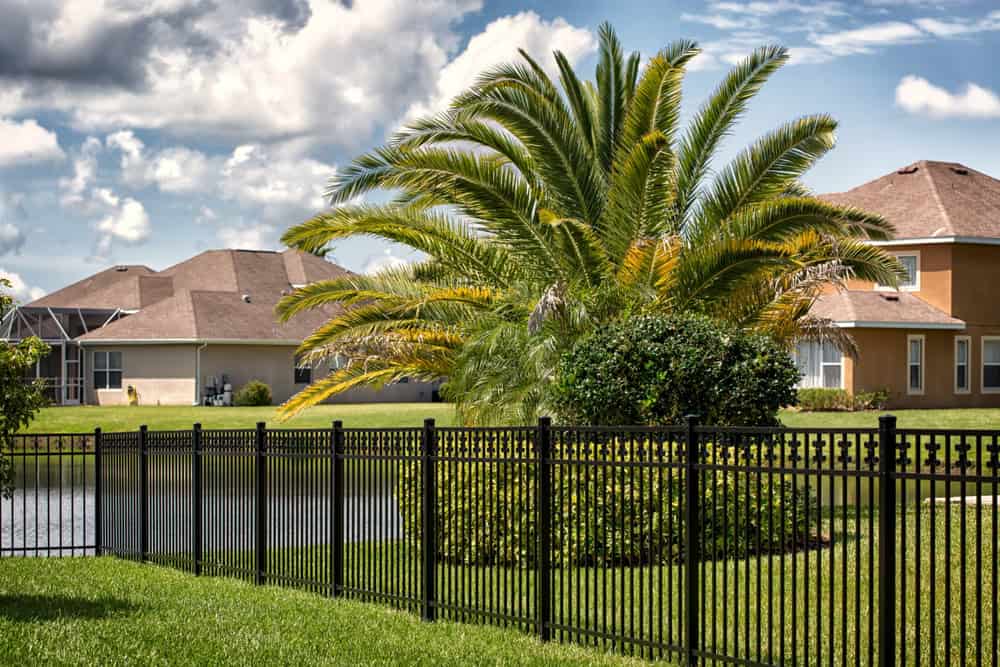
You get aluminum fencing with a factory-applied powder coat finish in black, white, or bronze. That coating is baked on, not painted, so it resists scratches and UV damage better than anything you’d apply yourself. We’re talking about up to 65 different style options, from simple picket designs to ornamental looks that mimic wrought iron without the maintenance headaches.
Every installation includes properly set posts that go deep enough to handle Florida’s sandy soil and high winds. Gates come with self-closing hinges and childproof latches if you need pool code compliance. For residential aluminum fence projects in Florida Center, FL, we make sure your fence meets local setback requirements and any HOA specifications before we dig the first hole.
Commercial properties get the same attention. If you need taller panels for security or specific spacing for visibility, we adjust the design. The aluminum won’t corrode from sprinkler systems or landscaping chemicals, which matters when you’ve got maintenance crews working around your fence line every week. And because aluminum fencing is recyclable, you’re not creating a disposal problem 50 years from now when someone finally replaces it.
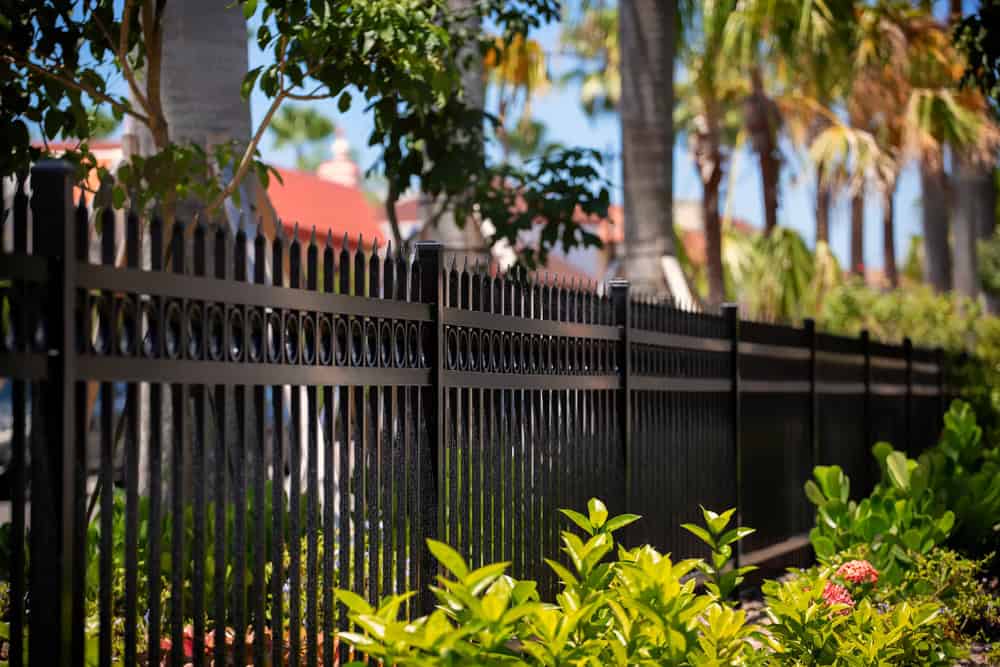
Aluminum fences regularly hit 50+ years in Florida if they’re installed correctly. The material doesn’t rust because it forms a protective oxide layer naturally, and the powder coating adds another barrier against salt air, humidity, and UV exposure.
Wood fences in Florida Center, FL might give you 15-20 years before they need serious repair or replacement. Aluminum keeps going. You’re not dealing with rot, termites, or the constant expansion and contraction that splits wood in our heat.
The main thing that kills fences here is improper installation. If posts aren’t set deep enough or concrete footings aren’t sized right for sandy soil, even aluminum will lean or fail in a hurricane. That’s why installation quality matters as much as the material itself.
Yes, when it’s designed and installed to code. Florida law requires pool barriers to be at least 48 inches tall with no gaps larger than 4 inches. Aluminum fencing handles this easily because you can order panels in the exact height you need.
Gates need self-closing hinges and latches that are out of reach for young kids. Most aluminum pool fence gates use a latch mounted 54 inches up, which meets the requirement. The fence also needs to provide a clear view of the pool area, and aluminum’s vertical picket design does that better than solid privacy fencing.
If you’re in an HOA, they might have additional requirements about color or style. We check those before installation so you don’t end up with a fence that’s code-compliant but violates your community rules. It’s easier to get it right the first time than to argue with your HOA later.
Aluminum weighs less, costs less, and doesn’t rust. Wrought iron is heavier, more expensive, and requires regular maintenance to prevent rust in Florida’s humidity. Both can look nearly identical from 10 feet away.
Wrought iron is stronger in terms of raw impact resistance, but aluminum is plenty strong for residential use. It flexes slightly in high winds instead of cracking, which actually helps it survive hurricanes better. Unless you’re trying to stop a vehicle, aluminum’s strength is more than adequate.
The maintenance difference is huge. Wrought iron needs inspection and touch-up paint every few years. Any chip in the paint lets moisture reach the metal, and then you’ve got rust spreading underneath. Aluminum’s powder coat finish is more durable, and even if it gets scratched, there’s no rust forming underneath because aluminum doesn’t corrode the same way.
Most residential aluminum fence projects in Florida Center, FL run between $25-$45 per linear foot installed, depending on height, style, and site conditions. A typical backyard fence of 150 linear feet lands somewhere between $3,750 and $6,750.
Pool fencing with code-compliant gates usually costs more because of the specialized hardware and additional labor for proper gate installation. If your property has challenging terrain, rocky soil, or requires extensive clearing, that adds to the cost. But aluminum generally costs less than wrought iron and comparable to quality vinyl fencing.
We give you transparent pricing upfront. No hidden fees for “disposal” or “travel” or other nonsense. You see the cost broken down by materials and labor, and that’s what you pay. If we run into something unexpected during installation, we talk to you before doing extra work that costs extra money.
Properly installed aluminum fencing survives hurricanes regularly. The key is proper installation—posts set in concrete footings that go below the frost line (or in Florida’s case, deep enough for soil stability), and panels attached with commercial-grade brackets.
Aluminum’s lighter weight actually helps during storms. It doesn’t catch wind the same way a solid privacy fence does, and the material flexes slightly under stress instead of snapping. We’ve seen aluminum fences still standing after storms that destroyed wood and vinyl fencing in the same neighborhood.
That said, no fence is completely hurricane-proof. If a tree falls on it or debris hits it at high speed, damage happens. But aluminum bends rather than shatters, so repairs are usually simpler than replacing entire sections of broken material. And because panels are modular, you can replace one damaged section without redoing the whole fence.
Usually yes, especially for pool fencing or fences over a certain height. Orange County requires permits for most fence installations, and Florida Center falls under those regulations. The permit process verifies that your fence meets setback requirements and doesn’t interfere with utility easements.
We handle the permit application as part of our installation service. It’s easier for us to do it because we know exactly what the county wants to see in the application, and we’ve got the documentation they require. Permits typically take 1-2 weeks to process, which is why there’s usually a gap between when you approve the project and when we start digging.
Skipping permits is a bad idea. If code enforcement notices, they can make you remove the fence and start over with proper permits. And if you try to sell your property later, unpermitted work can kill a sale or force you to fix it during closing. Better to do it right from the start.
Other Services we provide in Florida Center