Choosing the Right Fence for Your Property: Wood, Vinyl, or Aluminum?

Share:

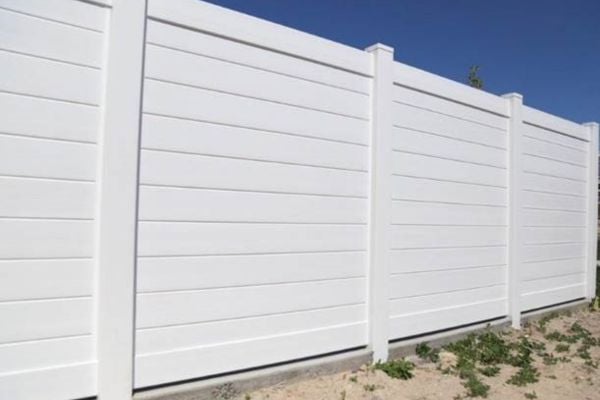
A white vinyl fence with horizontal panels and sturdy posts stands against a clear blue sky. The base of the fence is surrounded by sandy ground with sparse patches of grass.

Summary:

Central Florida homeowners, make a smart choice with your fence material. Pros and cons of wood, vinyl, and aluminum fences with Mossy Oak Fence .
Table of contents

Wood Fences: Timeless Beauty and Versatility

Wood fences have been a staple for centuries, offering natural beauty and lasting allure. They’re versatile, adaptable to various styles, and can be stained or painted to match your home’s exterior. Popular wood options include:

  • Cedar: Naturally resistant to rot and insects, known for its rich reddish hue.
  • Redwood: Durable and beautiful, with a distinctive reddish-brown color.
  • Pressure-treated pine: A budget-friendly option that’s been treated to resist rot and insects.
A tall wooden fence made of vertical planks supported by sturdy posts stretches across a grassy area. The fence is evenly built, displaying a natural wood texture and color, under a clear sky.

Pros of Wood Fences

  • Natural beauty: Wood fences blend with natural surroundings, adding warmth and character to your property.
  • Versatility: Can be customized with various styles, stains, and paint colors.
  • Cost-effective: Generally less expensive than other fence materials.
  • Repairable: Minor damage can often be repaired without replacing entire sections.

Cons of Wood Fences

  • Maintenance: Requires regular staining, painting, and sealing to prevent rot, decay, and insect damage.
  • Susceptibility to weather: Can warp, crack, or rot over time due to exposure to the elements.
  • Shorter lifespan: Compared to other materials, wood fences typically have a shorter lifespan.

Vinyl Fences: Low-Maintenance and Durable

Vinyl fences have gained respect due to their durability and low-maintenance upkeep and, in turn, costs. They’re resistant to rot, decay, and insects, and never need painting or staining. Vinyl fences come in a variety of styles and colors to add to your home.

A beige vinyl fence with lattice design on top runs parallel to a well-maintained green lawn. In the background, there are several houses partially visible under a blue sky with clouds.

Pros of Vinyl Fences

  • Low maintenance: Never needs painting or staining, just requires occasional cleaning.
  • Durability: Resistant to rot, decay, insects, and moisture damage.
  • Longevity: Typically lasts longer than wood fences.
  • Variety: Available in various styles, colors, and textures.

Cons of Vinyl Fences

  • Higher upfront cost: Typically more expensive than wood fences initially.
  • Limited color options: While the variety is increasing, color choices may be more limited than there are for wood.
  • Susceptibility to fading: Can fade over time due to sun exposure.
  • Difficult to repair: Damaged sections often require complete replacement.

Choosing the Right Fence for Your Central Florida Home

The best fence material for your Central Florida home depends on your priorities, budget, and aesthetic preferences. Evaluate the pros and cons of each option carefully. If you need help making a decision, contact Mossy Oak for guidance as well as help to install your desired product for lasting satisfaction.

Article details:

Share: