Summary:
Most homeowners don’t think much about fence contractors until they need one — and then suddenly there are a dozen names, wildly different quotes, and no clear way to tell who’s actually worth hiring. That’s frustrating, especially when you’re trying to make a smart decision for your property.
Central Florida adds its own wrinkles to this process. Hurricane codes, county permits, HOA rules, and a climate that’s hard on materials — these aren’t things you deal with the same way in Ohio or Georgia. We’ve been installing fences across this region since 2004, and the questions we hear most often come from homeowners who just want to get it right the first time. Here’s what we’d tell a neighbor.
What to Look for When Hiring a Fence Contractor in Florida
Licensing is the first thing to verify — not the last. Florida doesn’t issue a single statewide fence contractor license; instead, licensing is handled at the county level. That means a contractor can be fully legitimate in one county and completely unqualified to work in the next one over. If you’re in Lake County and your contractor is only licensed in Orange County, that’s a problem worth knowing about before the posts go in the ground.
Beyond licensing, you want to confirm they’re bonded and carry general liability insurance plus workers’ compensation. If someone gets hurt on your property and the contractor isn’t insured, you could be the one holding the bill. Ask for documentation — not just a yes.
Why Multi-County Licensing Actually Matters in Central Florida
Central Florida isn’t one jurisdiction — it’s nine counties with their own permit systems, building departments, and code requirements. Orange County uses an online Fast Track system for fence permits. Lake County has its own process. Seminole, Brevard, Osceola, Polk, Volusia, Sumter, and Marion all operate differently. A contractor who works across all of them has navigated every one of those systems. One who mostly works in a single county hasn’t.
This matters more than it sounds. Permit errors cause delays. Unpermitted work can trigger code enforcement, create headaches when you sell your home, and in some cases void your homeowner’s insurance coverage for storm-related damage. In a region that sees active hurricane seasons, that last point isn’t a minor technicality.
We hold licensure, bonding, and insurance across all nine counties we serve. That’s not something we say to pad a bio — it’s the baseline that makes every project we take on legally protected and permit-eligible from day one. When you’re comparing contractors, ask each one specifically which counties they’re licensed in. The answer will tell you a lot.
One more thing worth knowing: Florida HB 1383, which took effect in July 2024, preserved the right of local governments to enforce fencing license requirements that were in place before January 2021. So county-level licensing requirements are still very much active and enforceable. A contractor who waves this off or seems unclear on it is worth approaching with caution.
How to Compare Fence Estimates Without Getting Burned
When a quote doesn’t specify post size, concrete depth, board dimensions, or material grade, there’s room for the final number to drift in ways that feel like surprises but were technically always there in the fine print.
A written estimate worth trusting spells out the scope of work, the specific materials being used, the payment schedule, and a realistic timeline. If a contractor gives you a one-line total with no breakdown, that’s not a quote — it’s a starting point for negotiation that rarely ends in your favor.
Material quality is another place where estimates can look similar on paper but be very different in practice. We source wood from the largest, highest-quality wood mill in Florida — one that only sells to high-volume contractors. Homeowners who’ve compared us side-by-side with other fencing companies have noticed that competitors often use narrower boards, thinner panels, and smaller posts at similar price points. The difference isn’t always visible in an estimate. It shows up in how the fence looks and performs three years later.
When you’re reviewing quotes, ask each contractor what size posts they’re using, how deep they’ll be set, and what specific product line the fencing material comes from. If they can’t answer those questions confidently, that tells you something. A contractor who knows their materials can talk about them plainly. One who doesn’t will tend to change the subject.
Fence Installation in Central Florida: What the Climate Demands
Florida is genuinely harder on fences than most of the country. The combination of subtropical humidity, intense UV exposure, 50-plus inches of annual rainfall, and an active hurricane season creates conditions that punish materials and installations that would hold up fine somewhere else.
This is part of why we relocated from Atlanta to Central Florida in 2004 specifically. We saw that homeowners here needed contractors who understood what the climate actually requires — not just general fence experience, but knowledge of hurricane wind load codes, proper post depth in sandy soil, and which materials can realistically survive a Florida summer year after year.

Which Fence Materials Actually Hold Up in Florida's Weather
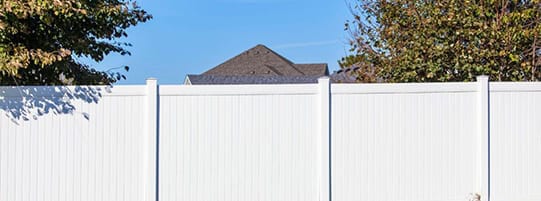
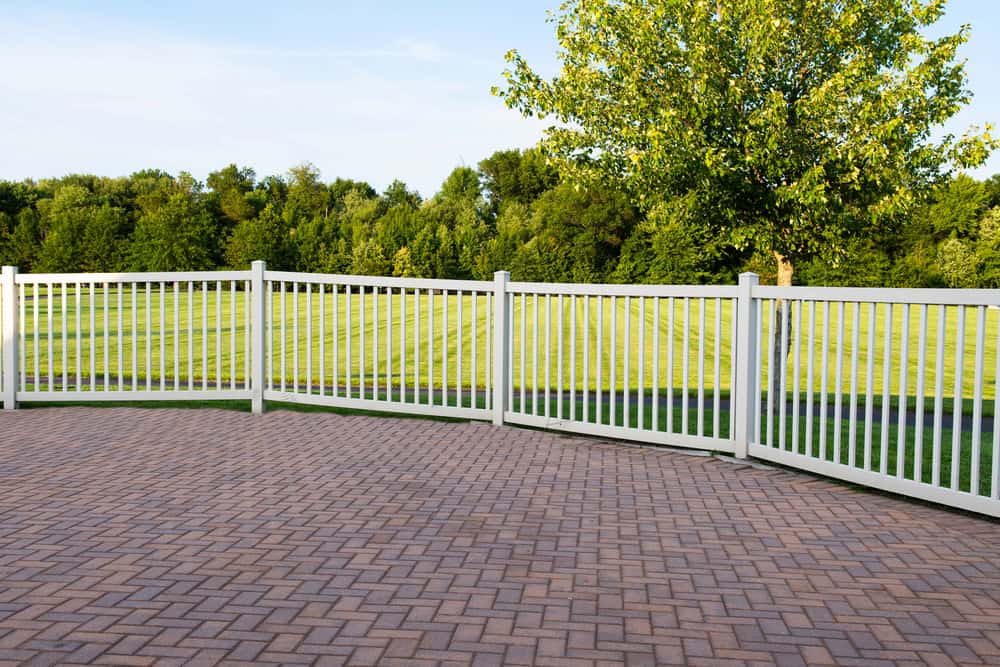
The honest answer is that it depends on what you’re optimizing for. Vinyl is one of the strongest performers in Central Florida’s climate — it doesn’t rot, doesn’t absorb moisture, and properly engineered vinyl can withstand serious wind loads. It’s also low maintenance, which matters when you’re living in a place that gets afternoon thunderstorms from June through September.
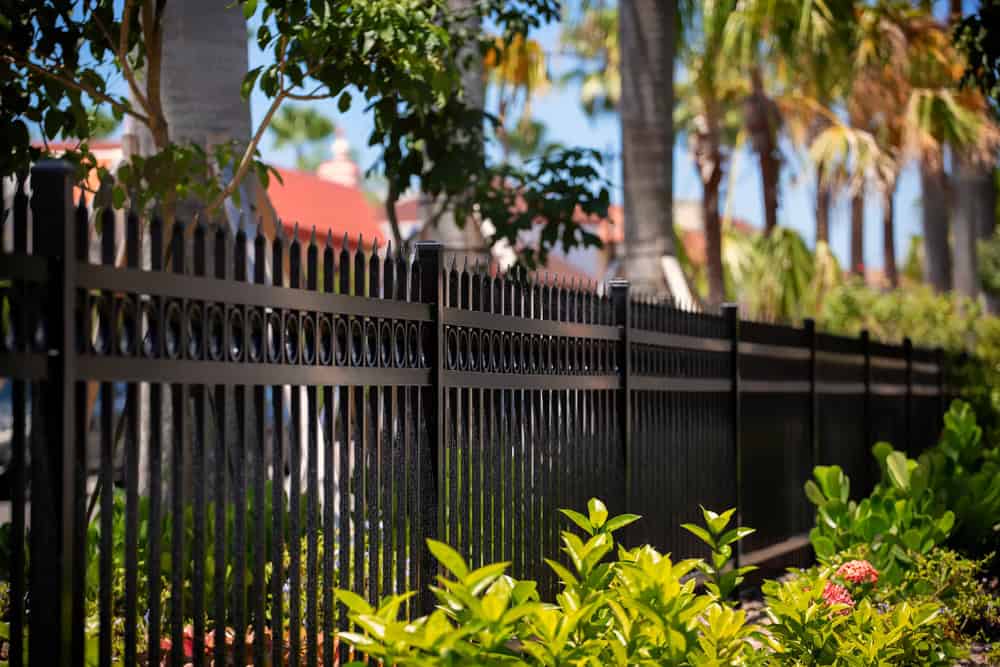
Aluminum holds up well too, particularly in coastal areas like Brevard and Volusia counties where salt air accelerates corrosion in other metals. Powder-coated aluminum resists rust and handles UV exposure without fading the way cheaper finishes do.
Wood is a different conversation. A quality wood fence built with the right materials can last 15 to 20 years in Central Florida, but that assumes proper installation, the right species, and regular maintenance. Pine fences tend to have a shorter lifespan — closer to 10 to 15 years — especially if they weren’t treated or sealed correctly from the start. The humidity here is relentless, and wood that performs well in a drier climate will behave differently when it’s cycling through wet seasons year after year. That’s not a reason to avoid wood entirely, but it is a reason to go in with realistic expectations and make sure your contractor is using fence-grade lumber, not construction-grade material that was never meant to live outdoors.
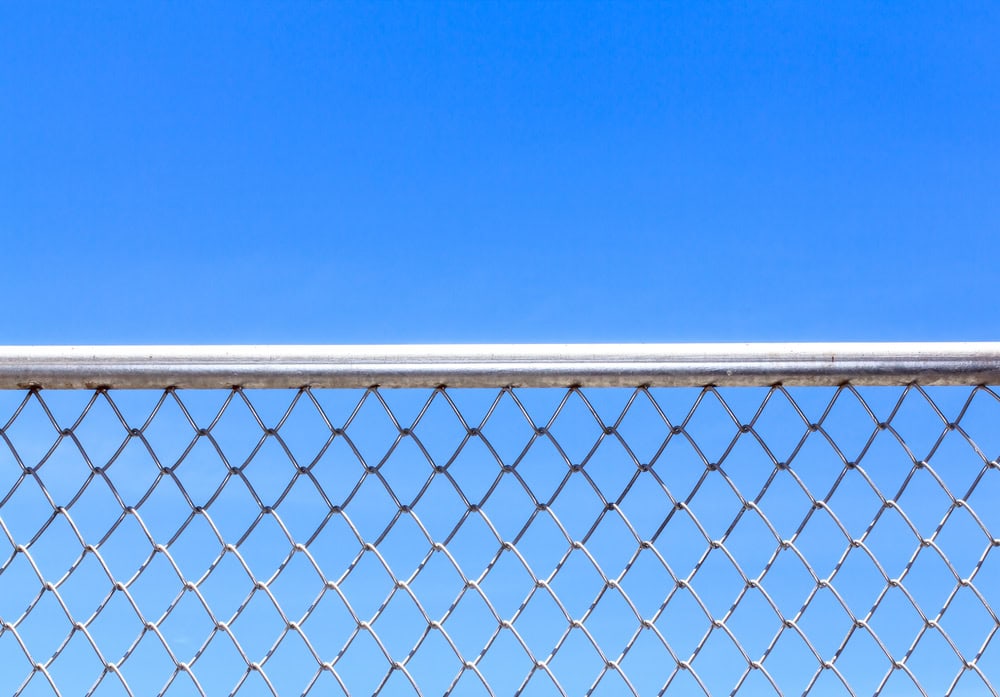
Chain link, horse fencing, and estate gate systems each have their own set of considerations depending on the property type. We serve everything from suburban backyards in Oviedo and Winter Garden to equestrian properties in Marion County’s Ocala region and active adult communities in Sumter County near The Villages. The right material for a horse farm in Ocala is not the same as the right material for a privacy fence in a Clermont subdivision — and a contractor who treats every project the same probably hasn’t done enough of them.
HOA Approval and Permits: What Central Florida Homeowners Need to Know
A large percentage of homeowners across Lake, Orange, Osceola, and Seminole counties live in HOA communities — and HOA rules about fence height, materials, colors, and placement are enforceable. Installing a fence that doesn’t meet your HOA’s architectural guidelines can result in a required removal at your expense. That’s an outcome worth avoiding, and it starts with knowing what your HOA allows before a single post is ordered.
A good fence contractor doesn’t leave this step to you. We ask about your HOA upfront, help you understand what’s permissible, and can guide you through the submission process. If a contractor brushes past this question or tells you it’s your problem to figure out, that’s useful information about how the rest of the project will go.
Permits are equally non-negotiable. Most Central Florida jurisdictions require a permit for residential fence installation, and the process varies by county. In Orange County, permit applications go through the Fast Track online system and require a dimensioned site plan or property survey. Other counties have different requirements. A reputable contractor pulls the permit in their own name — not yours. If someone asks you to pull your own permit, that’s a red flag that they may not be properly licensed in your jurisdiction.
Before any post goes in the ground, Florida law also requires that underground utilities be marked through the 811 “Call Before You Dig” service. This is standard practice for any licensed contractor and a step that unlicensed operators frequently skip — which creates real safety hazards and potential liability. It’s worth asking about directly.
We handle permits, utility marking, and HOA guidance as part of every project. The goal is that you don’t have to become an expert in Orange County’s building department or your HOA’s architectural review process just to get a fence installed.
Ready to Hire a Fence Contractor in Central Florida? Here's Where to Start
The short version: verify licensing by county, ask for a written estimate that actually breaks down materials and scope, understand what your HOA allows, and make sure permits are being pulled in the contractor’s name. These aren’t complicated steps, but skipping any one of them is where most fence projects go sideways.
Central Florida’s climate, permit landscape, and HOA environment make this market genuinely different from others — and the contractor you hire should be able to speak to those specifics, not just offer a generic pitch about quality and service.
We’ve been doing this work in this region since 2004, and we’re licensed, bonded, and insured across all nine counties we serve. If you’re ready to talk through your project — whether it’s a new installation, a repair, or a full replacement — Mossy Oak Fence LLC is here to give you a straight answer and a transparent estimate with no surprises attached.