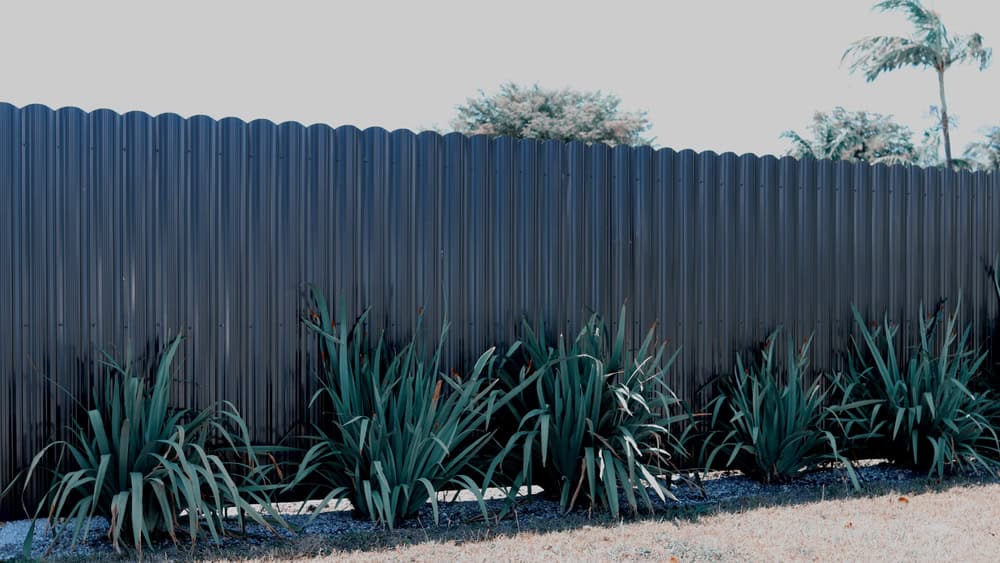
You get a fence that frames your property without falling apart when Florida decides to throw humidity, salt air, and the occasional hurricane your way. Aluminum doesn’t rust, doesn’t need repainting every few years, and doesn’t warp when the sun beats down on it all summer.
Most homeowners rinse it off with a garden hose a few times a year and call it done. That’s the maintenance schedule. No scraping, no staining, no wondering if this is the year it finally gives out.
If you’re putting in a pool, aluminum fencing in Airport North meets Florida’s pool code requirements when it’s built to the right height and spacing. It’s one of those rare upgrades that checks the boxes for safety, durability, and curb appeal at the same time. And if you ever sell, a lifetime transferable warranty goes with the fence—which means the next owner gets the same coverage you did.
We’ve been working across Central Florida since before aluminum fencing became the go-to for homeowners who wanted something that actually lasts. We’re licensed, bonded, and insured in Florida, which matters more than it sounds like it should when you’re hiring someone to dig post holes on your property.
We serve nine counties, including the Airport North area, and we’ve seen what works and what doesn’t in this climate. Our installations typically take one to three days depending on your property size and layout. We use thicker aluminum panels and rails than most companies stock, and everything comes with a lifetime warranty.
You’re not getting the cheapest fence on the market. You’re getting one that won’t need replacing in ten years, won’t rust out near your sprinkler system, and won’t turn into a weekend project every spring.
First, we walk your property and talk through what you’re trying to accomplish—whether that’s pool code compliance, a perimeter fence, or something decorative that still holds up in wind. We measure, check for utilities, and go over design options that fit your home’s style.
Once you approve the plan, we handle the permit process. In most Florida cities, you need a permit before installation, and if you’re in an HOA, we make sure the design meets their guidelines before we start digging.
Installation day, we set the posts, level everything, and install the rails and pickets. Our powder-coated aluminum resists scratches and fading, so the finish you see on day one is the finish you’ll have years from now. We clean up when we’re done, walk the fence line with you, and make sure you’re clear on care instructions—which, again, mostly involves hosing it down occasionally.
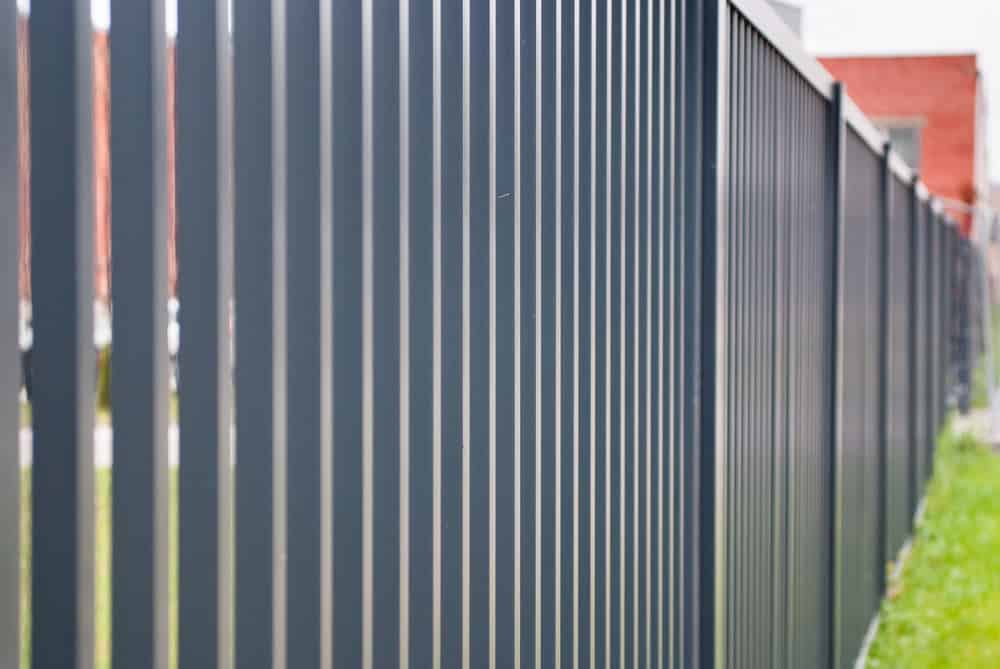
Ready to get started?
Every residential aluminum fence we install in Airport North uses factory-applied powder coating that’s built to handle Florida’s weather. That coating resists color fade, holds up against salt air if you’re near the coast, and doesn’t chip easily when your lawnmower gets a little too close.
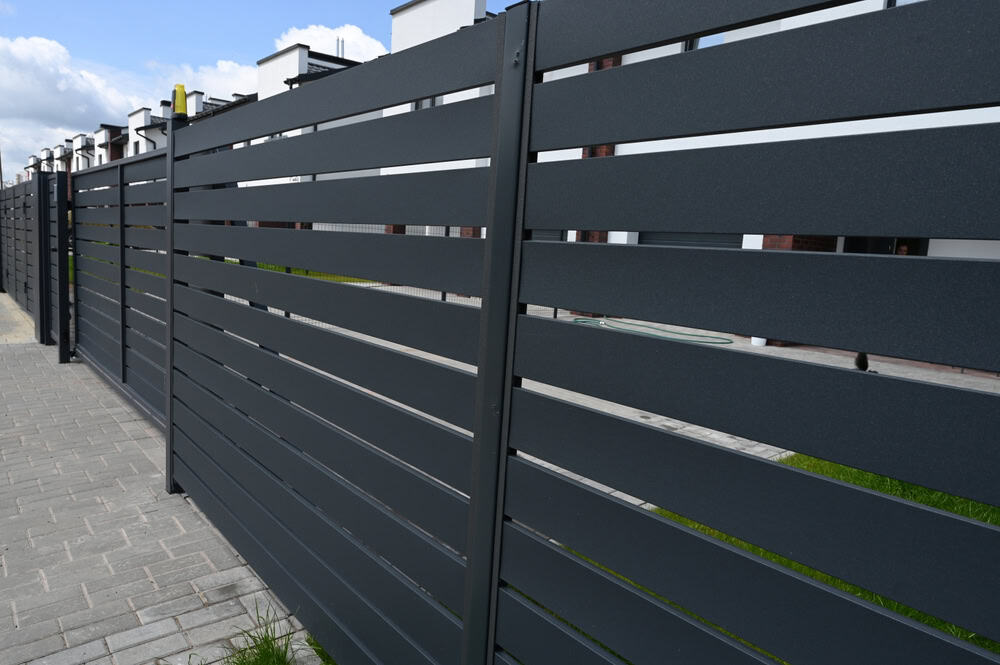
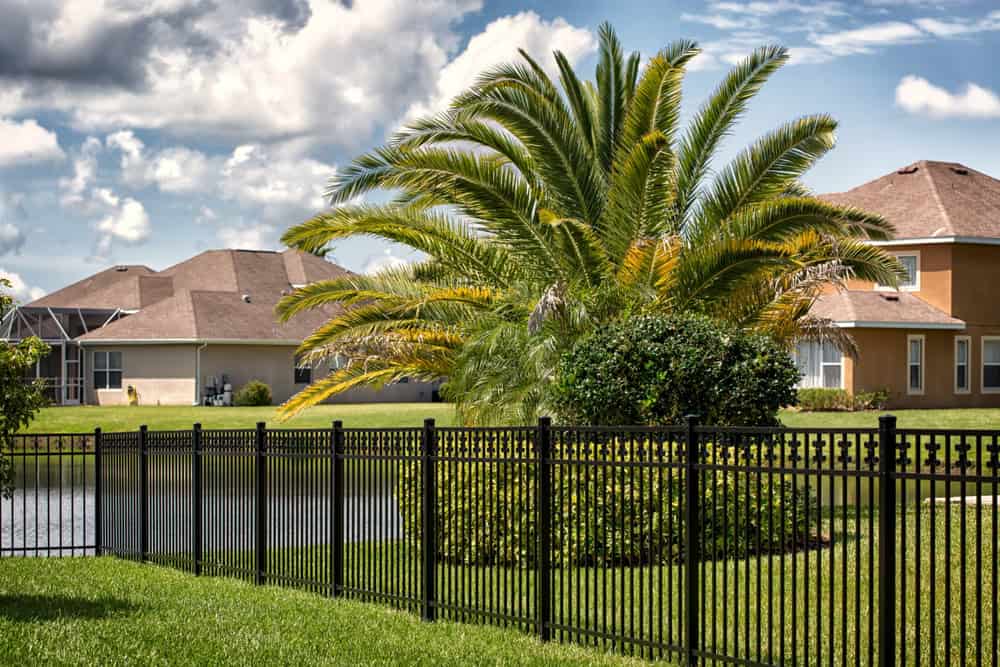
You get a range of styles—traditional picket, ornamental designs that mimic wrought iron, or modern horizontal rails if that’s more your speed. Heights vary depending on what you need. Pool fences typically go 48 inches or higher to meet code. Perimeter fences can go taller if you want more of a boundary or security feel.
The aluminum itself is made in the USA and comes with a lifetime warranty on the panels, rails, and post caps. We also offer financing for projects between two thousand and fifteen thousand dollars, with zero percent interest if you pay it off in twelve months. That makes it easier to get the fence installed now instead of waiting until you’ve saved the full amount.
If you’re comparing options, aluminum gives you the decorative look of wrought iron without the ongoing maintenance. It’s more durable than wood, doesn’t rot like vinyl can in certain conditions, and it’s fully recyclable if that matters to you.
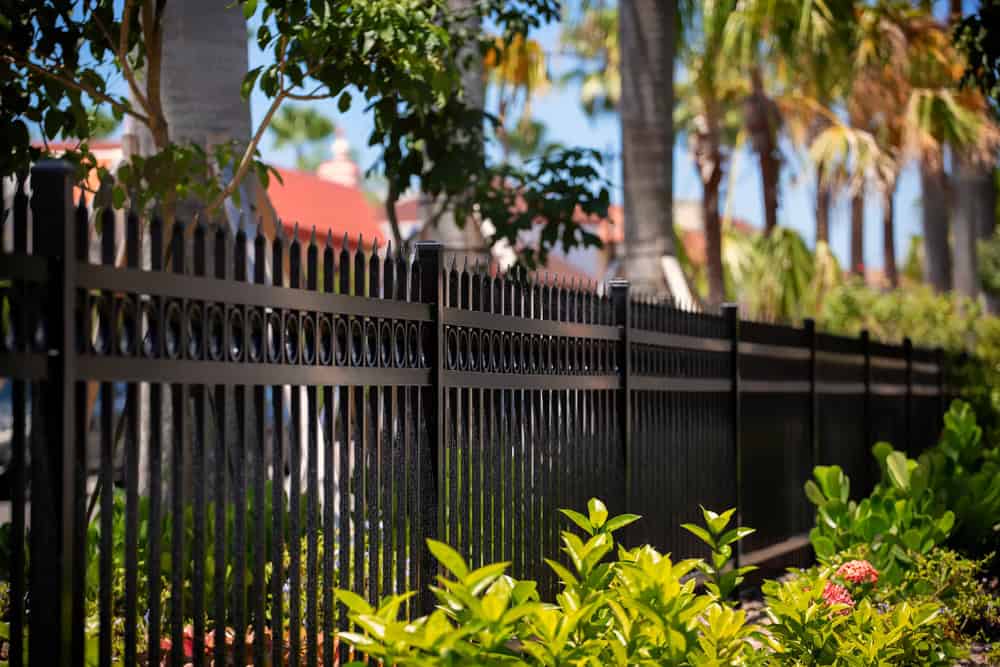
Aluminum fences last fifty years or longer when they’re installed correctly and maintained minimally. The material doesn’t rust, which is the main reason it outlasts steel or wrought iron in Florida’s humid, salty environment.
The powder coating protects the aluminum from oxidation and UV damage. As long as you rinse off dirt and lawn chemicals a few times a year, the fence holds its finish and structure. Most of the aluminum fences we installed twenty years ago in Central Florida still look sharp.
If you use well water for irrigation, you might see some mineral staining over time. That’s not the fence deteriorating—it’s just deposits from the water. A gentle cleaner usually takes care of it.
Yes, as long as it’s built to Florida’s pool code requirements. The state requires a minimum 48-inch barrier height for private pools, and the spacing between pickets has to be narrow enough that a young child can’t squeeze through.
Aluminum is one of the most common materials for pool fencing because it doesn’t rust or corrode when it’s constantly exposed to pool chemicals and splashing water. It also doesn’t block sightlines the way a solid privacy fence would, so you can keep an eye on the pool area from your house or patio.
We design and install pool fences in Airport North that meet local code and HOA guidelines if applicable. The permitting process usually takes a week or two, and installation typically happens in one to two days depending on the perimeter size.
Almost none. You rinse it with a garden hose a few times a year to remove dirt, pollen, and any lawn chemicals that might have splashed onto it. That’s about it.
Aluminum doesn’t need repainting, restaining, or sealing. The powder coating is baked on at the factory, so it’s not something that wears off after a few seasons. It’s scratch-resistant and holds color even under Florida’s intense sun.
The main thing to avoid is letting dirt sit on the fence for months at a time, especially if that dirt has fertilizer or pesticides in it. Those chemicals can accelerate oxidation if they’re left in contact with the metal. A quick rinse every few months prevents that.
Most residential aluminum fence installations in Airport North run between twenty-five and forty-five dollars per linear foot. For a hundred feet of fencing, you’re looking at twenty-five hundred to forty-five hundred dollars in materials and labor, though that can shift depending on the style, height, and site conditions.
Thicker, commercial-grade aluminum costs more than standard residential panels. Ornamental designs with decorative finials or arched tops also add to the price. If your property has slopes, rocky soil, or requires extra gate hardware, that affects the total.
We offer financing for projects between two thousand and fifteen thousand dollars. You can pay over twelve months with zero percent interest, which spreads the cost out without adding fees. That makes it easier to move forward now instead of waiting to save the full amount.
Aluminum fencing holds up better in high winds than most people expect because of how it’s designed. The pickets are spaced apart, so wind passes through instead of hitting a solid surface. That reduces the pressure on the posts and prevents the fence from acting like a sail.
The powder coating protects against corrosion from salt air, which is a bigger long-term concern in coastal areas near Airport North. Aluminum doesn’t rust, so even after a storm brings in saltwater spray, the fence doesn’t deteriorate the way steel or iron would.
Post installation matters. We set posts in concrete and make sure they’re deep enough to handle Florida’s sandy soil conditions. A well-installed aluminum fence can take a beating from storms and still be standing when you’re cleaning up the yard afterward.
Yes, most cities in Florida require a permit before you install any fence, including aluminum. The permit process makes sure your fence meets local building codes, setback requirements, and height restrictions.
If you’re in a homeowners association, you’ll also need HOA approval before installation. Some HOAs have specific rules about fence styles, colors, or heights. We help you navigate both the permit process and HOA guidelines so there aren’t any surprises halfway through the project.
Permit approval usually takes one to three weeks depending on your city’s workload. We handle the paperwork and coordinate inspections so you don’t have to track down forms or wait in line at the building department. Once the permit’s approved, we schedule installation.