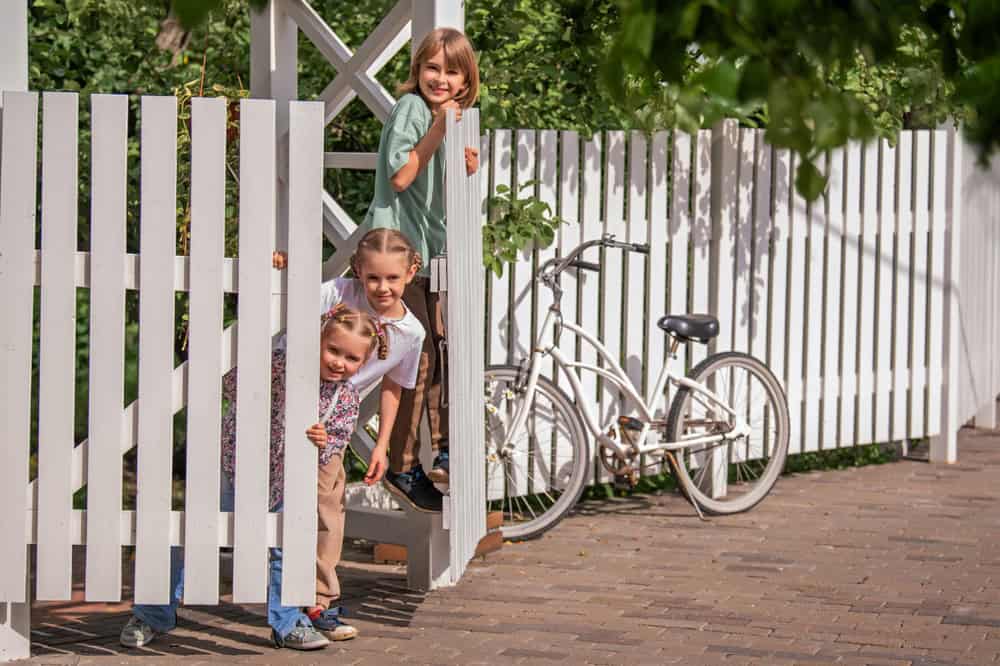
You’re not just getting a fence. You’re getting a barrier that keeps your kids and pets safe, blocks out noise and nosy neighbors, and holds up against Florida’s humidity, wind, and sun without constant maintenance.
Most fences installed in Central Florida fail within a few years because contractors cut corners on materials or don’t account for our climate. You end up dealing with rotting posts, sagging panels, or faded vinyl that looks cheap.
When your fence is installed with the right materials and proper technique, you stop worrying about repairs. Your property looks better, feels more secure, and you’re not calling someone back out every year to fix what should’ve been done right from the start.
We serve Airport North, FL and the surrounding Central Florida communities with residential and commercial fence installation, repair, and replacement. We’re licensed, insured, and we actually show up when we say we will.
We know what works in this climate because we’ve seen what fails. Florida’s weather destroys fences that weren’t built to handle it—constant moisture, hurricane-force winds, and UV exposure that breaks down cheap materials in months.
That’s why we use top-grade wood, vinyl, and aluminum designed for Central Florida conditions. Our installation team has worked across Lake, Orange, Seminole, and surrounding counties, so we understand local regulations, HOA requirements, and property line issues that come up in Airport North neighborhoods.
You reach out, and we schedule a time to walk your property. We measure, discuss what you’re looking for, and go over material options that fit your budget and needs. No pressure, no upselling—just straight answers about what will work and what won’t.
Once you approve the estimate, we handle permits and HOA approvals if needed. We’ve dealt with every county office and neighborhood association in the area, so we know exactly what paperwork to file and how long it takes.
Installation day, our crew shows up on time with all materials and equipment. We mark property lines, set posts to proper depth for Florida soil conditions, and install panels that are level and secure. Most residential projects finish in one to three days depending on size.
After installation, we walk the fence line with you to make sure everything meets your expectations. You get warranty information, care instructions, and a direct contact if anything comes up down the road.
Ready to get started?
We install wood, vinyl, aluminum, chain link, and specialty fencing like horse fencing and estate gates across Airport North, FL. Each material has specific advantages depending on what you need—privacy, security, curb appeal, or low maintenance.
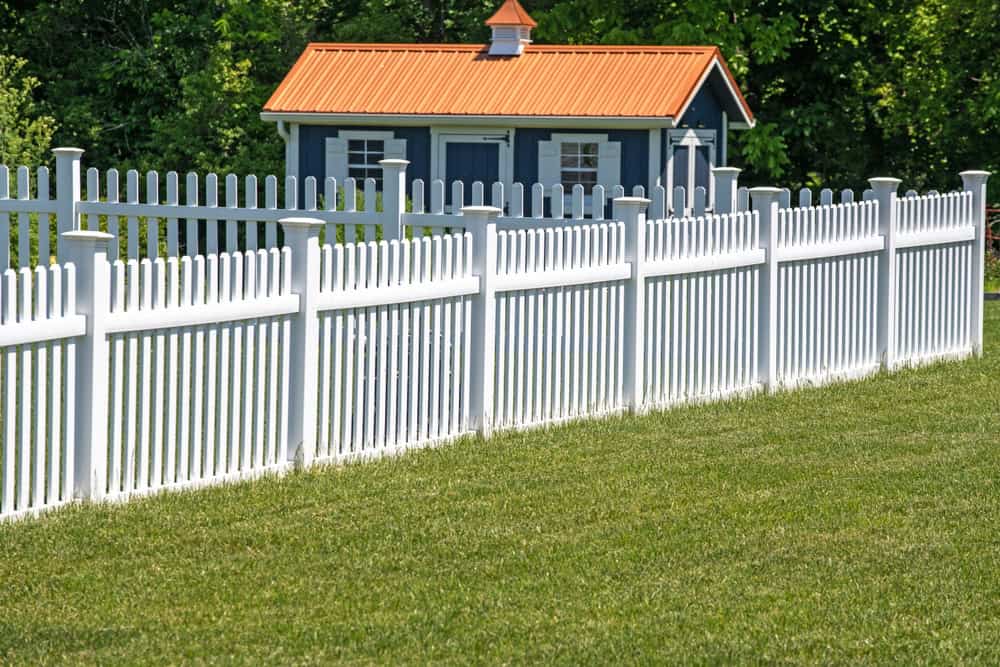
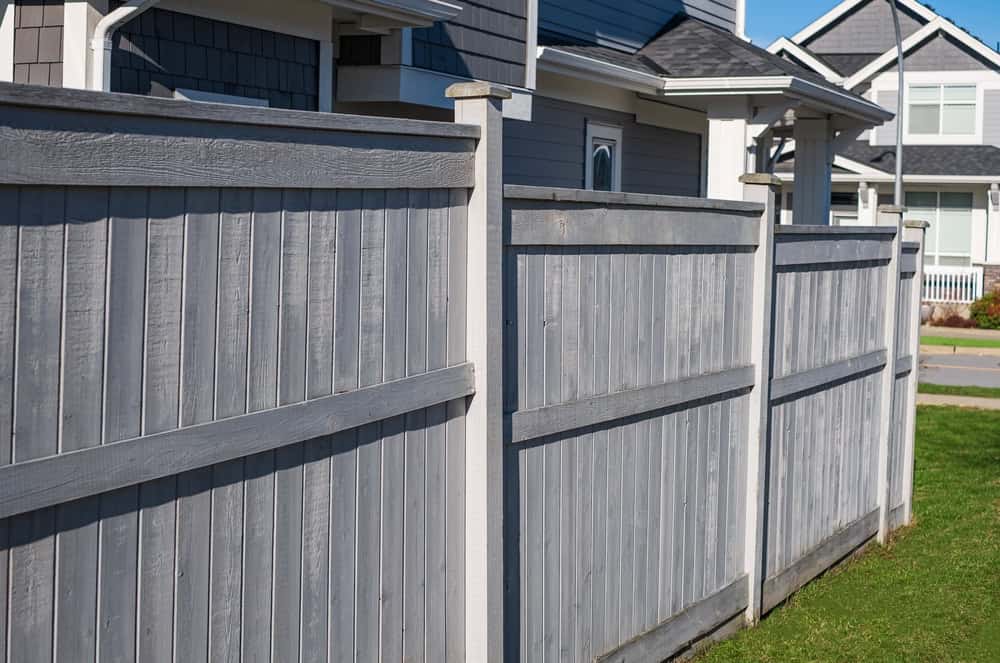
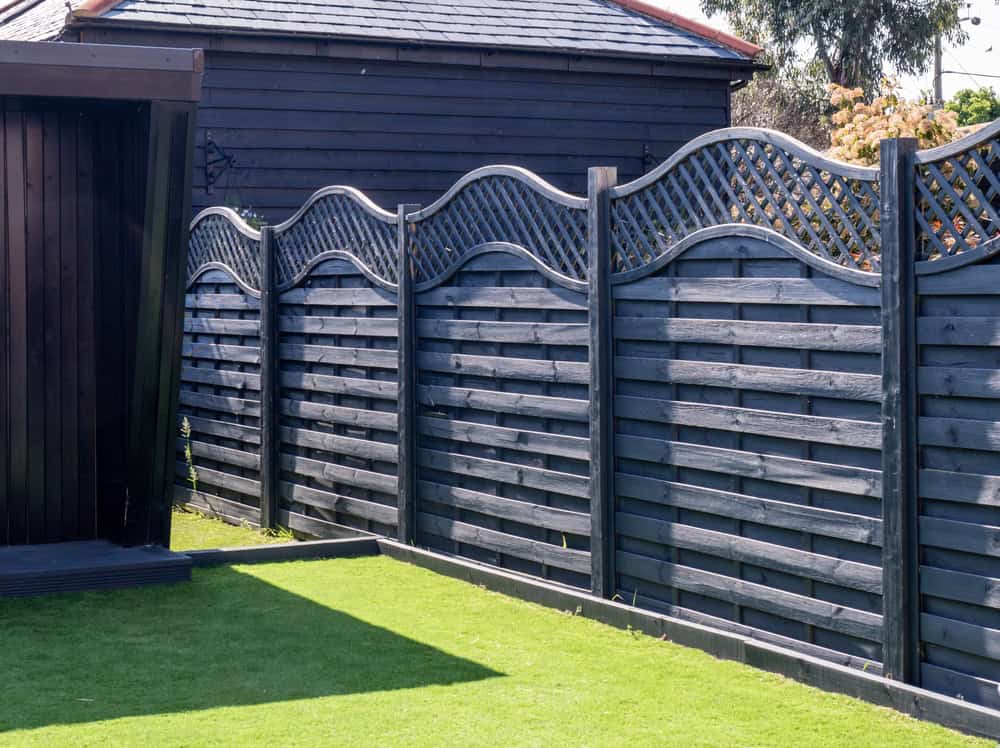
Wood fencing gives you classic looks and full privacy, but it requires treatment to handle Florida humidity. We use pressure-treated lumber and proper sealing to extend lifespan. Vinyl offers the same privacy without the upkeep—it won’t rot, warp, or need painting, and it holds up better in direct sun and saltwater areas.
Aluminum works well for decorative or pool fencing where you need durability without blocking sightlines. Chain link is the most budget-friendly option for large areas or commercial properties where security matters more than aesthetics.
Airport North sits in a high-growth area of Central Florida, which means new construction, expanding neighborhoods, and strict HOA rules. We’re familiar with local requirements around fence height, setback distances, and approved materials. If you’re near Orlando Sanford International Airport, we also know noise ordinances and privacy concerns that affect fence planning in this area.

Yes, most fence installations in Airport North require a permit through Seminole County or the local municipality, depending on your exact location. The permit process ensures your fence meets setback requirements, height restrictions, and doesn’t interfere with utility easements.
We handle permit applications as part of our service. The county typically requires a property survey, site plan, and proof that you’ve notified adjacent property owners. Processing time runs about two to three weeks, though it can be faster if there are no complications.
If you live in an HOA community, you’ll also need approval from your homeowners association before applying for the county permit. Some HOAs have strict rules about fence materials, colors, and styles. We’ve worked with most associations in the area and can guide you through their specific requirements to avoid delays or rejections.
Vinyl and aluminum fences perform best in Florida’s climate because they don’t rot, rust, or require regular maintenance. Vinyl won’t warp in humidity, fade in constant sun exposure, or get damaged by saltwater if you’re near the coast. Aluminum resists corrosion and handles high winds better than wood.
Wood fencing can last in Florida, but only if it’s pressure-treated and properly sealed. Even then, you’ll need to reapply sealant every few years and watch for signs of rot or termite damage. Cedar and redwood hold up better than pine, but they cost more upfront.
Chain link is extremely durable in Florida weather, but it doesn’t offer privacy. If you’re installing a fence primarily for security or to contain pets, chain link works well and requires almost no maintenance. For privacy and aesthetics, vinyl is your best long-term investment—it costs more initially but saves you money on repairs and upkeep over the fence’s lifespan.
Get a current property survey before installation. Your survey shows exact boundary lines, easements, and setback requirements. If you don’t have a recent survey, hire a licensed surveyor—it costs a few hundred dollars but prevents expensive mistakes.
We always verify property lines before we dig. If your survey is outdated or unclear, we’ll recommend getting a new one. Installing a fence even a few inches over the line can lead to legal disputes, forced removal, and damaged neighbor relationships.
Seminole County requires fences to be set back a certain distance from property lines depending on your zoning. In most residential areas, that’s at least a few inches to a few feet. We factor in these setbacks during planning so your fence stays compliant and avoids future issues with the county or your neighbors.
Most residential fence installations in Airport North, FL take one to three days once permits are approved and materials arrive. A standard backyard privacy fence for an average-sized lot usually finishes in one or two days. Larger properties, complex layouts, or projects that include gates take longer.
Weather can delay installation, especially during Florida’s rainy season from June through September. We don’t set posts in saturated soil because it compromises stability. If heavy rain is forecasted, we’ll reschedule rather than rush a job that won’t hold up.
The permit approval process adds time before installation starts—typically two to three weeks. If you’re in an HOA, add another week or two for their review. We keep you updated throughout and schedule installation as soon as all approvals come through and weather cooperates.
Vinyl costs about 30 to 50 percent more than wood upfront, but it saves you money over time because it doesn’t need staining, sealing, or repairs. A standard wood privacy fence in Airport North runs around $15 to $30 per linear foot installed, while vinyl runs $25 to $40 per linear foot.
Wood requires maintenance every two to three years—pressure washing, staining, and sealing to prevent rot and weather damage. Over a 20-year period, you’ll spend several thousand dollars on upkeep. Vinyl needs occasional cleaning with soap and water, and that’s it.
If you’re planning to stay in your home long-term, vinyl makes financial sense. If you’re selling soon or working with a tight budget, wood gives you a quality fence at a lower initial cost. Both options increase property value in Airport North, where privacy fencing is common and expected in most neighborhoods.
It depends on the extent of damage and the fence’s overall condition. If you have a few broken boards, a leaning post, or a damaged gate, repairs usually make sense. If more than 30 percent of your fence is damaged, rotted, or failing, replacement is more cost-effective.
We assess the fence structure during our initial visit. Wood fences often have isolated damage—a rotted post here, a broken panel there—that we can repair without replacing the entire fence. Vinyl and aluminum typically fail at connection points or from impact damage, which is also repairable in most cases.
Hurricane damage is common in Central Florida, and sometimes a fence that looks totaled can be salvaged. We’ll give you honest feedback about what’s worth fixing and what needs to be replaced. If your fence is over 15 years old and showing multiple issues, replacement usually gives you better long-term value than pouring money into ongoing repairs.