You’re done repainting every few years. Done worrying about rust eating through your fence after one humid summer. Done replacing rotted posts or warped panels.
Aluminum fencing gives you 50+ years of protection without asking for anything in return. No sealing. No staining. No rust treatment. Just an occasional rinse with the hose when you feel like it.
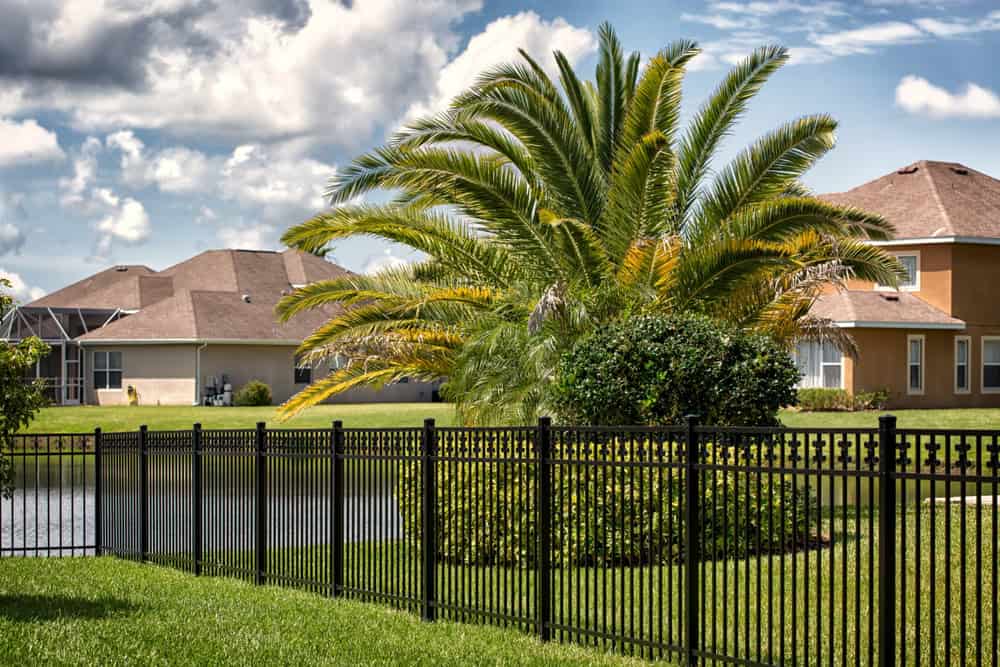
It handles hurricanes better than most materials because the pickets let wind pass through instead of turning your fence into a sail. It meets Florida pool code when installed correctly. And it looks like wrought iron without the price tag or the maintenance headaches.
Your property value goes up. Your weekend to-do list gets shorter. And you stop wondering when the next repair bill is coming.
We’ve been serving Dover Estates and the surrounding Central Florida communities for over 20 years. We’re licensed (CGC1521677), we know the local building codes, and we understand what Florida weather does to fencing materials.
We’ve seen what happens when fences aren’t installed correctly in sandy soil. We know how deep posts need to go and why concrete matters in hurricane-prone areas. We source American-made aluminum products because quality actually matters when you’re investing in something that’s supposed to last half a century.
You’re not getting a crew that learned fencing last month. You’re getting installers who’ve worked through Florida summers, dealt with HOA requirements across nine counties, and know the difference between a fence that looks good at installation and one that still looks good 20 years later.
First, we come out to your property in Dover Estates and take actual measurements. We talk about what you need – pool safety, privacy, keeping the dog in, curb appeal, whatever matters to you. We check for any site-specific challenges like underground utilities or drainage issues.
Then we give you a transparent estimate. No hidden costs. No surprise fees when we’re halfway done. You know exactly what you’re paying for materials, labor, and any permit assistance you might need.
Once you approve, we handle the permits and schedule installation. Most residential aluminum fences go up in one to three days depending on your property size. We dig deep enough for Florida’s sandy soil, set posts in concrete for hurricane stability, and make sure everything meets local code requirements.
After installation, you get a limited lifetime warranty on the fence itself. And that’s it – you’re done. No follow-up maintenance schedule. No annual treatments. Just a fence that does its job for decades.
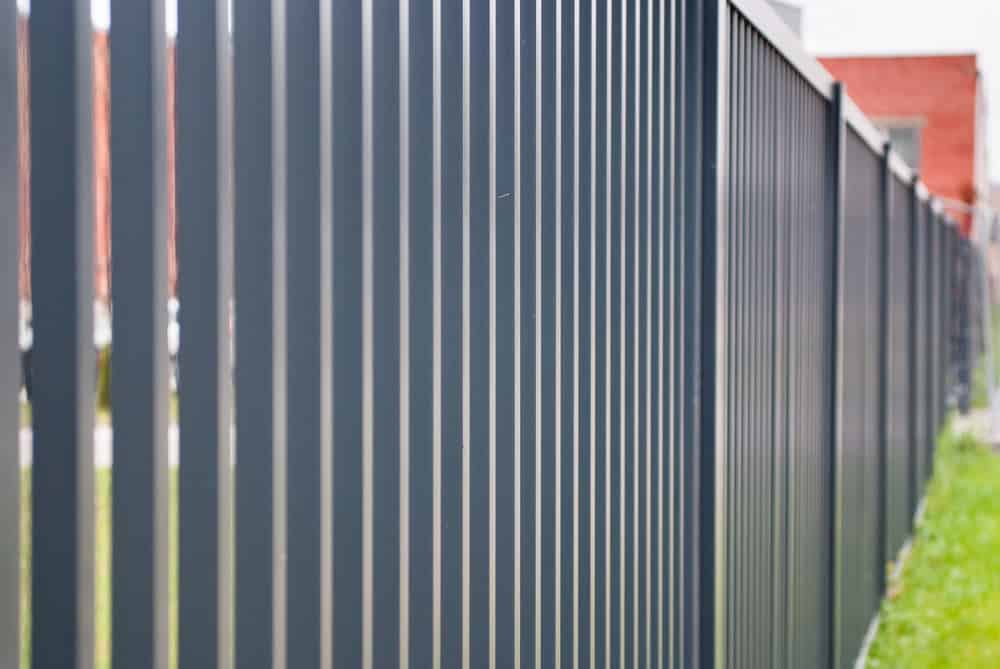
Ready to get started?
You get powder-coated aluminum that’s specifically designed to handle Florida’s salt air, humidity, and UV exposure. The coating isn’t just for looks – it’s additional protection against the elements that destroy other materials.
Your fence comes with professional installation that accounts for Dover Estates’ specific soil conditions. We’re not just dropping posts in the ground and hoping they stay put. We’re setting them deep, using concrete, and building for wind loads that meet Florida Building Code.
If you need pool fencing, we make sure it complies with barrier height requirements and gate specifications. If you’re dealing with HOA guidelines, we help navigate those restrictions before installation starts.
You also get options. Different heights, styles that range from simple to ornamental, colors that match your home’s exterior. This isn’t one-size-fits-all fencing – it’s customized to what your property actually needs while staying within the budget you set.
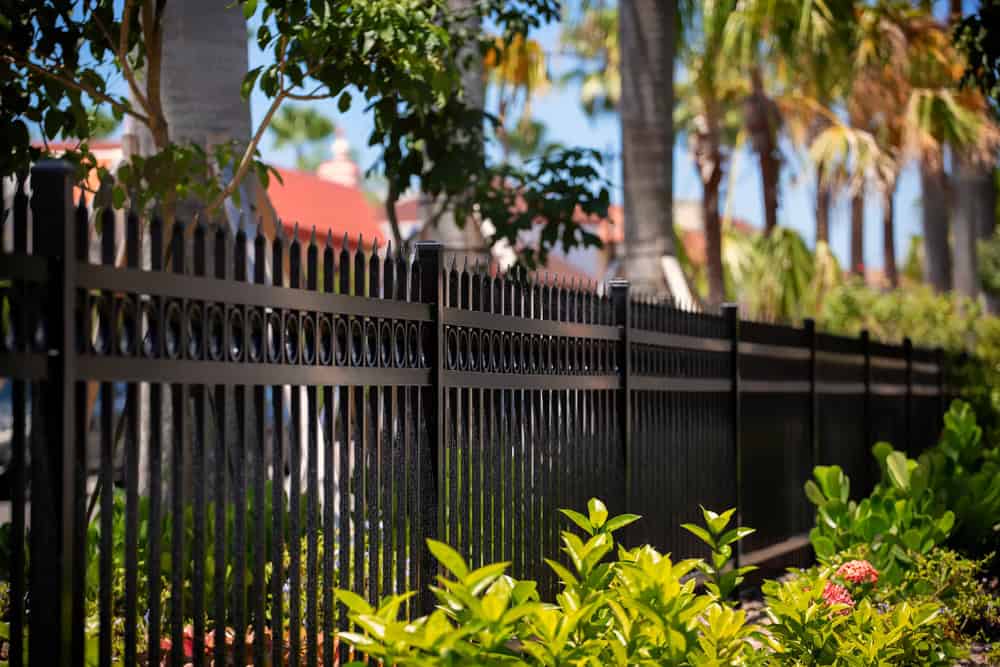
Properly installed aluminum fencing lasts 50 years or more in Florida, even with the humidity, salt air, and hurricane-force winds we deal with regularly. That’s not marketing talk – that’s what the material does when it’s installed correctly.
Compare that to wood fencing, which typically needs replacement every 10 to 15 years in our climate. Or vinyl, which can last 15 to 20 years but often cracks or fades under intense sun exposure. Chain link might give you 20 to 25 years if you’re lucky.
Aluminum doesn’t rust. It doesn’t rot. It doesn’t warp when it gets wet or crack when UV rays beat down on it all summer. The powder coating adds another layer of protection, and because the fence lets wind pass through the pickets, it handles storms better than solid panel fencing that acts like a giant sail.
Most residential aluminum fence installation in Dover Estates runs between $25 and $45 per linear foot, depending on height, style, and any site-specific challenges your property presents. A typical project averages around $3,600, but your actual cost depends on how much fencing you need and what features matter to you.
That might sound higher than wood or chain link upfront. But here’s what changes the math – you never pay for maintenance. No repainting every few years. No replacing rotted sections. No rust treatment. Over the fence’s 50-year lifespan, you’re actually spending less than you would on cheaper materials that need constant upkeep and eventual replacement.
We give you a detailed estimate before any work starts. You’ll know exactly what you’re paying for materials, labor, permit assistance, and installation. No surprises halfway through the project.
Yes, when it’s installed to spec. Florida Building Code has specific requirements for pool barriers – minimum height, maximum gap between pickets, self-closing and self-latching gates, and proper clearance from the water’s edge.
We install aluminum pool fencing that meets these requirements in Dover Estates regularly. The fence needs to be at least 4 feet high (though many homeowners go with 5 or 6 feet for added privacy and security). Pickets can’t be spaced more than 4 inches apart. Gates need compliant hardware that kids can’t easily defeat.
Aluminum works particularly well for pool fencing because it doesn’t deteriorate from pool chemicals or constant water exposure. You’re not dealing with rust like you would with steel, or rotting posts like you get with wood. And it still looks good – clean, elegant lines that don’t make your backyard feel like a prison yard.
Basically none. Rinse it with a garden hose once or twice a year if you want to remove pollen or dirt buildup. That’s it.
You don’t paint it. You don’t stain it. You don’t seal it. You don’t treat it for rust or apply protective coatings. The powder-coated finish does all the protecting, and it’s baked on during manufacturing – not something you need to reapply.
This is the main reason busy Dover Estates homeowners choose aluminum over wood or wrought iron. Wood demands sealing or staining every two to three years just to survive Florida’s moisture and sun. Wrought iron needs rust treatment and repainting. Aluminum just sits there doing its job, year after year, without asking for anything.
If a section ever gets damaged – maybe a tree falls on it during a storm – that section can be replaced without rebuilding the entire fence. But under normal conditions, you’re looking at decades of zero maintenance.
When it’s installed correctly with proper post depth and concrete setting, yes. Aluminum fencing is actually one of the smarter choices for hurricane-prone areas like Dover Estates because of how it’s designed.
The picket style lets wind pass through instead of catching it like a solid panel would. That reduces wind load significantly during storms. Compare that to privacy fencing with no gaps – those panels act like sails and often get ripped right out of the ground when hurricane-force winds hit.
The key is installation. Posts need to be set deep enough in concrete to handle Florida’s sandy soil conditions. We’re talking 2 to 3 feet deep minimum, sometimes more depending on fence height and local wind load requirements. The concrete anchoring is what keeps your fence standing when winds start hitting 100+ mph.
Aluminum itself is strong but flexible enough to bend slightly under extreme pressure rather than snapping like rigid materials. And because it doesn’t rust, there’s no structural weakness developing over time that would make it more vulnerable during the next storm season.
Yes, in most cases. Florida cities typically require permits before installing fencing, and Dover Estates follows local municipal codes that include permitting requirements for new fence installation.
The permit process ensures your fence meets setback requirements (how far it needs to be from property lines), height restrictions, and any HOA guidelines that apply to your neighborhood. If you’re installing pool fencing, the permit process also verifies that your fence meets Florida’s pool barrier safety codes.
We handle permit assistance as part of our installation service. That means we pull the necessary permits, make sure your fence design meets all local requirements before installation starts, and deal with any inspections that need to happen. You don’t have to figure out which office to visit or what forms to fill out.
Skipping permits might seem like a shortcut, but it causes problems when you try to sell your property or if code enforcement gets involved. Better to do it right the first time and avoid headaches later.
Other Services we provide in Dover Estates