A fence that actually holds up. No more leaning panels after a thunderstorm. No more rotted posts at the soil line because we used the wrong wood or skipped the concrete.
You get a perimeter that looks clean, stands straight, and doesn’t need another repair call six months later. Materials rated for Central Florida humidity and wind. Installation that meets current building codes so you’re not dealing with permit issues or insurance headaches down the road.
Most jobs wrap in one to three days. We pull the old fence, haul it off, and install the new one without leaving your yard torn up for weeks. You’re not babysitting a project—you’re getting it handled by people who’ve done this a few hundred times in neighborhoods just like yours.
Mossy Oak Fence works across Central Florida, including Dover Estates and the surrounding Orlando area. We’ve replaced fences in neighborhoods where homes were built in the ’70s and ’80s—the ones with original wood fences that are now three decades past their lifespan.
We’re not new to this. We know sandy soil doesn’t hold posts the same way clay does. We know afternoon storms hit harder here than most places, and we know what fails first when wind speeds pick up.
You’re hiring a licensed contractor who shows up, gives you a straight answer about what needs replacing, and doesn’t try to upsell you on things that don’t matter. Transparent pricing, no surprise fees, and we’re insured so you’re covered if something goes sideways.
First, we come out and look at what you’ve got. We measure, check for code requirements, and talk through material options based on what you actually need—not what costs the most.
Once you approve the estimate, we schedule the work. Day one, we remove your old fence and haul it off. Posts get pulled, concrete gets broken out if needed, and the site gets prepped. Then we set new posts with proper concrete footings that go deep enough to handle Florida wind loads.
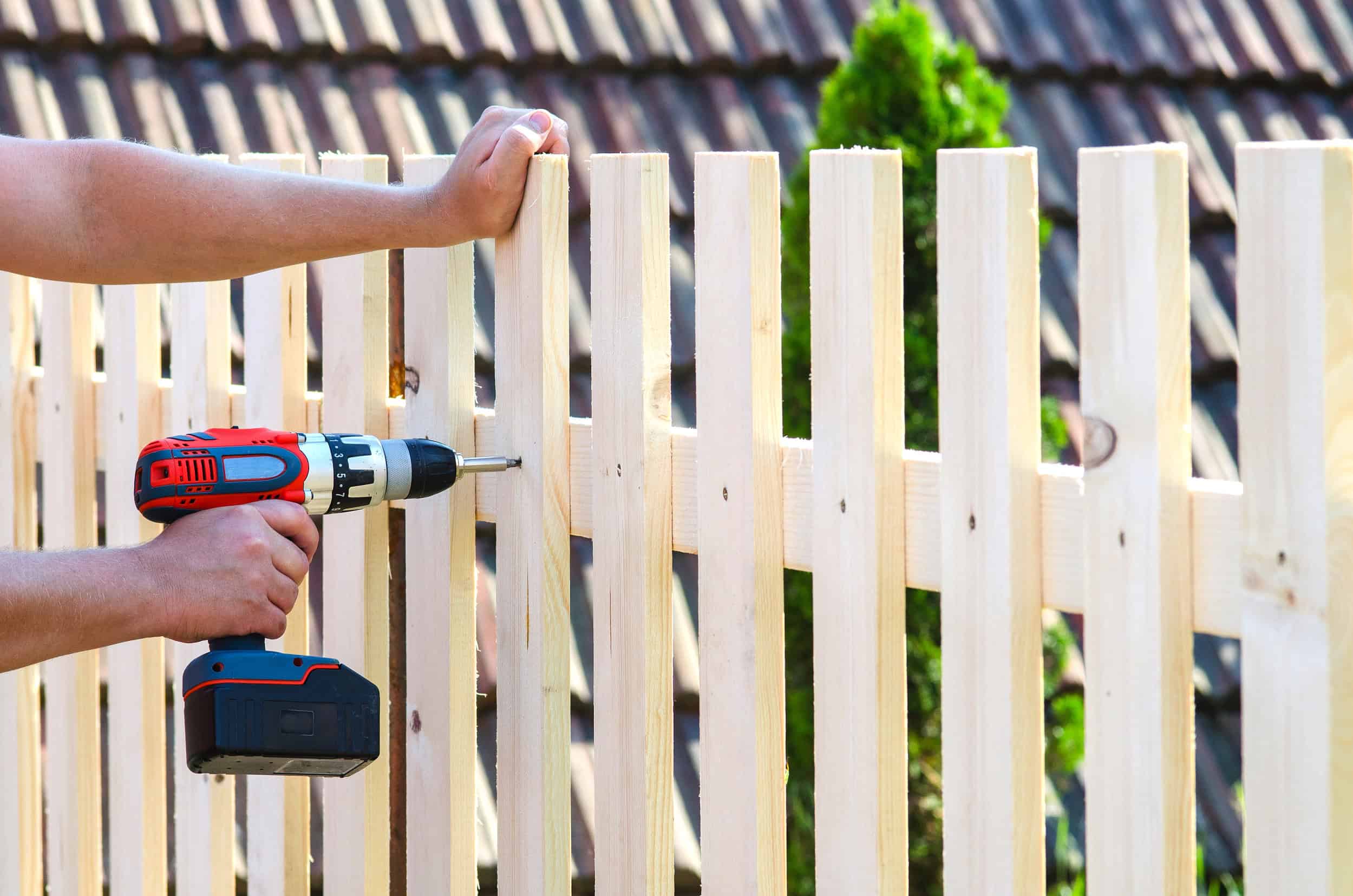
Panels or pickets go up next, along with gates and hardware. Everything gets leveled, secured, and checked before we clean up and walk the property with you. You’ll know what was done, why it was done that way, and what to expect moving forward.
If you’re filing an insurance claim for storm damage, we provide the itemized estimate your adjuster needs. No vague line items—just clear documentation that speeds up approvals.
Ready to get started?
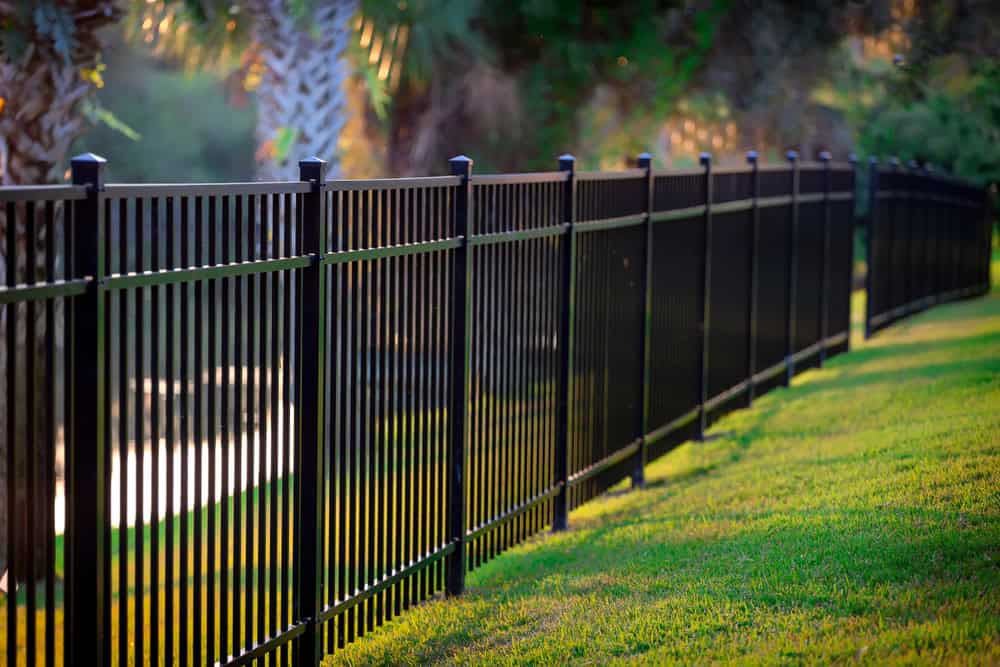
Complete removal of your existing fence and disposal. New post installation with concrete footings engineered for Central Florida soil and wind conditions. Your choice of materials—wood, vinyl, aluminum, or chain link—based on what fits your budget and how much maintenance you want to deal with later.
We handle permits if your project requires them. Gates get installed with commercial-grade hinges and latches that don’t sag or stick after a few months. All work meets Florida building codes, which matters if you ever sell or file a claim.
Dover Estates has a mix of ranch-style and traditional homes, and most were built between the ’70s and ’90s. That means a lot of original fencing is either rotted out or barely standing. If you’re in that situation, a full replacement makes more sense than patching sections that’ll fail again next hurricane season. We’ll tell you honestly whether repair is an option or if you’re throwing money at something that won’t last.
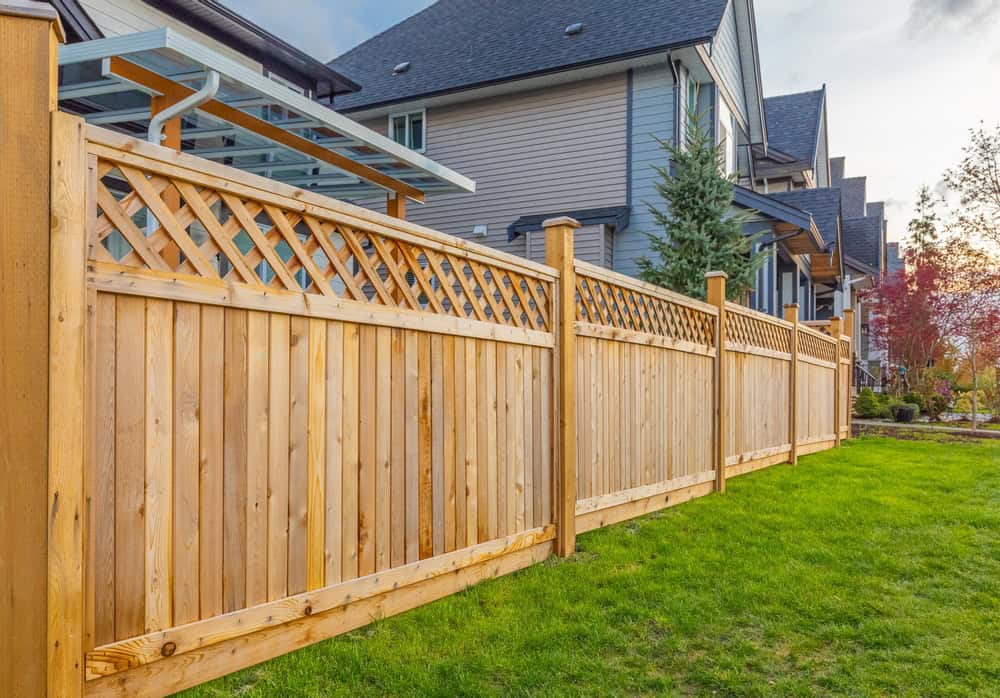
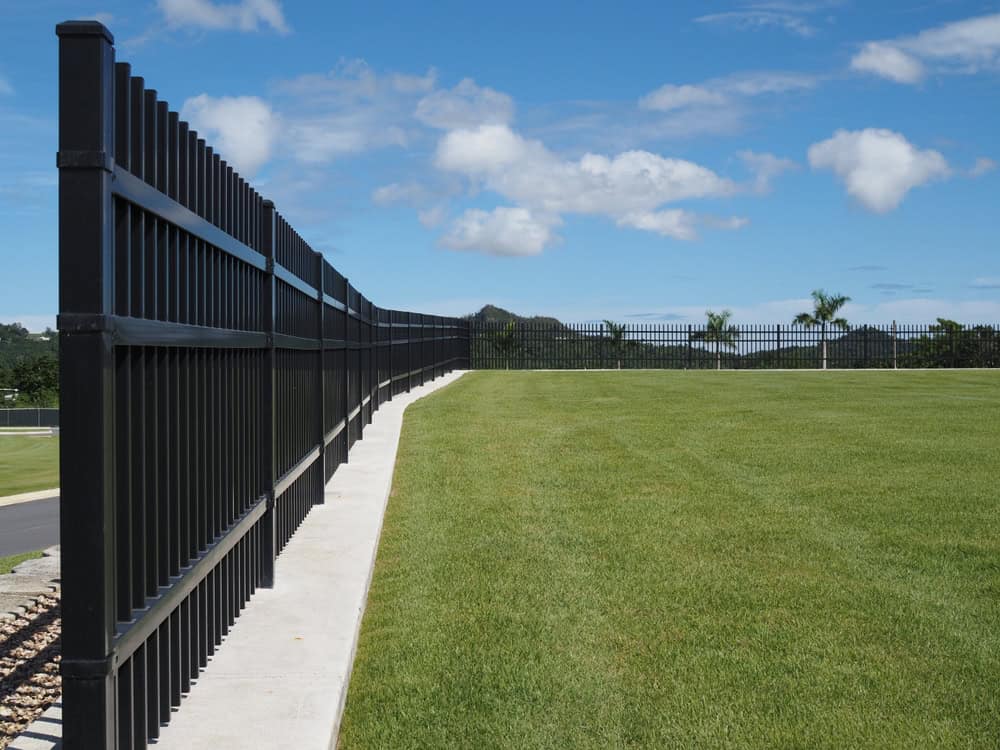
Vinyl fences work well here because they don’t rot, warp, or need repainting. Wood gives you that classic look but requires more upkeep. Aluminum holds up to humidity without rusting. We’ll walk through pros and cons based on your property and what you’re trying to accomplish.
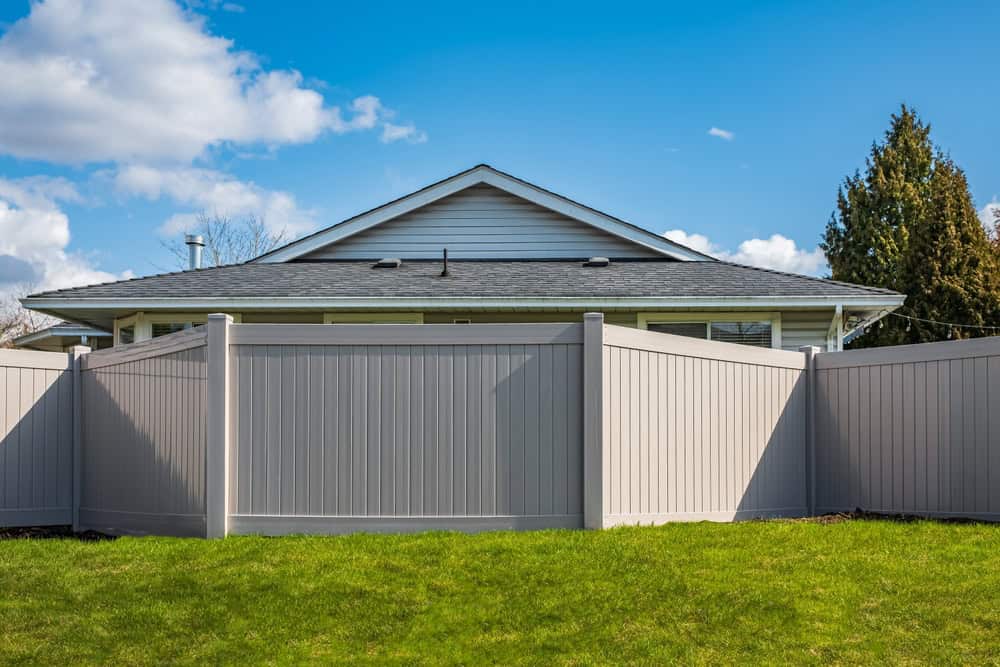
Most residential fence replacement projects finish in one to three days, depending on the size of your property and the type of fence you’re installing. A standard backyard with 150 linear feet usually takes two days—one for removal and post-setting, one for panel installation and cleanup.
Larger properties or jobs that involve multiple gates, tricky terrain, or permit delays can stretch longer. Weather plays a role too. If we’re in the middle of a job and a storm rolls through, we’re not pouring concrete in the rain—it won’t cure right and you’ll end up with posts that shift.
We schedule based on realistic timelines, not what sounds good in a sales pitch. You’ll know upfront how long the job should take and what could cause delays. Most customers are surprised how fast it goes once we’re on-site.
Vinyl and aluminum hold up best in Central Florida because they don’t rot, warp, or rust. Vinyl fences handle humidity without breaking down, and they don’t need painting or staining. Aluminum works well if you want something that looks more open, like around a pool, and it won’t corrode even with constant moisture.
Wood fences look great and cost less upfront, but they require maintenance. You’ll need to clean and seal them regularly to prevent mold, mildew, and rot—especially at the soil line where moisture sits. Pressure-treated pine is the most common wood option here, but even treated wood will eventually rot if it’s in contact with wet sand for years.
If you’re replacing a fence after storm damage, vinyl and aluminum are worth considering because they flex in high winds instead of snapping like wood. That doesn’t mean they’re indestructible, but they tend to survive Florida storms better. We’ll walk through your options based on your budget, how much maintenance you want to deal with, and what your HOA allows if that’s a factor.
It depends on your fence height, location, and whether you’re in an HOA. Most residential fence replacements in Orlando require a permit if the fence is over a certain height or sits near a property line. Your local building department sets those rules, and they change based on zoning.
If you’re in an HOA, you’ll likely need approval before starting any fence work. Some HOAs have strict rules about materials, colors, and styles. We’ve dealt with this enough times to know what typically flies and what doesn’t, but you’ll want to check your specific guidelines before we order materials.
We handle permit applications if your project needs one. It adds a little time to the schedule, but it’s worth doing right. Unpermitted work can cause problems when you sell your home or file an insurance claim. Inspectors look for code compliance, and if your fence doesn’t meet current standards, you could be forced to redo it. Better to handle it correctly from the start.
Yes. We provide detailed, itemized estimates that insurance adjusters need to process claims. That includes measurements, material costs, labor breakdown, and photos of the damage. Most adjusters want to see exactly what’s broken and how much it costs to fix or replace—vague estimates get kicked back.
After a major storm, insurance companies get flooded with claims. The faster you get documentation in, the faster you get approved. We’ve worked with enough adjusters to know what they’re looking for, and we can walk you through the process if it’s your first time filing a fence claim.
Keep in mind that insurance typically covers sudden damage from storms or accidents, not wear and tear from age. If your fence is rotting because it’s 30 years old, that’s probably not covered. But if a tree fell on it or wind ripped panels off during a hurricane, you’ve got a solid case. We’ll give you an honest assessment of whether your damage qualifies before you waste time filing.
If more than 30% of your fence is damaged, rotted, or failing, replacement makes more financial sense than repair. Patching a few boards is one thing. Replacing half the posts and a dozen panels means you’re paying repair prices for a fence that’s still half-old and will need more work soon.
Wood fences in Dover Estates are often original to homes built in the ’70s and ’80s. That’s 40-plus years of Florida humidity, storms, and ground contact. Even if sections look okay now, the posts are likely rotted below the soil line. You won’t see it until the fence starts leaning or a strong wind knocks it over.
We’ll tell you honestly whether repair is an option. Sometimes it is—if the damage is isolated and the rest of the fence has years left. But if we’re looking at a fence that’s held together by hope and a few good boards, replacement is the smarter move. You’ll spend less in the long run and get a fence built to current wind codes, which matters more than people think when the next storm rolls through.
Cost depends on material, linear footage, and site conditions. Vinyl and aluminum run higher than wood upfront but require almost no maintenance. Wood costs less to install but you’ll pay for upkeep over time—staining, sealing, board replacement.
A typical backyard fence replacement in Dover Estates—around 150 to 200 linear feet—ranges anywhere from a few thousand dollars to significantly more, depending on what you choose. Gates, corners, and tricky terrain add to the cost. If we’re dealing with a sloped yard or need to remove old concrete footings, that takes more time and labor.
We give you a detailed estimate before starting any work. No hidden fees, no surprise charges after the job’s done. You’ll know exactly what you’re paying for and why. If you’re working with an insurance payout, we’ll make sure the estimate matches what your adjuster approved so there’s no gap between coverage and actual cost.
Other Services we provide in Dover Estates