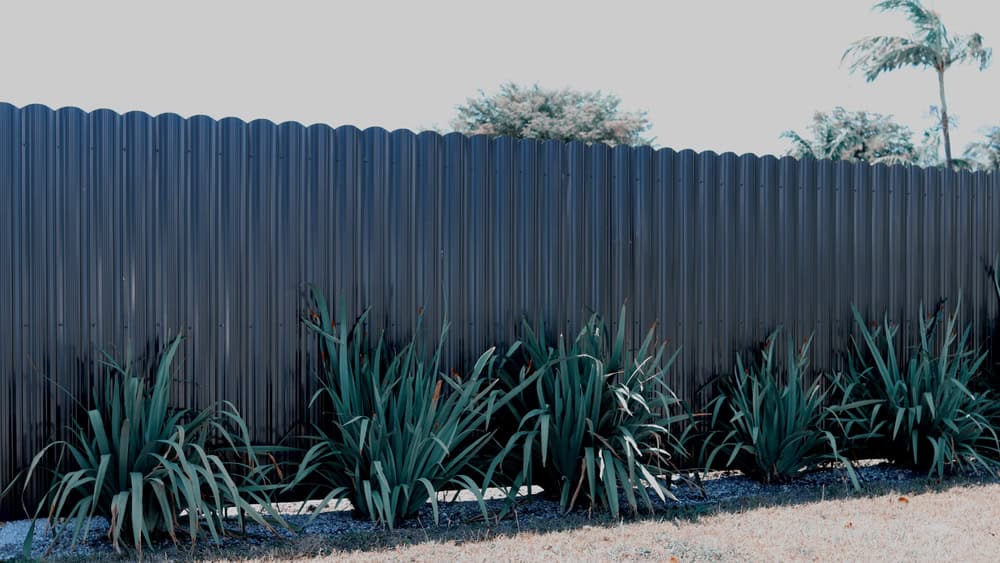
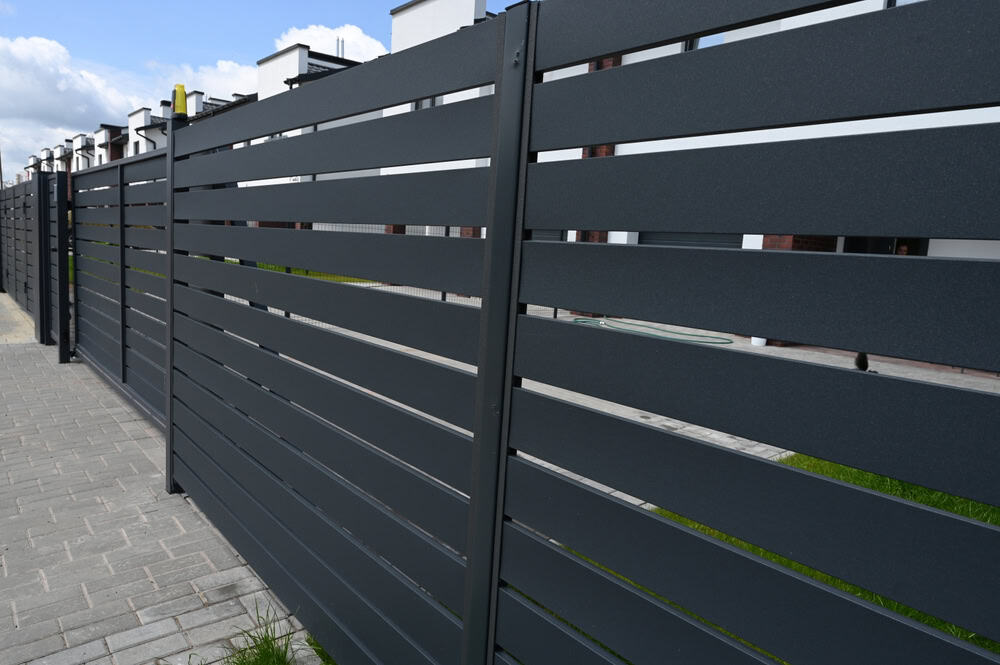
You’re not repainting every few years. You’re not dealing with rust stains on your driveway or rotted posts after a wet summer. Aluminum fencing gives you the clean, classic look of wrought iron without the upkeep nightmare.
In Saint Johns River Estates, where humidity sits heavy and storms roll through without warning, your fence needs to handle more than most. Aluminum doesn’t warp in the heat, doesn’t corrode in the rain, and doesn’t need you to babysit it every season.
You get a fence that holds its finish for 10 to 20 years with powder coating that actually sticks. You get pool code compliance without sacrificing visibility. You get a barrier that keeps kids and pets safe while still looking sharp from the street. And if you’re thinking resale, aluminum fencing typically returns 50% to 70% of your investment when you sell—because buyers notice quality that doesn’t demand constant attention.
We’ve been working in Central Florida for over three decades. We’re licensed, bonded, and insured, and we’ve installed enough fencing in Volusia County to know what holds up and what doesn’t.
Saint Johns River Estates sits in a pocket where the weather can turn fast—tropical storms, high winds, and that relentless Florida sun. We don’t just drop a fence and leave. We install with those conditions in mind, using materials that resist corrosion and installation methods that account for soil shifts and drainage.
You’re working with a local team that knows the permit process, understands HOA requirements, and won’t disappear after the job’s done. We’ve been serving Lake, Orange, Seminole, Brevard, Volusia, Osceola, Polk, Sumter, and Marion counties long enough to have a reputation worth protecting.
First, we come out to your property in Saint Johns River Estates and take measurements. We talk through what you need—pool safety, pet containment, curb appeal, privacy—and show you what’s realistic for your yard and budget.
Once you approve the estimate, we handle the permit. In most Florida cities, you need one before installation, and we make sure everything meets local codes and HOA guidelines if you’ve got them. No surprises halfway through the job.
Installation day, we mark your utility lines, set the posts, and level everything before we anchor it down. Aluminum is lighter than steel, so the process moves faster, but we’re not rushing through it. We’re making sure gates swing right, panels sit flush, and the whole thing can handle a storm without folding.
After installation, you get a fence that’s ready to go. No curing time, no waiting for paint to dry. Just a clean, finished perimeter that does its job from day one.
Ready to get started?
You’re getting powder-coated aluminum panels that resist rust and UV damage. The coating isn’t just for looks—it’s what keeps your fence from fading or flaking in Florida’s sun and rain.
We install with galvanized or stainless steel hardware, not the cheap stuff that corrodes in six months. Posts go deep enough to handle wind load, and we account for drainage so you’re not dealing with standing water around the base.
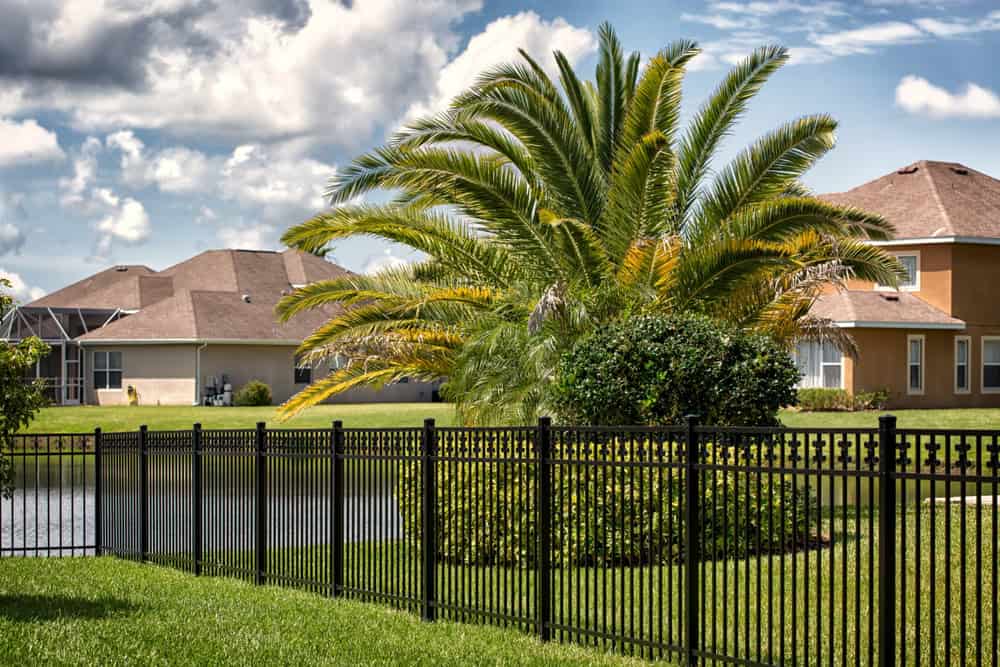
For pool areas in Saint Johns River Estates, we install fencing that meets Florida’s safety code: four-foot minimum height, self-closing gates, and no gaps wide enough for a child to slip through. You stay compliant, and you keep your insurance company happy.
If you want a custom design—arched tops, decorative finials, specific spacing—we can do that. Aluminum is flexible enough to mimic wrought iron’s elegance without the weight or cost. And because it’s recyclable, you’re choosing a material with a lower environmental impact than vinyl or treated wood.
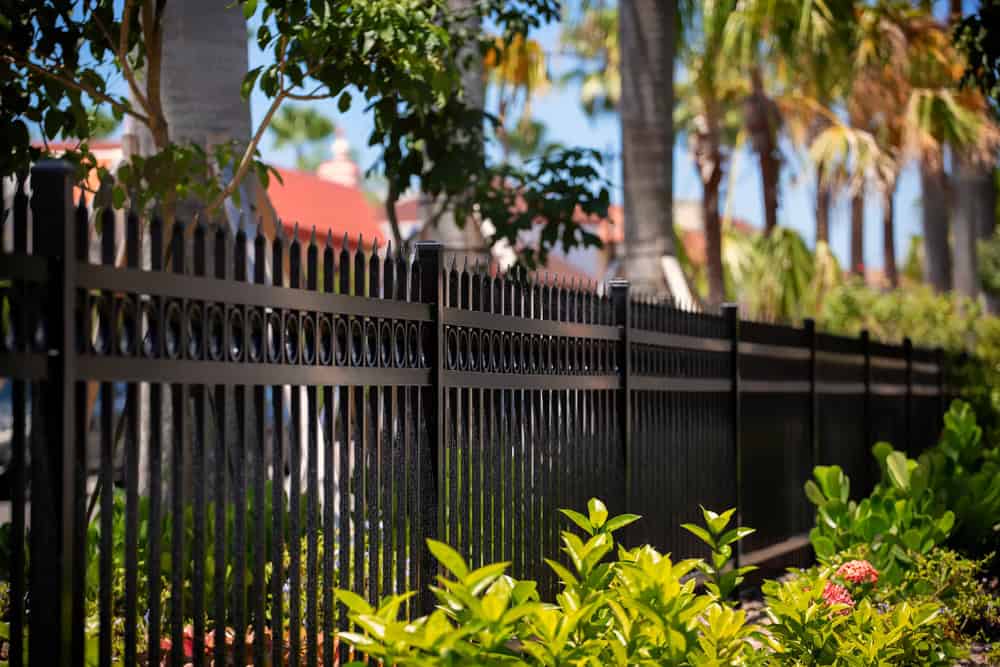
With proper installation and minimal maintenance, aluminum fencing can last over 50 years in Florida. The powder coating protects against oxidation and corrosion, which are the main threats in high-humidity environments like Saint Johns River Estates.
Unlike wrought iron, aluminum doesn’t rust when the coating gets scratched. Unlike wood, it doesn’t rot or warp when it stays wet. You might need to hose it down once or twice a year to clear pollen or dirt, but that’s about it.
The longevity depends on the quality of the materials and how well it’s installed. Cheap aluminum with thin coating will fade and pit faster. Posts that aren’t set deep enough will shift in storms. We use commercial-grade aluminum and install to handle Florida’s wind load requirements, so you’re not replacing sections every few years.
Professional aluminum fence installation typically runs $25 to $40 per linear foot in Central Florida, depending on height, style, and site conditions. For an average residential yard, you’re looking at around $5,500 total.
That includes materials, labor, and permits. If your yard has slopes, rocky soil, or requires gate automation, the cost goes up. Custom designs with decorative elements cost more than standard picket styles.
It’s a higher upfront investment than chain link, but you’re saving $1,000 to $3,000 in maintenance costs over 20 years compared to wood or iron. You’re also adding 50% to 70% of that cost back to your home’s resale value. When you factor in longevity and low upkeep, aluminum pays for itself.
Yes. In most Florida cities, including the DeBary area where Saint Johns River Estates is located, you need a permit before installing a fence. The permit ensures your fence meets setback requirements, height restrictions, and safety codes.
If you have an HOA, you’ll also need their approval before you start. Some associations have rules about fence color, style, or height that go beyond city code.
We handle the permit process as part of the installation. We submit the plans, coordinate inspections, and make sure everything’s compliant before we dig the first post hole. You don’t have to deal with the paperwork or worry about failing an inspection halfway through the job.
Yes, when it’s installed correctly. Aluminum fencing is designed to flex slightly under wind pressure, which actually helps it survive storms better than rigid materials that snap or crack.
The key is proper installation. Posts need to go deep enough—usually 24 to 36 inches depending on soil type—and they need to be set in concrete. Panels should be secured with rust-resistant hardware that won’t corrode and fail during the next hurricane season.
In Saint Johns River Estates, where tropical storms and high winds are a regular threat, we install to meet Florida’s wind load requirements. That means your fence can handle sustained winds without pulling out of the ground or bending beyond repair. Aluminum won’t rot like wood or rust like untreated steel, so even after a storm soaks your yard, the fence stays intact.
Aluminum is one of the best materials for pool fencing in Florida. It’s lightweight, corrosion-resistant, and offers clear visibility so you can keep an eye on kids while they swim.
Florida law requires a four-foot fence around all outdoor pools, with self-closing, self-latching gates and no gaps larger than four inches. Aluminum fencing meets those requirements without blocking sightlines or requiring constant maintenance in wet conditions.
Because aluminum doesn’t rust or degrade in chlorinated water or high humidity, it holds up better than iron around pool decks. The powder coating resists fading from pool chemicals and sun exposure. And if you ever need to make adjustments or add a gate, aluminum is easier to modify than welded steel or poured concrete walls.
Almost none. You’re not painting, staining, or sealing anything. Most homeowners hose down their aluminum fence once or twice a year to clear pollen, dirt, or salt residue if they’re near the coast.
If a panel gets scratched or dented, you can usually replace just that section without tearing down the whole fence. The powder coating is baked on, so it doesn’t chip or peel like paint. It’s designed to last 10 to 20 years before you’d even think about refinishing.
In Saint Johns River Estates, where humidity and rain are constant, low-maintenance fencing makes sense. You’re not dealing with wood rot, rust stains, or warped boards. You install it once, and it does its job without demanding your weekends.
Other Services we provide in Saint Johns River Estates