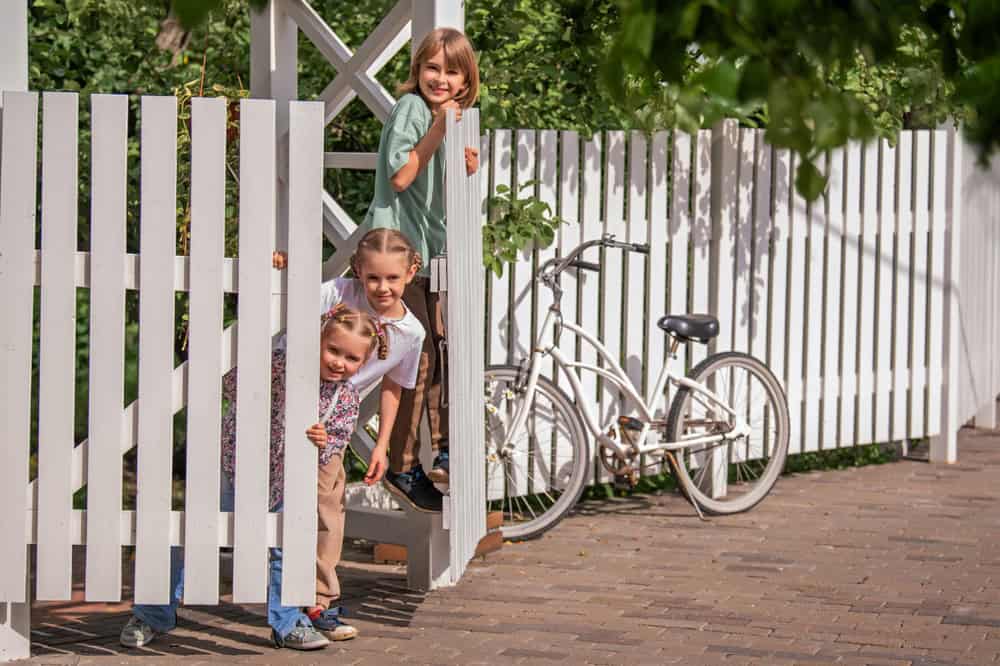
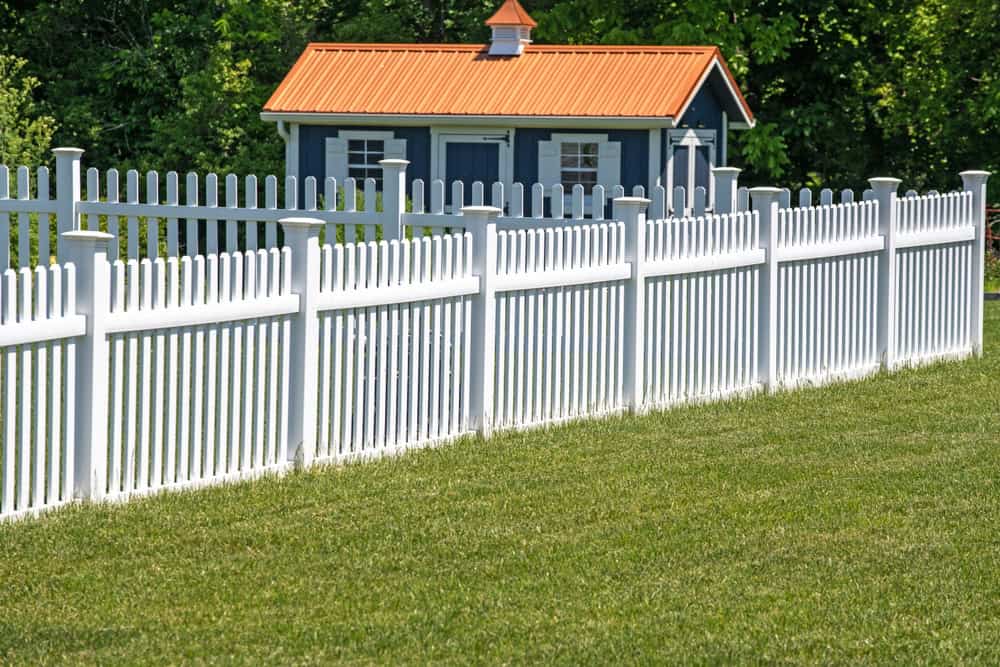
You’re not just getting a fence. You’re getting a boundary that actually holds up when the weather turns, privacy that doesn’t warp after two summers, and a property line that looks intentional instead of thrown together.
The difference shows up in year three when your neighbor’s fence is sagging and yours still looks new. It shows up when you’re not calling someone back out for repairs. And it shows up in your property value when buyers see quality materials installed by people who know what they’re doing.
That’s what happens when you work with a fencing company in Saint Johns River Estates that’s been doing this since 1992. We’ve seen what fails in Central Florida, and we don’t install it. We’ve watched cheap materials fall apart in the humidity, and we don’t use them. You get a fence built for this climate, not just any climate.
We serve Saint Johns River Estates and the surrounding Central Florida communities with the kind of work that doesn’t need callbacks. We’re licensed, bonded, and insured because that’s not optional when you’re working on someone’s property.
Our team knows what works in Lake County and what doesn’t. We’ve installed fences through hurricane seasons, summer storms, and everything Florida throws at us. That experience means you’re not getting a fence designed for Colorado installed in Florida humidity.
We cover Saint Johns River Estates plus Lake, Orange, Seminole, Brevard, Volusia, Osceola, Polk, Sumter, and Marion counties. If you’re in our service area, you’re getting the same transparent pricing and quality materials whether you’re in a neighborhood or on acreage.
First, we come out and look at your property. Not a quick glance—an actual assessment of your terrain, your needs, and what makes sense for your budget. We’re measuring, checking property lines, and talking through what you actually want this fence to do.
Then you get a written estimate. No hidden costs, no surprises when the job’s done. You’ll know what you’re paying for materials, labor, and any site prep before we start.
Once you approve, we handle permits if needed and schedule installation around your timeline. Our crew shows up when we say we will, preps the site properly, and installs your fence with the kind of attention that means it’ll be level, secure, and built to last. We walk the finished project with you to make sure it’s what you expected.
After that, you’ve got a fence and a warranty that backs it up. If something’s not right, we fix it. That’s the process.
Ready to get started?
You’re getting materials that make sense for Saint Johns River Estates. That means wood options like cedar and redwood that handle humidity, vinyl that won’t rot in Florida’s wet season, aluminum that doesn’t rust near the water, or chain link when you need function over form.
Every installation includes proper post setting—because a fence is only as good as what’s holding it up. We’re digging deep enough to handle Florida soil and weather, using concrete where it matters, and making sure your fence isn’t going anywhere in the next storm.
You’re also getting a crew that cleans up after the job. No leftover materials in your yard, no mess for you to deal with. And if you need repairs on an existing fence or a full replacement because the old one’s shot, we handle that too.
For commercial properties in Saint Johns River Estates, we install perimeter fencing that looks professional and actually secures your property. Same quality materials, same installation standards, scaled for business needs.

It depends entirely on what it’s made of and who installed it. A vinyl fence installed correctly can give you 20 to 30 years with almost no maintenance. Wood fences like cedar or redwood typically last 15 to 20 years in Florida if they’re properly sealed and maintained. Chain link can go 20 years or more because there’s not much for the weather to destroy.
The bigger issue is installation quality. If posts aren’t set deep enough or concrete isn’t used where it should be, your fence won’t make it through a few hurricane seasons no matter what it’s made of. Florida’s soil, humidity, and storms are hard on anything that’s not installed right.
We use materials rated for this climate and install them the way they need to be installed here. That’s the difference between a fence that lasts and one that needs replacing in five years.
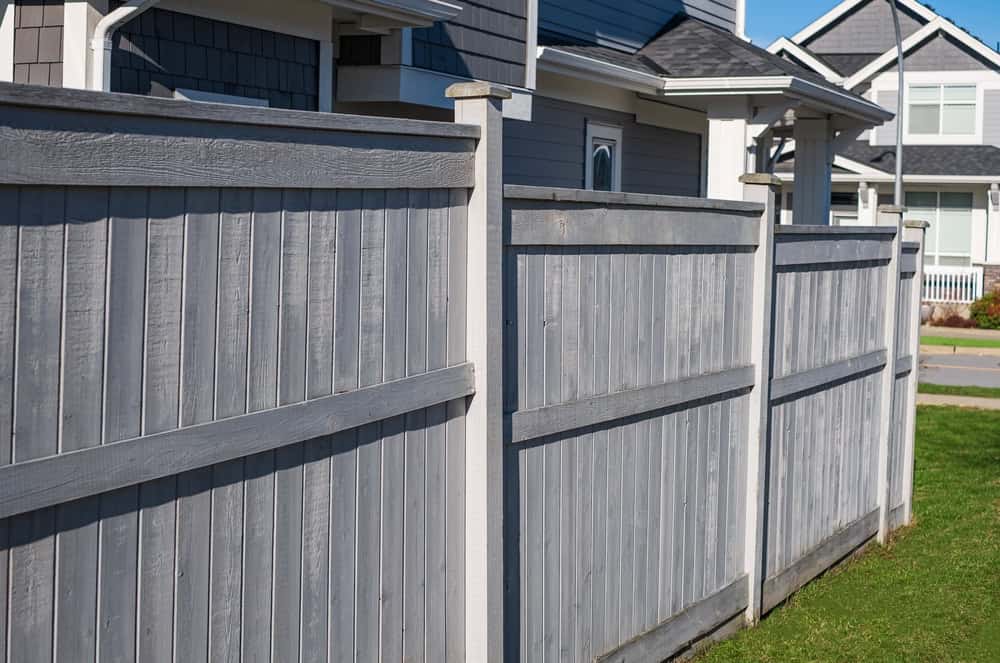
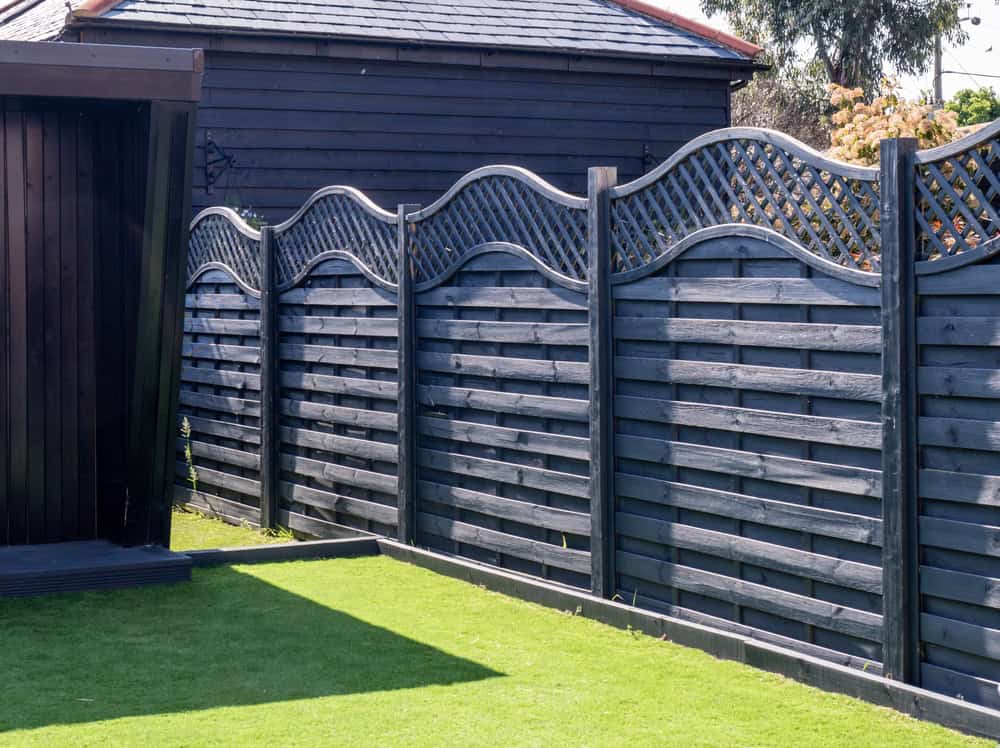
Wood and vinyl are your best options if privacy is the main goal. A solid wood privacy fence gives you complete visual blocking and a natural look that fits most properties. Cedar and redwood hold up well in humidity and resist rot better than cheaper woods.
Vinyl privacy fencing gives you the same coverage without the maintenance. You’re not staining or sealing anything, and it won’t warp or fade like lower-grade materials. It costs more upfront but saves you time and money over the years.
If you’re near water or in an area with high moisture, vinyl makes more sense than wood. If you want a natural look and don’t mind occasional maintenance, wood is a solid choice. Either way, you’re getting full privacy when it’s installed at the right height with no gaps.
Most residential fence installations in Lake County require a permit, especially if you’re installing something over a certain height or near property lines. The rules vary depending on your exact location and whether you’re in city limits or unincorporated areas.
We handle permit applications as part of the process if your project requires one. That includes submitting plans, coordinating inspections, and making sure everything meets local codes. You don’t have to deal with the county yourself.
It’s worth doing this right because unpermitted work can cause problems when you sell your property or if a neighbor complains. Inspectors check for proper setbacks from property lines, height restrictions, and whether the fence impacts drainage or utilities. We know what Lake County looks for and build to those standards from the start.
Pricing depends on what you’re installing, how much of it you need, and what your property looks like. A basic chain link fence costs less per linear foot than a custom wood privacy fence. Vinyl falls somewhere in the middle but saves you maintenance costs long-term.
For a typical residential privacy fence in Saint Johns River Estates, you’re generally looking at a range based on materials and labor. Wood privacy fencing usually runs less upfront than vinyl, but you’ll pay for staining and upkeep over time. Vinyl costs more initially but requires almost nothing after installation.
We give you a written estimate after seeing your property because every job is different. Sloped terrain, difficult access, or specific design requests all affect the final number. What we quote is what you pay—no surprise charges when the work’s done. The best way to know what your fence will cost is to have us come out and give you an actual number based on your property.
Sometimes a repair makes sense. If you’ve got a few damaged boards, a leaning post, or a section that took a hit from a storm, we can fix that without replacing the whole fence. Repairs work when the overall structure is still solid and the damage is isolated.
Full replacement makes more sense when the fence is old, multiple sections are failing, or the posts are rotting below ground. If we’re repairing something today that’s going to fail again in six months, you’re better off replacing it. We’ll tell you honestly which option makes sense for your situation.
We handle both. If a repair gets you another five years out of a fence that’s otherwise fine, that’s what we’ll recommend. If the fence is done and you’re just delaying the inevitable, we’ll tell you that too. You’ll get a straight answer based on what we see, not what makes us more money.
Materials and installation. A cheap fence uses lower-grade wood that rots faster, thin vinyl that cracks in the sun, or posts that aren’t set deep enough to handle wind. It looks fine when it’s new, but it doesn’t last.
A quality fence uses materials rated for Florida’s climate—thicker vinyl, rot-resistant wood, galvanized or powder-coated metal that won’t rust. The posts are set deeper with concrete, the boards are spaced correctly, and the whole thing is built level and square.
The real difference shows up over time. Cheap fences need repairs within a few years, fade or warp quickly, and end up costing more when you factor in maintenance and early replacement. Quality fences handle storms, humidity, and sun without falling apart. You pay more upfront, but you’re not paying again in three years. That’s the trade-off.
Other Services we provide in Saint Johns River Estates