Your dog stops finding creative escape routes. Your property line becomes crystal clear, so there’s no awkward conversation with the neighbor about whose lawn is whose. You stop worrying about whether your fence will survive the next storm or need repainting every few years.
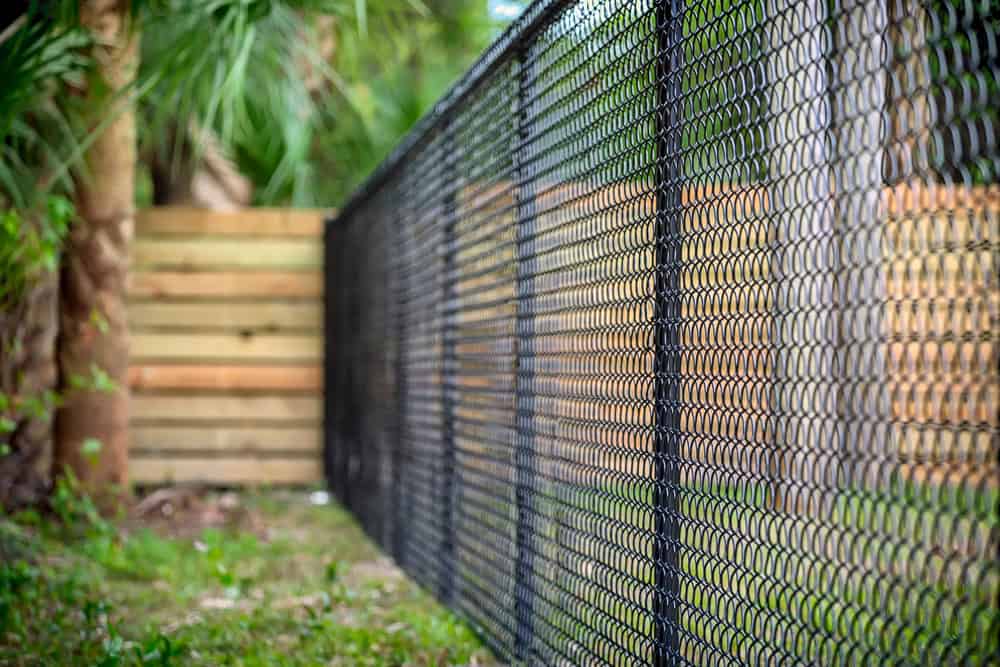
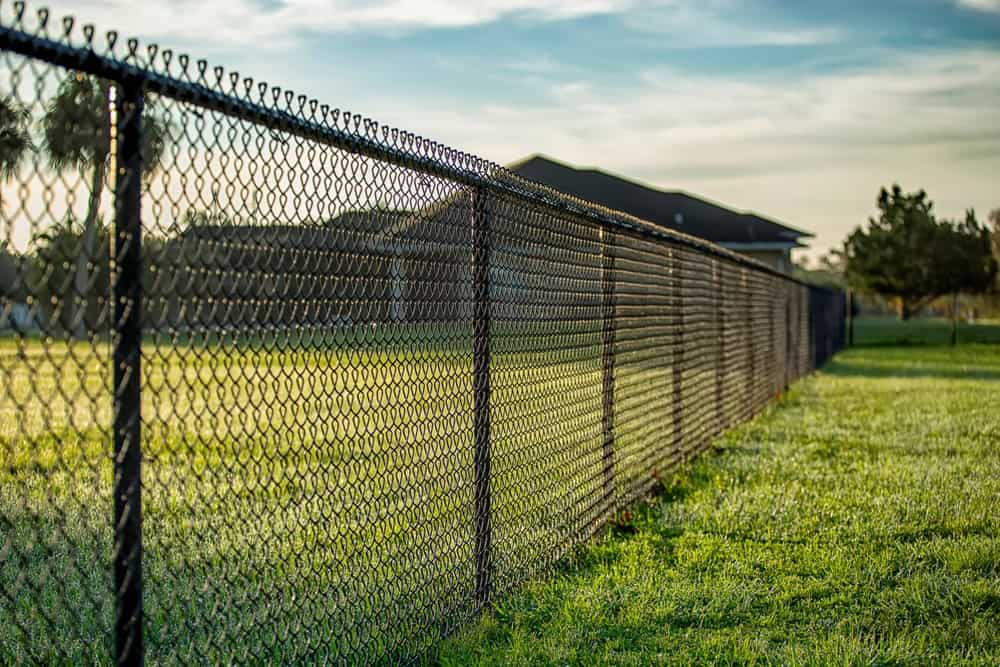
Chain link fencing gives you visibility—you can see what’s happening on your property while still maintaining a secure perimeter. Air flows through, which matters during Florida summers and especially during hurricane season when solid fences become sails. The galvanized steel resists rust even in Belleview’s humidity, and vinyl-coated options add color without adding maintenance.
Most residential chain link fence installations in Belleview, FL take one to three days depending on your property size. That means you’re not dealing with contractors camped in your yard for weeks. You get a functional fence that does its job for 20-plus years without demanding much from you beyond an occasional rinse with the hose.
We’ve been installing fences since 1992, starting in Atlanta before expanding to Florida in 2004. That’s over two decades of dealing with every soil condition, property challenge, and weather pattern Central Florida can throw at a fence.
We serve Belleview and the surrounding Marion County area, along with Lake, Orange, Seminole, Brevard, Volusia, Osceola, Polk, and Sumter counties. We’re not the cheapest option you’ll find—and that’s intentional. You’re paying for galvanized steel that actually resists corrosion, professional installation that accounts for Florida’s sandy soil and drainage issues, and a team that shows up when scheduled.
Belleview’s growing fast, with property values up over 14% recently and new construction changing the landscape. That means more homeowners need clear boundaries, and more families need safe spaces for kids and pets. We handle both.
First, we come out to look at your property. We’re checking the terrain, measuring the perimeter, identifying where gates make sense, and noting any obstacles like trees, utilities, or drainage areas. You tell us what height you need and whether you want standard galvanized or vinyl-coated chain link in a specific color.
We give you transparent pricing with no surprise fees buried in fine print. Once you approve, we schedule the installation. Our crew marks utility lines, sets posts in concrete at proper intervals, and ensures everything is level even if your yard isn’t. The fabric gets stretched tight and secured to the framework, gates get hung and adjusted, and all hardware gets checked.
Before we leave, we walk the fence line with you. You see how the gates latch, where tension bands are placed, and what to expect as the concrete cures. Most chain link fence installation in Belleview, FL is straightforward, but we account for Florida-specific factors like soil composition and water table depth that affect post stability.
Ready to get started?
You’re getting galvanized steel posts set in concrete, not just driven into sand where they’ll lean after the first heavy rain. The chain link fabric itself is available in different gauges—thicker wire costs more but lasts longer and resists damage better if you have large dogs or need commercial-grade durability.
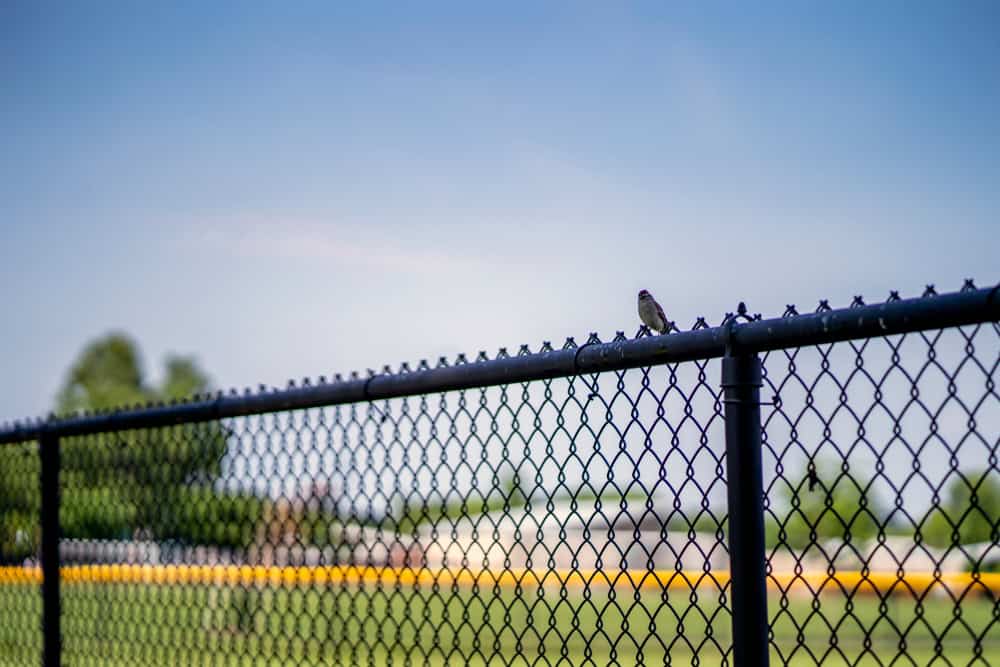
Height options typically range from four feet for basic boundary marking up to six feet or higher for security and containment. Vinyl coating adds color options like black, green, or brown so your fence blends with landscaping instead of screaming “industrial.” Gates come in various widths depending on whether you need walk-through access or space for lawn equipment and vehicles.
In Belleview, FL, many homeowners choose chain link for side and back yards where function matters more than curb appeal, sometimes combining it with decorative fencing up front. The open weave means your grass gets sunlight, your garden gets airflow, and you’re not creating a wind barrier that could become a problem during storms. It’s practical fencing for Florida’s practical challenges—heat, humidity, hurricanes, and the occasional wandering pet that thinks the neighbor’s yard looks more interesting.
You’re looking at roughly $10 to $25 per linear foot for residential chain link fence installation in Belleview, FL. That range exists because several factors affect the final price—fence height, gauge of the wire, whether you want galvanized or vinyl-coated, how many gates you need, and what your property’s terrain looks like.
A standard four-foot galvanized chain link fence costs less than a six-foot vinyl-coated version. If your yard has significant slope, rocky soil, or requires removal of an old fence first, that adds to the labor. Corner posts and gate hardware cost more than line posts, so a property with an irregular shape requiring more corners and gates will run higher than a simple rectangular lot.
Most Belleview homeowners installing 150 to 200 linear feet of chain link fencing end up in the $1,500 to $5,000 range depending on specifications. Get a written estimate that breaks down materials and labor so you know exactly what you’re paying for.
A properly installed galvanized chain link fence in Belleview, FL typically lasts 20 years or more, even with Florida’s humidity and weather extremes. The galvanization process coats the steel with zinc, which protects against rust and corrosion. Vinyl-coated chain link adds another layer of protection and can extend lifespan even further.
What kills chain link fences prematurely is poor installation—posts that aren’t set deep enough or in proper concrete, fabric that’s not tensioned correctly, or hardware that’s undersized for the application. Florida’s sandy soil and high water table require specific installation techniques. Posts need adequate concrete footings to prevent shifting, and all hardware should be galvanized or stainless to resist corrosion.
If you maintain your chain link fence with occasional cleaning to remove dirt, mildew, and salt buildup, and you address any damage promptly before it spreads, you’re looking at decades of service. The main maintenance is really just keeping vegetation from growing into the fence and checking gates periodically to ensure latches and hinges still function smoothly.
Chain link fencing actually performs better in high winds than solid fence panels because the open weave lets wind pass through instead of catching it like a sail. During hurricane season in Belleview, FL, that design becomes an advantage. Solid wood or vinyl fences can blow over in sustained high winds, but chain link flexes and allows airflow.
That said, installation quality matters enormously. Posts must be set deep enough with adequate concrete to resist uplift and lateral forces. In Florida, that typically means posts set at least two feet deep, sometimes deeper depending on soil conditions and fence height. Corner and gate posts need even more substantial footings because they handle additional stress.
Flying debris during a storm can damage any fence, including chain link. A tree branch hitting the fabric might bend it or tear it loose from the framework. But compared to replacing entire fence sections after a hurricane, repairing chain link is relatively straightforward and affordable. The framework usually survives intact, and you’re replacing fabric and tension hardware rather than rebuilding from scratch.
Galvanized chain link is steel wire coated with zinc through a hot-dip process that protects against rust. It has that classic silver-gray metallic look you see on most chain link fences. It’s durable, cost-effective, and handles Florida’s humidity well. The zinc coating gradually weathers but continues protecting the steel underneath for years.
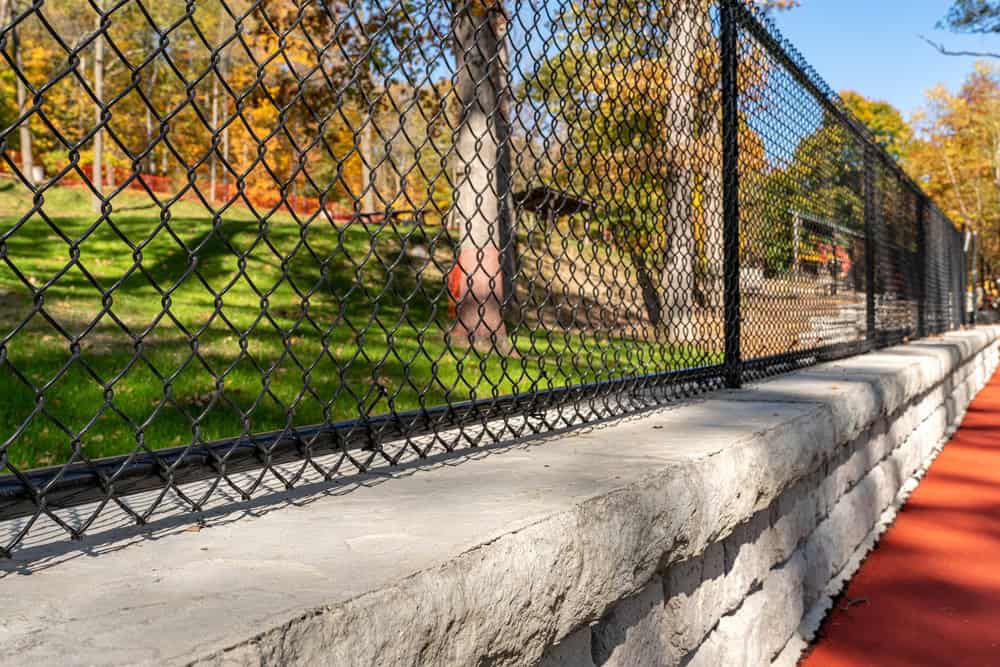
Vinyl-coated chain link adds a layer of colored PVC over the galvanized wire. You get color options—usually black, green, brown, or sometimes white—that help the fence blend with landscaping or match your property’s aesthetic. The vinyl coating provides additional corrosion protection and can make the fence less visually prominent in your yard.
The tradeoff is cost and durability. Vinyl-coated chain link runs about 20% to 40% more than standard galvanized. The coating can crack or peel over time, especially where the fence takes impact or at connection points where hardware rubs against it. In Belleview’s intense sun, UV exposure gradually fades the color. Most homeowners choose galvanized for purely functional applications and vinyl-coated when appearance matters more, like along a property line visible from the street.
Marion County, where Belleview is located, typically requires permits for fence installation depending on height and location. Fences over six feet generally need permits, and any fence near property lines, easements, or right-of-ways requires verification that you’re not encroaching on restricted areas or violating setback requirements.
Before any chain link fence installation in Belleview, FL, you need to know exactly where your property lines are. A survey removes guesswork and prevents disputes with neighbors or future problems when you sell the property. You’ll also need to call 811 for utility location marking before digging post holes—hitting underground electric, gas, water, or communication lines creates dangerous and expensive problems.
Homeowner associations in Belleview often have additional restrictions about fence height, style, color, and placement. Some HOAs prohibit chain link fencing in front yards or require specific colors for visible sections. We handle permit applications and ensure installation meets local codes, but you’re responsible for knowing and complying with HOA rules before work begins.
Chain link fencing requires minimal maintenance compared to wood or vinyl panel fences, but Florida’s climate means you should still pay attention. Rinse your fence a few times a year with a garden hose to remove dirt, pollen, and salt accumulation if you’re anywhere near the coast. Mildew can grow on the fabric in shaded, humid areas—a soft brush and mild detergent handle that during your regular cleaning.
Check gates every few months to ensure hinges are tight and latches function properly. Hardware loosens over time with repeated use, and a gate that doesn’t latch defeats the purpose of having a fence. Lubricate hinges and moving parts annually with a silicone-based spray that won’t attract dirt. If you notice any rust spots developing on galvanized chain link, wire brush the area and apply a zinc-rich primer to prevent it from spreading.
Keep vegetation trimmed back from the fence line. Vines and climbing plants look nice but trap moisture against the metal and can push the fabric out of alignment as they grow. Trees and shrubs growing into the fence create pressure points that bend posts and stretch fabric. In Belleview’s growing season, plants can overtake a fence quickly if you’re not maintaining the perimeter. Address any damage immediately—a small tear in the fabric or a bent post only gets worse if ignored.