You’re not looking for the cheapest fence. You’re looking for one that won’t need replacing in two years when the boards start splitting.
Wood fences in Belleview face serious challenges. High heat, constant humidity, afternoon storms that roll in without warning. If the lumber isn’t treated right or the installation cuts corners, you’ll see warping before your first summer ends.
Here’s what changes when the fence is done right. Your kids and dogs have a secure space without you second-guessing whether the posts will hold. Your property line is clearly defined, which matters more than most people think until a neighbor’s contractor starts eyeing your side yard. You get actual privacy instead of a decorative suggestion of it.
The fence becomes something you stop thinking about. It handles the weather, keeps doing its job, and doesn’t demand attention every few months. That’s the difference between wood fence installation done quickly and wood fence installation done correctly.
We’ve been installing wood fences across Marion County and Central Florida for over 20 years. That’s long enough to see which shortcuts fail and which methods actually last in Belleview’s climate.
We’re licensed, bonded, and insured in Florida, which shouldn’t be noteworthy but apparently is. Too many fence companies operate without proper credentials, and you don’t find out until something goes wrong.
Our pricing is transparent. No hidden fees that show up after we’ve started digging. You’ll know what you’re paying before we show up, and that number doesn’t change unless you change the scope. Belleview homeowners have enough to manage without surprise invoices.

First, we walk your property. Not just to measure, but to spot drainage issues, underground utilities, or terrain challenges that affect how the fence needs to be built. If there’s a slope or your soil is mostly sand, that changes the approach.
You’ll get a written estimate that breaks down materials, labor, and timeline. We discuss wood options—pressure-treated pine if budget matters, cedar if you want natural rot resistance, or cypress for the best performance in Florida humidity. Each has tradeoffs, and we’ll explain them without pushing you toward the most expensive option.
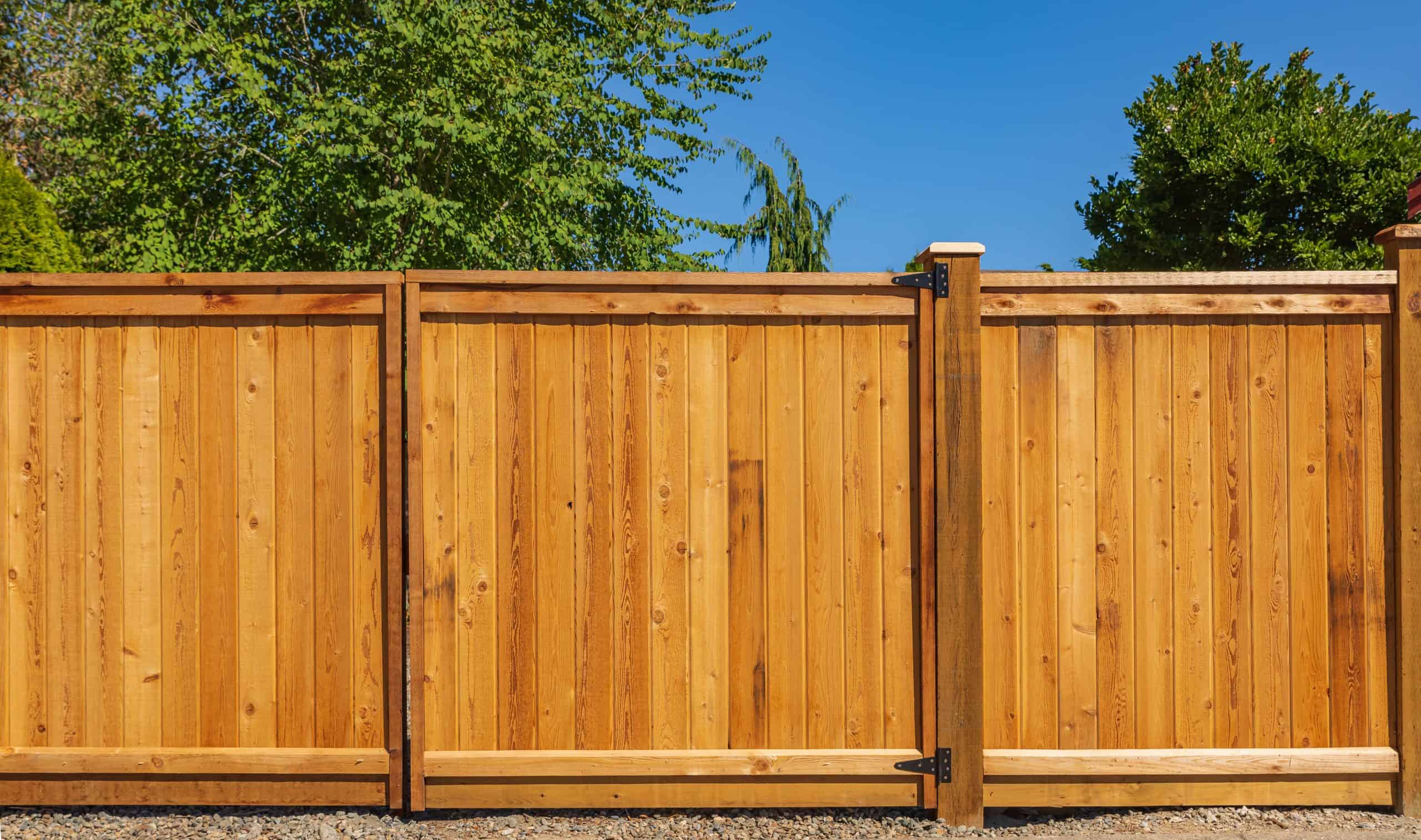
Installation typically takes one to three days depending on your property size. We set posts in concrete, not just dirt, because Central Florida soil doesn’t hold well during heavy rain. Boards are spaced correctly for your fence style—whether that’s board-on-board for full privacy, shadowbox for airflow, or horizontal slats for a modern look.
After installation, we walk you through maintenance. Wood fences in Belleview need staining or sealing within 30 to 60 days, then every two to three years after that. Skip it, and you’re looking at rot and insect damage within a few years. Follow it, and you’re looking at 20-plus years of solid performance.

Ready to get started?
Every wood privacy fence we install in Belleview starts with pressure-treated lumber rated for ground contact. That’s not standard everywhere, but it should be. Florida’s moisture will destroy untreated wood faster than most people expect.
You choose the height based on what Marion County allows and what you need. Most residential wood fences run six feet, but eight-foot installations are common when privacy is the priority. We handle the permit process, which varies by location even within Belleview city limits versus unincorporated areas.
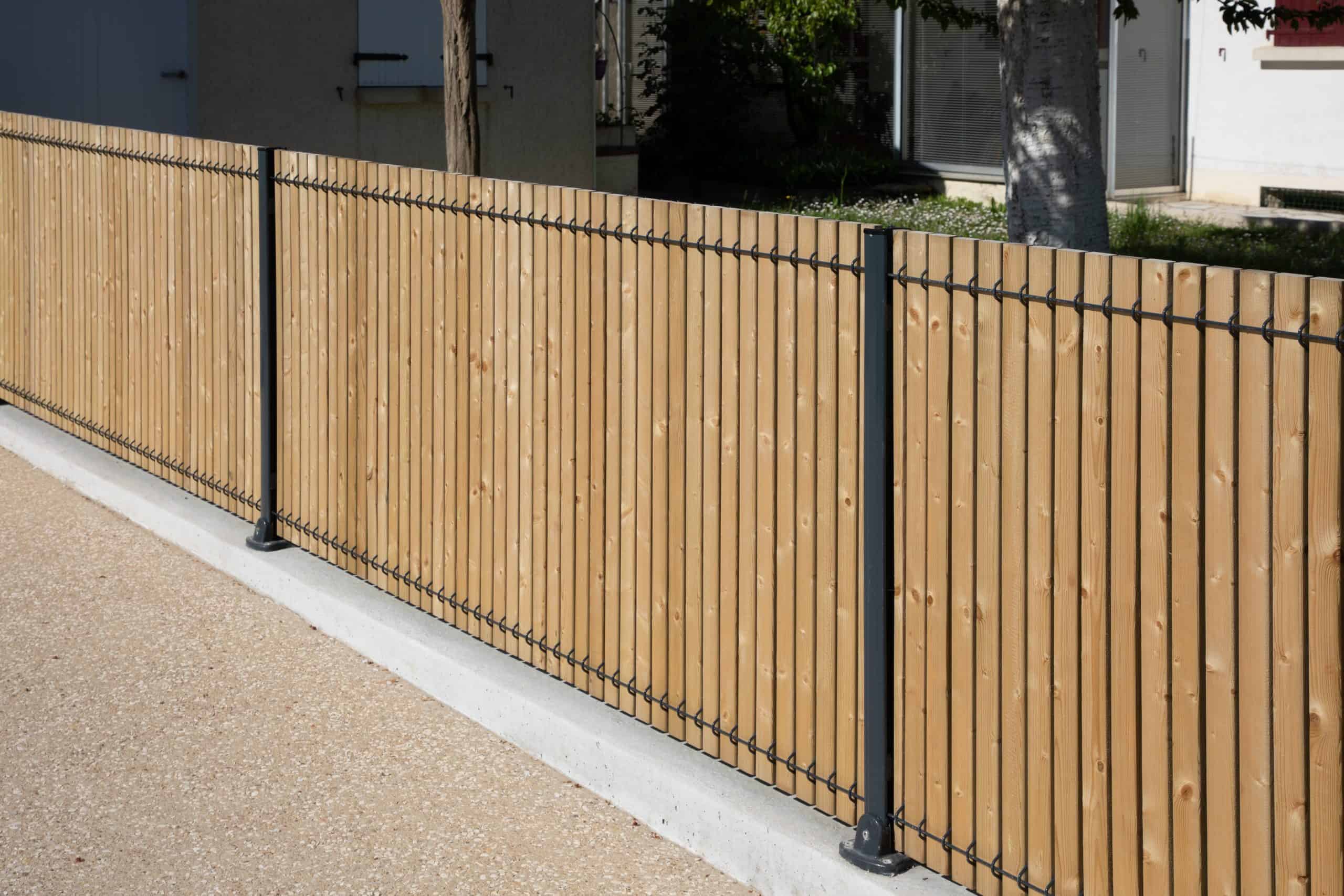
Style options include stockade for maximum privacy and security, board-on-board for a cleaner look with no gaps, shadowbox if you want privacy from both sides, and horizontal designs that have become popular in newer Belleview neighborhoods. We can add lattice toppers if you want height without feeling closed in.
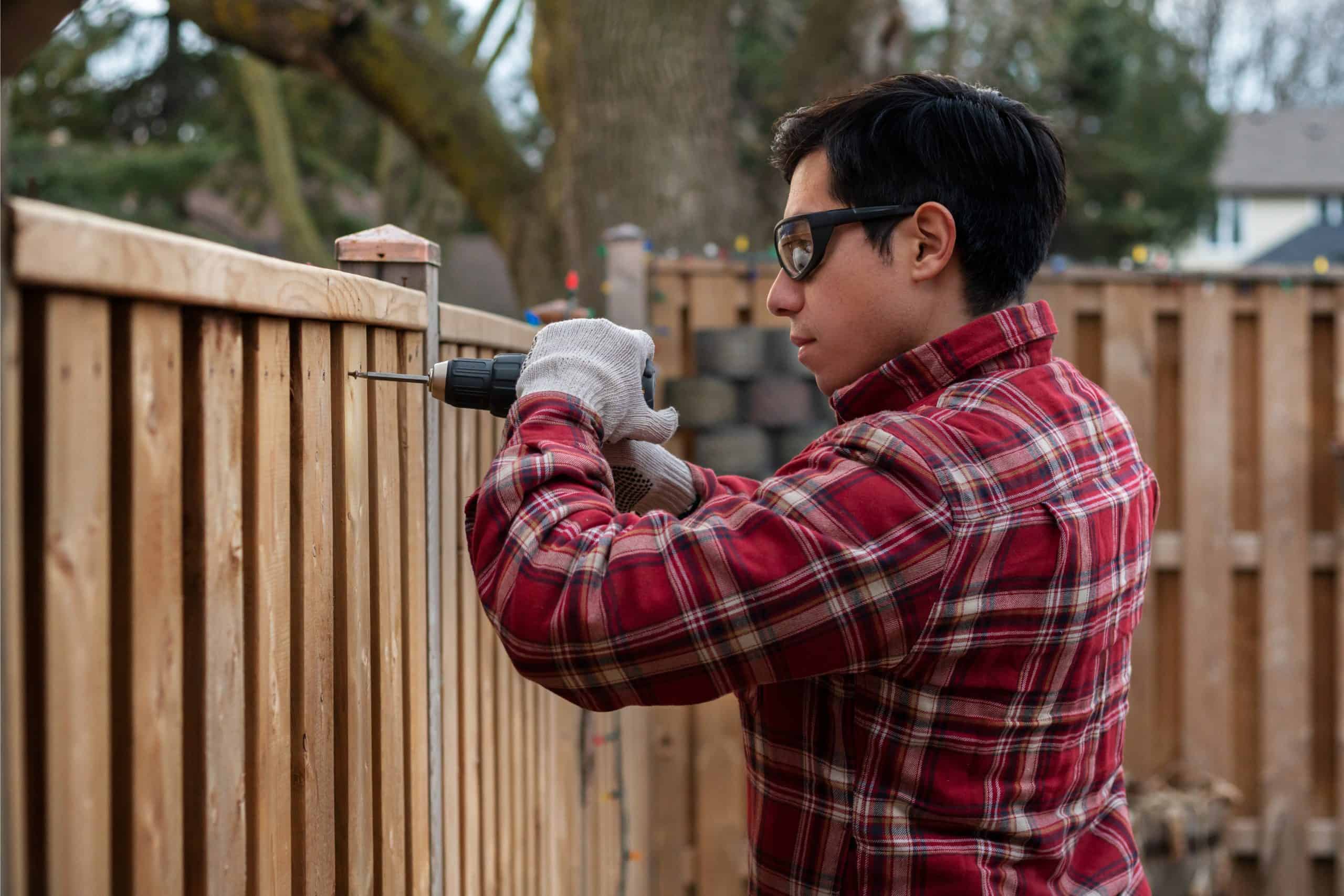
All posts are set at least two feet deep in concrete. Gates get heavy-duty hinges and latches that won’t sag after six months. If you have dogs, we can install the fence so boards go closer to ground level, reducing the gap underneath that some installers leave too large.
Pressure-treated pine that’s properly maintained will give you around 20 years in Belleview. Cedar can push 30 to 40 years if you stay on top of sealing. But here’s the catch—”properly maintained” is doing the work.
Florida’s humidity and heat are brutal on wood. You need to apply stain or sealant within the first two months after installation, then reapply every two to three years minimum. Miss that schedule, and you’ll see rot, warping, and insect damage cut your fence’s lifespan in half.
The quality of the initial installation matters just as much. Posts that aren’t set deep enough or aren’t properly treated will fail first, usually within five to seven years. That’s why we use pressure-treated lumber rated for ground contact and set every post in concrete, not just dirt.
Pressure-treated pine is the most common choice because it balances cost and durability. It’s chemically treated to resist rot and insects, which you need in Central Florida. With proper sealing, it performs well in our humidity.
Cedar costs more upfront but offers natural resistance to decay and pests without chemical treatment. It also doesn’t retain heat the way some materials do, which matters in Belleview’s sunny yards. The tradeoff is price—expect to pay 30% to 50% more than pine.
Cypress is the premium option. It’s naturally rot-resistant, handles moisture better than almost any other wood, and can last decades in Florida’s climate. It’s also the most expensive and harder to source. Most Belleview homeowners go with treated pine or cedar and get excellent results when they maintain it correctly.
Yes, and the requirements vary depending on whether you’re inside Belleview city limits or in unincorporated Marion County. Both require permits, but the application process and restrictions differ.
Height restrictions typically cap residential fences at six feet in front yards and eight feet in backyards, but setback requirements and corner lot rules add complications. Some neighborhoods have HOA guidelines on top of county regulations, which can dictate style, color, and even wood type.
We handle permit applications as part of our installation process. That includes confirming your property lines, which is critical—many homeowners assume the previous owner placed their fence correctly, and that assumption causes problems. A survey isn’t always required, but it’s smart if there’s any question about boundaries.
Most wood fence projects in Belleview run between $3,500 and $8,000 depending on linear footage, wood type, and design complexity. Per foot, you’re looking at $15 to $35 for materials and installation combined.
Pressure-treated pine sits at the lower end of that range. Cedar and cypress push toward the higher end. Add custom gates, decorative post caps, or challenging terrain, and costs increase. But you’ll know the exact number before we start—our estimates are detailed and binding.
One thing to factor in: wood is cheaper than vinyl on installation day, but it requires ongoing maintenance. You’ll need to stain or seal within the first 60 days, which adds $500 to $1,500 depending on whether you DIY or hire it out. Then repeat that every few years. Vinyl costs more upfront but needs almost no maintenance. It’s a tradeoff worth considering based on how much time you want to spend on upkeep.
A properly built wood fence can handle typical Florida storms, but “properly built” is doing a lot of work in that sentence. Posts need to be set at least two feet deep in concrete, not just tamped dirt. Boards need to be fastened with exterior-grade screws, not nails that back out over time.
Wind resistance depends partly on design. A solid privacy fence catches more wind than a shadowbox or board-on-board style with slight gaps. That doesn’t mean privacy fences fail—it means installation quality matters more. We account for wind load when spacing posts and selecting fasteners.
Hurricane-force winds are a different conversation. No residential wood fence is rated to survive a direct hit from a major storm. But a well-built fence will handle the afternoon thunderstorms, tropical storm remnants, and strong gusts that are part of living in Central Florida. Cheap installations with shallow posts and inadequate bracing fail during the first serious weather event.
You need to stain or seal your wood fence within 30 to 60 days of installation in Belleview. That timeline isn’t flexible if you want the fence to last. Florida’s sun and humidity start breaking down untreated wood immediately.
Some installers will tell you to wait six months for the wood to “dry out.” That advice works in other climates but not here. By six months in Central Florida, you’ve already got UV damage, moisture penetration, and early signs of warping. The window for effective sealing has closed.
Use a stain or sealant rated for exterior use and high humidity. Transparent or semi-transparent stains let the wood grain show but need reapplication every two to three years. Solid stains last longer between coats but cover the natural wood look completely. Either way, staying on that maintenance schedule is what separates a fence that lasts 20 years from one that needs replacing in ten.