You’re not looking for the cheapest fence. You’re looking for one that actually lasts without eating up your weekends with maintenance.
Chain link fencing gives you that. It handles Central Florida’s humidity, salt air, and storm season without constant upkeep. No repainting every few years. No rotting boards to replace. Just occasional hosing down to clear pollen or dirt.
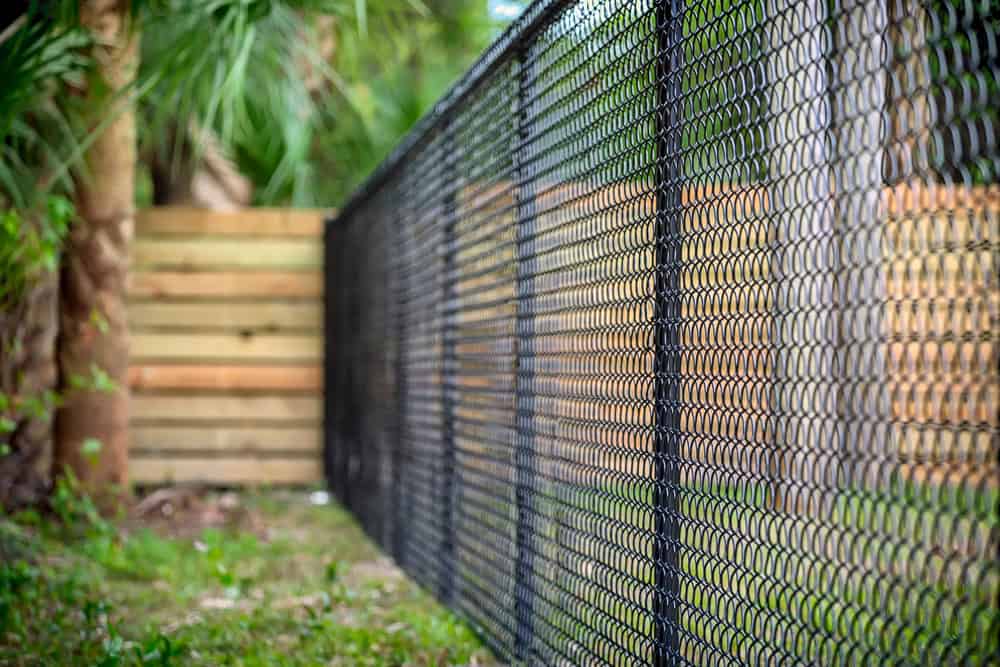
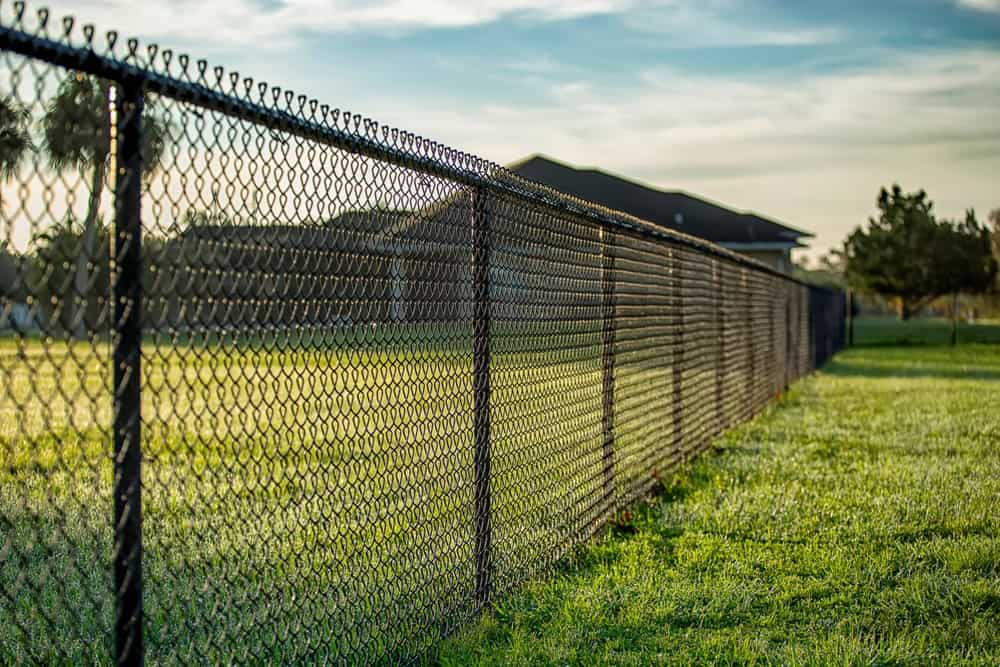
The galvanized steel resists rust for 20+ years. Add a vinyl coating in black, green, or brown, and you get color that doesn’t fade plus extra corrosion protection. Privacy slats fit between the links if you want more seclusion without blocking airflow.
Most installations wrap up in one to three days. You get a defined property line, a secure yard, and peace of mind without the ongoing hassle that comes with wood or the cost that comes with ornamental iron.
We’ve been installing fences across Lake County and surrounding areas for over 20 years. We’re licensed, bonded, and insured in Florida, which matters more than you might think when storm damage or installation issues come up.
Carlton Village sits in Lady Lake, where most homes were built between 1970 and 1999. Many homeowners here are retirees looking for low-maintenance solutions that don’t require constant attention. Chain link fits that need better than most options.
We’ve installed thousands of chain link fences across the region. We know which materials hold up in Florida’s climate and which ones fail. We handle permitting and can help with HOA paperwork if your neighborhood requires approval. Our pricing is transparent from the start because nobody has time for surprise costs halfway through a project.
First, we come out to measure your property and talk through what you need. We’ll discuss height options, whether you want galvanized or vinyl-coated steel, and if privacy slats make sense for your situation. You’ll get a written quote with no hidden fees.
Once you approve, we handle any permits required by Lake County and work with your HOA if needed. Most Carlton Village neighborhoods have guidelines about fence placement and height, and we know how to navigate those requirements without delays.
Installation starts with marking utility lines and setting corner and gate posts in concrete. These need 24 to 48 hours to cure properly. Then we install line posts, stretch the chain link fabric tight between them, and secure everything with tension bars and ties.
Most residential chain link fences in Carlton Village take one to three days to complete, depending on property size and terrain. We clean up all debris and walk you through maintenance basics before we leave. The fence is ready to use immediately, though gate posts perform best after the concrete fully cures.
Ready to get started?
Every chain link fence installation in Carlton Village, FL includes galvanized steel framework designed to handle wind loads during tropical storms and hurricanes. The woven diamond pattern lets wind pass through instead of catching it like a solid panel, which is why chain link survives storms that flatten other fence types.
You choose the height based on your needs. Four feet works for front yards and decorative boundaries. Six feet provides more security and privacy for backyards. Commercial properties often go higher. We install the gauge that matches your application—lighter for decorative use, heavier for security or areas with large dogs.
Vinyl coating adds color and extends lifespan in coastal or high-humidity areas. Black looks sharp and modern. Green blends with landscaping. Brown works well in wooded settings. All resist fading better than paint and add a layer of protection against salt air and moisture.
Carlton Village homeowners often add privacy slats, which slide vertically through the chain link to block sightlines while still allowing airflow. This matters in Florida where solid privacy fences can catch wind and create drainage issues. We also install gates sized for your needs, from walk-through to double-wide for equipment access.
The installation includes concrete footings for all posts, tension wire along the bottom to prevent sagging, and proper tensioning of the fabric so it doesn’t develop waves or loose spots over time.
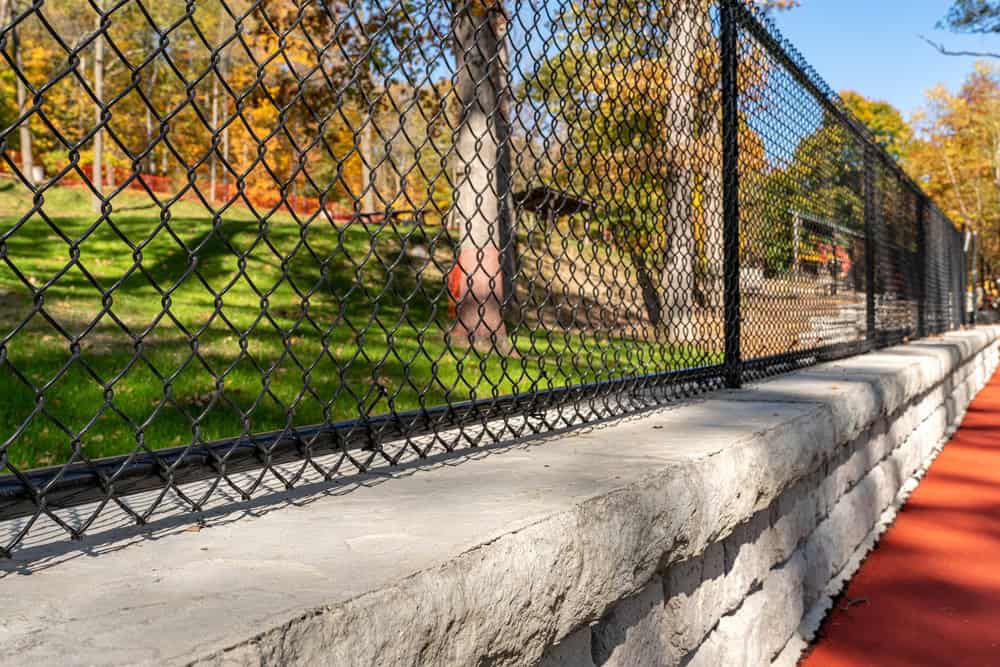
A properly installed chain link fence in Carlton Village typically lasts 20 years or more, even with Florida’s humidity and storm activity. Galvanized steel resists rust through a zinc coating that protects the metal underneath. Vinyl-coated options add another barrier against moisture and salt air, pushing lifespan even further.
The key is professional installation with proper tensioning and concrete footings. Fences installed by unlicensed contractors often use thinner gauge wire or inadequate post depth, which leads to sagging and premature failure. We use commercial-grade materials and proper installation techniques, so your fence handles whatever Central Florida throws at it.
Maintenance is minimal. Hose it down a few times a year to remove pollen, dirt, or salt buildup. Check gate hinges and latches annually. That’s about it. You won’t spend weekends staining, sealing, or replacing rotted sections like you would with wood.
Vinyl-coated chain link costs about 20 to 30 percent more than galvanized, but it’s often worth it in Florida. The vinyl layer adds color, extra corrosion resistance, and a cleaner look that many Carlton Village HOAs prefer over bare metal.
Galvanized chain link runs $10 to $30 per linear foot installed for most residential applications. Vinyl-coated typically adds $5 to $10 per foot depending on color and gauge. Black is the most popular and usually the most affordable color option. Custom colors cost slightly more.
If you’re near Lake Griffin or in an area with higher humidity and salt exposure, vinyl coating makes sense as a long-term investment. It prevents rust from starting at scratches or cut ends where the galvanizing gets compromised. For purely functional applications like dog runs or equipment enclosures, standard galvanized works fine and saves money upfront.
We’ll walk you through both options during your quote so you can make the choice that fits your budget and how long you plan to stay in your home.
Most chain link fence installations in Carlton Village require a permit from Lake County. The county wants to ensure fences meet setback requirements, don’t interfere with drainage or utilities, and comply with height restrictions for front and back yards.
We handle the permit application as part of our service. It typically takes one to two weeks for approval, though timelines vary depending on county workload. The cost is usually a few hundred dollars and gets included in your total project quote.
If you live in an HOA community, you’ll also need approval from your homeowners association before we can start work. Many Carlton Village neighborhoods have specific rules about fence height, color, and placement. We’ve worked with most local HOAs and can help you submit the right paperwork to avoid delays.
Skipping permits is a bad idea. The county can make you remove an unpermitted fence, and you’ll have trouble selling your home if the fence doesn’t show up on permits during a title search.
Chain link is one of the best fence types for hurricane-prone areas like Carlton Village. The woven steel design lets wind pass through instead of catching it like a solid surface. That’s why you see chain link still standing after storms that destroy wood privacy fences and vinyl panels.
The key is proper installation. Posts need to be set deep enough in concrete—typically 30 to 36 inches depending on height and soil conditions. We use concrete footings that cure fully before we tension the fabric. Corner and gate posts get extra reinforcement because they handle the most stress.
Vinyl-coated chain link performs just as well structurally as galvanized. The coating doesn’t affect wind resistance. What matters is the gauge of the wire and the quality of the framework. We use heavier gauge for areas with higher wind exposure or where the fence needs to handle more stress.
After a storm, check your fence for any sections that got hit by debris. Chain link is easy to repair—we can replace damaged sections without rebuilding the entire fence. That’s another advantage over solid panel fences that often need complete replacement after storm damage.
Almost none. That’s the main reason retirees and busy homeowners in Carlton Village choose chain link over wood or other materials that need constant attention.
Hose down your fence two to four times a year to remove pollen, dirt, and any salt buildup if you’re near the lake. Use a regular garden hose—no pressure washer needed. This keeps the fence looking clean and prevents any buildup that could trap moisture against the metal.
Check gate hardware once or twice a year. Hinges and latches can loosen over time, especially on gates that get heavy use. Tighten any loose bolts and add a drop of lubricant to hinges if they start squeaking. Takes five minutes.
If you have vinyl-coated chain link, inspect it occasionally for any spots where the coating got damaged. These are rare, but if you find one, a dab of rust-resistant paint prevents corrosion from starting. With galvanized chain link, small rust spots can be wire-brushed and touched up with galvanizing spray.
That’s it. No staining, no sealing, no replacing rotted boards, no repainting every few years. Chain link just sits there doing its job with almost zero input from you.
Yes. Privacy slats are the most common solution and they install easily into existing chain link. These are vertical strips—usually vinyl or aluminum—that weave through the chain link mesh to block sightlines while still allowing airflow.
Slats come in multiple colors to match or complement your vinyl coating. They block about 80 to 90 percent of visibility, which is enough for most privacy needs. They don’t trap wind like solid panels, so they won’t stress your fence during storms. Installation takes a few hours for an average residential fence.
Another option is privacy screening fabric that attaches to the chain link with zip ties or clips. This is less expensive than slats but doesn’t last as long in Florida sun and weather. Most screening fabric needs replacement every three to five years as UV exposure breaks down the material.
If you want complete privacy, you can install hedge plants along the fence line. Podocarpus, Green Island Ficus, and Simpson’s Stopper all grow well in Carlton Village and create dense screens. This takes longer to establish but gives you a natural look that improves over time.
We can add privacy slats during initial installation or retrofit them to your existing chain link fence. Either way, you get the security and durability of chain link with the privacy you want.
Other Services we provide in Carlton Village