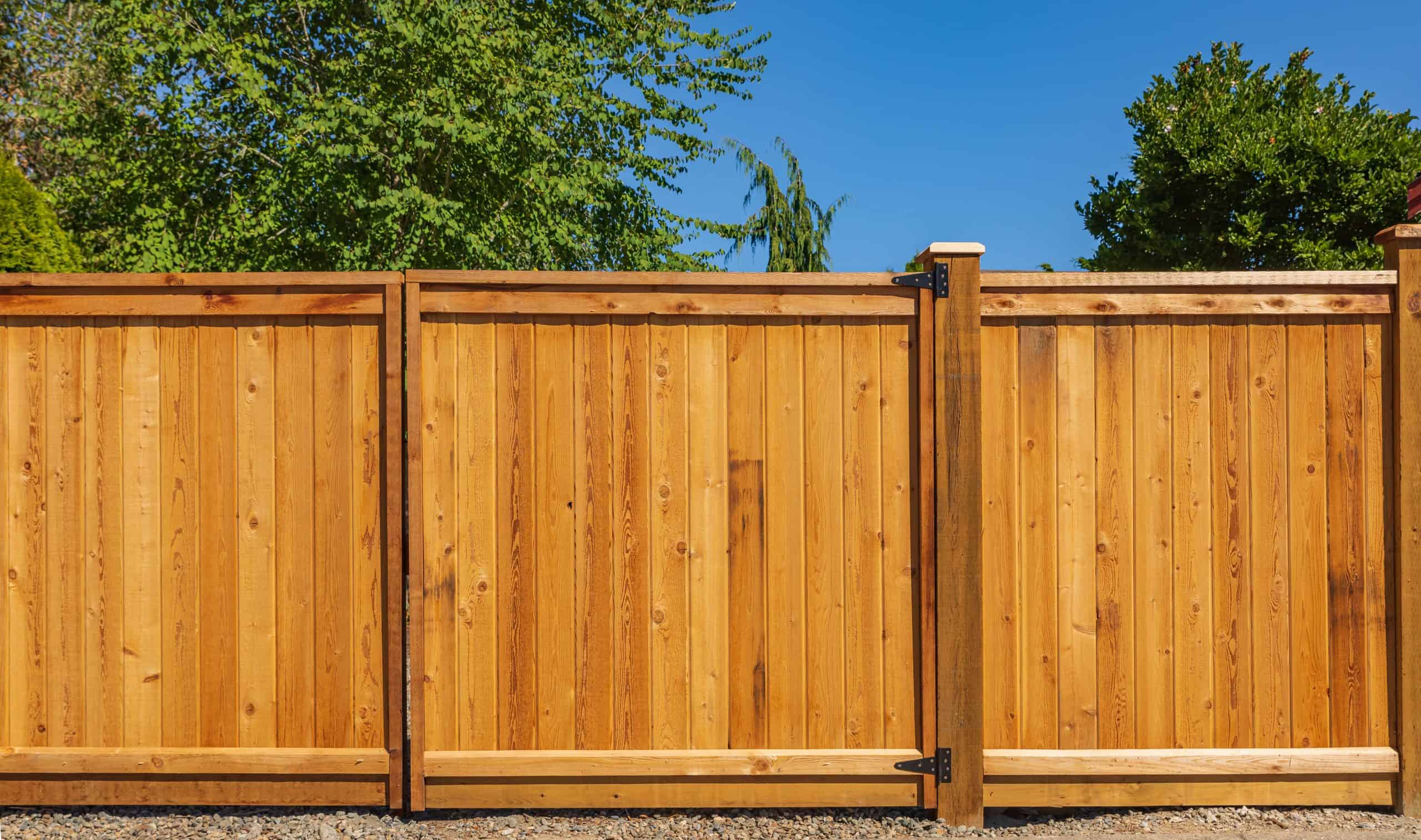
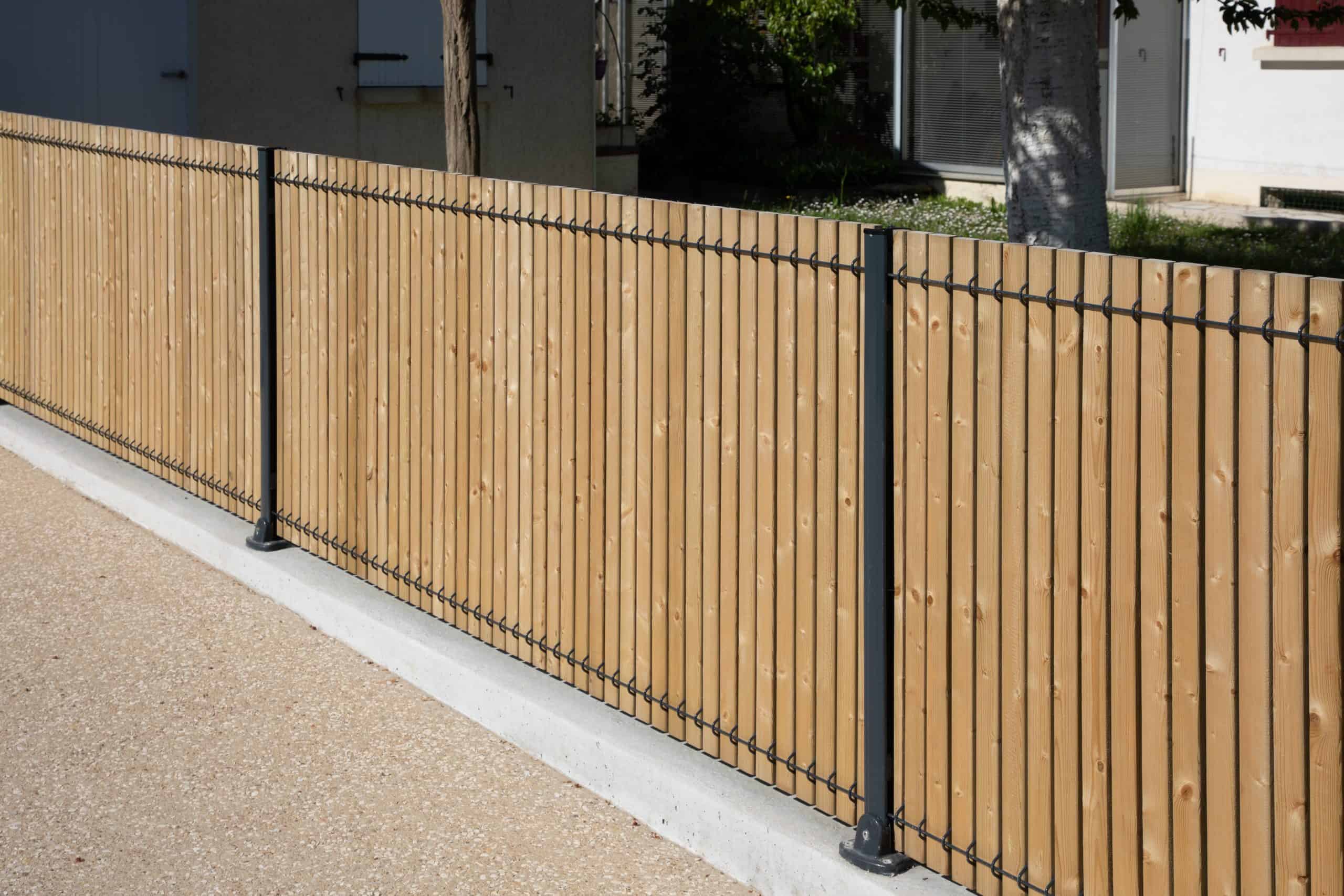
Your yard becomes actually private. Not sort-of private with gaps you can see through, but the kind where you can let your dog out without worrying about the neighbor’s line of sight.
The fence holds up when humidity spikes in July and when September brings wind gusts that flatten everything else. That’s what pressure treated fence materials do when they’re installed by someone who knows how Florida weather works.
You’re not repainting every two years or replacing boards that split. The wood stays solid because it was treated for this climate before it ever touched your property. And when you look at it from the street, it actually adds something to your home instead of just sitting there doing a job.
We work in Carlton Village because we know what breaks fences here. It’s not just rain—it’s the combination of humidity that never quits, soil that shifts, and storms that test every post you set.
We’ve been handling wood fence installation across Lake County and the surrounding areas long enough to know which shortcuts fail first. Our crews don’t take them. You get posts set deep enough to matter, lumber that’s pre-treated for rot resistance, and installation that accounts for how the ground moves when it floods.
Carlton Village sits in a rural part of Lady Lake where properties have space and homeowners want fences that match that. We get it. That’s why we show up with transparent pricing, no surprise fees, and a process that doesn’t drag on for weeks.

You call or fill out a form. We come out to your property in Carlton Village, measure the area, talk through what you’re trying to accomplish, and give you a free estimate. No pressure, no runaround.
Once you’re ready to move forward, we pull permits if needed and schedule the install around your timeline. Our crew shows up on the day we say we will, marks the fence line, and sets posts in concrete deep enough to handle wind load. We’re talking about proper depth—not the bare minimum.
After posts cure, we install rails and pickets with the right spacing for privacy or airflow, depending on what you asked for. We check alignment as we go because a fence that looks crooked from the start only gets worse. When we’re done, we walk the property with you to make sure it’s what you expected.
The whole process usually wraps in a few days for most residential jobs. You’re not waiting around for weeks, and your yard isn’t torn up longer than it needs to be.

Ready to get started?
You’re getting pressure treated lumber that’s built to resist the rot and insect damage that comes with Florida’s humidity. This isn’t untreated pine that splits in six months. It’s wood that’s been chemically treated to last.
We offer different heights depending on what you need—four feet if you want a boundary, six feet if you want full privacy from neighbors. Style options include solid privacy panels, shadowbox for airflow, or picket if you’re going for a more open look. You pick the one that fits your property.
In Carlton Village, most homeowners go with privacy fencing because lots are spaced out and people want their yard to feel like their own. Makes sense when you’ve got the room and want to use it without feeling watched. We also stain or seal the wood if you want that protection layer from day one, though some people prefer to handle that themselves down the road.
Every install includes post-hole digging, concrete setting, rail installation, and panel alignment. We haul off the debris when we’re done. Your yard doesn’t become a construction zone you have to clean up yourself.
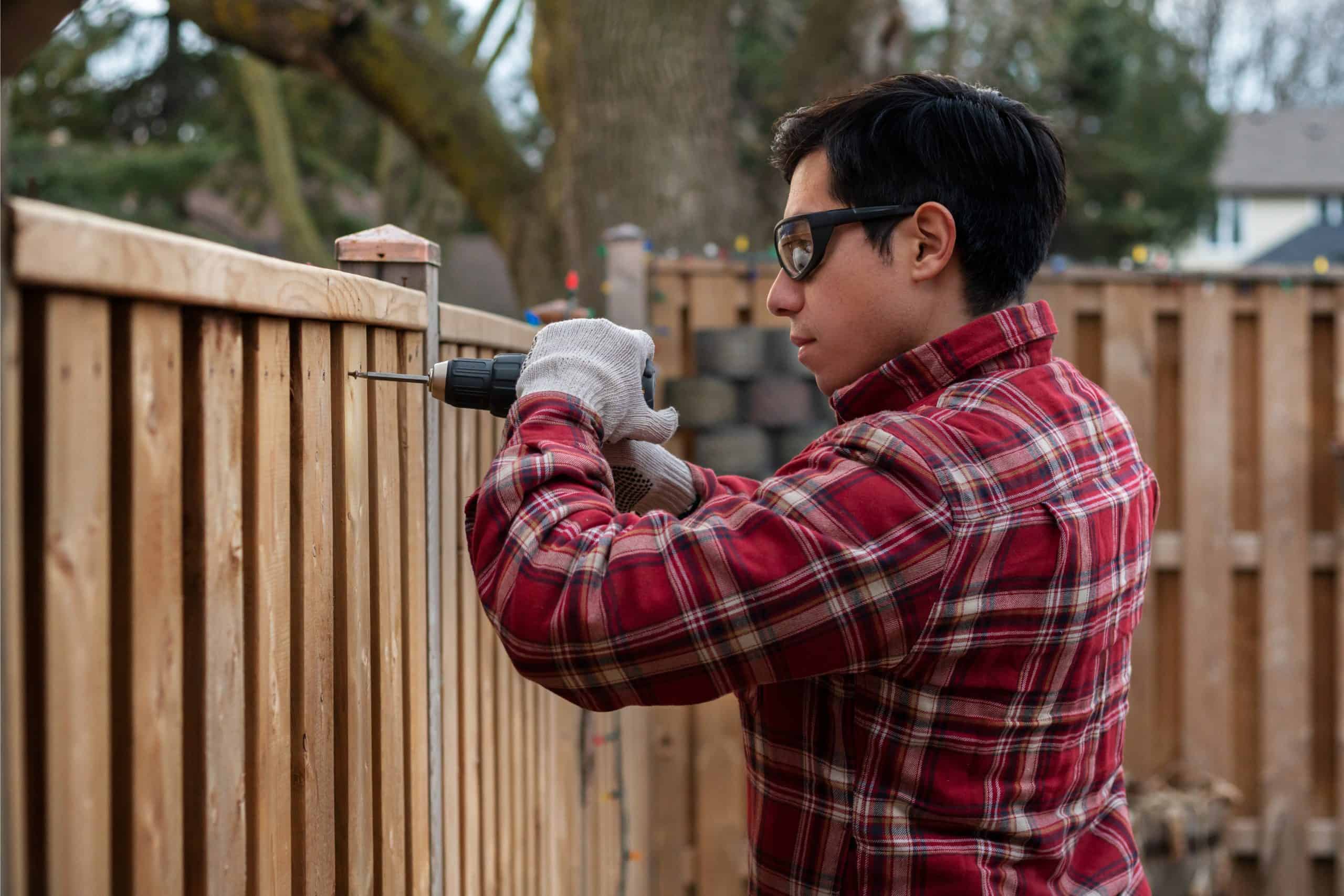
If it’s pressure treated and installed correctly, you’re looking at 15 to 20 years before you need to think about replacement. That’s assuming you’re not in a flood zone that stays wet for months at a time.
The biggest factor is whether the wood was treated before installation and whether the posts were set deep enough in concrete. If either of those steps gets skipped or done poorly, you’ll see rot at the base of the posts within five years. Florida’s humidity doesn’t give you much margin for error.
Regular maintenance helps. That means resealing or staining every few years to keep moisture from soaking into the grain. But even if you don’t stay on top of that, a properly installed pressure treated fence will outlast the cheaper options by a decade.
Pressure treated pine is the most common and the most practical for Florida. It’s chemically treated to resist rot, insects, and moisture damage, which matters when you’re dealing with humidity that never really drops.
Cedar is another option if you want something naturally resistant to decay and you like the look. It costs more and still needs sealing to hold up long-term in this climate. Some people go that route for the aesthetics, but functionally, treated pine does the job for less money.
Avoid untreated wood entirely. It won’t last. You’ll end up with boards that warp, split, or rot within a couple of years, and then you’re paying for repairs or replacement way sooner than you should be.
Most likely, yes. Lake County and Lady Lake both have fencing regulations that require permits for new fence installations, especially if the fence is over a certain height or located near a property line.
The permit process isn’t complicated, but it does add time to the project. You’ll need a site plan, proof of property lines, and sometimes approval from your HOA if you’re in a community with one. We handle permit pulls as part of our service so you don’t have to deal with the back-and-forth.
Skipping the permit might seem easier, but if code enforcement shows up or you try to sell your house later, an unpermitted fence becomes a problem. It’s worth doing it right from the start.
For most residential projects, you’re looking at $20 to $30 per linear foot depending on height, style, and wood type. A standard six-foot privacy fence for a typical backyard runs between $3,500 and $6,000.
That price includes materials, labor, post-hole digging, concrete, and installation. If your property has slopes, difficult access, or requires extra grading work, the cost goes up. Same if you want custom gates, decorative caps, or staining done upfront.
We give free estimates so you know exactly what you’re paying before any work starts. No hidden fees, no surprise charges after the job’s done. You’ll get a line-item breakdown that shows where your money’s going.
They can if they’re installed correctly. That means posts set at least two feet deep in concrete, proper bracing, and rails attached with galvanized hardware that won’t rust out.
The weak point in most wood fences during storms is the posts. If they’re not deep enough or the concrete wasn’t mixed right, the whole fence can lean or fall when wind speeds pick up. We set posts to handle the wind loads common in Central Florida, which means going deeper than the bare minimum.
Solid privacy panels catch more wind than spaced pickets, so if you’re in an area that gets hit hard during hurricane season, a shadowbox style gives you privacy while letting some air pass through. It’s a trade-off, but it can mean the difference between a fence that stays up and one that doesn’t.
Seal or stain it every two to three years. Florida’s sun and rain will break down the finish faster than in drier climates, so staying on top of that coating is the biggest thing you can do to extend the life of your fence.
Check for loose boards or rails after storms. Wind can work fasteners loose over time, and catching that early means tightening a screw instead of replacing a whole section later. Same with looking for any spots where water is pooling near the base of posts—that’s where rot starts.
Keep vegetation trimmed back from the fence line. Vines, bushes, and grass that stay pressed against the wood hold moisture and speed up decay. A few inches of clearance makes a difference in how long the wood lasts.
Other Services we provide in Carlton Village