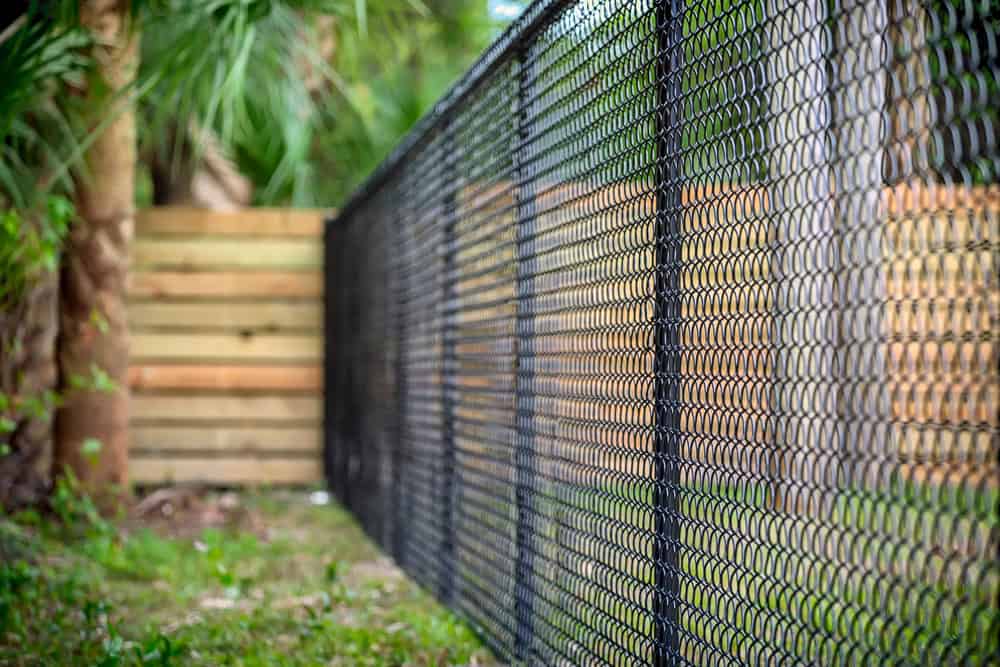
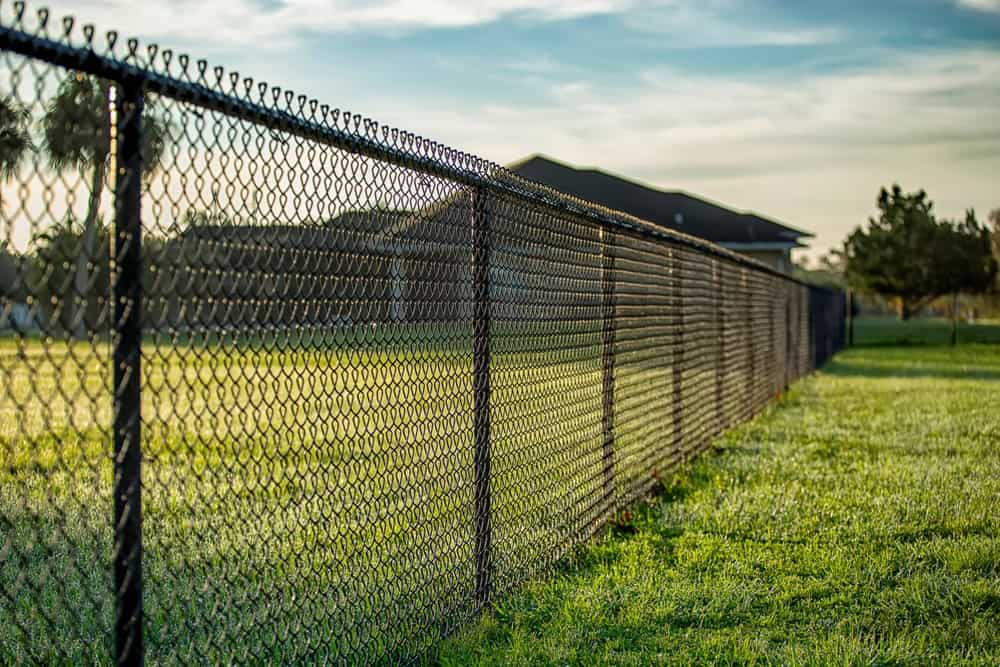
You’re looking at a fence that holds up when it matters. Not just during installation week, but three years from now when your neighbor’s fence is sagging and yours still looks clean.
That means your dog stays in the yard without you second-guessing the latch. Your property line stays clear without monthly arguments. And you’re not calling us back out here every hurricane season to fix what shouldn’t have broken in the first place.
Florida humidity eats cheap galvanized steel for breakfast. Salt air from the coast accelerates rust even faster. That’s why the material choice matters more here than almost anywhere else. Vinyl-coated options add years to the lifespan. Proper post depth prevents the lean that happens after the ground shifts from heavy rain. These aren’t upsells—they’re the difference between a fence that works and one that becomes your problem.
We’ve been installing fences across Central Florida long enough to know what fails and why. We’ve seen what happens when posts aren’t set deep enough. We’ve replaced fences that rusted out because someone used the wrong coating for coastal humidity.
Colonial Town Center sits in a dense suburban area where properties are close and yards are active. Families here need fences that contain pets, define boundaries, and don’t become an eyesore in two seasons. We get that because we’ve worked in this neighborhood and others like it across Lake, Orange, Seminole, and Brevard counties.
We’re not the cheapest option, and that’s intentional. You’re paying for materials that resist corrosion and installation that doesn’t cut corners on post depth or tension. That’s what keeps a fence standing after a storm and looking decent after years of sun exposure.
First, we come out to look at your property. Not to sell you—just to see what you’re working with. Soil type matters. Drainage matters. Property line clarity matters. We measure, we ask questions, and we give you a straight quote with no surprise fees later.
Once you’re ready to move forward, we schedule installation around your timeline. Posts go in first, set 2-3 feet deep in concrete because Florida soil shifts and shallow posts fail. We let the concrete cure properly—not the same day, not rushed. Then we stretch the chain link fabric with the right tension so it doesn’t sag or ripple.
Gates get installed last with hardware that won’t seize up from humidity. We walk the fence line with you, check every connection point, and make sure you know how to maintain it. The whole process typically takes a few days depending on your property size, and we clean up completely when we’re done. No leftover concrete chunks. No torn-up grass we didn’t fix.
Ready to get started?
You’re getting galvanized or vinyl-coated chain link fabric depending on what your property needs. Galvanized works fine for most residential applications. Vinyl coating adds color options and extends the rust resistance timeline, which matters more if you’re near water or in a high-humidity pocket.
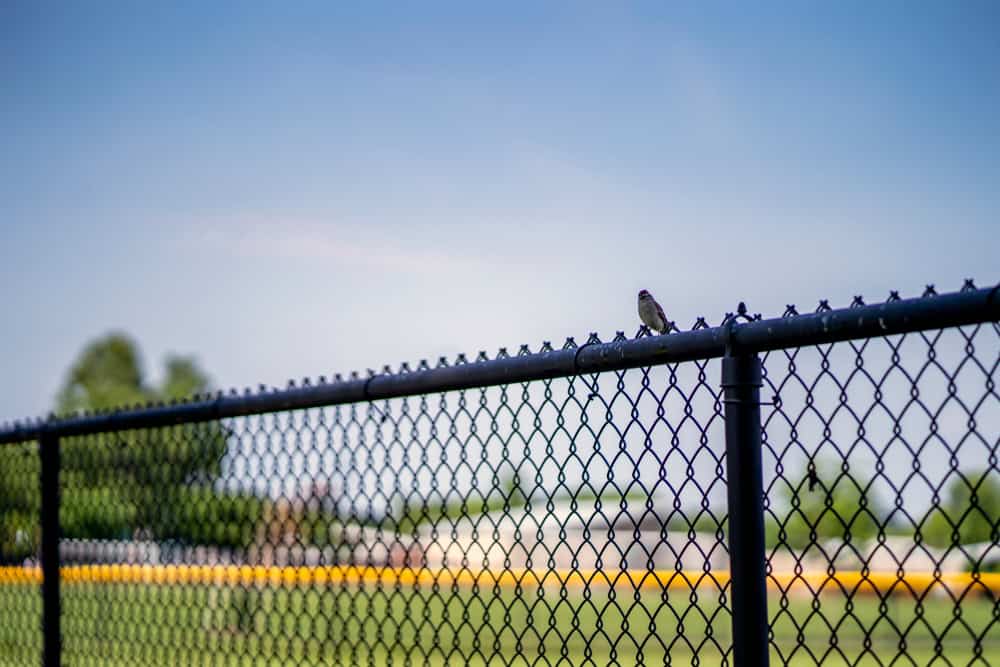
Posts are steel, set in concrete at proper depth. Corner and gate posts are larger diameter because they carry more load. Top rail runs the full length to prevent sagging. All hardware is rust-resistant because standard hardware fails fast in Florida’s climate.
Colonial Town Center properties tend to be smaller lots with active outdoor use—dogs, kids, pool areas. That means gates see heavy use and need quality latches that don’t stick or break after a few months. We install commercial-grade gate hardware on residential projects because it lasts longer and you won’t be calling us back to replace a cheap latch.
Height options typically range from four to six feet depending on your purpose. Pool code requires specific heights and self-closing gates. Pet containment needs different considerations than pure boundary marking. We’ll talk through what makes sense for your situation during the estimate, not just default to one standard option.
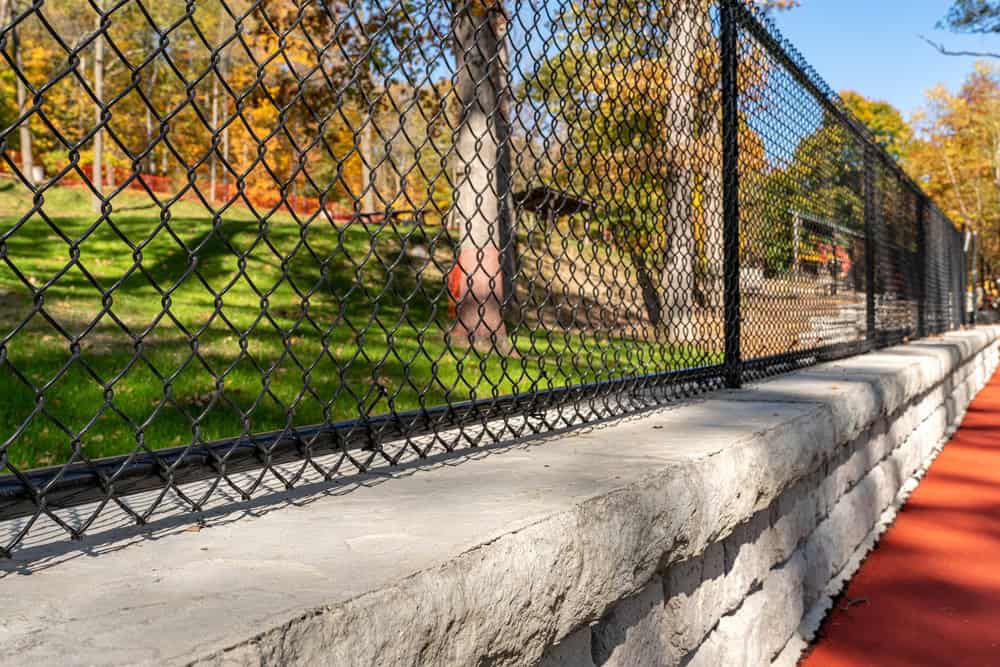
Most residential chain link projects in Colonial Town Center run between $10 and $25 per linear foot installed. That’s a wide range because it depends on height, coating type, soil conditions, and how many gates you need.
A basic four-foot galvanized fence on straightforward terrain sits at the lower end. Six-foot vinyl-coated with multiple gates and rocky soil that requires extra excavation pushes toward the higher end. We give you an exact number after seeing your property—not a vague estimate that changes later.
Material costs have stayed relatively stable for chain link compared to wood and vinyl, which have jumped significantly in recent years. That makes chain link one of the few fencing options where your budget can still get you quality without compromise. We don’t hide fees or add surprise charges after the job starts. The quote we give you is what you pay unless you change the scope.
Chain link performs better in high winds than solid fencing because wind passes through the mesh instead of pushing against a solid surface. That’s why you see chain link still standing after storms that flatten wood privacy fences.
The weak point isn’t usually the fabric—it’s the posts. If posts aren’t set deep enough or the concrete wasn’t mixed right, the whole fence can lean or pull out during sustained winds. We set posts 2-3 feet deep in proper concrete mix specifically to prevent that failure mode.
After a hurricane, check for debris caught in the links and remove it quickly. Heavy branches or metal objects can stress connection points if left hanging. Also inspect gate latches and hinges since those take the most abuse during storms. Minor adjustments after a major weather event are normal. Complete failure shouldn’t be if the installation was done correctly from the start.
Rust prevention starts with material choice. Galvanized chain link has a zinc coating that protects the steel underneath. Vinyl-coated adds a plastic layer over the galvanized steel, giving you two levels of protection. For Colonial Town Center’s humidity and proximity to coastal air, vinyl-coated extends your fence life significantly.
Regular inspection catches rust early when it’s still surface-level and manageable. Look for spots where the coating is damaged—from lawn equipment hits, dog scratching, or debris impact. Touch up those spots with rust-inhibiting paint before corrosion spreads to the underlying steel.
Keep vegetation trimmed back from the fence. Constant moisture from plants pressed against the links accelerates rust. Same with sprinklers hitting the fence directly every day. If you spot rust forming, wire brush the area down to bare metal, apply a rust converter, then coat with outdoor metal paint. Catching it early means a ten-minute fix instead of a panel replacement later.
Most residential chain link installations in Colonial Town Center take two to four days depending on property size and soil conditions. That includes post setting, concrete curing time, fabric installation, and gate hanging.
Day one is usually post installation. We dig, set posts in concrete, and let them cure overnight minimum. Rushing this step causes problems later. Day two we install the top rail and stretch the chain link fabric. Day three handles gates and final adjustments. Larger properties or complicated layouts add time.
Weather delays happen in Florida. We don’t set posts in standing water or pour concrete in heavy rain. That might push your timeline back a day or two, but it prevents installation failures that would cost you more to fix later. We’ll give you a realistic timeline upfront and keep you updated if anything changes. Most people are surprised how fast it goes once we start—chain link installs much quicker than wood or vinyl fencing.
Usually yes, but it depends on what you’re matching. Chain link comes in standard mesh sizes and wire gauges, so finding matching fabric isn’t difficult. Color matching on vinyl-coated fencing is trickier because colors fade over time and manufacturers change their coating formulas.
If you’re replacing a damaged section, we can get close enough that most people won’t notice unless they’re looking for it. If you’re extending an existing fence, expect some visible difference between old weathered sections and new material. That’s unavoidable—even identical products look different after years of sun exposure.
For repairs, we assess whether fixing makes sense or if replacement is smarter. A single damaged post or torn section is worth repairing. A fence with multiple failing posts, widespread rust, and sagging fabric probably needs replacement. We’ll tell you honestly which situation you’re in. Sometimes spending money on repairs just delays the inevitable replacement by a year or two, and that’s not a good use of your budget.
Most residential chain link fence installations in Colonial Town Center require a permit, especially if you’re near property lines or installing around a pool. Permit requirements vary by exact location and fence purpose, but it’s better to assume you need one than skip it and deal with code enforcement later.
Pool fencing has specific requirements—minimum height, self-closing gates, maximum gap between ground and bottom of fence. These aren’t suggestions. Inspectors check them, and insurance companies care about compliance. We handle permit applications as part of our service because we know what local code requires and how to submit documentation correctly.
Setback requirements determine how close to your property line you can build. Some HOAs have additional restrictions on fence height, color, or style. We check all of this before installation so you’re not tearing anything down later. Skipping permits might save a small fee upfront, but it creates problems when you sell your property or file an insurance claim. Not worth the risk.
Other Services we provide in Colonial Town Center