A fence replacement in Colonial Town Center does more than fill the gap where your old one used to be. You get real security again—no more sections leaning after every storm or gaps wide enough for the neighbor’s dog to wander through.
Your property value goes up. Buyers notice curb appeal, and a solid fence signals that the home’s been maintained. You also get privacy back, which matters when you’re trying to enjoy your yard without feeling like you’re on display.
If your fence went down in a storm, your homeowner’s insurance likely covers the replacement. Most policies include “other structures” coverage at about 10% of your dwelling limit. That means if your home is insured for $200,000, you could have up to $20,000 available for fence damage caused by wind, falling trees, or hurricane conditions. We work with those claims regularly and know what documentation helps the process move faster.
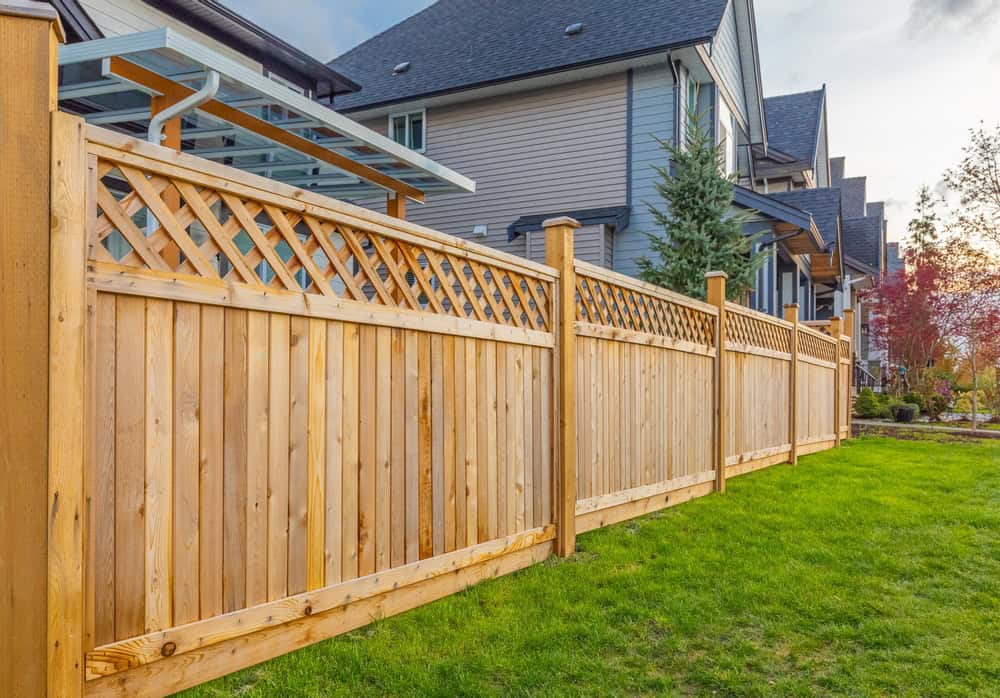
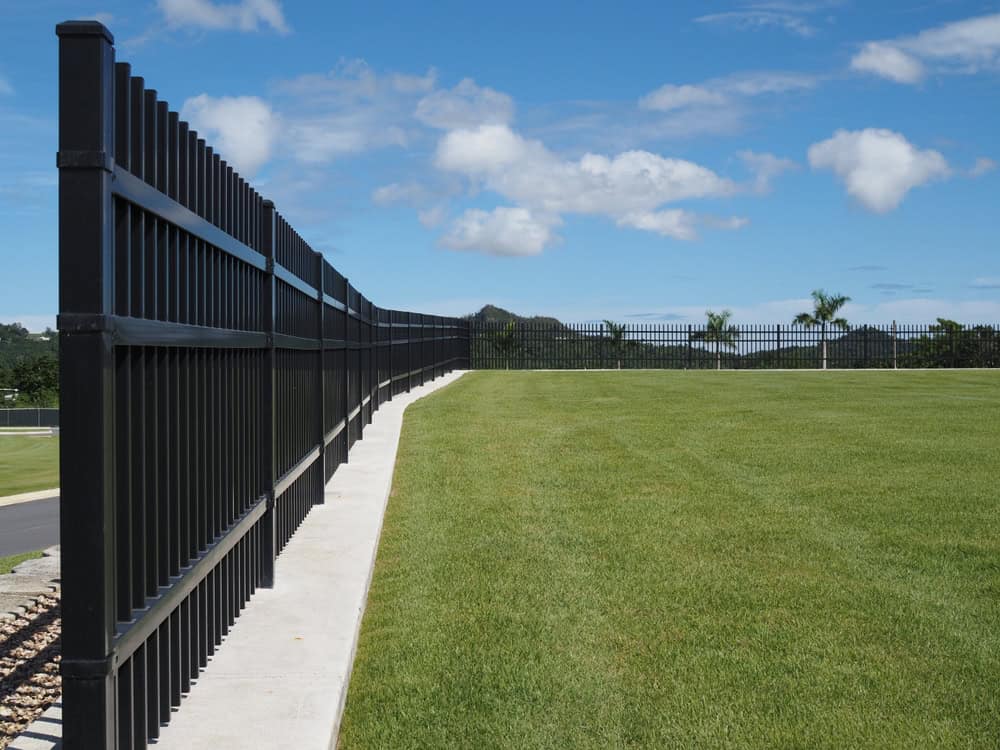
The right materials make a difference here. Pressure-treated wood, vinyl, and aluminum all handle Florida’s humidity, heat, and storms differently. We’ll walk you through what works for your property and your budget, so you’re not replacing this thing again in three years.
Mossy Oak Fence LLC has been handling residential and commercial fence replacement across Central Florida for years. That includes Colonial Town Center and the surrounding Orange County area, where storm season isn’t a question of “if” but “when.”
We’re licensed, insured, and we don’t disappear after the install. Our team knows how to set posts in Florida’s sandy soil, which materials hold up in high winds, and what your HOA is probably going to require before they approve the project.
You’ll get a free estimate with transparent pricing. No surprise fees, no pressure tactics. If your old fence replacement in Colonial Town Center is covered by insurance, we’ll help you understand what’s needed to file and document the claim properly.
First, we come out and assess the damage or deterioration. We measure the property, check for any grade issues, and talk through what you’re looking for—privacy, security, aesthetics, or all three. If it’s storm damage, we document everything you’ll need for the insurance claim.
Next, we give you a detailed estimate. You’ll know exactly what materials we’re using, how deep the posts go (at least three feet in Florida soil, often more), and how long the job will take. If you’re replacing sections versus the whole fence, we’ll explain why one makes more sense than the other.
Once you approve, we handle permits if needed and coordinate with your HOA. Then we remove the old fence, prep the site, and install the new one. Posts get set properly, panels go up level, and gates actually swing the way they’re supposed to.
We clean up when we’re done. You’re left with a fence that does its job and looks like it belongs there.
Ready to get started?
Your fence replacement in Colonial Town Center includes full removal of the existing fence and disposal of old materials. We don’t leave that mess for you to deal with.
You get professional installation with posts buried to proper depth—critical in Central Florida where storms test every weak point. We use pressure-treated wood, vinyl, aluminum, or chain link depending on what fits your needs. Wood fences run about $17 to $45 per linear foot installed, depending on the style and height. Vinyl costs more upfront but requires almost no maintenance. Aluminum gives you durability without the rust issues you’d get with untreated metal.
Gates are part of the package, installed with heavy-duty hinges and hardware that won’t sag after six months. If you’re in an HOA community in Colonial Town Center, we make sure the design meets their guidelines before we start.
We also coordinate timing around Florida’s weather. Hurricane season and summer storms mean we’re strategic about scheduling so your property isn’t left exposed. After installation, you’ll get care instructions for your specific material—because a wood fence and a vinyl fence don’t get maintained the same way.
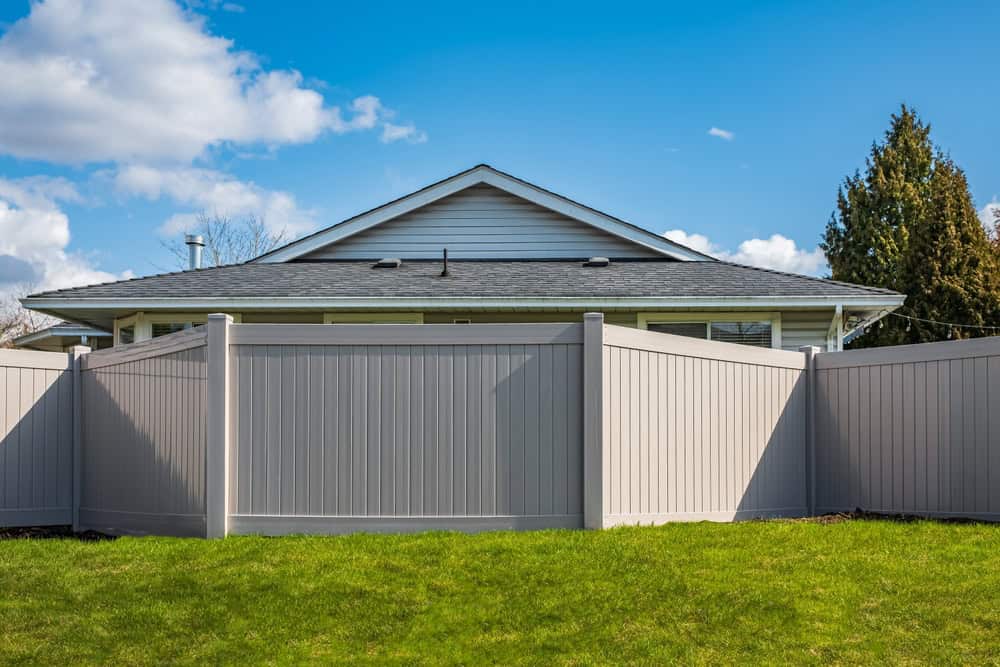
Most residential fence replacements take two to four days depending on the size of your property and the material you choose. A standard backyard with 150 linear feet of wood or vinyl fencing usually wraps up in two to three days if weather cooperates.
Larger properties or more complex layouts—like estates with multiple gates or uneven terrain—can take closer to a week. We also factor in permit approval times if your project requires one, which can add a few days before we start.
If you’re replacing a fence after storm damage, material availability can affect timing. After a major hurricane, lumber and fencing supplies sometimes run short across Central Florida. We keep relationships with multiple suppliers to minimize delays, but it’s something to plan for if you’re in a post-storm situation.
Most homeowner’s insurance policies in Florida include coverage for fences under “other structures,” which is typically 10% of your dwelling coverage. If high winds, falling trees, or hurricane-force conditions damaged your fence, you’re likely covered.
The key is documentation. Take photos of the damage from multiple angles as soon as it’s safe to do so. Note the date and keep records of any weather reports that confirm storm activity in Colonial Town Center on that day. Your insurance company will want proof that the damage was sudden and weather-related, not just wear and tear.
We’ve worked with enough claims to know what adjusters look for. If your fence was already deteriorating before the storm, that complicates things. But if a healthy fence got taken down by wind or debris, coverage is usually straightforward. We can provide detailed estimates and documentation to support your claim.
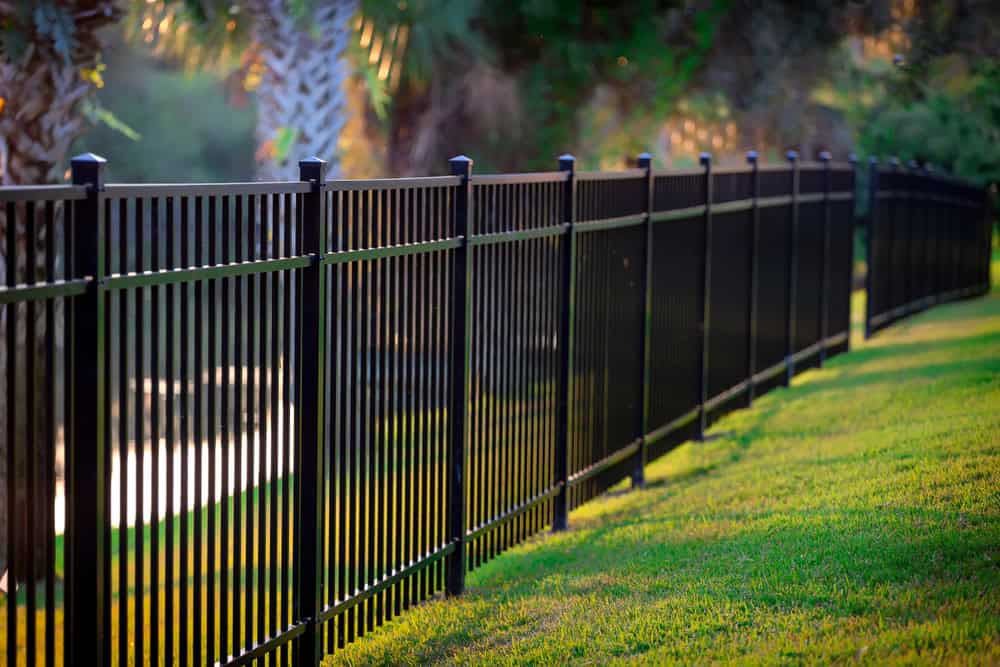
Vinyl and aluminum are your lowest-maintenance options for Florida’s climate. Vinyl won’t rot, doesn’t need painting, and handles humidity without warping. Aluminum resists rust and holds up well in coastal areas where salt air accelerates corrosion on other metals.
Pressure-treated wood is still popular because it costs less upfront and gives you that natural look. Cedar and redwood have natural rot resistance, but they need regular sealing to maintain their appearance in Florida’s sun and rain. Expect to reseal wood fences every two to three years.
Chain link is the most budget-friendly and practically indestructible in storms, but it offers zero privacy. It works well for containing pets or marking property lines when aesthetics aren’t the priority. For Colonial Town Center properties where HOAs have design standards, wood and vinyl tend to be the go-to choices because they look more finished.
Fence posts should go at least three feet deep in Central Florida soil, and often deeper depending on your fence height and soil conditions. Taller fences—six feet and up—need posts closer to four feet deep to handle wind load during storms.
Colonial Town Center sits in Orange County where soil composition varies. Some areas have sandy soil that drains well but doesn’t grip posts as firmly. In those spots, we use larger post holes and concrete to anchor everything properly. Loose or shallow posts are the first thing to fail when hurricane-force winds hit.
We also account for frost line requirements, though Florida’s frost line is minimal compared to northern states. The bigger concern here is storm resistance. Posts set too shallow will lean, crack at ground level, or pull completely out during severe weather. Doing it right the first time means your fence is still standing after the next big storm rolls through.
You can replace sections if the damage is isolated and the rest of the fence is still in good shape. If a tree fell and took out 20 feet of fencing but the other 100 feet is solid, there’s no reason to replace everything.
The challenge is matching materials. If your fence is older, the wood might be weathered to a different color, or the style might not be available anymore. Vinyl and aluminum are easier to match because they don’t fade as much. We’ll do our best to blend the new section, but there’s usually a visible difference for the first year until everything weathers together.
If your fence is more than 10 years old and showing wear in multiple spots, replacing the whole thing often makes more sense financially. You avoid the patchwork look and you’re not paying for another service call in six months when a different section fails. We’ll walk the property with you and give you an honest assessment of whether partial replacement is worth it or if you’re better off starting fresh.
Wood fence replacement typically runs $17 to $45 per linear foot depending on the style, height, and type of wood. A standard privacy fence for an average backyard—around 150 linear feet—usually falls between $2,500 and $6,500 installed.
Vinyl costs more upfront, usually $25 to $60 per linear foot, but you’re not repainting or resealing it every few years. Aluminum fencing runs similar to vinyl. Chain link is the most affordable at $10 to $30 per linear foot, but it doesn’t offer privacy.
Gates, corner posts, and any custom work add to the base cost. If your property has slopes or requires extra grading, that affects pricing too. We give you a free estimate with everything broken out clearly, so you know exactly what you’re paying for before we start. No hidden fees, no surprises when the job’s done.
Other Services we provide in Colonial Town Center