Florida weather doesn’t play nice with fencing. Humidity eats through cheap materials. Storms test every post. Salt air from nearby lakes accelerates corrosion faster than most homeowners expect.
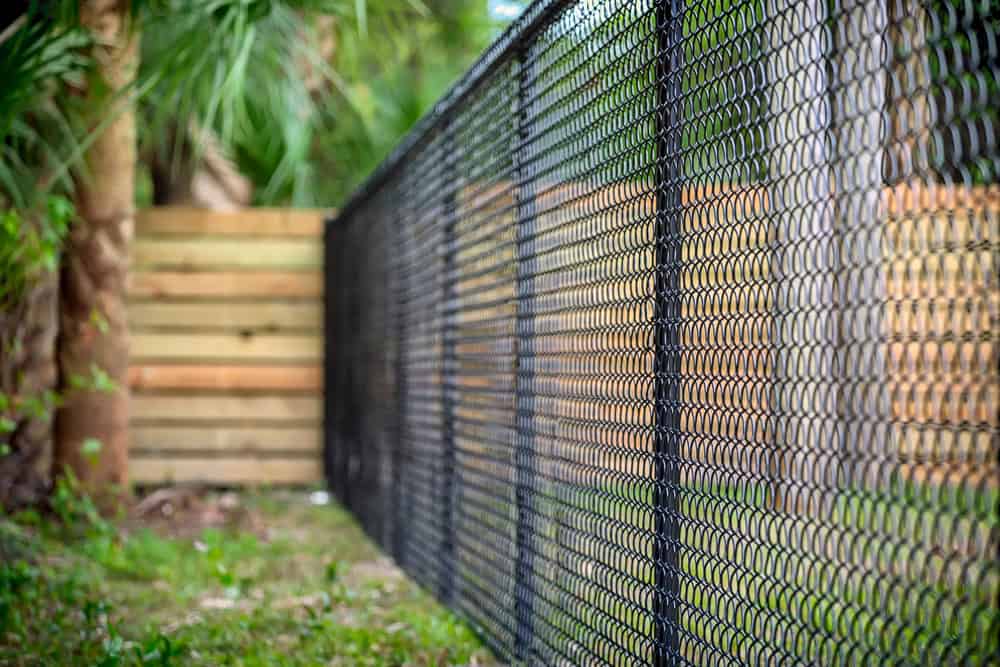
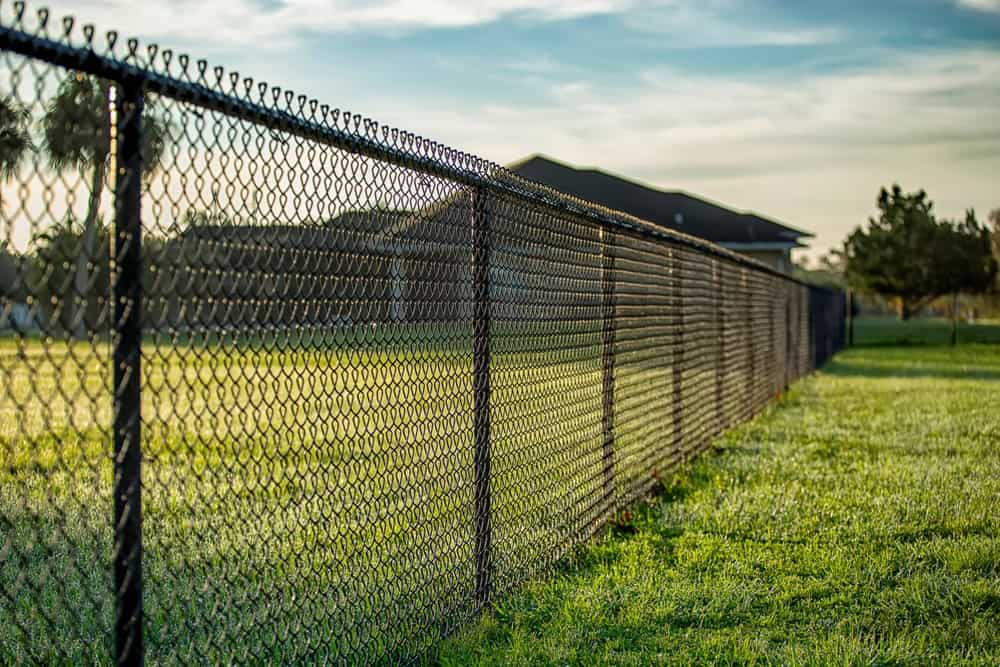
You’re looking at a fence that resists rust from day one. Galvanized steel or vinyl-coated options give you protection against the elements without the maintenance headaches wood or untreated metal bring. Wind passes through the chain link design instead of pushing against a solid surface, which means your fence stays standing when storms roll through Conant.
The installation process matters just as much as the materials. Posts set in concrete at the right depth. Tension applied correctly so the fabric doesn’t sag after a few months. Gates that swing smoothly and latch securely year after year. You get a fence that looks clean, functions properly, and doesn’t demand your attention every season.
We’ve spent over 20 years working in Lake County and the surrounding areas. We’ve installed chain link fencing for residential properties throughout Conant, from small backyard enclosures to larger perimeter fencing for multi-acre lots.
Conant’s mix of older homes and mobile home properties means we’ve worked with different soil conditions, property layouts, and budget requirements. We know which gauge chain link holds up best here. We understand local permit requirements and property line regulations that can trip up inexperienced installers.
We use galvanized and vinyl-coated materials designed specifically for Florida’s coastal climate. Every installation includes proper corner bracing, tension wire for added stability, and concrete footings sized for the fence height and local soil conditions.
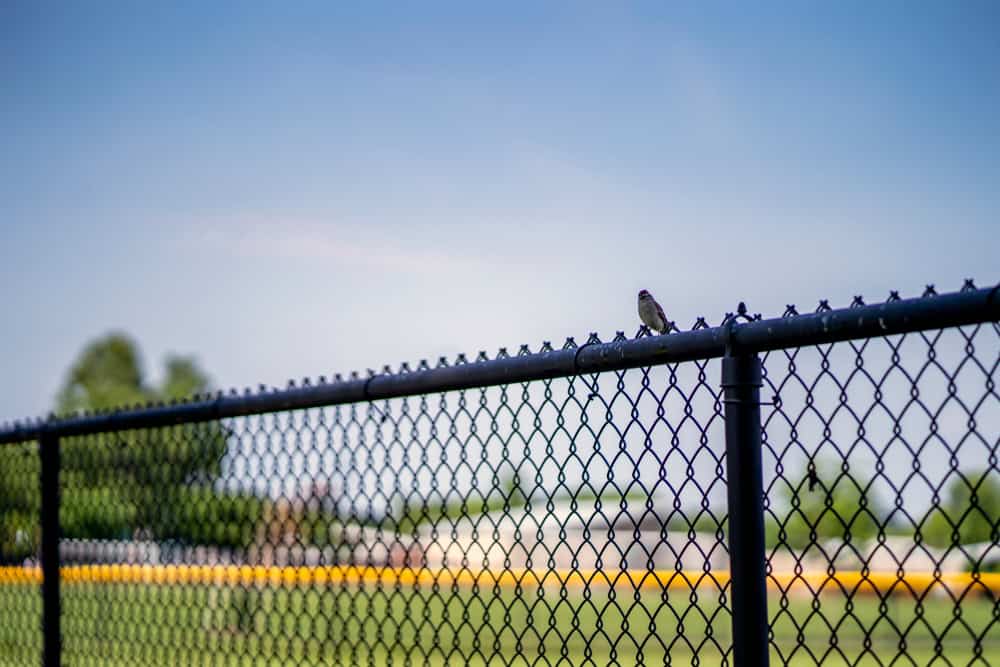
We start with a property visit to measure your space, check soil conditions, and discuss what you need the fence to do. Security, pet containment, property line marking, or pool code compliance all require slightly different approaches to height, gate placement, and mesh size.
You’ll get a written estimate that breaks down materials, labor, and timeline. No surprises. We schedule installation around your availability and handle any required permits before we start digging.
Installation begins with marking post locations and setting corner and gate posts in concrete. These cure for 24-48 hours depending on weather. Then we set line posts, stretch the chain link fabric to proper tension, and install top rail. Gates go in last, adjusted so they swing freely and latch securely. We clean up all debris and walk the fence line with you to confirm everything meets your expectations.
Most residential chain link installations in Conant take 1-3 days depending on property size and fence length. Larger commercial projects or complex layouts take longer, but we’ll give you an accurate timeline upfront.
Ready to get started?
Chain link fencing in Conant typically ranges from 4 to 6 feet for residential properties, though height depends on your specific needs and any HOA restrictions. The mesh comes in different gauges—thicker wire costs more but holds up better to impact and provides longer lifespan in Florida’s climate.
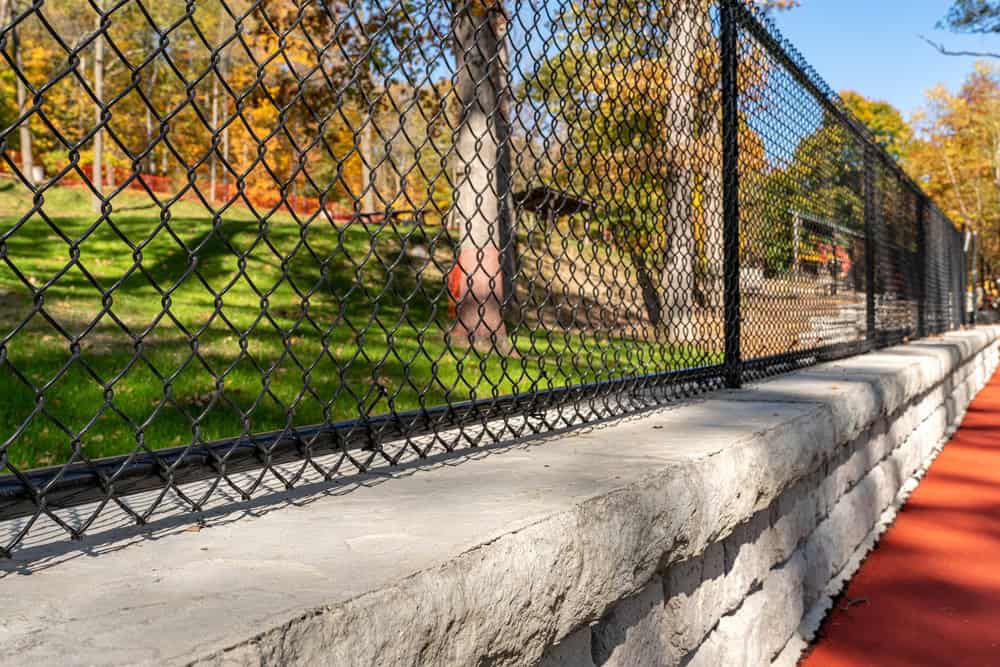
Galvanized chain link offers the most affordable rust protection. The zinc coating handles humidity and rain well for 15-20 years with minimal maintenance. Vinyl-coated options add color (usually black, brown, or green) and extra corrosion resistance, which extends lifespan closer to 25-30 years. The vinyl coating also makes the fence less visible from a distance if you’re trying to maintain open sightlines across your property.
Gate options include single walk gates, double drive gates, and self-closing mechanisms for pool code compliance. We install gates with heavy-duty hinges and commercial-grade latches that don’t rust or seize up after a few years. Bottom tension wire runs along the fence line to prevent the fabric from lifting or animals from pushing underneath.
Corner posts and gate posts use larger diameter steel with thicker walls than line posts. This prevents sagging at stress points. All posts get set in concrete at depths appropriate for your fence height and local soil conditions—deeper in sandy soil, proper diameter for clay-heavy areas common around Conant.
Most residential chain link fence installations in Conant run between $1,500 and $4,000 depending on total linear footage, fence height, and whether you choose galvanized or vinyl-coated materials. You’re looking at roughly $10-$25 per linear foot installed for standard residential work.
A typical quarter-acre lot with 150-200 linear feet of 4-foot galvanized chain link usually falls in the $2,000-$3,000 range including gates. Taller fences, thicker gauge wire, vinyl coating, or difficult soil conditions push costs higher. Properties with significant slope or obstacles like trees and utility lines also require more labor.
We provide written estimates after seeing your property. Pricing includes all materials, labor, concrete for posts, and cleanup. No hidden fees for “disposal” or “travel” that some companies tack on later.
Galvanized chain link fencing typically lasts 15-20 years in Conant before you start seeing significant rust or structural issues. Vinyl-coated chain link extends that to 25-30 years because the coating provides an extra barrier against moisture and salt air.
The posts usually outlast the fabric if they’re installed correctly. Concrete footings prevent posts from shifting or rusting at ground level where moisture sits. We set posts deeper than the minimum code requirement because Florida’s sandy soil and heavy rain can cause settling over time.
Regular maintenance extends lifespan considerably. Hosing down the fence a few times a year removes pollen, dirt, and salt buildup that accelerates corrosion. Checking for loose tension wire or damaged sections after storms prevents small problems from spreading. Most homeowners spend less than an hour per year maintaining chain link compared to the constant staining, painting, or board replacement other fence types demand.
Residential properties in Conant typically use 11-gauge or 9-gauge chain link. The lower the number, the thicker the wire. 11-gauge works fine for basic property line marking or pet containment where the fence won’t take much impact. 9-gauge costs more but handles Florida’s weather better and resists damage from fallen branches or accidental impacts.
Commercial properties or areas with security concerns usually go with 6-gauge or even thicker. The heavier wire is harder to cut and holds up to deliberate tampering better than residential-grade materials.
Mesh size also matters. Standard 2-inch mesh works for most applications. Smaller 1-inch mesh prevents small dogs from squeezing through and provides better security, but costs more and looks denser. We recommend 9-gauge with 2-inch mesh for most Conant residential installations—it balances durability, cost, and function without over-building or under-protecting your property.
Lake County requires permits for most fence installations, including chain link. The permit process verifies your fence meets setback requirements from property lines, doesn’t obstruct sightlines at street corners, and complies with height restrictions for your zoning.
Residential properties typically allow up to 6 feet in back and side yards, with front yard restrictions usually capping at 4 feet. These rules vary by subdivision and HOA, so we verify requirements before installation. Some neighborhoods in Conant have additional restrictions on fence materials or colors.
We handle permit applications as part of our installation service. The process usually takes 1-2 weeks depending on county workload. Skipping permits creates problems if you sell your property later—title companies and inspectors flag unpermitted structures, which can delay or kill real estate transactions. The permit cost is minor compared to the headache of dealing with code enforcement or removing non-compliant fencing.
Chain link performs better in high winds than solid fencing because wind passes through the mesh instead of pushing against a solid surface. That’s why you see chain link still standing after storms that flatten wood privacy fences.
Proper installation matters more than the fence itself. Posts need adequate depth and concrete volume to resist uplift and lateral forces. Corner bracing prevents the fence from racking sideways. Tension wire along the bottom keeps the fabric from lifting or billowing in sustained winds.
We’ve seen 20-year-old chain link fences in Conant survive multiple hurricane seasons with minimal damage while newer wood and vinyl fences required complete replacement. The key is using proper gauge wire, setting posts correctly, and maintaining tension. A well-installed 9-gauge galvanized or vinyl-coated chain link fence will handle anything short of a direct hit from a major hurricane, and even then, repairs are usually limited to re-tensioning fabric or replacing a damaged section rather than rebuilding the entire fence.
Galvanized chain link gets dipped in molten zinc during manufacturing, which creates a rust-resistant coating on the steel wire. This is the standard option for most residential installations. The zinc coating protects against moisture and oxidation for 15-20 years in Florida’s climate before you start seeing rust spots.
Vinyl-coated chain link adds a colored polymer layer over galvanized wire. This gives you color options—usually black, brown, or green—and provides extra protection against corrosion. The vinyl coating extends lifespan to 25-30 years and makes the fence less visually prominent across your property.
Cost difference runs about 20-30% more for vinyl-coated materials. Whether that’s worth it depends on your priorities. If you want the fence to blend into landscaping or prefer a specific color, vinyl coating makes sense. If you’re working with a tight budget and don’t mind the silver metallic look, galvanized performs well for the money. Both options resist rust significantly better than untreated steel, which would corrode within months in Conant’s humid environment.
Other Services we provide in Conant