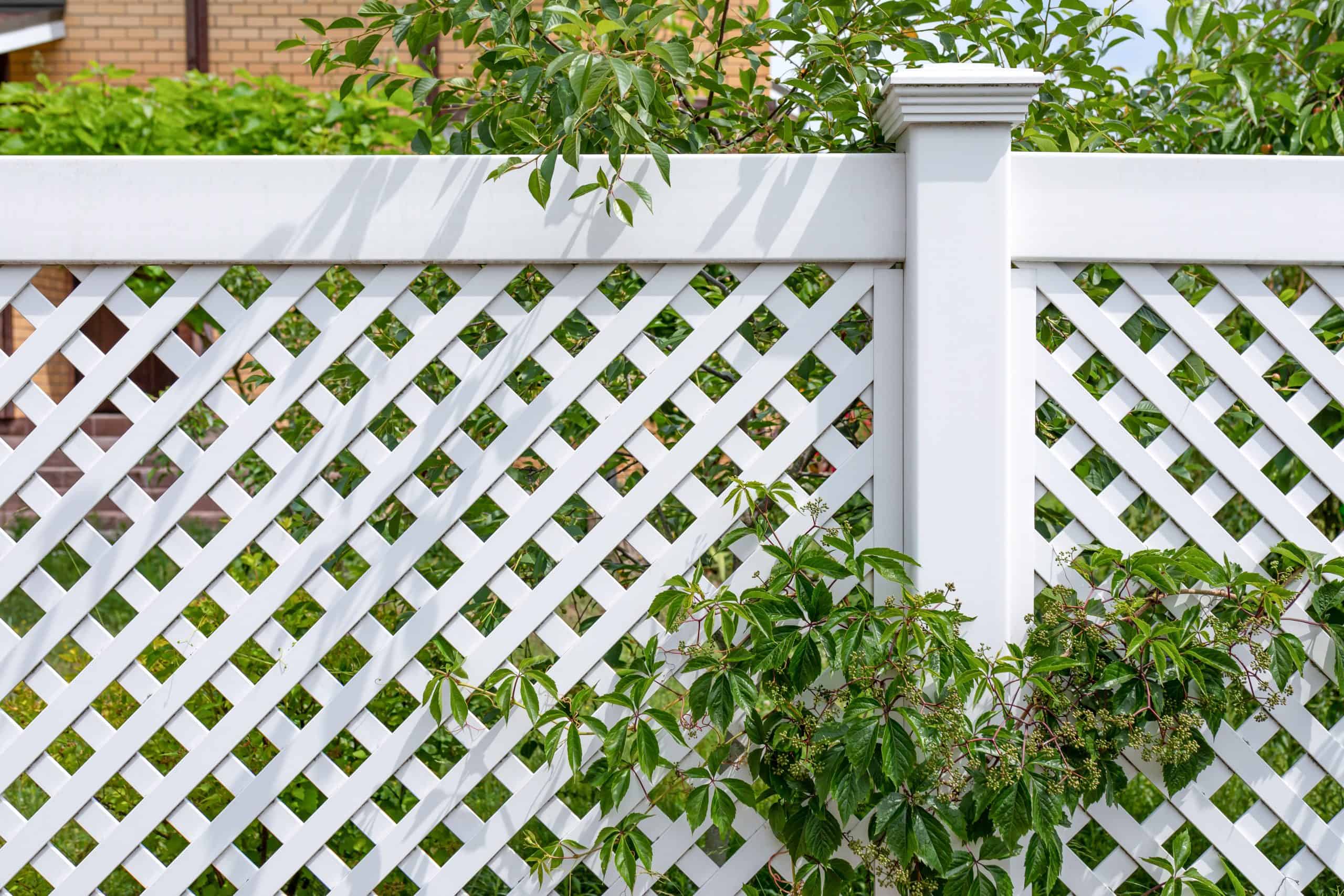
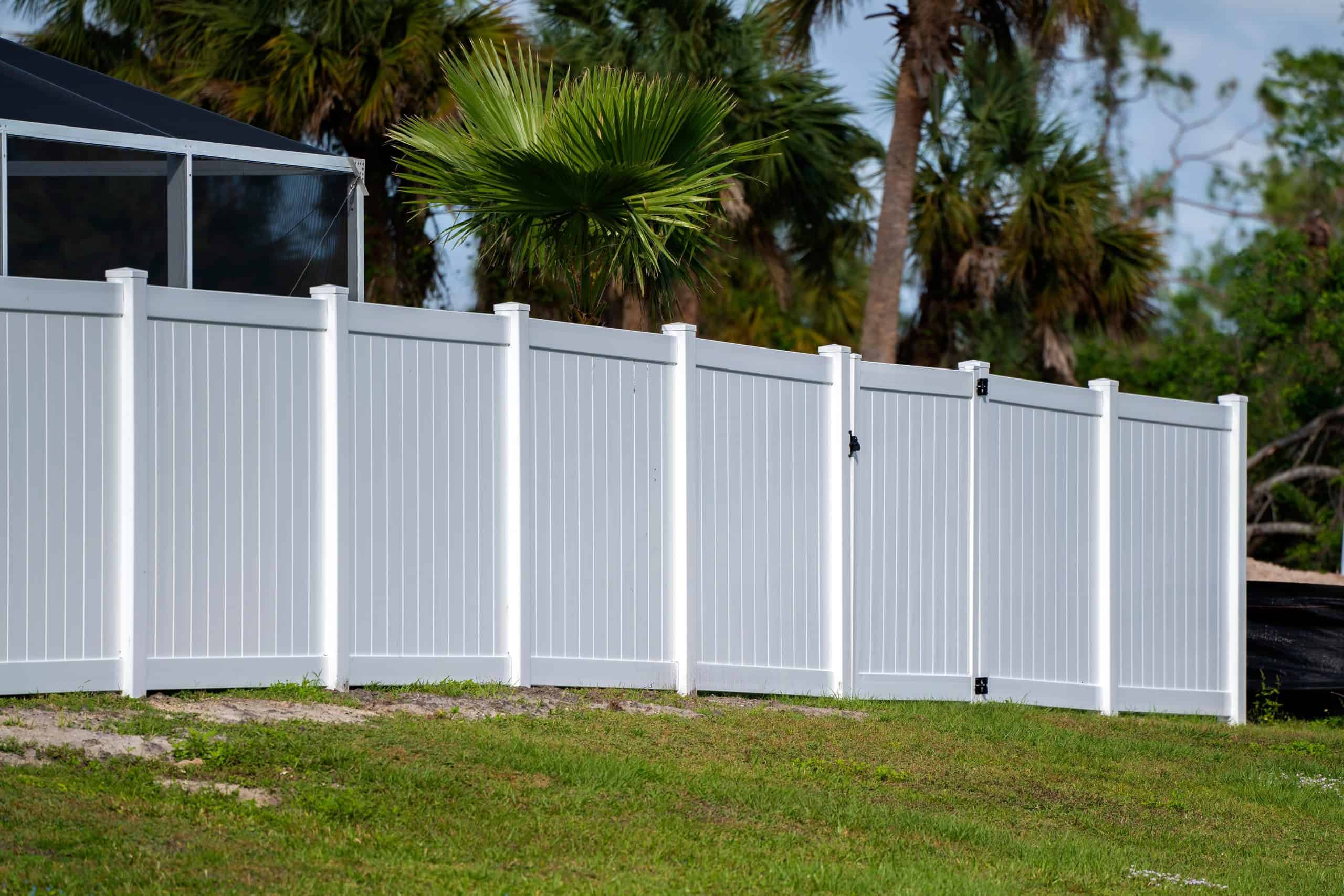
You’re not painting or sealing anything every few years. You’re not replacing rotted boards after a wet summer. You’re not dealing with termites eating through your property line.
Vinyl fences in Conant, FL handle what wood can’t. The humidity that warps pine in six months doesn’t touch vinyl. The sun that bleaches and cracks treated lumber just bounces off UV-resistant material. Rain that soaks into wood grain and invites rot runs right off vinyl panels.
You rinse it with a hose a couple times a year. That’s the maintenance. No staining, no sealing, no scraping. If mildew shows up in a shaded corner, mild soap and water handle it in minutes. The fence looks the same in year fifteen as it did the day it went up.
Florida homeowners replace wood fences every ten years if they’re lucky. Vinyl lasts twenty to thirty years minimum, and premium options push fifty. You’re looking at one installation for the next few decades instead of multiple rebuilds and constant repairs.
Mossy Oak Fence has roots in the fence industry going back over thirty years. We’ve been serving Central Florida communities for more than two decades, which means we’ve installed fences through enough storms, heat waves, and wet seasons to know what holds up and what doesn’t.
We’re licensed, bonded, and insured in Florida. We use materials fabricated in the USA and install them with crews who’ve done this long enough to get it right the first time. Orlando Magazine recognized us in their 2025 Home Design Awards, but what matters more is the 175+ Google reviews from homeowners in Conant, FL and surrounding areas who didn’t have problems after we left.
We serve Lake, Orange, Seminole, Brevard, Volusia, Osceola, Polk, Sumter, and Marion counties. If you’re in Conant, we know your soil, your weather patterns, and what installation techniques actually work here.

You call or fill out a form. We schedule a time to come look at your property, measure the area, and talk about what you need. We’re looking at your soil, drainage, any slopes or obstacles, and what style makes sense for your home and budget.
We give you a quote with no hidden costs. If you move forward, we schedule the install based on your timeline. Our crew shows up with the materials, sets the posts in concrete, and installs the vinyl fence panels according to manufacturer specs and Florida building codes.
Vinyl fence installation in Conant, FL typically takes one to three days depending on the size of your property and the complexity of the layout. We clean up when we’re done. You get a fence that’s built to handle wind loads up to 100 mph, which matters when storm season rolls around.
The fence doesn’t need anything from you after that except an occasional rinse. No annual maintenance schedule. No contractor callbacks every few years. It just sits there and does its job.

Ready to get started?
You’re getting vinyl fence panels that are built for Florida’s climate. That means UV inhibitors in the material so the color doesn’t fade under Central Florida sun. It means flexibility that lets the fence move in high winds instead of snapping like wood. It means no organic material for termites to chew through or moisture to rot.
Conant sits in an area where humidity stays above 80% most of the year and rainfall averages over 32 inches annually. Wood fences here need constant attention or they fall apart. Vinyl fences don’t have that problem because there’s nothing for water or pests to damage.
We install posts in concrete, not just dirt. We use proper spacing and reinforcement so your fence doesn’t lean after the first storm. We offer multiple styles from privacy fences to picket designs, and you can choose from colors that fit your home. White and tan are most popular because they don’t show fading, but we have options.
The vinyl fence installation cost in Conant, FL runs higher upfront than wood, but you’re not paying for restaining every two years or replacing boards every time something rots. Over twenty years, vinyl costs less because you’re not maintaining or replacing it.

Residential vinyl fences last twenty to thirty years in Florida, and some premium products push fifty years with basic care. That’s two to three times longer than wood fences in the same conditions.
Florida’s humidity, heat, and rainfall destroy wood quickly. Vinyl doesn’t have organic fibers that absorb water or break down in moisture. It doesn’t rot, warp, or split when it gets wet. The material flexes in high winds instead of cracking, which is why it handles storms better than rigid wood boards.
UV inhibitors in quality vinyl prevent the sun from breaking down the material or fading the color. In Conant, where sun exposure is intense year-round, that matters. Wood fences bleach and weaken under the same conditions. Vinyl keeps its structural integrity and appearance for decades without needing protection or treatment.
You rinse it with a garden hose a few times a year. That’s it for regular maintenance.
If you get mildew or algae in shaded areas where moisture sits, you clean it with mild soap and water. It takes a few minutes and comes off easily because vinyl is non-porous. Tougher stains might need a soft brush, but you’re not scrubbing hard or using harsh chemicals.
You never paint, stain, or seal vinyl. You never inspect for rot or termite damage because those aren’t issues. You don’t replace boards or repair weather damage unless something physically impacts the fence. Compare that to wood fences in Conant, FL that need staining every two to three years, annual inspections for rot and pests, and constant cleaning to fight mold and mildew growth in humid conditions. Vinyl eliminates all of that.
Quality vinyl fences are tested to withstand winds up to 100 mph when installed correctly. That covers most storm conditions in Central Florida, including severe thunderstorms and many hurricane-force wind events.
Vinyl is more flexible than wood, which gives it an advantage in high winds. Wood boards are rigid and snap under pressure. Vinyl panels bend and flex, then return to their original shape after the wind passes. That flexibility provides better stability during storms.
Proper installation matters just as much as the material. Posts need to be set in concrete at the right depth and spacing. Panels need to be secured according to manufacturer specs. In Conant, where soil conditions and drainage affect stability, professional installation prevents the leaning and failure you see with poorly installed fences after storms. We’ve been installing vinyl fences in Florida long enough to know what holds up and what doesn’t.
Vinyl fence installation in Conant, FL typically ranges from $23 to $40 per linear foot for a four to six foot fence, depending on style, height, and site conditions. That’s higher than wood upfront, but lower over time when you factor in maintenance and replacement costs.
Wood fences need restaining every two to three years at $1 to $3 per linear foot. They need board replacements, rot repairs, and full replacement every ten to fifteen years. Vinyl fences need none of that. You pay once for installation and you’re done for the next twenty to thirty years.
Site conditions affect cost. If your property has slopes, obstacles, or difficult access, that adds labor time. If you need gates, corners, or custom configurations, that changes the price. We give you a transparent quote after looking at your property so you know exactly what you’re paying before any work starts. No hidden costs or surprise charges after the fact.
Quality vinyl fences contain UV inhibitors that prevent fading and discoloration from sun exposure. White and tan vinyl fences keep their original color for decades under Central Florida sun when you use material that’s built for outdoor use.
Cheap vinyl without UV protection will fade, yellow, or become brittle over time. That’s why material quality matters. We use vinyl that’s manufactured for Florida’s climate with UV stabilizers mixed into the material, not just applied to the surface.
The sun in Conant is intense year-round. Wood fences bleach and break down under that exposure even with stain and sealant. Vinyl with proper UV protection doesn’t have that problem. The color stays consistent because the inhibitors protect the material at a molecular level. You’re looking at the same appearance in year twenty as you had in year one, which is why vinyl makes sense for homeowners who don’t want to deal with constant upkeep or visual deterioration.
Vinyl can get mildew or algae stains in shaded, moist areas, but it’s easy to clean and doesn’t support growth the way wood does. Wood absorbs moisture and provides nutrients for mold and mildew. Vinyl is non-porous, so nothing penetrates the surface or feeds off the material.
In Conant, where humidity regularly exceeds 80%, mildew shows up on any outdoor surface that stays damp. Vinyl, wood, concrete, siding—it doesn’t matter. The difference is how easy it is to remove and whether it causes damage.
On vinyl, you rinse mildew off with a hose or wipe it with mild soap and water. It doesn’t stain permanently or weaken the material. On wood, mildew and mold penetrate the grain, cause discoloration, and contribute to rot. You’re fighting constant growth and dealing with structural damage over time. Vinyl eliminates the damage part. You might clean it once or twice a year in problem spots, but you’re not repairing or replacing anything because of moisture issues.
Other Services we provide in Conant