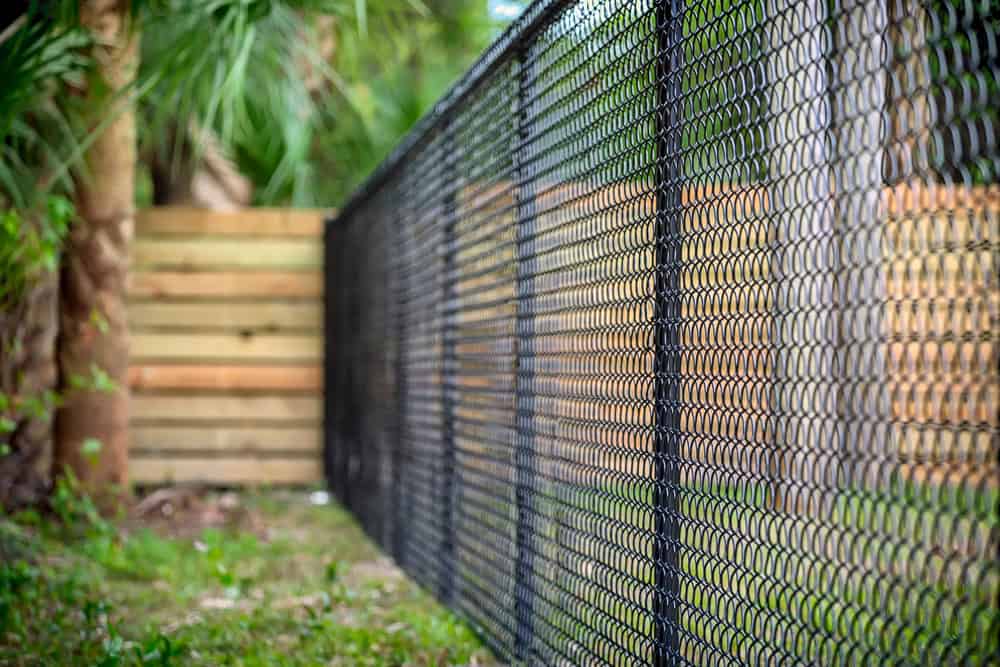
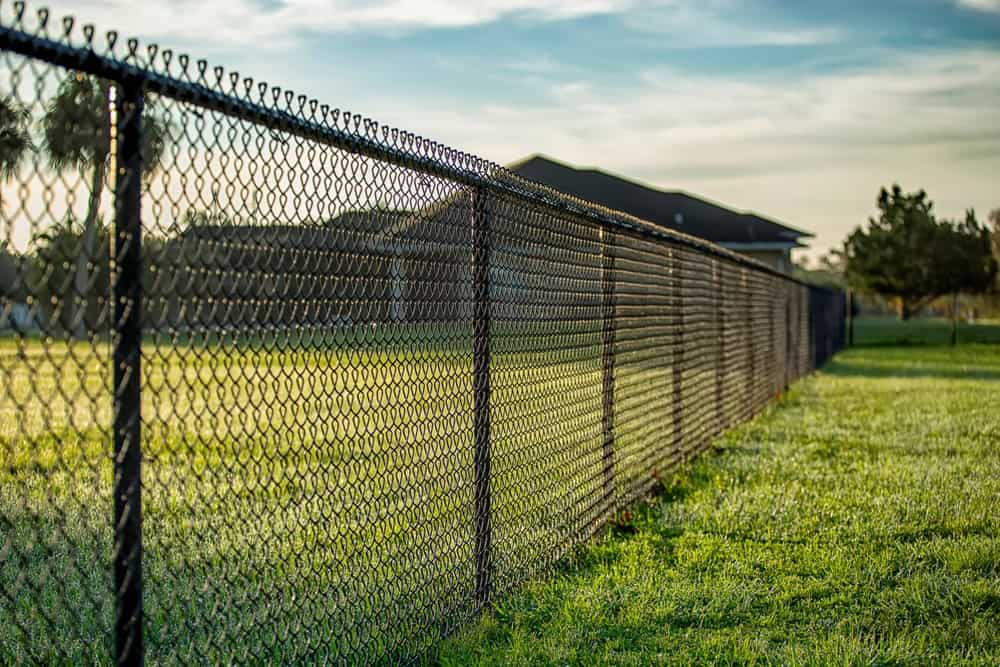
Your property becomes harder to access without permission. That’s the point. A properly installed chain link fence creates a clear boundary that makes intruders think twice before attempting entry. The open weave means you can see what’s happening on the other side, which matters when you’re trying to keep an eye on kids, pets, or property lines.
Florida weather doesn’t play nice with most materials. Chain link does. The galvanized steel resists rust even in Lake County’s humidity. Vinyl-coated options add another layer of protection against corrosion. When hurricane season rolls around, the open design lets wind pass through instead of turning your fence into a sail. You’re looking at 20+ years of service with minimal maintenance.
The cost makes sense too. You’re spending $10 to $20 per linear foot on average for materials and professional installation. Compare that to wood fencing that needs staining every few years or vinyl that cracks in the sun. Chain link delivers security and durability without the premium price tag or ongoing maintenance costs.
We’ve been installing chain link fences across Lake County for years. We know the soil conditions here. We know how deep posts need to go to stay stable. We know which materials hold up best in Central Florida’s climate.
Grand Island properties deal with sandy soil, seasonal flooding, and intense sun exposure. Your fence installation needs to account for all of that. We use galvanized steel that won’t rust out in three years. Our post-setting technique keeps your fence standing straight even when the ground gets saturated during summer storms.
You’re not getting a crew that shows up late or leaves a mess. We give you transparent pricing before we start, install the fence efficiently, and clean up when we’re done. No surprises. No excuses.
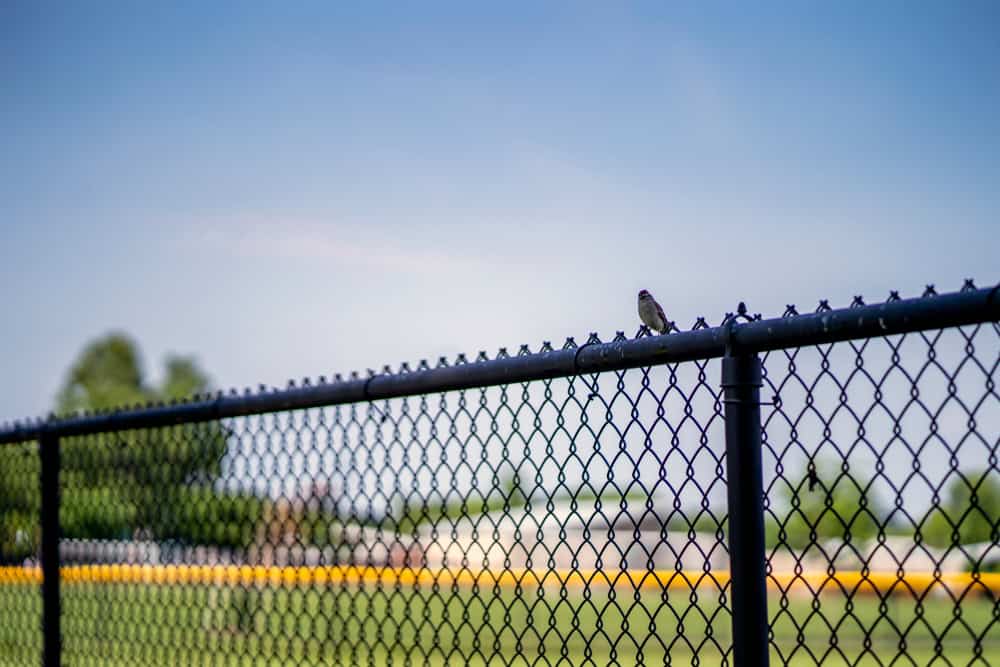
First, we walk your property and discuss what you need. Perimeter security, pet containment, pool barrier—whatever the purpose, we measure the area and identify any obstacles or grade changes that affect installation. You get a detailed quote that breaks down materials and labor. No hidden fees.
Next comes the actual installation. We mark post locations, dig holes to the proper depth for Grand Island soil conditions, and set terminal and line posts in concrete. Once those cure, we install the top rail and tension wire. Then we unroll the chain link fabric, attach it to the posts, and tension it properly so it doesn’t sag or bow. Gates get hung and adjusted so they swing smoothly and latch securely.
The final step is a walkthrough with you. We check every connection point, make sure gates operate correctly, and verify the fence meets your expectations. Most residential installations take one to two days depending on the linear footage. Larger commercial projects take longer, but we keep you updated on progress throughout.
Ready to get started?
You’re getting professional-grade materials designed for Florida conditions. Galvanized chain link fabric resists corrosion from humidity and rain. Vinyl-coated options come in black, green, or brown if you want something that blends better with landscaping. We install fences from four to eight feet tall depending on your security needs and local code requirements.
Posts are set in concrete, not just driven into the ground. That matters in Grand Island where sandy soil doesn’t provide much lateral support. Terminal posts at corners and gates get extra reinforcement. Top rails add structural integrity and give the fence a finished look. Tension wire at the bottom prevents the fabric from lifting if something tries to dig underneath.
Gates are custom-fit to your access needs. Single walk gates for backyard entry. Double drive gates for equipment or vehicles. We install commercial-grade hinges and latches that hold up to daily use. If you need privacy slats for screening, we can add those too. The installation includes cleanup and haul-away of any debris. You’re left with a functional fence, not a construction site.
Most residential chain link installations take one to two days from start to finish. That timeline assumes a typical backyard perimeter of 150 to 200 linear feet with standard four-foot or six-foot height. Larger properties or commercial installations take longer.
The actual work breaks down into phases. Day one usually covers post-setting. We dig holes, set posts in concrete, and let them cure overnight. Day two involves installing rails, fabric, and gates. If your property has challenging terrain or requires extensive clearing, add extra time.
Weather affects the schedule too. Heavy rain can delay concrete curing or make the ground too soft to work safely. We’ll give you a realistic timeline during the initial consultation and keep you updated if anything changes. Most crews install 80 to 150 feet of fence per day depending on site conditions.
You’re looking at $10 to $20 per linear foot for complete chain link fence installation in Grand Island, FL. That includes materials and professional labor. The final cost depends on fence height, material choice, and site conditions.
Four-foot residential fencing runs on the lower end of that range. Six-foot or eight-foot fencing costs more due to larger posts and additional fabric. Vinyl-coated chain link adds $2 to $5 per foot compared to standard galvanized. Gates add $150 to $400 each depending on size and hardware quality.
Labor accounts for about half the total cost. Difficult terrain, rocky soil, or extensive clearing increases labor time and expense. We provide detailed written estimates that break down all costs before starting work. No surprise charges. If we encounter unexpected issues during installation, we discuss options with you before proceeding.
Chain link fences handle hurricane conditions better than most fencing types. The open weave design reduces wind load by 60 to 80 percent compared to solid wood or vinyl fencing. Wind passes through instead of pushing against a solid surface. That’s why you see chain link still standing after storms that flatten other fence types.
The flexible mesh absorbs impact and returns to shape. Flying debris might dent or tear sections, but the fence structure typically remains intact. Properly installed posts set in concrete provide the foundation that keeps everything upright during high winds.
Grand Island sits inland enough to avoid storm surge, but you still get the wind. We install chain link with hurricane performance in mind—deeper post holes, reinforced terminal posts, and proper tensioning that prevents the fabric from whipping loose. Regular maintenance helps too. Check for loose connections or rust spots before hurricane season and address them early.
Very little. That’s one reason chain link makes sense in Florida. You’re not staining, painting, or sealing anything. Most homeowners hose down their fence a few times a year to remove pollen, dirt, or salt buildup. That’s it.
Galvanized steel resists rust naturally. The zinc coating protects the underlying metal from moisture and oxygen. Vinyl-coated chain link adds another protective layer and comes in colors that don’t fade quickly in Florida sun. You might see minor surface rust at cut ends or connection points over time, but it doesn’t compromise structural integrity.
Check gates and hinges annually. Lubricate moving parts if they start squeaking. Tighten any loose bolts. Look for damage from lawn equipment or fallen branches and repair it promptly so small issues don’t spread. Compared to wood fencing that rots or vinyl that cracks, chain link requires almost no ongoing maintenance to stay functional.
Yes. Privacy slats are the most common solution. These are vertical inserts that weave through the chain link fabric to block visibility. They come in various colors and materials—vinyl, aluminum, or even synthetic hedge material that looks like foliage.
Slats reduce visibility by about 90 percent while still allowing some airflow. That matters in Florida where solid fencing can create wind resistance issues. Installation is straightforward—slats slide into the existing fence fabric. You can add them during initial installation or retrofit them later.
Another option is attaching privacy screening material to the fence. This works like shade cloth and comes in different opacity levels. It’s less durable than slats but costs less upfront. Some property owners plant climbing vines or hedge plants along the fence line for natural screening. That takes time to grow but creates a softer look than synthetic materials.
Most residential fence installations in Lake County require a permit. Requirements vary based on fence height and location on your property. Fences under six feet in rear and side yards typically need a standard permit. Front yard fencing or anything over six feet may require additional approval.
Setback requirements matter too. Your fence needs to sit a certain distance from property lines, easements, and right-of-ways. Pool fencing has specific code requirements for height, gate latches, and spacing to prevent child access. These rules exist for safety and liability reasons.
We handle permit applications as part of our service. We know local code requirements and submit the necessary paperwork. This saves you time at the county office and ensures the installation meets all regulations. Skipping permits might seem easier, but it creates problems if you sell your property or if a code enforcement officer notices unpermitted work.
Other Services we provide in Grand Island