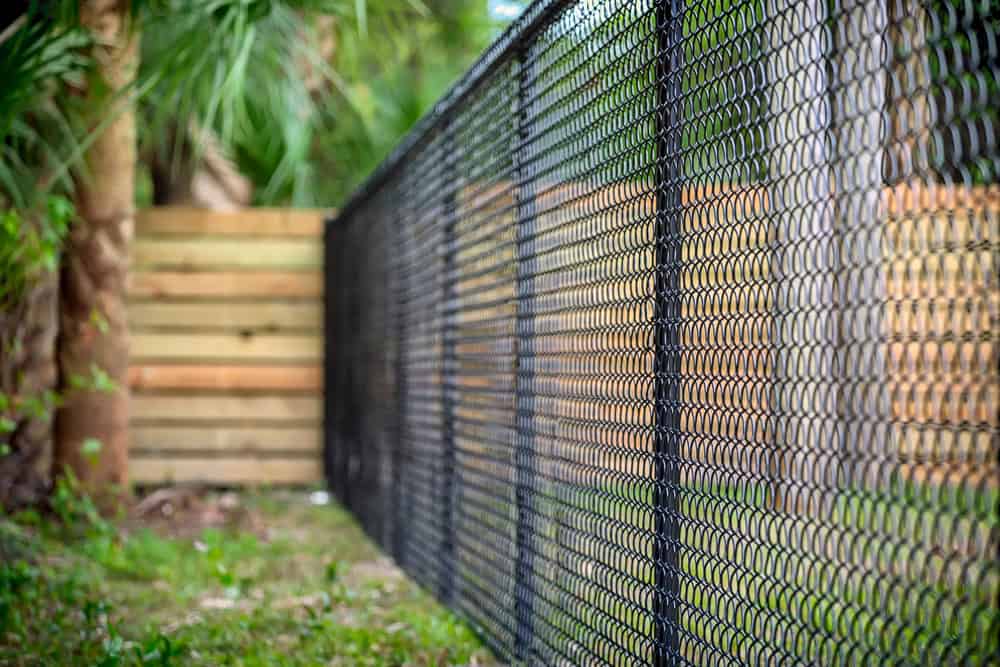
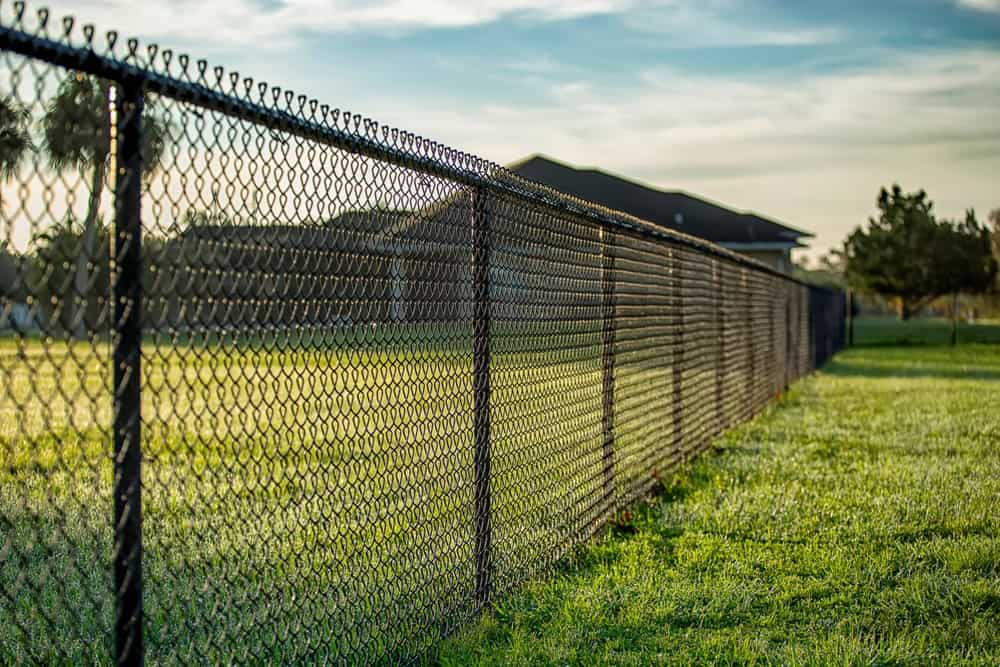
Your property stays secure year-round without you spending weekends on fence maintenance. That’s what properly installed chain link does in Florida’s climate.
The galvanized steel construction resists rust even in McIntosh’s humid conditions. Wind passes through the diamond mesh pattern during storms instead of turning your fence into a sail. You’re not replacing panels after every hurricane season.
Installation takes days, not weeks. Your yard isn’t a construction zone for a month. The fence goes up fast, and then you’re done thinking about it for the next 20+ years. No painting. No staining. No rotting boards to replace.
We’ve been handling fence installations across Central Florida since our roots in 1992. We’ve been serving McIntosh and the surrounding Marion County area with the kind of work that doesn’t need callbacks.
We’re licensed, bonded, and insured because that’s what protects you if something goes wrong. Our team knows Florida Building Code requirements and how they apply specifically to McIntosh properties. You’re not getting a crew that learned fencing on YouTube last month.
McIntosh homeowners deal with specific challenges—sandy soil conditions, hurricane wind loads, and humidity that destroys inferior materials. We account for those factors in every installation because we’ve seen what happens when contractors don’t.
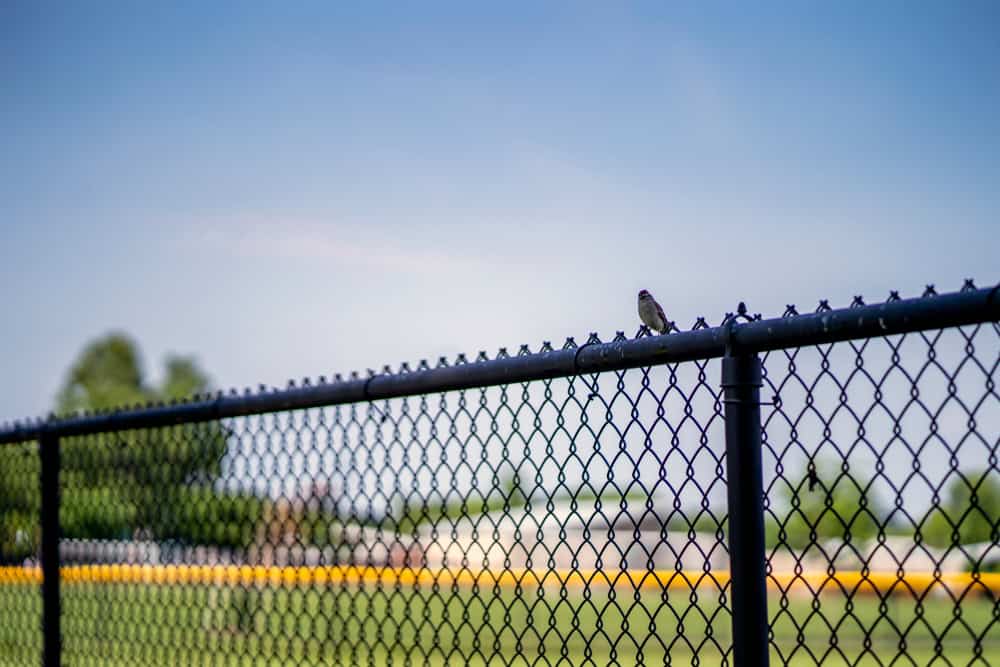
We start with a property assessment to identify your exact property lines and any underground utilities. You don’t want a fence that encroaches on your neighbor’s land or a crew that hits a water line three feet down.
Next comes the permit process if your installation requires one. We handle that paperwork because we know what McIntosh and Marion County require. Height restrictions, setback requirements, and HOA approvals all get addressed before we dig the first post hole.
Installation day starts with marking post locations and setting corner and gate posts in concrete. These anchor points determine how well your fence handles stress. We set them deep enough to stay stable in Florida’s sandy soil and weather conditions. Line posts go in next, then the top rail, and finally the chain link fabric gets stretched and secured. Most residential installations finish in 1-3 days depending on your property size.
Ready to get started?
You’re choosing between galvanized steel and vinyl-coated options. Galvanized gives you the most affordable long-term solution with excellent rust resistance. Vinyl-coated adds color options—black, green, or brown—and extra protection against salt air if you’re closer to the coast.
Height matters for your specific needs. Residential installations typically range from 4 to 6 feet depending on whether you’re containing pets, marking boundaries, or adding security. Commercial properties often need 6 to 8 feet with barbed wire or privacy slats. McIntosh properties vary, so your fence should match your actual requirements, not a one-size-fits-all approach.
Mesh size affects both appearance and function. Standard 2-inch mesh works for most applications. Smaller mesh keeps small dogs contained. Larger mesh reduces material costs on big commercial projects. Gates get the same material and finish as your fence line, with hardware rated for Florida’s weather. You’re not replacing hinges and latches every two years because we install components built to last.
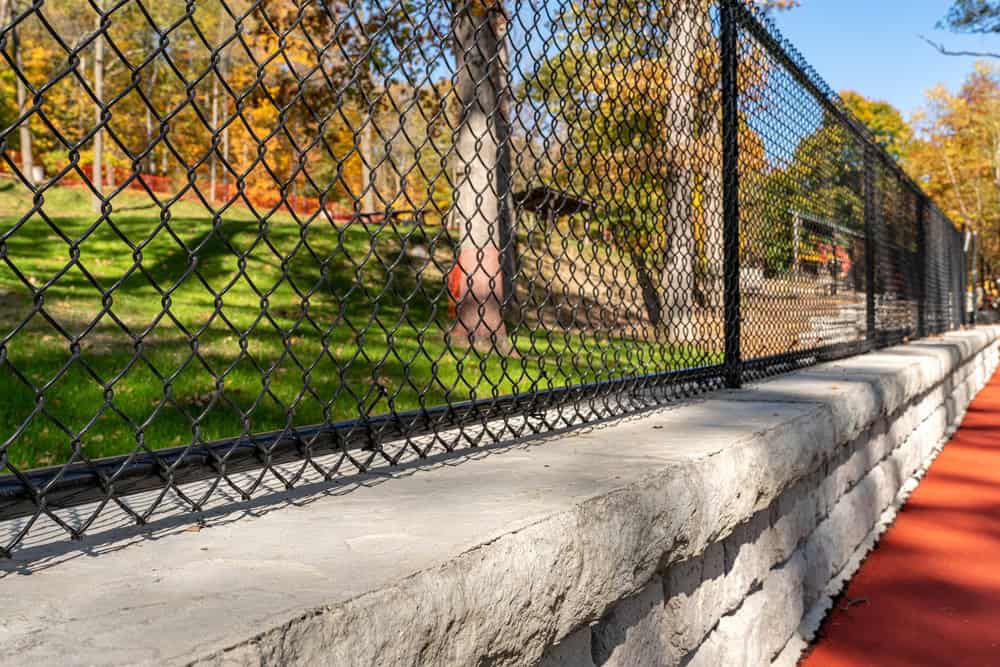
Chain link fence installation in McIntosh typically costs between $8 and $20 per linear foot depending on height, coating, and site conditions. A standard 4-foot residential fence runs cheaper than a 6-foot vinyl-coated installation with multiple gates.
Your specific price depends on factors we assess during the estimate. Rocky or heavily rooted soil increases labor. Corner posts and gates add material and installation time. Sloped terrain requires more precise post placement. We give you transparent pricing upfront so you know exactly what you’re paying for.
The lowest bid isn’t always the best value. Contractors who undercut everyone else often skip crucial steps like proper post depth or adequate concrete. You’ll spend more fixing their work than you would have paid for correct installation the first time. We price our work to cover proper materials and installation methods that last.
Chain link fences handle Florida’s hurricane-force winds better than most fencing types because wind passes through the mesh instead of pushing against a solid surface. The woven steel diamond pattern flexes under stress without breaking.
Proper installation makes the difference between a fence that survives and one that doesn’t. Posts must be set deep enough—typically 30 to 36 inches in McIntosh’s soil conditions—with adequate concrete. Terminal posts at corners and gates need extra reinforcement because they absorb the most stress. The fabric itself needs correct tension so it doesn’t sag or pull loose during high winds.
We’ve installed chain link fences across Central Florida for over 20 years, including areas that have taken direct hurricane hits. The installations that follow Florida Building Code requirements stay standing. The ones that cut corners end up twisted or collapsed. Your fence needs to meet wind load requirements specific to Marion County, and we make sure it does.
Most residential chain link fence installations in McIntosh take 1 to 3 days from start to finish. A simple 100-foot boundary fence with one gate typically completes in a day. Larger properties with multiple gates or challenging terrain take longer.
The timeline depends on factors specific to your property. We need 24 to 48 hours for concrete to cure on terminal posts before stretching fabric. Weather delays happen—we don’t pour concrete in the rain or work in lightning. Underground utility locations must be marked before we dig, which sometimes adds a day if the marking service is backed up.
We give you a realistic timeline during the estimate, not an optimistic guess that we can’t meet. You’ll know when we’re starting, what happens each day, and when we’ll finish. Most of our McIntosh installations stay on schedule because we account for the variables upfront instead of discovering them mid-project.
Permit requirements in McIntosh depend on your fence height and location relative to property lines. Marion County typically requires permits for fences over 6 feet tall or those installed in front yard setback areas. Standard backyard fences under 6 feet often don’t need permits, but regulations change.
We verify current requirements with Marion County before starting your project. Permit costs usually run $50 to $150 depending on the scope of work. The process takes a few days to a couple weeks depending on county workload. Installing without required permits creates problems when you sell your property or if a neighbor complains.
HOA approval is separate from county permits. If you live in a community with an HOA, you’ll need their approval regardless of county requirements. Some HOAs restrict chain link fencing entirely or require vinyl coating in specific colors. We help you navigate both processes, but you’re ultimately responsible for knowing your HOA rules before we start installation.
Chain link fences need minimal maintenance compared to wood or vinyl fencing in Florida. Galvanized steel resists rust naturally, and the open mesh design prevents the moisture buildup that destroys solid fencing materials in humid conditions.
You should inspect your fence annually for any loose connections or damaged fabric. Trim vegetation that grows into the mesh to prevent long-term pressure on the fence line. If you have vinyl coating, check for any spots where the coating has chipped or worn through—exposed steel in those areas can start rusting. Rinse the fence occasionally if you’re in an area with salt air exposure.
Gates need the most attention because they’re the moving parts. Hinges and latches should be checked and lubricated annually. Self-closing mechanisms on pool fences need testing to ensure they’re working correctly for safety compliance. Most homeowners handle this basic maintenance themselves in under an hour per year. That’s significantly less time and money than repainting wood fences or replacing cracked vinyl panels.
Privacy slats install directly into chain link mesh to block visibility and wind. You’re choosing between vertical slats that weave through the diamonds or rolled windscreen material that attaches with clips. Both options work with existing chain link fences or new installations in McIntosh.
Slats come in various colors and materials. Vinyl slats resist fading and last 10+ years in Florida sun. They reduce visibility by about 90% while still allowing some airflow. Windscreen fabric blocks more wind but creates more stress on your fence structure during storms. If you’re adding windscreen to an existing fence, make sure your posts and framework can handle the increased wind load.
Installation is straightforward but time-consuming. Slats weave through each diamond individually across your entire fence line. Windscreen attaches faster with aluminum clips every few feet. You can install slats yourself if you have the time and patience, or we can handle it during your initial installation. The added privacy makes chain link work for applications where you’d otherwise need a solid fence, often at a lower total cost.