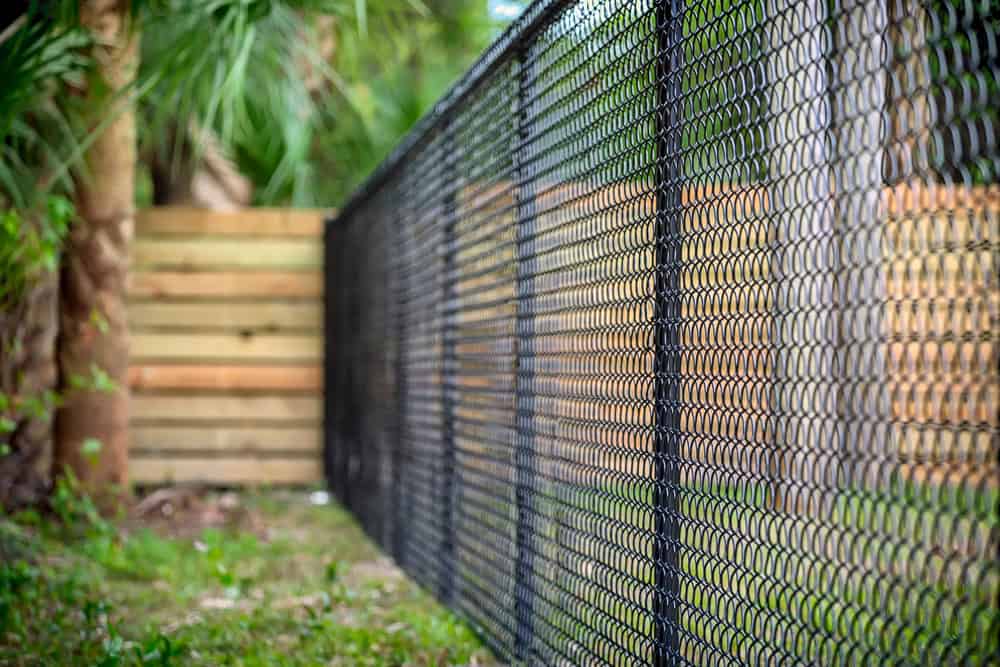
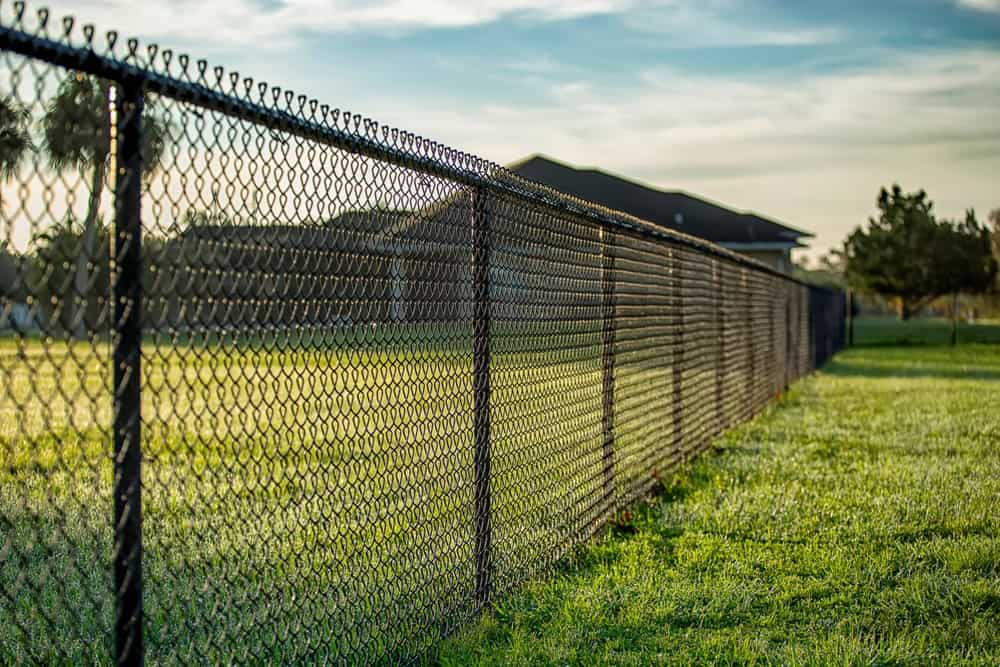
Your fence posts won’t sag in six months. That’s what happens when someone sets them too shallow or skips the concrete. You’ve probably seen it in your neighborhood—chain link leaning like it’s tired, gates that won’t latch, sections pulling away from posts.
When your fence is installed correctly, it does what you need it to do. Your dog stays in the yard. Your property line is clear. You’re not calling someone back out in a year because the whole thing is falling apart.
In Seaboard Industrial, where storms roll through and humidity doesn’t quit, your fence has to handle wind, rain, and salt in the air. Galvanized and vinyl-coated chain link resists rust. The open weave lets wind pass through instead of turning your fence into a sail. That’s why it’s called cyclone fencing—it was designed for this.
You get a fence that lasts 20 years or more. You get visibility so you can see your kids or pets. You get installation that doesn’t take weeks. And you’re not spending what you’d pay for wood or vinyl that requires constant upkeep.
We’ve been installing fences in Central Florida since 2004, and before that, we started in Atlanta in 1992. We’re licensed, bonded, and insured in Florida—which matters more than you might think when someone’s digging on your property.
We’ve worked in Seaboard Industrial long enough to know what holds up here and what doesn’t. We know the soil. We know how deep posts need to go. We know which coatings last in Florida’s climate and which ones start peeling in two years.
You’re not getting a crew that learned fencing last month. You’re getting installers who’ve done this thousands of times and understand that shortcuts cost you money later. We serve nine counties across Central Florida, and we’ve built our reputation on showing up, doing the work right, and not disappearing when you call back.
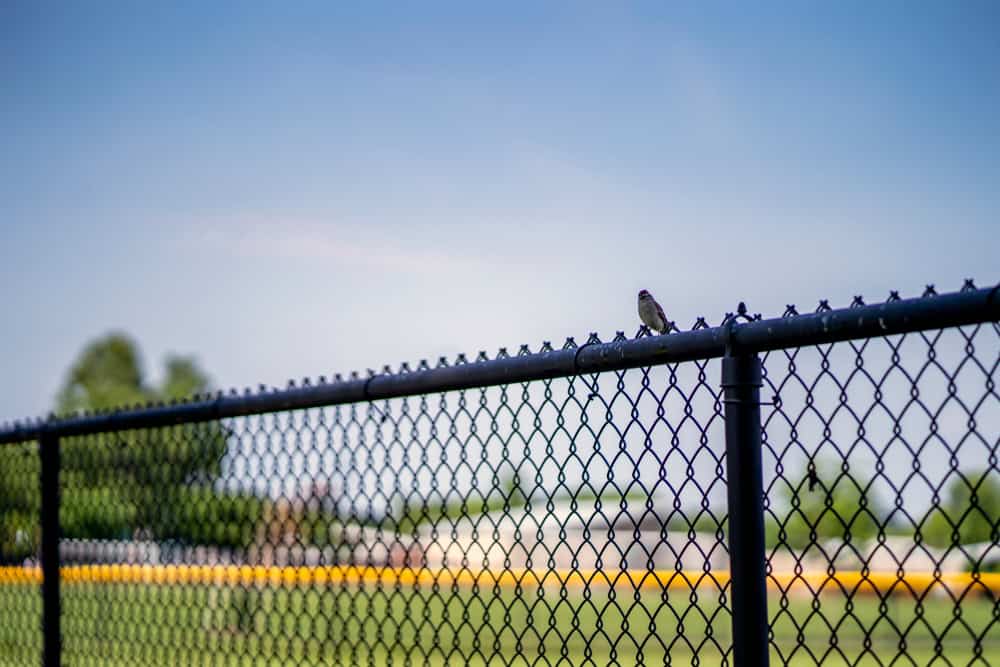
First, we come out to look at your property. We measure, check for any underground utilities, and talk through what you need—height, gate placement, whether you want privacy slats. You’ll get transparent pricing with no surprises.
Once you’re ready to move forward, we schedule the install. We mark your property line, dig post holes deep enough to matter (not the shallow nonsense that causes sagging), and set posts in concrete. Then we stretch the chain link fabric tight between posts and secure it properly so it doesn’t loosen over time.
Gates get installed with hardware that actually works. If you’re adding privacy slats, we weave those in. The whole process typically takes a day or two depending on your property size—way faster than wood or vinyl.
After we’re done, you’ve got a fence that does its job. We clean up the site, walk you through how everything operates, and make sure you’re satisfied before we leave. If something needs adjustment, we handle it then—not three weeks later after you’ve called five times.
Ready to get started?
You’re getting galvanized or vinyl-coated chain link that resists Florida’s humidity and salt air. Posts are set in concrete at the proper depth—usually 2 feet or more depending on your fence height. All framework is secured with tension bars and bands, not the cheap clips that pop off.
Your gates come with heavy-duty hinges and latches that won’t fall apart after a few months. If you need a gate wide enough for equipment or vehicles, we build it to handle the weight and use. For residential properties in Seaboard Industrial, we typically install 4-foot or 6-foot heights, but you can go taller if you need it.
Privacy slats are available if you want to block sightlines without losing airflow. They come in different colors and slide right into the chain link mesh. We also offer bottom rails or concrete mow strips if you’re worried about dogs digging underneath—which is common with chain link since the fabric sits on top of the ground rather than buried.
Everything we install is built to handle Florida weather. That means wind, rain, and sun that would destroy a poorly installed fence in a few years. You’re not calling us back to fix sagging sections or replace rusted posts because we used the right materials and methods from the start.
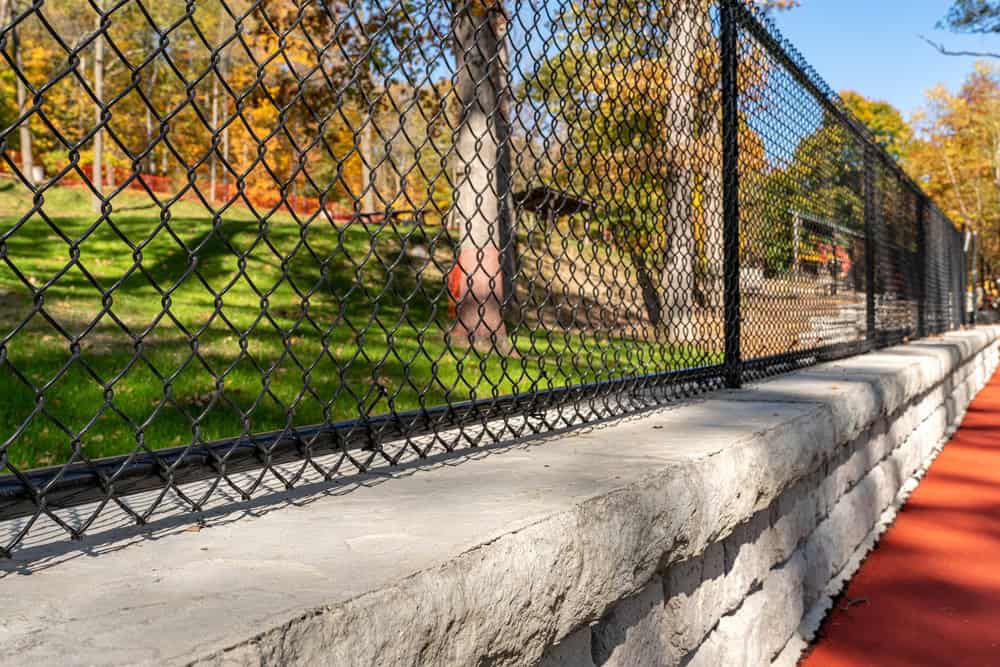
Most residential chain link fence installations take one to two days depending on your property size and how many gates you need. If you’ve got a standard backyard—say 150 linear feet with one gate—we’re usually done in a day.
Larger properties or commercial jobs take longer, but chain link is still the fastest fence type to install. Compare that to wood privacy fences that can take a week or more, especially if weather delays things. With chain link, we’re not waiting for concrete footings to cure for days or dealing with individual pickets.
The timeline also depends on ground conditions. If your soil is rocky or we hit tree roots, that slows things down. But in most of Seaboard Industrial, the ground is workable and we can move quickly. We’ll give you a realistic timeframe when we come out for the estimate so you know what to expect.
Yes, if it’s installed correctly. Chain link is one of the best fencing options for Florida hurricanes because the open weave lets wind pass through instead of catching it like a solid fence would. That’s why it’s also called cyclone fencing—it was literally designed for high winds.
Wood privacy fences act like sails in a storm. Vinyl can crack or blow over. But chain link flexes and allows airflow, which is why you see it still standing after storms when other fences are in pieces. The key is proper installation—posts need to be deep enough and set in concrete, and the fabric needs to be tensioned correctly.
We use galvanized or vinyl-coated materials that resist rust and corrosion from the rain and humidity that come with storms. If a section does get damaged—say a tree falls on it—chain link is easy to repair. You cut out the damaged portion and splice in new fabric. You’re not rebuilding an entire fence panel like you would with wood or vinyl.
Chain link is one of the most affordable fencing options, but cost depends on your property size, fence height, and what features you add. A basic 4-foot residential chain link fence typically runs less per linear foot than wood, vinyl, or aluminum.
If you add privacy slats, the cost goes up—sometimes significantly depending on the slat quality and coverage. Taller fences (6 feet or more) cost more than shorter ones because of the additional materials and labor. Gates add to the price too, especially if you need wider openings for vehicles or equipment.
We give you transparent pricing upfront with no hidden fees. When we come out for the estimate, we measure everything, talk through your options, and give you a clear number. You’ll know exactly what you’re paying before any work starts. And because chain link lasts 20+ years with minimal maintenance, you’re not spending money every few years on repairs or replacements like you might with wood.
Chain link works well for containing dogs, but you need to address the bottom if you’ve got a digger. The chain link fabric sits on top of the ground, and posts are buried underneath—which means there’s space for a determined dog to dig under and escape.
The fix is either a concrete mow strip along the bottom, a bottom rail that sits closer to the ground, or burying a few inches of the fabric underground. Some people also run landscaping stones or pavers along the fence line to discourage digging. We can walk you through options based on your dog’s size and behavior.
Height matters too. A 4-foot fence is fine for most dogs, but larger or more athletic breeds might be able to jump it. If you’ve got a dog that’s an escape artist, go with 6 feet. And make sure your gates latch securely—dogs are smart and some will figure out how to nose a gate open if the latch isn’t solid.
Uncoated chain link will eventually rust, especially in Florida where you’ve got high humidity and salt in the air if you’re anywhere near the coast. That’s why we use galvanized or vinyl-coated chain link for installations in Seaboard Industrial and across Central Florida.
Galvanized chain link has a zinc coating that protects the steel from rust and corrosion. It holds up well in Florida’s climate and typically lasts 20 years or more. Vinyl-coated chain link adds an extra layer of protection and comes in different colors if you want something other than silver.
If you already have a chain link fence that’s starting to rust, you can extend its life by cleaning off the rust and applying a rust-inhibiting coating. But if the rust is widespread or the fabric is deteriorating, replacement is usually the better option. When we install new chain link, we make sure you’re getting materials that are built to handle Florida weather from day one.
Most residential fence installations in Florida require a permit, and Seaboard Industrial is no exception. Permit requirements depend on your fence height, location, and whether you’re in an HOA. Fences over a certain height (usually 6 feet) almost always need permits, and some municipalities have setback requirements from property lines.
If you’re in an HOA, you’ll need approval from them before you can install any fence. Some HOAs have restrictions on fence types, heights, or colors. We’ve worked with HOAs across Central Florida for years and can help you navigate the approval process.
We handle permit coordination as part of our service. We know what the local requirements are, what paperwork needs to be filed, and how to keep your project moving without delays. You’re not figuring this out on your own or waiting weeks because something wasn’t submitted correctly. We make sure everything is done by the book so you don’t have issues down the road.
Other Services we provide in Seaboard Industrial