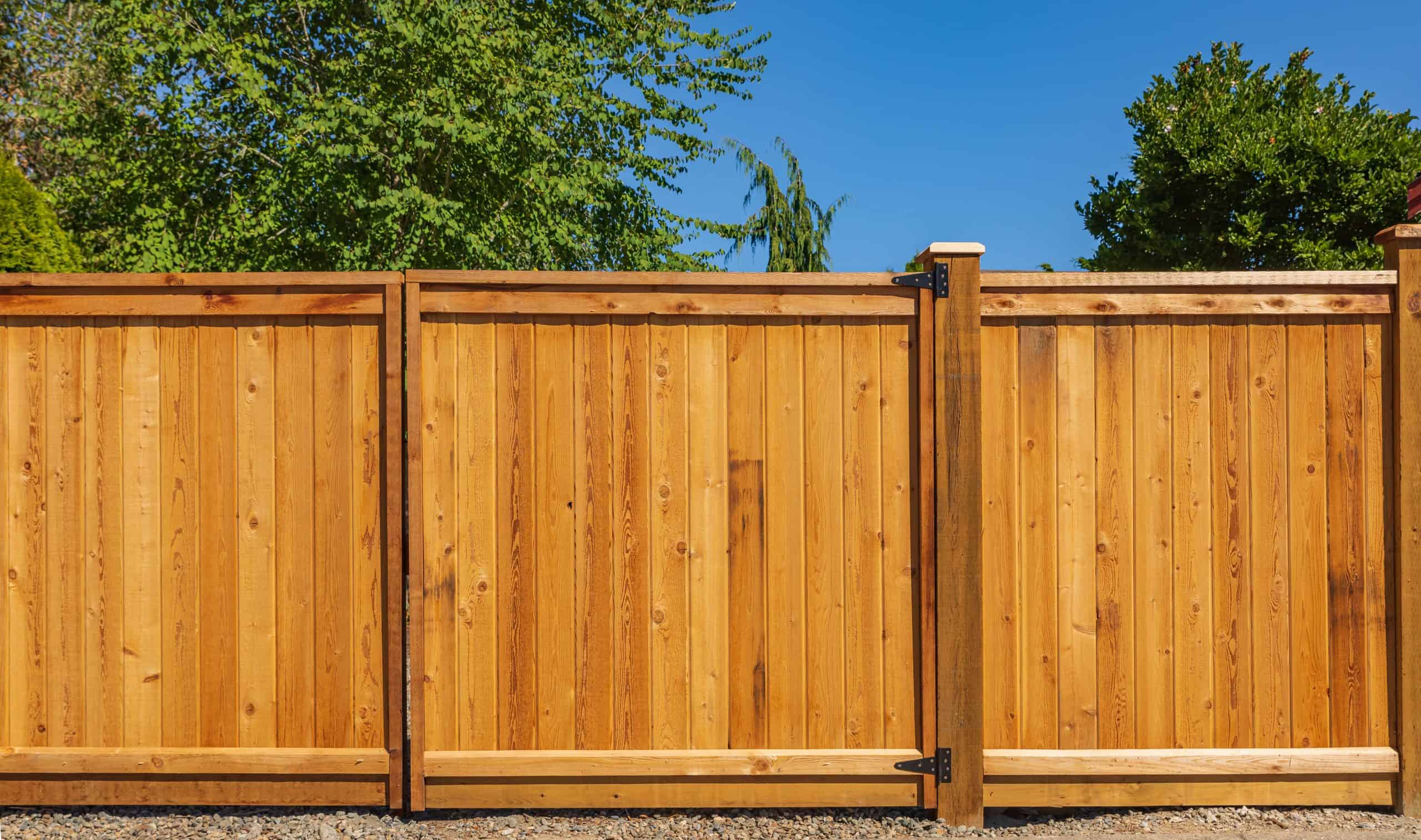
You’re not just getting boards nailed together. You’re getting a fence that stands up to what Central Florida throws at it.
The right wood fence installation in Seaboard Industrial means pre-treated lumber that resists rot in our humid air. It means posts set deep enough to handle wind gusts during storm season. It means you can let your kids and dogs play in the backyard without worrying about gaps, splinters, or sections that bow after the first heavy rain.
A properly installed wood privacy fence also means your outdoor space actually feels private. No more awkward eye contact with neighbors when you’re trying to relax on a Saturday afternoon. No more street noise cutting through your morning coffee. Just a clean boundary that looks good and does its job.
When the fence is built correctly from the start, you’re not calling someone back in two years because panels are sagging or posts are leaning. You’re spending your weekends enjoying your yard, not fixing it.
We work across Central Florida, and we’ve seen what happens when wood fences aren’t built for this climate. We’ve replaced plenty of them.
That’s why we use pressure treated lumber that’s designed for Florida’s moisture levels. That’s why we don’t cut corners on post depth or bracing. And that’s why we’re upfront about what your fence will cost before we start digging.
We serve Seaboard Industrial and the surrounding areas in Lake, Orange, Seminole, Brevard, Volusia, Osceola, Polk, Sumter, and Marion counties. If you’re in Central Florida, we understand your weather, your soil, and what it takes to build a fence that doesn’t become a problem three years from now.

First, we come out to look at your property. We’ll talk about what you need—privacy, security, a specific style—and we’ll measure the area. You’ll get a clear price with no surprises buried in the fine print.
Once you’re ready to move forward, we handle the permits and make sure everything meets local codes in Seaboard Industrial. Then we schedule the installation around your timeline, not ours.
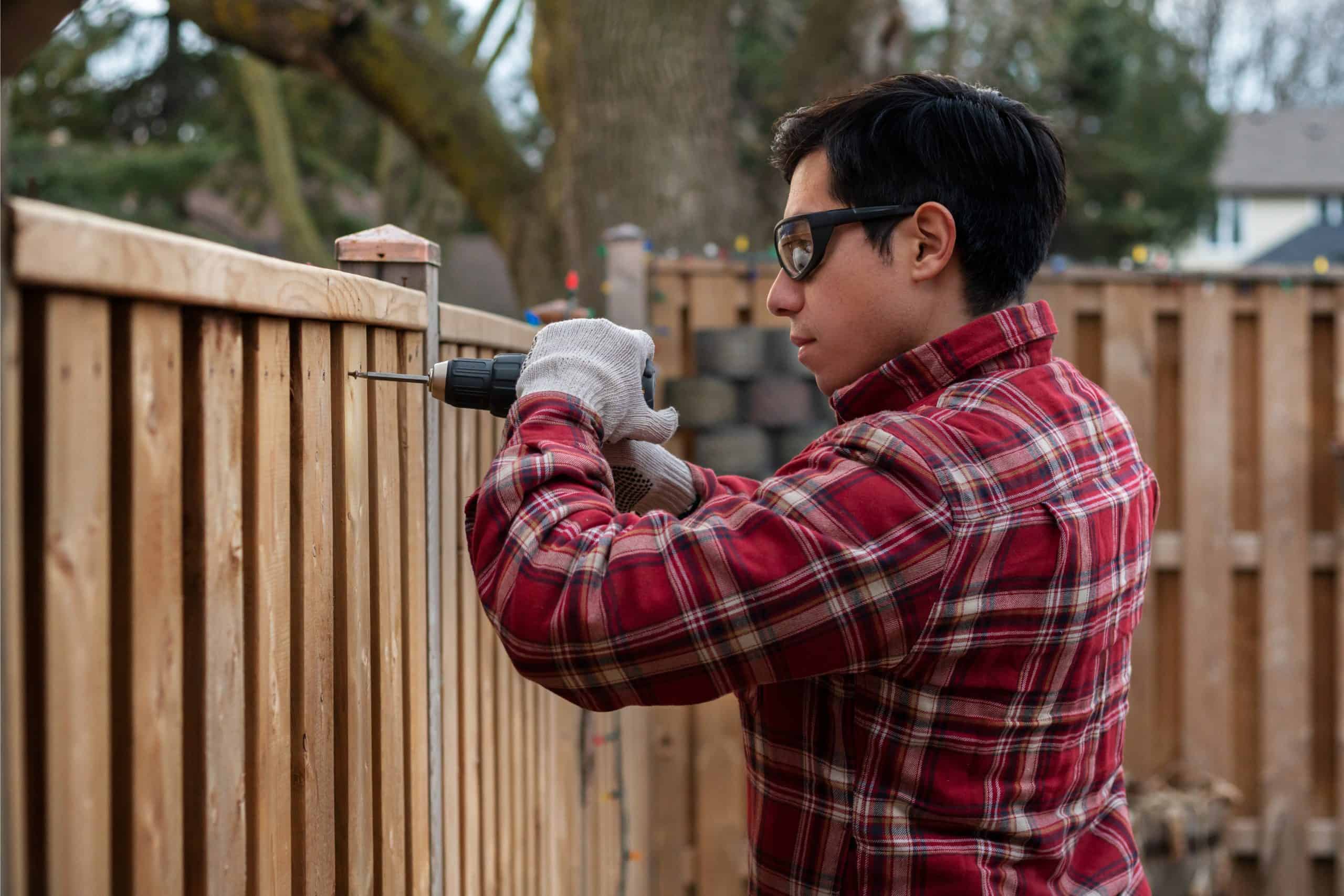
On install day, we start with the posts. They go deep enough to stay stable in Florida’s sandy soil and high winds. We use pressure treated pine or cedar depending on what you’ve chosen, and every board is checked before it goes up. We’re not rushing through it to get to the next job.
After the fence is up, we walk the property with you. If something doesn’t look right, we fix it before we leave. You shouldn’t have to call us back because a gate doesn’t latch or a panel isn’t level.
The whole process usually takes a few days depending on the size of your property. We keep the disruption minimal and clean up when we’re done.

Ready to get started?
You’re getting more than just the fence itself. Every wood fence installation in Seaboard Industrial includes the materials, the labor, and the cleanup. We’re not charging you extra because we had to haul away the old fence or because your yard has a slope.
We offer several wood options depending on your budget and how long you want the fence to last. Pressure treated pine is the most common choice here—it’s affordable and holds up well when it’s properly maintained. Cedar costs more upfront but naturally resists rot and insects, so it requires less maintenance over time. We’ll explain the differences so you can decide what makes sense for your property.
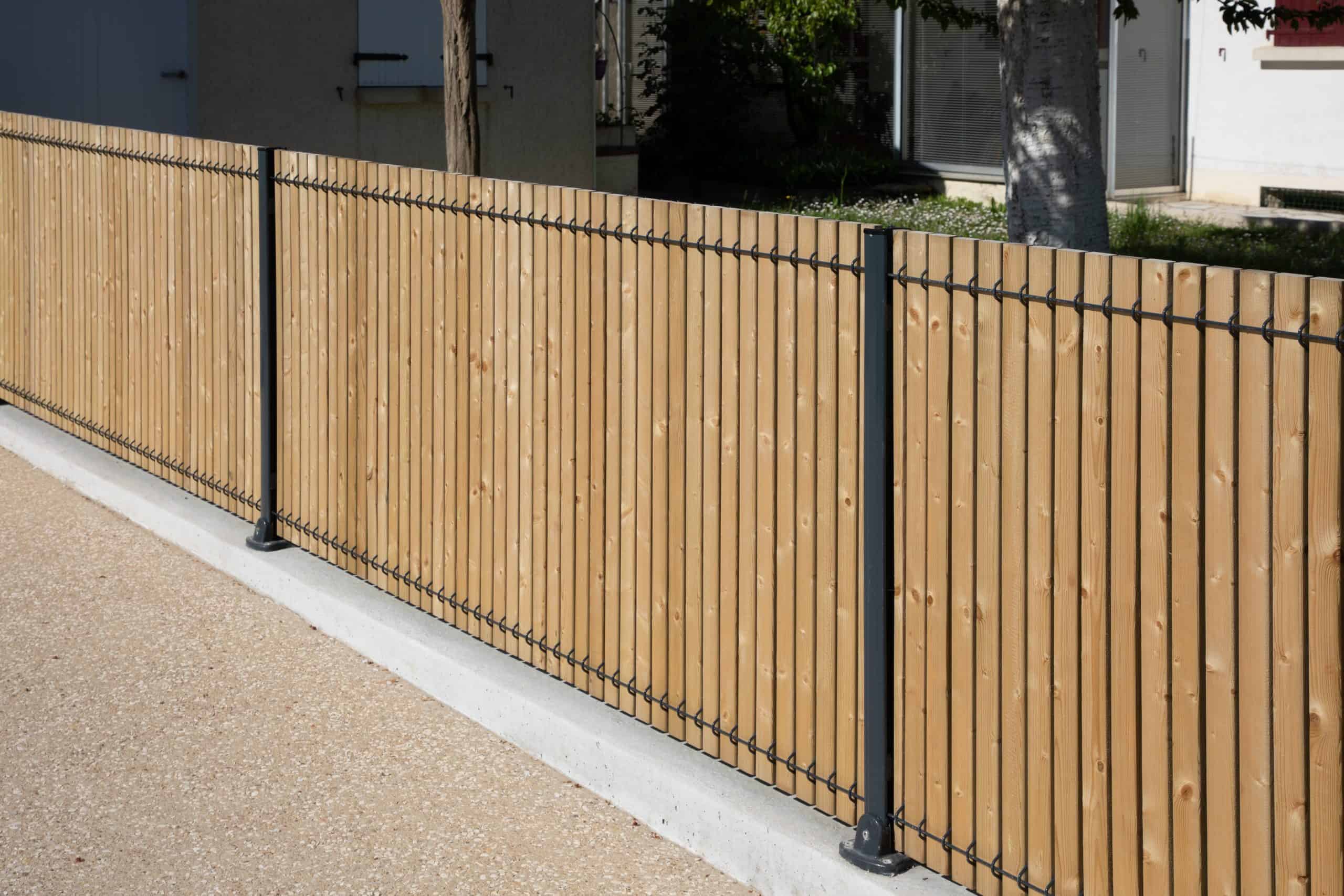
You also get a choice of styles. Board-on-board gives you full privacy with a finished look on both sides. Shadowbox has gaps for airflow but still blocks most of the view. Horizontal slat fencing has a modern look that’s becoming more popular in newer neighborhoods around Seaboard Industrial.
If you need gates, we build those too—sized for your mower, your car, or just foot traffic. And if you’re replacing an old fence, we’ll pull out the rotted posts and haul off the debris. You don’t have to deal with any of that.
It depends on the wood type and how well you maintain it. A pressure treated fence in Central Florida typically lasts 15 to 20 years if you stay on top of sealing and staining. Cedar can push 25 to 30 years because it naturally resists moisture damage.
But here’s the thing—Florida’s humidity and UV exposure are tough on wood. If you skip maintenance, you’re looking at rot, mold, and warping within 5 to 10 years. That means resealing every two to three years and checking for damage after storms.
The installation quality matters just as much as the wood itself. If the posts aren’t set deep enough or the boards aren’t spaced correctly, you’ll have problems no matter what material you choose. We build with Florida’s climate in mind, so your fence has the best chance of hitting that 20-year mark.
Pressure treated pine is the most common choice because it’s affordable and treated to resist rot and insects. It handles Florida’s moisture well as long as you maintain it. Most homeowners in Seaboard Industrial go with this option.
Cedar is the upgrade. It costs more upfront, but it naturally repels moisture and bugs without chemical treatment. It also doesn’t get as hot in the sun, which matters if you have kids or pets touching the fence. Cedar requires less maintenance overall, but you’ll still need to clean and seal it every few years to keep it looking good.
Some people ask about redwood or cypress. Both are solid choices, but they’re harder to source and more expensive. For most residential properties, pressure treated pine or cedar gives you the best balance of cost, durability, and availability.
Most residential wood privacy fences in Seaboard Industrial run between $15 and $30 per linear foot, depending on the wood type, height, and style. A standard six-foot privacy fence for an average backyard usually falls in the $3,000 to $6,000 range.
Pressure treated pine is on the lower end of that range. Cedar pushes you toward the higher end. If you need gates, corner bracing, or removal of an old fence, that adds to the total. Slopes, rocky soil, or difficult access can also affect the price.
We don’t give you a ballpark and then add fees later. When we come out to measure your property, you’ll get a detailed estimate that includes everything—materials, labor, permits, and cleanup. If something changes during the job, we’ll talk to you before we do the work.
Yes, most fence installations in Seaboard Industrial require a permit, especially if the fence is over a certain height or close to a property line. The rules vary depending on whether you’re in a residential neighborhood, a commercial area, or an HOA community.
We handle the permit process for you. That includes submitting the plans, coordinating inspections, and making sure the fence meets local building codes. You don’t have to deal with the county office or figure out setback requirements.
If you’re in an HOA, there’s usually an approval process on top of the county permit. Some HOAs have restrictions on fence height, color, or style. We’ve worked with most of the HOAs in Central Florida, so we know what they typically allow. We’ll help you navigate that before we start building.
A well-built wood fence can handle typical Florida storms, but hurricanes are a different situation. Wind speeds over 40 mph can damage any fence, and hurricane-force winds can take down even the best-installed fencing.
The key is how the fence is built. Posts need to be set at least two feet deep in concrete, and the boards need to be properly fastened with galvanized screws or nails that won’t rust. We also space the boards to allow some wind to pass through, which reduces the pressure on the fence during high winds.
If a major storm is coming, you can remove a few fence panels to reduce wind resistance, then reinstall them after the storm passes. It’s not always practical, but it’s an option for sections that are most exposed. After any storm, check your fence for loose boards, leaning posts, or damage. Catching small problems early keeps them from turning into full replacements.
You’ll need to clean and reseal your wood fence every two to three years. Florida’s humidity, rain, and sun break down the protective coating over time, and once that’s gone, the wood starts to rot and warp.
Start by pressure washing the fence to remove dirt, mildew, and algae. Let it dry completely—usually a full day in Florida’s humidity. Then apply a water-resistant stain or sealant. You can use a sprayer or a brush, but make sure you cover all sides of the boards, including the edges.
Between sealings, check for damage after storms. Look for loose boards, rusted fasteners, or posts that are starting to lean. Trim back any plants or vines that are growing on the fence—they trap moisture and speed up rot. If you spot mold or mildew, clean it off right away with a bleach solution or a deck cleaner. The more proactive you are, the longer your fence lasts.
Other Services we provide in Seaboard Industrial