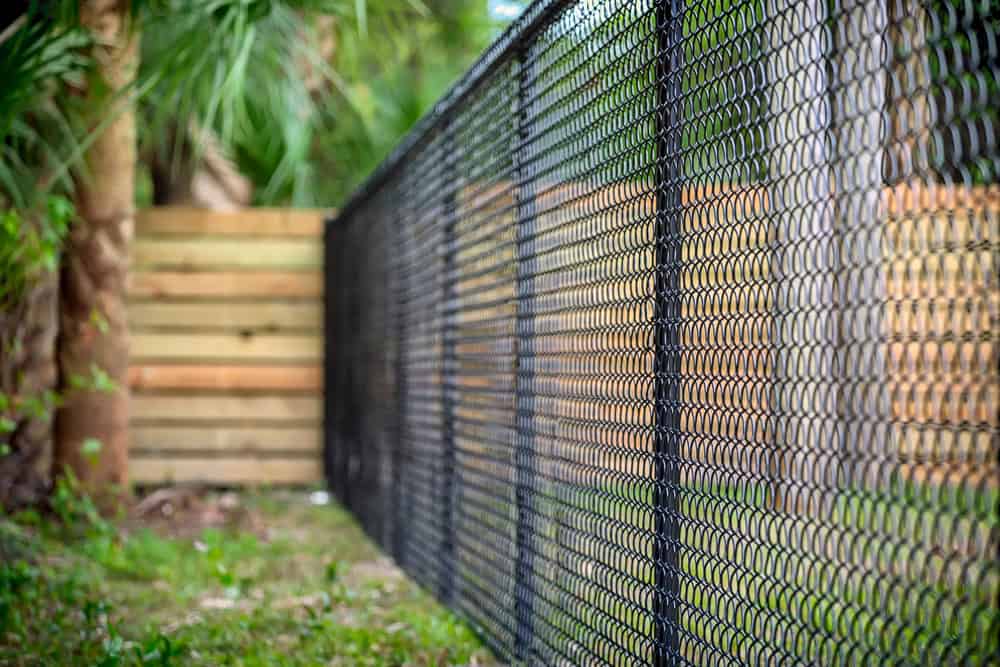
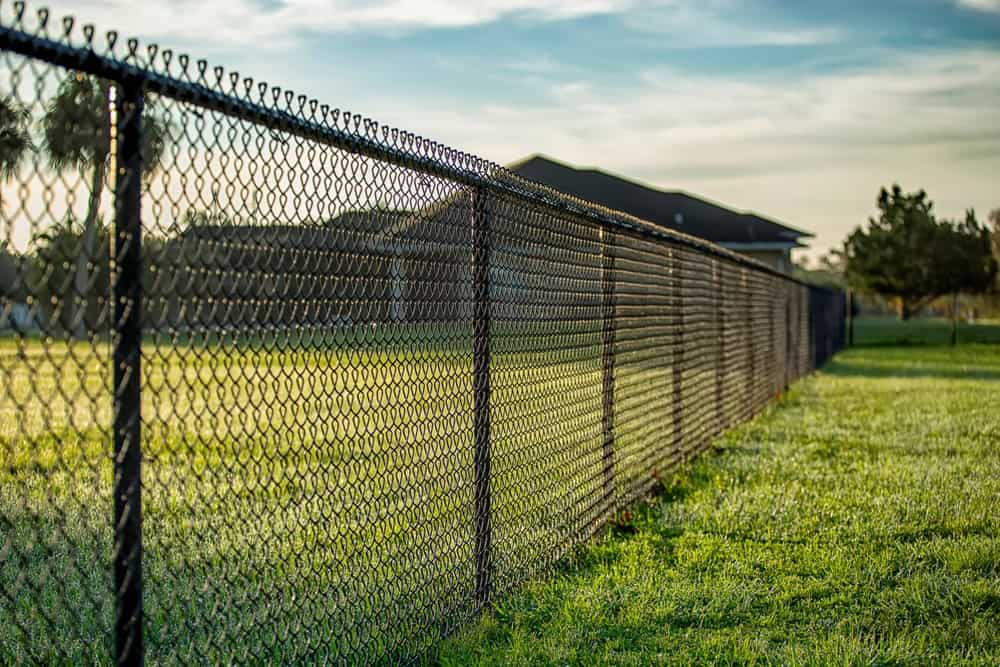
Your property gets a clear boundary that stops unauthorized access without blocking your view. Kids and pets stay where they should, and you’re not wondering who’s walking through your yard when you’re not home.
The fence goes up fast, which matters when you’re trying to get back to normal life. No weeks of construction noise or crews taking over your driveway. Most installations wrap up in a day or two, depending on your property size.
You’re done with maintenance after installation. No painting next summer. No staining every few years. No replacing rotted boards. Chain link sits there and does its job through Union Park’s humidity, afternoon storms, and hurricane season without asking anything from you.
The cost makes sense when you’re comparing options. You’re looking at real security for $10-20 per linear foot in Central Florida, which is significantly less than wood or vinyl when you factor in the lifespan and zero maintenance. That’s 20+ years of protection without ongoing expenses eating into your budget.
We’ve been handling fence installations across Orange County long enough to know what works in Union Park specifically. We understand the soil conditions, the weather patterns, and what local homeowners actually need versus what sounds good in a sales pitch.
Our installation teams show up when scheduled, finish the job without dragging it out, and clean up before we leave. You get a final walk-through where we make sure everything meets your expectations before we consider the job done.
We’re serving communities throughout Lake, Orange, Seminole, Brevard, Volusia, Osceola, Polk, Sumter, and Marion counties. That coverage comes from doing quality work that keeps customers calling us back and referring their neighbors. Union Park homeowners deal with the same property security concerns, pet containment needs, and budget realities as everyone else in Central Florida, and we’ve installed enough chain link to know how to address those concerns efficiently.
You call us or fill out a contact form, and we schedule a time to look at your property. We measure the area, discuss what you’re trying to accomplish with the fence, and talk through your options for height, gauge, and coating. You get transparent pricing with no hidden costs before any work starts.
Once you approve the quote, we schedule your installation based on your timeline. Our crew arrives with all materials and equipment, marks the fence line, and starts setting posts. We ensure proper spacing and depth for Union Park’s soil conditions, which matters for long-term stability.
The framework goes up next, followed by the chain link fabric stretched tight and secured to the posts and rails. We install gates where you need access, making sure they swing smoothly and latch securely. If you’re adding privacy slats or colored coating, that happens during installation.
We do a final walk-through with you to confirm everything looks right and functions properly. You ask any questions about care or maintenance, we answer them, and then we clear out. Your property has a functional fence, and you’re back to your normal routine.
Ready to get started?
You’re getting galvanized steel that resists rust in Florida’s humid climate. We can upgrade to vinyl-coated chain link if you want color options like black, green, or brown to match your property aesthetic. The coating adds another layer of weather protection and gives you a cleaner look than standard galvanized.
Height options range from 3 feet for basic garden boundaries up to 6 feet for privacy and security. Most Union Park residential installations use 4-foot fencing for backyards and 6-foot for side yards or properties backing to busy areas. We’ll recommend what makes sense based on your specific situation and local regulations.
Gates are sized for your access needs, whether that’s a standard 4-foot walk gate or a wider 10-foot double gate for vehicles and equipment. We install them with heavy-duty hinges and latches that hold up to daily use. If you need a locking mechanism for added security, we handle that during installation.
Privacy slats turn chain link into a semi-private fence when you don’t want full visibility into your yard. They’re available in multiple colors, slide into the chain link fabric, and significantly reduce sightlines without the cost of a solid privacy fence. Many Union Park homeowners use them along street-facing sections while leaving backyard sections open.
The open-weave design matters during hurricane season. Wind passes through instead of pushing against a solid surface, which reduces the force on your fence posts. That’s a real advantage in Central Florida where seasonal storms are part of property ownership.
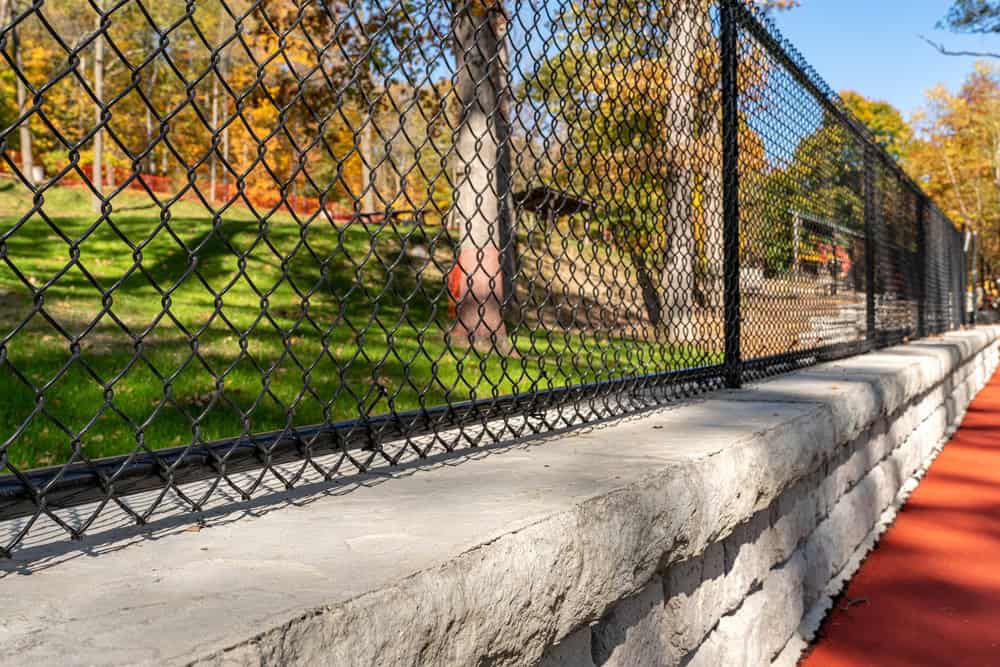
Most residential chain link installations in Union Park finish in one to two days, depending on your property size and fence length. A standard backyard enclosure of 150-200 linear feet typically takes a full day from start to cleanup.
Larger properties or installations with multiple gates, significant elevation changes, or obstacles like trees and utilities take longer. We give you a realistic timeline during the quote so you can plan accordingly.
Weather can push schedules back. Heavy rain makes post-setting difficult and compromises installation quality, so we’d rather delay a day than rush through wet conditions. Union Park’s afternoon thunderstorms are predictable enough that we schedule morning starts during summer months to avoid weather delays.
You’re looking at $10-20 per linear foot for standard galvanized chain link installation in Union Park, including materials and labor. A typical 150-foot residential installation runs $1,500-$3,000 depending on height, gauge, and whether you’re adding gates.
Vinyl-coated chain link costs more upfront, usually adding $2-5 per linear foot, but gives you color options and extra weather protection. Privacy slats add another cost if you want them, typically $1-3 per linear foot depending on material quality.
Property conditions affect pricing. If your yard has significant slope, rocky soil, or requires removal of existing fencing, that adds labor time and cost. We account for these factors during the on-site estimate so your final price matches what you approved.
The total cost is still significantly less than wood or vinyl fencing when you factor in chain link’s 20+ year lifespan and zero maintenance requirements. You’re not repainting, restaining, or replacing boards down the road, which is where other fence types get expensive over time.
Yes. Chain link is specifically engineered for humid climates like Central Florida. The galvanized coating protects the steel core from rust and corrosion even with constant moisture exposure from Union Park’s humidity and frequent rain.
Vinyl-coated chain link adds another protective layer that extends the lifespan even further. The PVC coating seals out moisture and resists UV damage from Florida’s intense sun. You’ll see chain link fences throughout Union Park that have been standing for decades without significant deterioration.
Hurricane season is where chain link outperforms solid fencing. The open weave lets wind pass through instead of catching it like a sail. That reduces stress on posts and prevents the fence-flattening damage you see with privacy fences after major storms. Your fence stays standing when solid fences in the neighborhood come down.
Salt air from the coast does eventually affect galvanized steel, but Union Park is far enough inland that corrosion happens very slowly. Most chain link fences here last 20-25 years before needing replacement, and that’s typically due to wanting an upgrade rather than structural failure.
Absolutely. Privacy slats are the most common addition and can be installed anytime after your chain link goes up. They weave through the chain link fabric and block 85-95% of visibility depending on slat style and spacing.
Slats come in various materials including vinyl, aluminum, and polyethylene. Vinyl slats hold up best in Florida weather and come in colors like beige, green, brown, and gray to match your property. They don’t fade quickly under UV exposure and handle humidity without warping or cracking.
Another option is privacy screening fabric that attaches to the fence with zip ties or clips. It’s less expensive than slats and goes up faster, but doesn’t last as long. Most Union Park homeowners choose slats for permanent installations and screening for temporary privacy needs.
You can also plant climbing vines or shrubs along the fence line for natural privacy. Chain link provides excellent support for plants like jasmine, bougainvillea, or confederate jasmine that thrive in Central Florida. This takes longer to establish but gives you a living privacy screen that looks better than any manufactured option.
Almost none. You’ll want to hose it down once or twice a year to remove dirt, pollen, and debris that accumulates in the mesh. That’s about 10 minutes with a garden hose, and you’re done.
Check gate hinges and latches annually to make sure they’re still tight and functioning smoothly. A drop of oil on hinges keeps them from squeaking. Tighten any loose bolts you notice. That’s the extent of regular maintenance for most chain link installations.
If tree branches fall on the fence during storms, you might need repairs to bent sections or damaged posts. But the fence itself doesn’t rot, warp, crack, or require refinishing like wood and vinyl do. There’s no painting, staining, or sealing required ever.
Vinyl-coated chain link needs even less attention since the coating protects against scratches and scuffs that can expose bare metal. If you do get a scratch through to the galvanized layer, it’s not urgent—the galvanized coating still protects the steel underneath from rust.
Most residential chain link installations in Union Park require a permit from Orange County. Fences over 6 feet tall always need permits, and many municipalities require them for any fence installation regardless of height.
Setback requirements dictate how close to property lines you can install fencing. These vary by zoning, but residential properties typically allow fences right up to the property line in backyards, with front yard restrictions. We verify your property’s specific requirements during the estimate.
Homeowner association rules often have additional restrictions beyond county codes. Some HOAs limit fence heights, require specific colors, or prohibit chain link entirely in front yards. You’ll want to check your HOA covenants before scheduling installation to avoid compliance issues.
We handle permit applications as part of our service in most cases. We know what Orange County requires for documentation, submit the paperwork, and don’t start installation until permits are approved. This keeps your installation legal and prevents problems if you sell your property later. The permit cost is typically $50-150 and gets added to your total project price.