You need a fence that works. One that keeps kids and pets safe, defines your property line clearly, and doesn’t fall apart after the first summer storm.
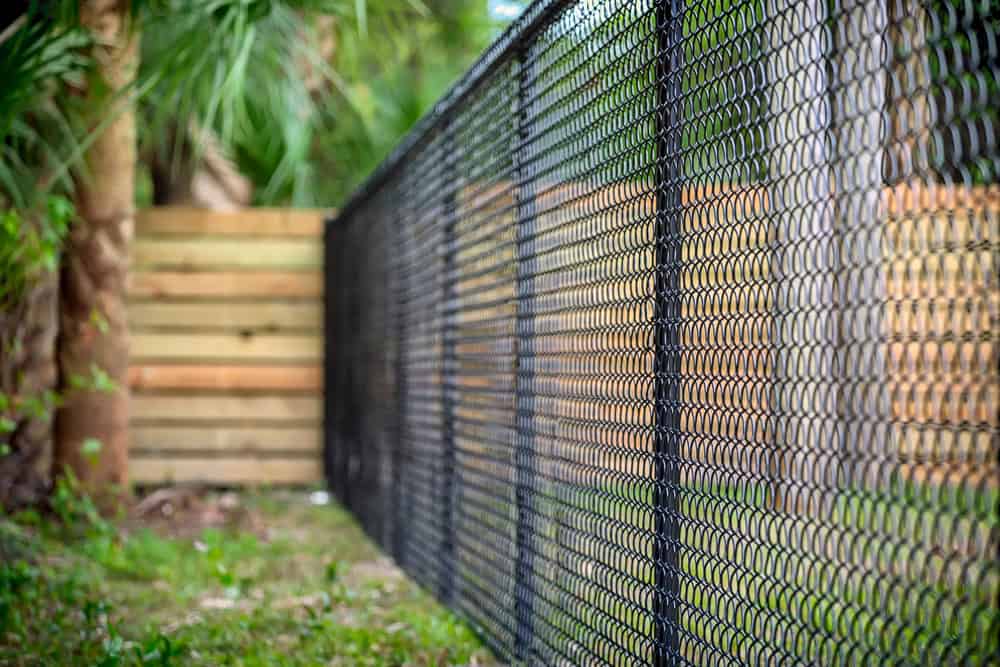
Chain link does exactly that. It’s the most hurricane-resistant fencing option available because wind passes through the open weave instead of pushing against a solid wall. That means less pressure, less damage, and a fence that’s still standing when others aren’t.
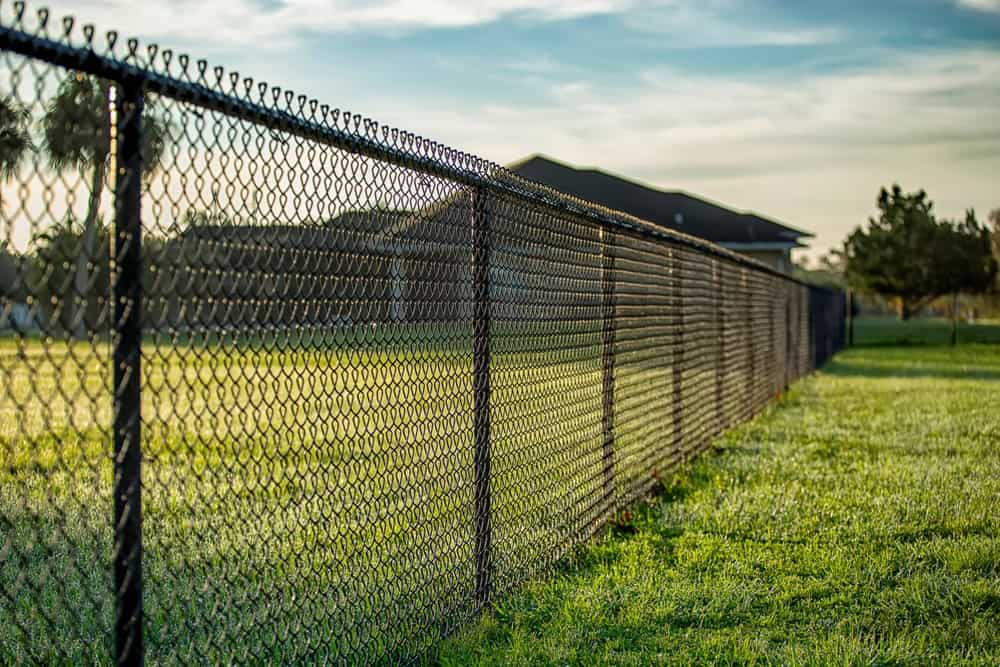
The cost matters too. Chain link installation in Westfield, FL gives you 20+ years of performance at a fraction of what you’d pay for wood or vinyl. You’re not sacrificing quality—you’re choosing smart. Galvanized or vinyl-coated options resist rust and corrosion even in Florida’s humidity and salt air. Maintenance is minimal. Hose it down a few times a year and you’re done.
If you need pool code compliance, perimeter security for a commercial property, or just a reliable fence that won’t need replacing in five years, this is it.
We’ve been installing fences across Central Florida for over 20 years. We’re licensed, bonded, and insured in the state of Florida—which matters more than most people realize until something goes wrong.
We serve Westfield and the surrounding areas in Lake, Orange, Seminole, Brevard, Volusia, Osceola, Polk, Sumter, and Marion counties. That’s not new territory for us. We know the soil conditions, the permitting requirements, and what actually holds up in Florida weather.
You’ll find us backed by 175+ Google reviews, and we don’t cut corners to win on price. We use top-grade materials, experienced installers, and transparent pricing with no surprise fees. If you want a fence installed fast and done right, that’s what we do.
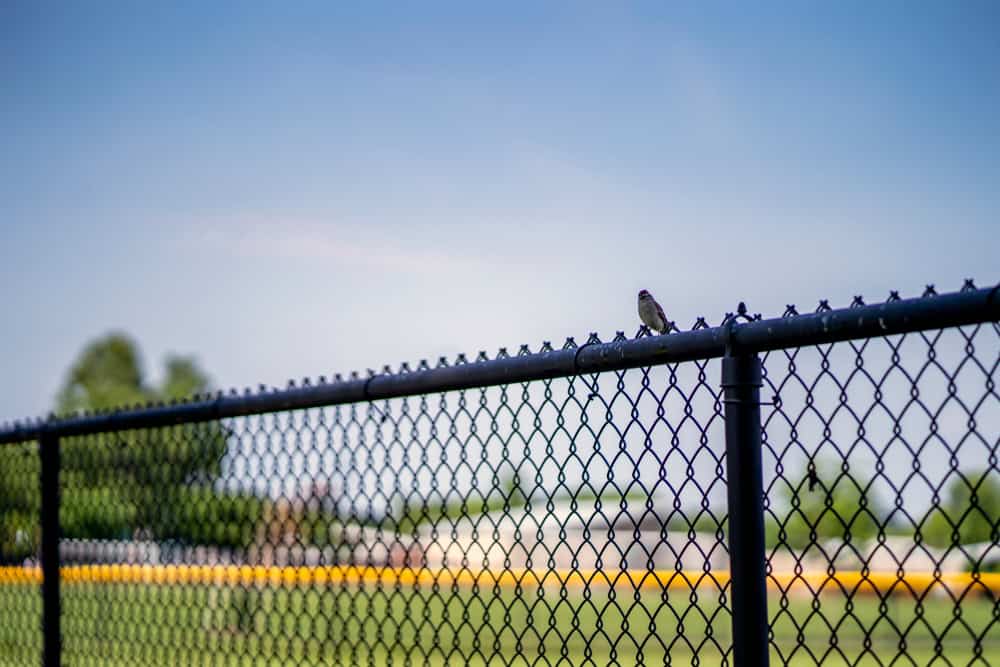
The process starts with an on-site consultation. We measure your property, discuss what you need the fence to do, and walk through material options—galvanized steel, vinyl-coated mesh, privacy slats if you want them.
You’ll get a written estimate with no hidden costs. If you move forward, we handle permits and coordinate with your HOA if needed. Then we schedule installation based on your timeline.
Most chain link fence installations in Westfield, FL take one to three days depending on property size and complexity. We set posts, stretch the mesh tight, install gates, and make sure everything operates smoothly. Our crew cleans up the site before we leave.
After installation, you’ve got a fence that meets Florida Building Code, handles hurricane-force winds, and requires almost no upkeep. If you ever need repairs or adjustments down the road, we’re a phone call away.
Ready to get started?
Every chain link fence we install in Westfield, FL is built with Florida’s conditions in mind. Galvanized steel resists rust. Vinyl coating adds another layer of protection and comes in multiple colors if aesthetics matter to you.
Height options range from four feet for pool enclosures to six or eight feet for security and privacy. We can add privacy slats—vinyl or aluminum strips woven through the mesh—to block sightlines while still allowing airflow. That’s a big advantage over solid fencing in a state where hurricanes are a yearly concern.
For commercial properties, we install heavy-gauge chain link with barbed wire or top rail reinforcement. For residential jobs, we focus on clean lines, smooth gate operation, and making sure the fence blends into your property without looking industrial.
Westfield sits in a suburban area where home values average around $252,000. Most residents want functional, affordable fencing that doesn’t require constant maintenance or replacement. Chain link delivers that. It’s not the flashiest option, but it’s the smartest one for long-term value and storm performance.
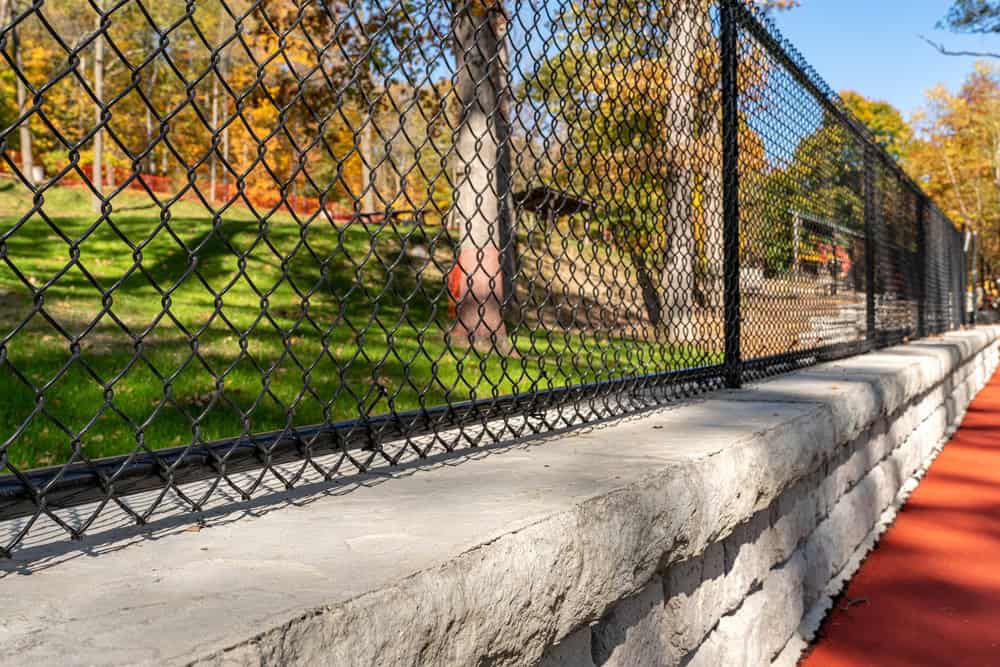
A properly installed chain link fence lasts 20 years or more in Florida, even with the humidity, salt air, and UV exposure we deal with year-round. The key is using the right materials from the start.
Galvanized steel is coated with zinc to prevent rust. Vinyl-coated chain link adds a plastic layer over the galvanized wire, which extends the lifespan even further and gives you color options. Both hold up well in coastal and inland areas.
Maintenance is minimal. Rinse the fence a few times a year to remove salt, pollen, or dirt buildup. If you’re near the coast, a mild soap-and-water wash once or twice a year helps. That’s it. No staining, no painting, no board replacement. The fence does its job without demanding constant attention.
Yes. Chain link is one of the best-performing fence types in hurricanes because of how it’s designed. The open weave allows wind to pass through instead of creating resistance, which reduces wind load by 60 to 80 percent compared to solid fencing.
The mesh is flexible, so it bends under extreme wind without breaking. Once the storm passes, it returns to shape. Solid fences—wood, vinyl, even some metal panels—act like sails in high winds and often fail completely.
Proper installation matters just as much as the material. Posts need to be set deep with concrete, and the mesh needs to be stretched tight. We install every chain link fence in Westfield, FL to handle Florida’s storm season. We’ve seen these fences stand through direct hurricane hits while neighboring fences didn’t make it.
Absolutely. Privacy slats are the most common solution. These are vinyl or aluminum strips that weave vertically through the chain link mesh, creating a solid visual barrier while still allowing airflow.
Slats come in different colors—green, black, beige, brown—so you can match your property or blend with landscaping. They block around 90 percent of visibility from either side, which gives you privacy without the wind resistance of a solid fence.
Another option is planting shrubs or vines along the fence line. Chain link makes a great trellis for climbing plants like jasmine or bougainvillea, which are common in Florida landscapes. You get privacy, curb appeal, and the structural benefits of chain link all in one setup. We can walk you through both options during the estimate.
Yes, as long as it’s installed to code. Florida Building Code requires pool barriers to be at least four feet high with no gaps larger than four inches. Chain link meets those requirements easily.
Gates must be self-closing and self-latching, with the latch at least 54 inches from the ground or on the pool side of the gate. We install compliant gates on every pool enclosure, and we make sure they operate smoothly so you’re not fighting with a sticky latch every time you use the pool.
If your property is in an HOA, there may be additional restrictions on fence height, color, or placement. We’ve worked with HOAs across Central Florida and can navigate those requirements for you. The goal is a fence that keeps your family safe, meets code, and doesn’t create headaches with inspections or association rules.
Cost depends on the size of your property, fence height, and material options. Chain link is the most affordable fencing type per linear foot, which is why it accounts for nearly 34 percent of total fencing demand in the U.S.
A standard four-foot galvanized chain link fence costs less than wood, vinyl, or aluminum. If you upgrade to vinyl-coated mesh or add privacy slats, the price goes up but you’re still looking at a fraction of what other materials cost. Commercial-grade chain link with heavier gauge wire and taller height runs more, but it’s built for security and high-traffic areas.
We give written estimates with transparent pricing. No surprise fees, no upselling you on things you don’t need. You’ll know exactly what you’re paying before we start. Most installations in Westfield are completed in one to three days, so you’re not dealing with weeks of disruption or labor costs piling up.
Licensing means we’re accountable. We carry insurance, we pull permits, and we install to Florida Building Code. If something goes wrong, you’re protected. If you hire an unlicensed contractor or try a DIY install, you’re on your own if the fence fails inspection or doesn’t hold up in a storm.
Proper installation makes the difference between a fence that lasts 20 years and one that sags or rusts out in five. Posts need to be set at the right depth with concrete. Mesh needs to be stretched evenly. Gates need to be hung level and latched correctly. Those details matter, and they’re not always obvious if you haven’t done it before.
We’ve installed fences across Central Florida for over two decades. We know the soil conditions in Westfield, the permitting process, and what actually holds up in Florida weather. You’re not paying for guesswork—you’re paying for experience and a fence that works the way it’s supposed to.