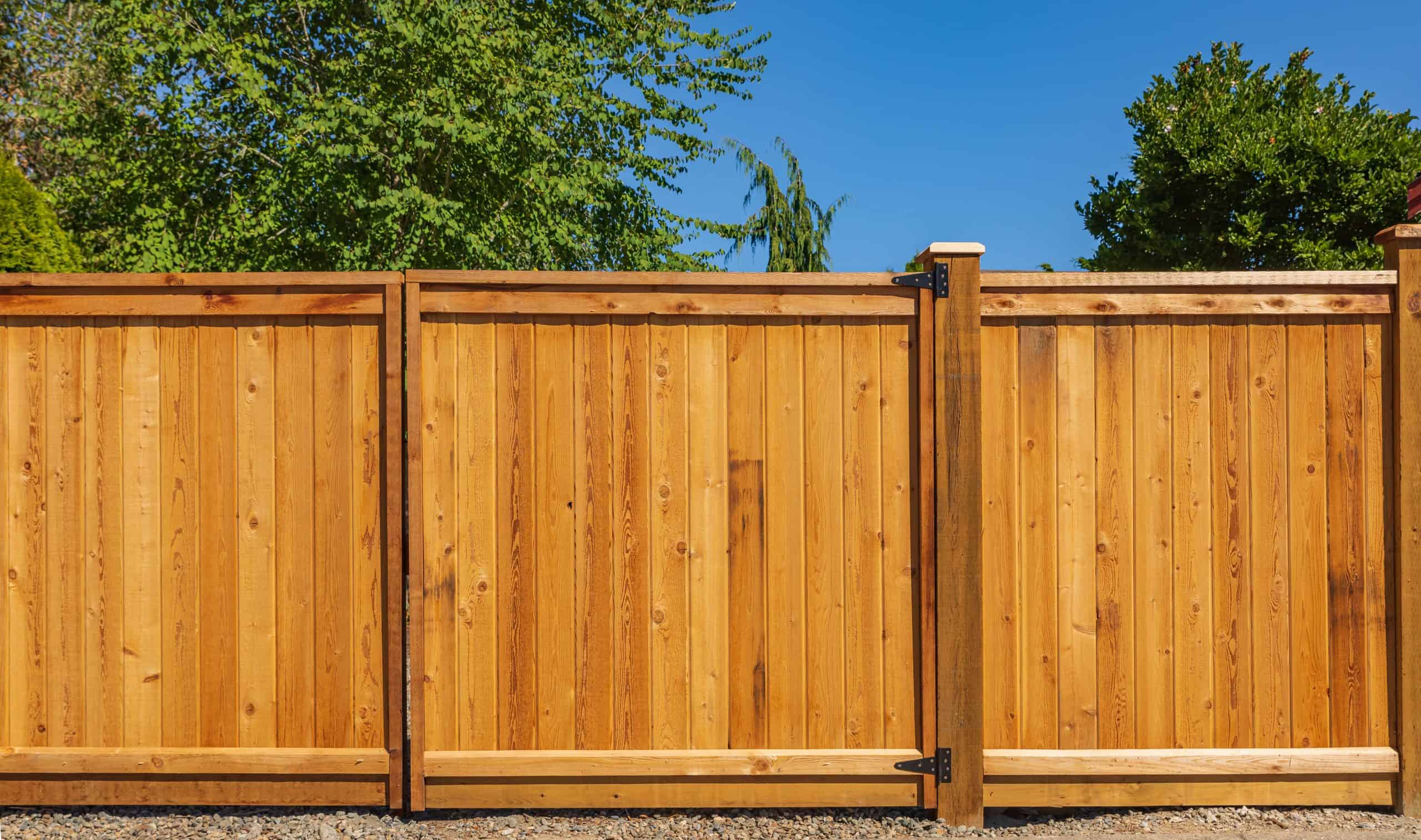
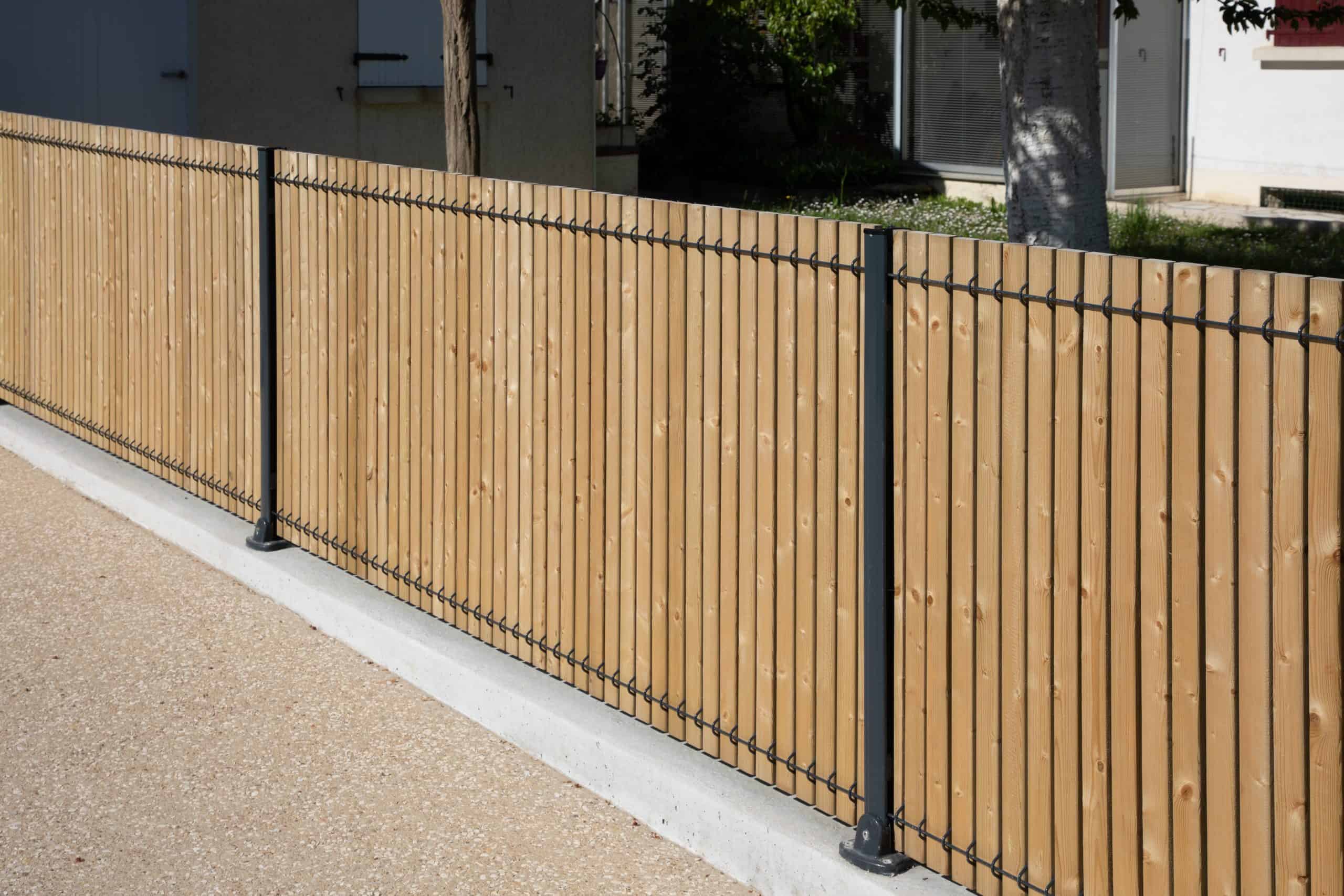
Your yard becomes the space you’ve been wanting. Kids and pets play safely without you watching the property line. Neighbors can’t see in, and you’re not dealing with privacy issues anymore.
The fence holds up through summer heat and hurricane season because it’s built with pressure treated materials and installed correctly from the start. No warping in 90 days. No posts wobbling after the first storm.
You’re not repainting every year or replacing boards that should’ve lasted a decade. The installation is clean, the timeline is clear, and you know exactly what you’re paying before work starts. That’s what happens when the job is done right.
We’ve been building wood fences across Central Florida since 2004, with roots going back to 1992 in Atlanta. We brought that same level of craftsmanship to Lake County and the surrounding areas because we saw too many homeowners getting stuck with installations that didn’t last.
We’re licensed, insured, and we’ve completed over 5,300 permitted projects across Lake, Orange, Seminole, and the surrounding counties. Westfield homeowners deal with the same climate challenges as the rest of Central Florida—high humidity, intense UV, seasonal storms—and we build for those conditions specifically.
You’re working with a team that knows what holds up here and what doesn’t. We don’t cut corners on materials or installation methods, and we don’t leave you guessing about timelines or costs.

You reach out, and we schedule a time to assess your property. We measure the area, discuss your privacy needs, talk through style options like board-on-board or shadowbox, and give you a transparent quote with no hidden costs.
Once you approve, we handle the permitting and schedule the installation. Our crew sets posts in concrete—not sand—because Florida soil and weather demand that level of stability. We use pressure treated lumber that’s built to resist rot, termites, and moisture damage in this climate.
The installation is efficient. We keep disruption minimal, clean up the site, and walk you through maintenance recommendations so your fence lasts 15 to 20 years instead of falling apart in a few seasons. You get a final walkthrough, and we don’t consider the job done until you’re satisfied with the result.

Ready to get started?
You’re getting pressure treated pine or cedar depending on your budget and longevity goals. Cedar can last up to 40 years in Florida with proper care. Pressure treated pine gives you 15 to 20 years of solid performance when it’s installed correctly and maintained.
We install posts with concrete footings because Westfield’s sandy soil and storm conditions require that stability. You’re not dealing with posts that shift or break at the base after the first severe weather event.
Style options include stockade, board-on-board, shadowbox, and horizontal designs. Shadowbox is popular in Central Florida because it allows airflow, which helps the fence hold up better during hurricanes. We also customize height and finish to match your property.
You get transparent pricing upfront, a clear timeline, and a warranty that backs the work. We’re not the cheapest option in Westfield, and that’s intentional. You’re paying for materials that last and installation that doesn’t need redoing in two years.
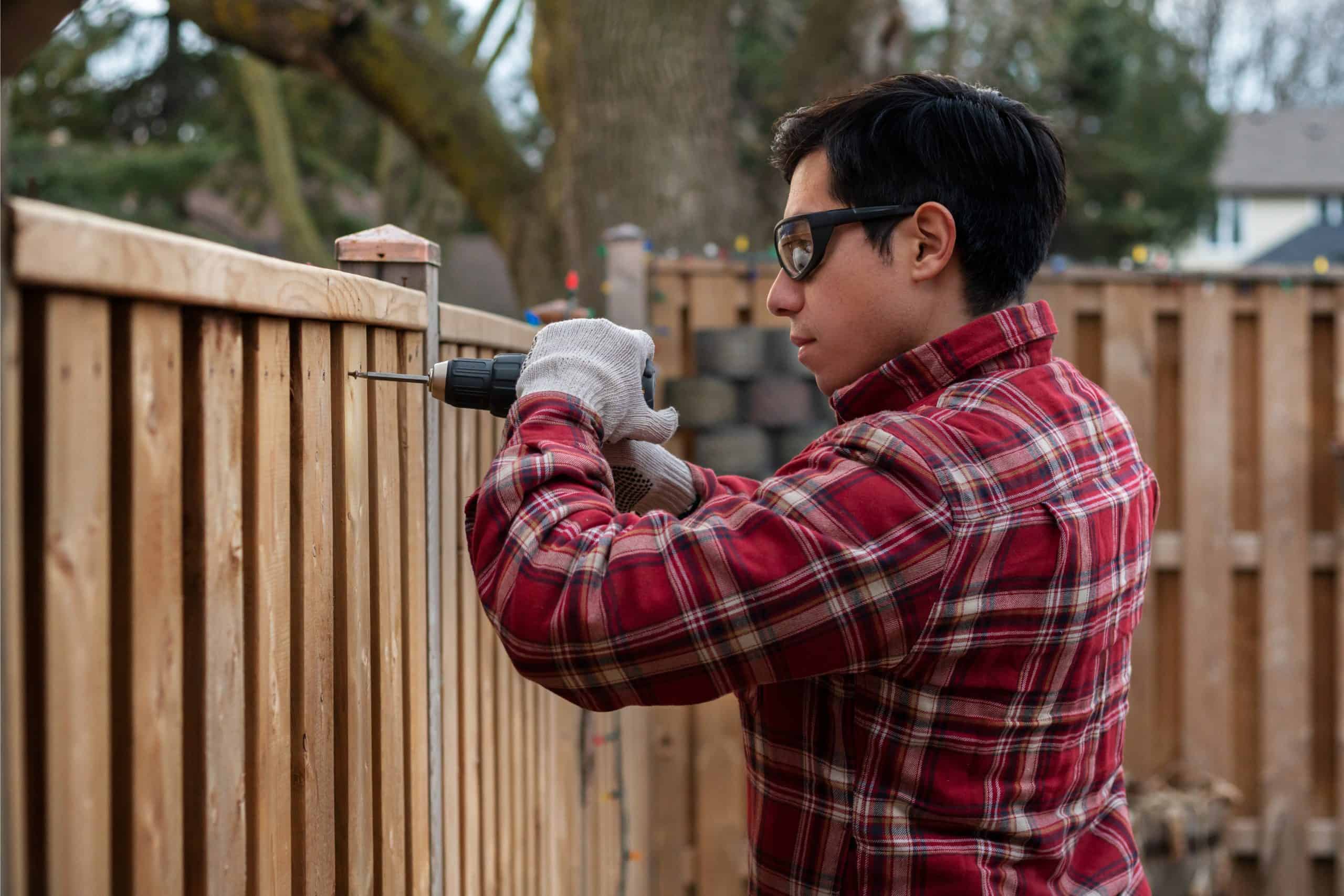
A properly installed pressure treated wood fence in Westfield typically lasts 15 to 20 years. Cedar fences can push 40 years if you stay on top of maintenance. The key is using pre-treated lumber and installing posts in concrete, not just sand.
Florida’s humidity, UV exposure, and seasonal storms accelerate wear on any outdoor structure. We’ve seen newly installed fences warp and crack in as little as three months when the wrong materials or installation methods are used. That’s why we only use pressure treated or cedar lumber and ensure every post is set in concrete for stability.
Maintenance matters too. You’ll need to stain or seal your wood fence every two to three years to protect against moisture and sun damage. Skipping that step cuts the lifespan significantly. But if you build it right and maintain it, you’re looking at decades of solid performance.
Shadowbox is the most hurricane-resistant wood fence style for Westfield and Central Florida. The design allows wind to pass through the fence panels instead of hitting a solid wall, which reduces the chance of the entire structure getting ripped out during a storm.
Board-on-board is another solid option. It offers similar airflow benefits while giving you full privacy. Stockade and solid privacy fences look great, but they catch more wind and put more stress on the posts and panels during severe weather.
The installation method matters just as much as the style. Posts need to be set deep in concrete, and the fence needs to be built to handle wind loads common in Florida. We’ve seen too many fences fail because they were installed in sand or with inadequate bracing. If you’re in a storm-prone area, don’t skimp on the foundation work.
Wood fence installation in Westfield typically runs between $15 and $30 per linear foot, depending on the material, height, and style you choose. Pressure treated pine is on the lower end. Cedar and custom designs with decorative elements push toward the higher end.
That price includes materials, labor, concrete footings, and cleanup. It doesn’t include repairs to existing structures, gate installations, or staining—those are separate line items. We give you a detailed quote upfront so there’s no confusion about what you’re paying for.
You’ll find cheaper quotes out there. Some contractors skip the concrete and set posts directly in sand, or they use lower-grade lumber that won’t last. You end up paying twice—once for the initial install and again in a few years when you’re replacing boards or rebuilding sections. We price for quality and longevity, not just the lowest bid.
Yes, most wood fence installations in Westfield require a permit, especially if the fence is over a certain height or located near property lines. The permit process ensures your fence meets local building codes and setback requirements.
We handle the permitting for you. That includes submitting plans, coordinating inspections, and making sure everything is compliant before we start work. It’s part of the service, and it protects you from fines or having to tear down a fence that wasn’t approved.
Some homeowners try to skip permits to save time or money, but that creates problems down the line—especially if you sell the property or if a neighbor files a complaint. Permitted work also means you have a record of the installation, which can help with insurance claims if the fence gets damaged in a storm.
You’ll need to stain or seal your wood fence every two to three years to protect it from Florida’s humidity and UV exposure. That’s the most important maintenance task. Skipping it leads to cracking, warping, and rot—especially with the intense sun and seasonal rain we get in Westfield.
Inspect your fence a few times a year for loose boards, rusted fasteners, or signs of termite activity. Termites and carpenter ants thrive in Central Florida, and they can weaken a wood fence quickly if you don’t catch them early. Replace damaged boards as soon as you notice them to prevent further deterioration.
Keep vegetation trimmed back from the fence line. Overgrown plants trap moisture against the wood, which accelerates rot. If you have sprinklers, make sure they’re not constantly soaking the fence. A little proactive care goes a long way toward getting 20 years out of a pressure treated fence instead of 10.
It depends on the extent of the damage and the age of the fence. If you’ve got a few broken boards or a leaning post, repair is usually the smarter move. We can replace damaged sections, reinforce posts, and get your fence back to solid condition without tearing everything out.
If the fence is over 15 years old and you’re seeing widespread rot, multiple broken posts, or significant warping across several panels, replacement makes more sense. At that point, you’re throwing money at a structure that’s going to keep failing. A new installation gives you another 15 to 20 years of performance.
We’ll assess the fence and give you an honest recommendation. If a repair works, we’ll tell you. If you’re better off replacing it, we’ll explain why. We’re not here to upsell you on work you don’t need—we’d rather you trust us for the next project because we were straight with you on this one.