Your weekends stay yours. No scraping, painting, or staining every few years like wood demands. A quick spray with the garden hose removes pollen and dust, and you’re done.
Your fence looks the same in year ten as it did on install day. Florida’s sun won’t fade it. The humidity won’t warp it. Storms won’t rot it. Vinyl doesn’t absorb moisture, so there’s no swelling, splitting, or mold creeping up the panels.
Your property value gets an immediate boost. Clean lines, consistent color, and zero visible wear make your home more marketable. Buyers notice when a fence doesn’t need work. You’ll notice when neighbors start asking who installed it.
We’ve been handling residential and commercial fence installation across Central Florida for over three decades. We’ve seen what works in Crown Point’s climate and what fails after the first hurricane season.
We’re not new to vinyl. We know how deep posts need to go in Florida soil, how to account for wind loads, and which panel systems hold up when storms roll through. Our installations meet local building codes and HOA requirements without you needing to chase down permits or approvals.
You’ll work with our local crew that shows up on time, finishes the job correctly, and doesn’t disappear after cashing your check. We serve Lake, Orange, Seminole, and surrounding counties with the same approach: transparent pricing, quality materials, and installations that last.

We start with a site visit to measure your property, check for utilities, and discuss style options. You’ll see samples of vinyl fence panels, colors, and heights so you know exactly what you’re getting. We handle permit applications if your area requires them.
Once permits clear, we mark post locations and dig to the proper depth for Florida’s wind load requirements. Posts get set in concrete with correct spacing to prevent sagging or movement during storms. We don’t rush this part because it determines how long your fence lasts.
Panels go up next, secured with fasteners designed for vinyl’s expansion and contraction in heat. We level everything, double-check gate operation if you’re adding those, and walk the property with you before calling it done. Cleanup happens the same day. You’re left with a finished fence and no mess in your yard.

Ready to get started?
You get professional-grade vinyl materials engineered for Florida’s climate. That means UV inhibitors to prevent yellowing, reinforced panels that flex in wind without breaking, and posts designed to handle Crown Point’s soil conditions. We don’t use builder-grade vinyl that cracks after two summers.
Your installation includes proper post depth and spacing based on local wind load requirements. Crown Point sits in a hurricane zone, so we follow structural standards that keep your fence standing when storms hit. Posts go deeper than standard residential fencing in other states.
We handle the permit process for you. Crown Point requires permits for most fence installations, and attempting to skip that step leads to fines or forced removal. We submit applications, coordinate inspections, and make sure everything passes before we start digging.
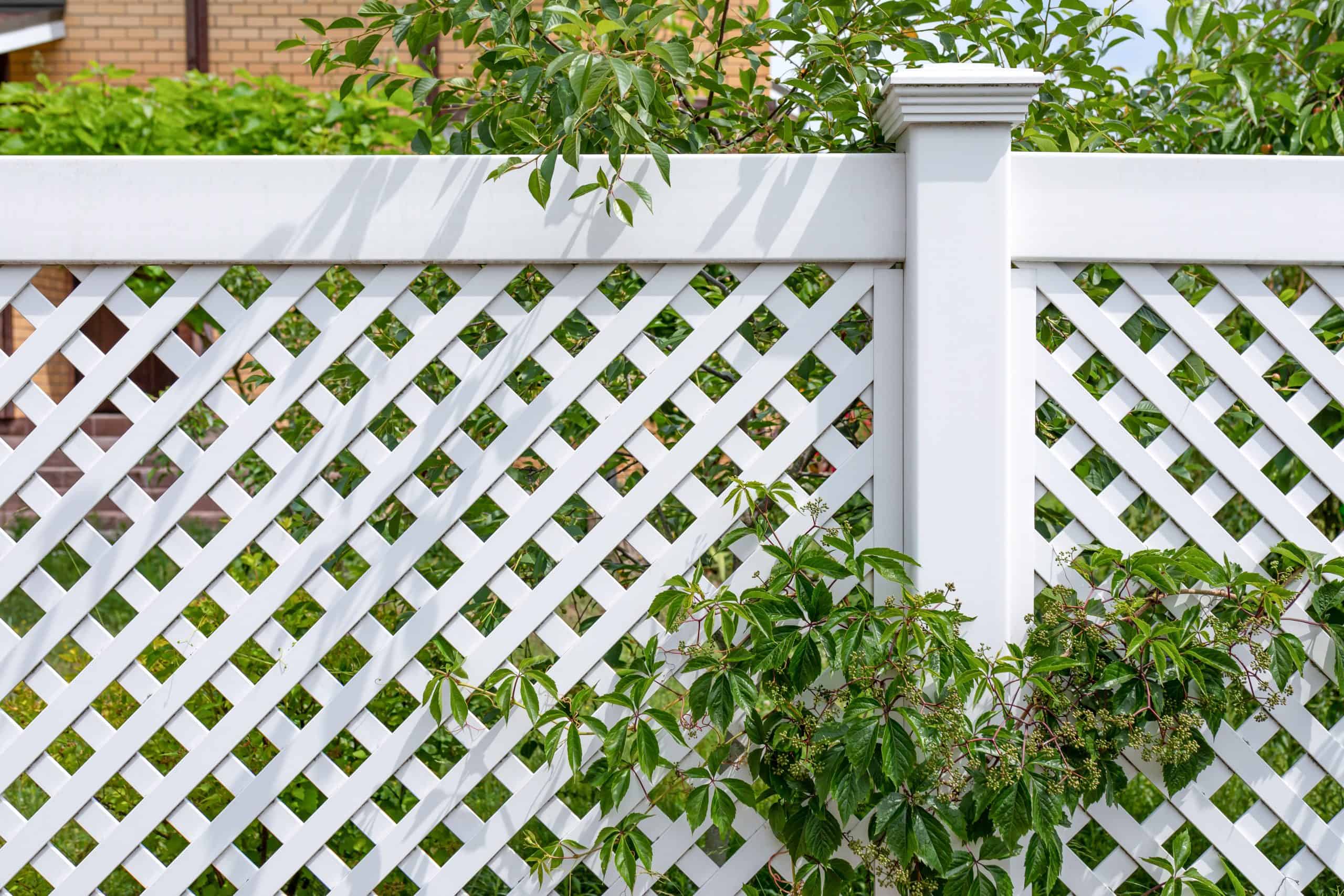
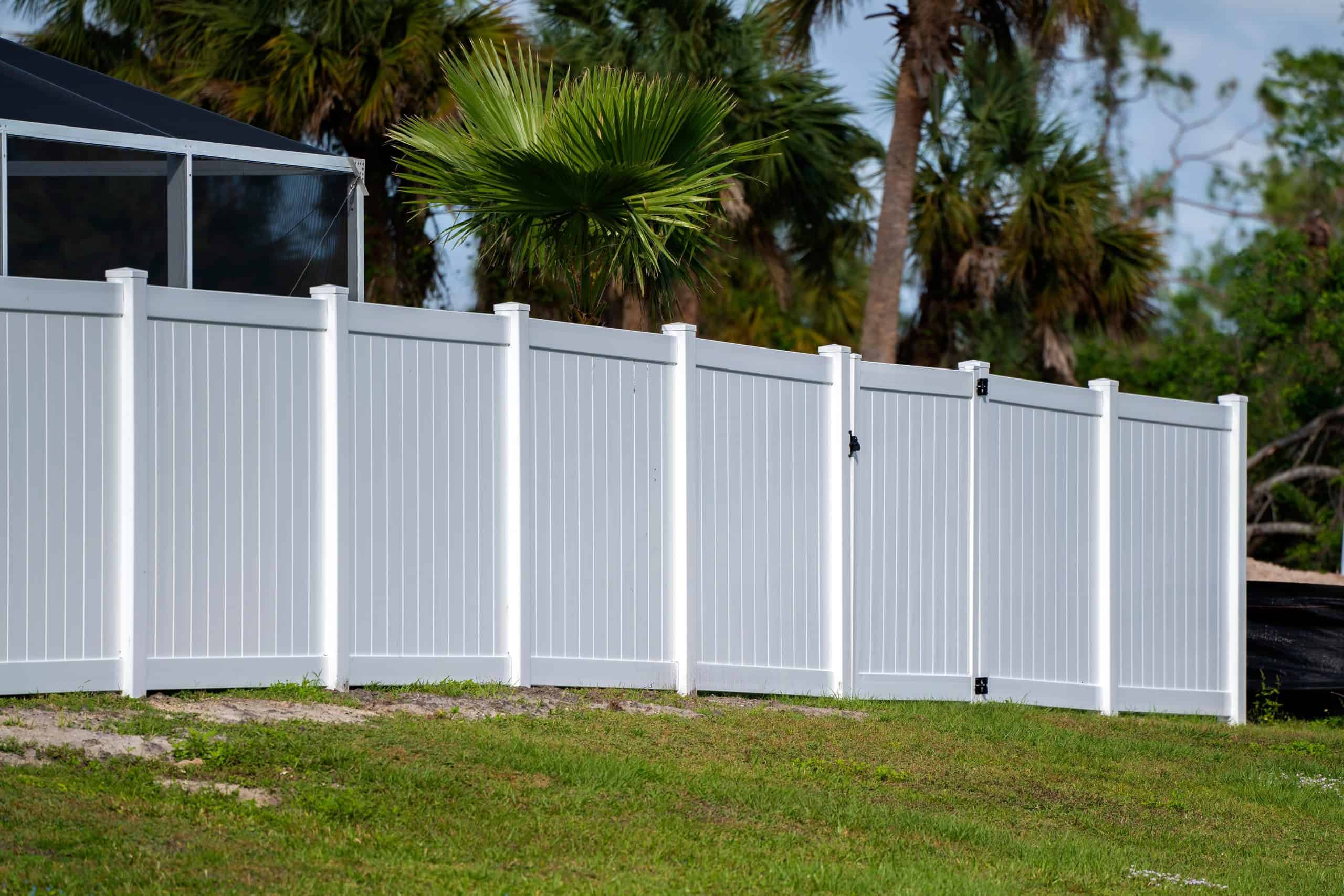
You’ll choose from privacy styles, semi-privacy picket designs, or decorative options depending on what your property needs. Colors range from white and tan to gray and woodgrain textures. Gates get added where you need access, with hardware that won’t rust or seize up in Florida’s humidity.

Most vinyl fence installations in Crown Point run between $15 and $40 per linear foot, depending on height, style, and site conditions. A standard six-foot privacy fence for a typical residential lot averages around $3,600 to $4,200 total.
That price includes materials, labor, post installation, and panel assembly. It doesn’t include permit fees, which vary by project size, or removal of existing fencing if you need that handled. Properties with challenging terrain, rocky soil, or utility conflicts can push costs higher.
You’re paying more upfront than you would for wood or chain link, but you’re eliminating years of maintenance costs. Wood fences need restaining every two to three years at $1 to $3 per linear foot. Over ten years, that maintenance alone can match the cost difference between wood and vinyl. You’re also avoiding rot repairs, board replacements, and the time spent doing that work yourself.
Yes, if it’s installed correctly with proper post depth and spacing. Vinyl fences flex under wind pressure instead of snapping like rigid materials. That flexibility helps them survive high winds without breaking, but only if the posts are anchored deep enough.
Crown Point requires posts set at least 24 to 36 inches deep depending on fence height and local wind load calculations. We set posts in concrete and space them closer together than standard residential fencing to handle Florida’s storm conditions. Panels need room to move slightly without pulling fasteners loose.
Vinyl won’t rot or weaken after getting soaked during storms. Wood absorbs water and loses structural integrity over time, especially after repeated hurricane seasons. Vinyl sheds water completely, so there’s no degradation from moisture exposure. You might see panels shift during a direct hit from a major hurricane, but they won’t disintegrate like untreated wood or corrode like metal fencing.
Yes, most fence installations in Crown Point require a building permit. The permit process ensures your fence meets setback requirements, height restrictions, and structural standards for wind loads. Skipping permits can result in stop-work orders, fines, or forced removal of the completed fence.
The permit application requires a site plan showing property lines, fence location, and distances from structures. You’ll also need to confirm there are no utility easements where you’re planning to dig. Most permits take one to three weeks to process depending on the county’s workload.
We handle permit applications as part of our installation service. We submit the required documentation, coordinate inspections, and make sure everything passes before starting work. That removes the hassle of dealing with county offices and ensures your fence is legal from day one. Some HOAs also require approval before installation, which we can help you navigate if needed.
Most residential vinyl fence installations take two to four days once permits are approved and materials arrive. A straightforward project with level ground and no obstacles can finish in two days. Properties with slopes, trees, or utility conflicts take longer.
Day one involves marking post locations, digging holes, and setting posts in concrete. Posts need 24 to 48 hours to cure before we attach panels, so there’s usually a gap between setup and completion. Day two or three covers panel installation, gate mounting, and final adjustments.
Permit approval adds one to three weeks before installation starts. Material delivery can add another few days depending on your style and color selection. We’ll give you a specific timeline during the initial consultation based on your property and current permit processing times. Weather delays happen occasionally during Florida’s rainy season, but we work around rain when possible to stay on schedule.
Almost none. Spray it with a garden hose once or twice a year to remove pollen, dirt, and mildew buildup. That’s the extent of regular maintenance for vinyl fencing in Crown Point.
You don’t need to paint, stain, or seal vinyl. The color goes all the way through the material, so scratches don’t expose a different color underneath. UV inhibitors are mixed into the vinyl during manufacturing, which prevents fading and yellowing even under Florida’s intense sun.
Mildew can appear on any outdoor surface in Crown Point’s humidity, but it wipes off vinyl easily with soap and water. You’re not dealing with mold growing into the material like it does with wood. If a panel gets damaged during a storm, you can replace individual sections without redoing the entire fence. Most homeowners go years without touching their vinyl fence beyond an occasional rinse.
You can install vinyl fencing yourself if you have experience with post setting, concrete work, and leveling. Most homeowners hire a contractor because mistakes with post depth or spacing lead to sagging, leaning, or failure during storms.
Crown Point’s building codes require specific post depths and spacing based on wind load calculations. Getting those numbers wrong means your fence won’t pass inspection or won’t survive the first hurricane. Posts need to be perfectly plumb and properly spaced, or panels won’t fit correctly. Concrete needs to cure fully before attaching panels, and you need the right tools to cut and assemble vinyl without cracking it.
Professional installation also includes permit handling, which eliminates the risk of code violations or failed inspections. We know Crown Point’s setback requirements, HOA restrictions, and utility easement rules. A DIY install might save money upfront, but fixing mistakes or redoing failed inspections costs more than hiring a contractor from the start. If you’re comfortable with construction work and have the time, DIY is possible. Most people find it’s worth paying for experience and warranty coverage.