You’re not just getting posts in the ground. You’re getting a fence that holds up when Crown Point’s summer storms roll through, keeps your property line clear so there’s no neighbor drama later, and doesn’t need you babysitting it with constant repairs.
Most residential fence installation in Crown Point, FL wraps up in one to three days once permits clear. That means you’re not dealing with a half-finished project sitting in your yard for weeks. The fence goes up, we clean up, and you move on with your life.
And if you’re worried about whether it’ll actually last in Florida’s humidity and heat, that’s where material choice matters. Pressure-treated wood resists rot. Vinyl doesn’t warp or fade. Aluminum won’t rust even near the coast. You pick what fits your budget and your property, and we build it to handle the climate here.
Mossy Oak Fence LLC works across Lake, Orange, Seminole, Brevard, Volusia, Osceola, Polk, Sumter, and Marion counties. That means we know Crown Point’s regulations, the permit process, and what actually holds up in this area.
We’re not a national chain sending different crews every time. You get the same team that’s done hundreds of installs in Central Florida, using materials sourced for this climate. No surprises, no runaround, no wondering if the people showing up know what they’re doing.
You call, we give you a free estimate, and if it makes sense, we handle everything from there. Permits, installation, cleanup. You don’t need to become a fencing expert to get this done right.
First, we come out to your property in Crown Point, FL and measure everything. We’ll talk through what you’re trying to accomplish—privacy, security, keeping the dog in, whatever it is—and recommend materials that fit your situation and budget.
Once you approve the estimate, we pull the permits. In Crown Point, that usually means making sure your fence height complies with local codes: four feet max in the front yard, six feet in the back in most cases. We handle that paperwork so you don’t have to chase down approvals or worry about getting it wrong.
Then we schedule the install. Most jobs take one to three days depending on the size of your property and the type of fence. Posts go in first, set in concrete so they’re not going anywhere. Then rails, then pickets or panels. Everything gets leveled, secured, and checked before we’re done.
After installation, we walk the property with you, make sure you’re happy with how it looks, and clean up any debris. That’s it. You’ve got a fence that does what you need it to do.
Ready to get started?
You’re getting more than just labor. We source the materials—pressure-treated wood, vinyl, aluminum, chain link, whatever fits your needs. All of it selected to handle Crown Point’s heat, humidity, and storm season without falling apart in a few years.
We handle the permit process with local authorities, so you’re not stuck figuring out Crown Point’s zoning rules or height restrictions. Front yard fences in Florida typically max out at four feet. Backyard fences can go up to six feet in most areas. If your HOA has additional rules, we work within those too.
Installation includes post-setting in concrete, rail and panel installation, gate hardware if needed, and a final walkthrough. If your property has tricky terrain or drainage issues, we adjust the install to account for that. The goal is a fence that’s level, secure, and built to last without you needing to fix it every season.
And if you’re near the coast or in an area with high wind exposure, we can recommend materials like aluminum that resist rust and hold up better long-term. You’re not guessing what’ll work. We’ve done enough installs in Central Florida to know what actually performs.
Most residential fence installation in Crown Point, FL takes one to three days once permits are approved. The timeline depends on the size of your property, the type of fence you’re installing, and whether we run into any site-specific issues like rocky soil or drainage problems.
Permit approval is usually the longest part of the process, not the actual installation. Crown Point requires permits for most fence projects, and approval can take anywhere from a few days to a couple of weeks depending on the time of year and how backed up the local office is. We handle that entire process for you, so you’re not stuck chasing paperwork or waiting on callbacks.
Once we’re cleared to start, the install moves quickly. Posts go in first, set in concrete and left to cure. Then rails and panels or pickets get installed, gates get hung, and everything gets leveled and secured. After that, we clean up and walk the property with you to make sure it’s done right. If weather delays us—Florida storms happen—we’ll reschedule and keep you updated. But in most cases, you’re looking at a few days from start to finish once we break ground.
Crown Point sits in Central Florida, which means heat, humidity, heavy rain, and the occasional hurricane. Your fence needs to handle all of that without rotting, warping, or falling apart. The three most common materials that hold up well here are pressure-treated wood, vinyl, and aluminum.
Pressure-treated wood is treated to resist rot and insect damage, which matters in Florida’s wet climate. It’s affordable, looks traditional, and can be stained or painted if you want to customize the appearance. The downside is it requires some maintenance—sealing or staining every few years to keep it looking good and protected.
Vinyl is low-maintenance and doesn’t rot, warp, or fade as easily as untreated wood. It handles Florida’s UV exposure well and doesn’t need painting or sealing. It’s more expensive upfront than wood, but you save time and money on upkeep. If you want a fence you can basically ignore after it’s installed, vinyl is a solid choice.
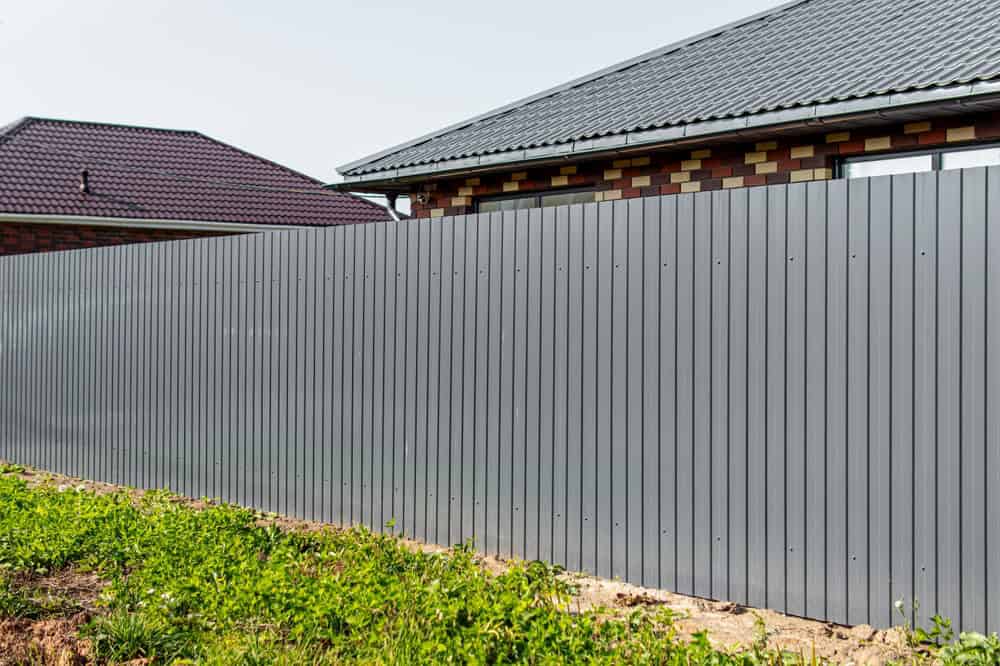
Aluminum is rust-resistant, lightweight, and durable. It’s a good option if you’re near the coast or in an area with high wind exposure. It won’t corrode like steel, and it holds up well in storms. It’s typically used for decorative or pool fencing, but it works for perimeter fencing too if you’re not looking for total privacy.
Yes, most fence installations in Crown Point, FL require a permit. Florida has specific regulations around fence height, placement, and materials, and local municipalities enforce those rules. Skipping the permit process can lead to fines, forced removal of the fence, or issues when you try to sell your property later.
In Crown Point and most of Central Florida, front yard fences are limited to four feet in height. Backyard fences can typically go up to six feet, though some HOAs or local zoning rules may have stricter requirements. If your property is in a planned community or has deed restrictions, you’ll need to follow those as well.
We handle the permit process for you. That includes submitting the application, providing site plans and materials specs, and coordinating with local authorities to get approval. It’s one less thing you have to manage, and it ensures the fence is installed legally and up to code. Permit approval usually takes a few days to a couple of weeks depending on the local office’s workload, but once it’s cleared, we move forward with the install. You don’t need to worry about whether you’re compliant—we make sure it’s done right from the start.
Cost depends on the type of fence, the size of your property, and any site-specific challenges like uneven terrain or difficult access. For a standard 150-linear-foot fence, here’s what you’re typically looking at: wood fences run between $2,250 and $5,250, vinyl fences cost between $3,000 and $6,000, chain link fences range from $1,500 to $3,000, and aluminum fences are usually between $3,000 and $6,750.
Those are ballpark numbers. Your actual cost could be higher or lower depending on the specifics of your project. If you need gates, custom height, or additional features like decorative caps or lattice toppers, that’ll add to the total. If your property has rocky soil or requires extra post depth for stability, that can increase labor costs too.
We provide free estimates, so you know exactly what you’re paying before any work starts. No hidden fees, no surprise charges after the fact. You’ll get a breakdown of materials, labor, and permit costs upfront. If the price doesn’t work for your budget, we can talk through alternatives—different materials, scaled-back scope, or phased installation. The goal is to get you a fence that works for your property and your wallet, not to upsell you on things you don’t need.
You can install a fence on your property line in Crown Point, FL, but you need to know exactly where that line is before we start. Installing a fence even a few inches over the line onto your neighbor’s property can lead to legal disputes, forced removal, and a lot of unnecessary headaches.
The safest approach is to get a survey done before installation. A licensed surveyor will mark your property boundaries with stakes, so there’s no guesswork. If you’ve already had a survey done in the past, check to see if the markers are still visible. If not, it’s worth getting a new one. The cost of a survey is a lot less than the cost of tearing down and reinstalling a fence because it was placed wrong.
If you’re planning to install the fence directly on the property line, it’s also a good idea to talk to your neighbor first. Technically, a fence on the property line is a shared structure, which means they have a say in its appearance and maintenance. Some neighbors are fine with it. Others aren’t. Having that conversation upfront can save you from disputes later.
We’ll install the fence wherever you tell us to, but we always recommend staying a few inches inside your property line just to be safe. That way, there’s no question about encroachment, and you avoid any potential conflict. If you’re unsure about your property lines, get them surveyed before we start. It’s the smartest move you can make.
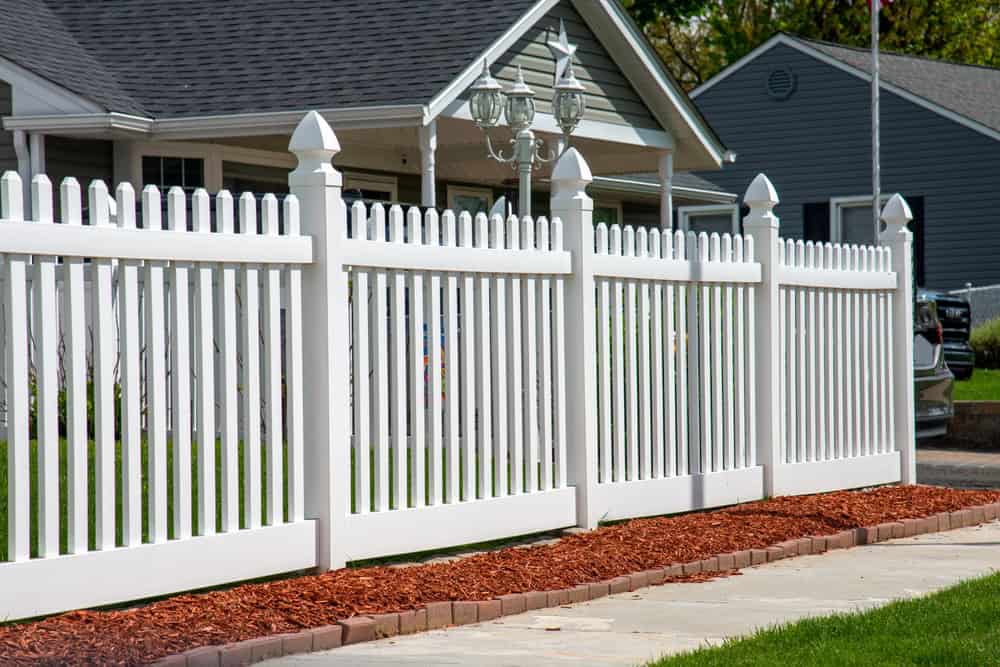
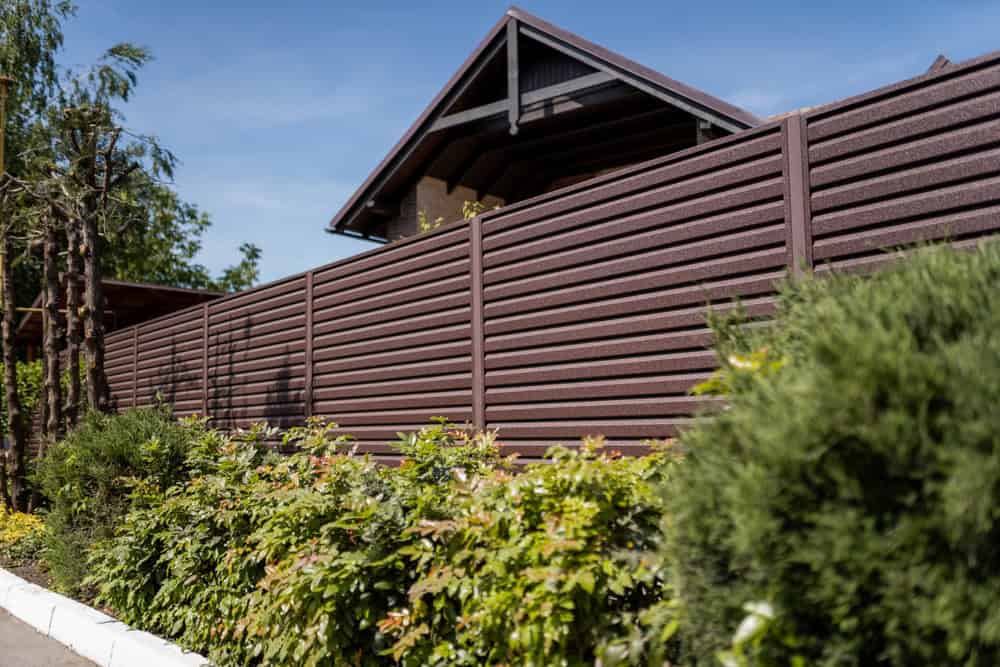
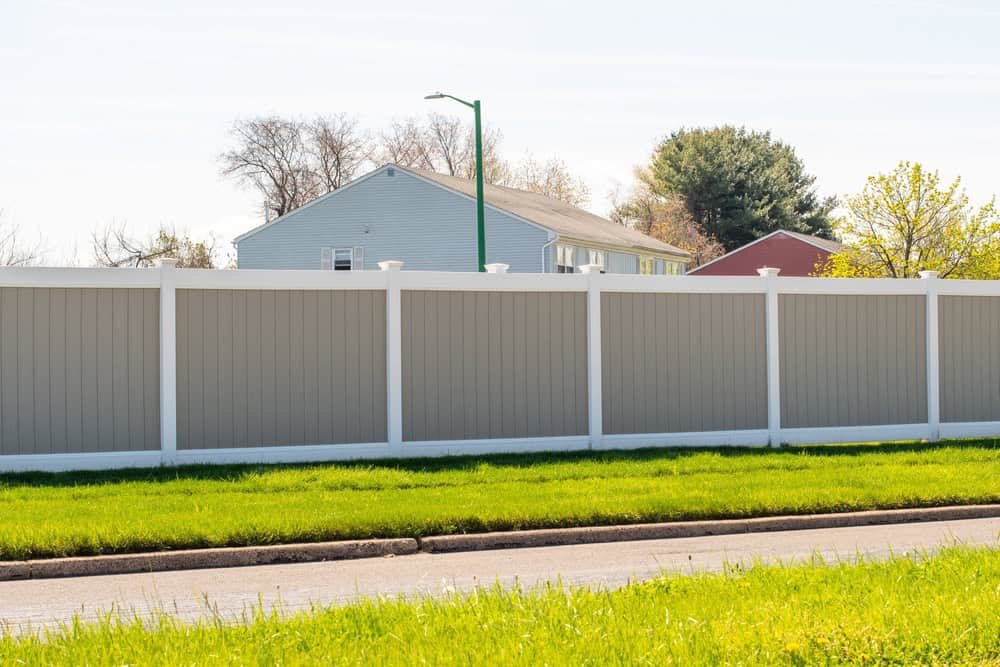
Privacy fence installation in Crown Point, FL usually refers to a solid fence with minimal to no gaps between pickets or panels. The goal is to block sightlines, reduce noise, and create a private outdoor space. Most privacy fences are six feet tall and made from wood or vinyl. They’re common in backyards where you want separation from neighbors or a contained area for kids and pets.
Custom fence installation means you’re getting something built to your specific needs—whether that’s a unique design, non-standard height, mixed materials, or decorative elements like lattice tops or scalloped edges. Custom fences can still provide privacy, but they’re not limited to the standard six-foot solid panel setup. You might want a fence that matches your home’s architecture, incorporates gates in specific locations, or uses a combination of materials like wood and aluminum.
The installation process is similar for both. We measure your property, pull permits, set posts, and install rails and panels or pickets. The difference is in the planning phase. Privacy fences are straightforward—you pick the material and height, and we install it. Custom fences require more upfront discussion about design, materials, and any special features you want included.
Both types of fences need to comply with Crown Point’s local codes and any HOA restrictions. We handle that regardless of which route you go. If you’re not sure whether you need a standard privacy fence or something more customized, we’ll walk you through the options during the estimate. You’ll know what’s possible, what it costs, and what makes the most sense for your property.