
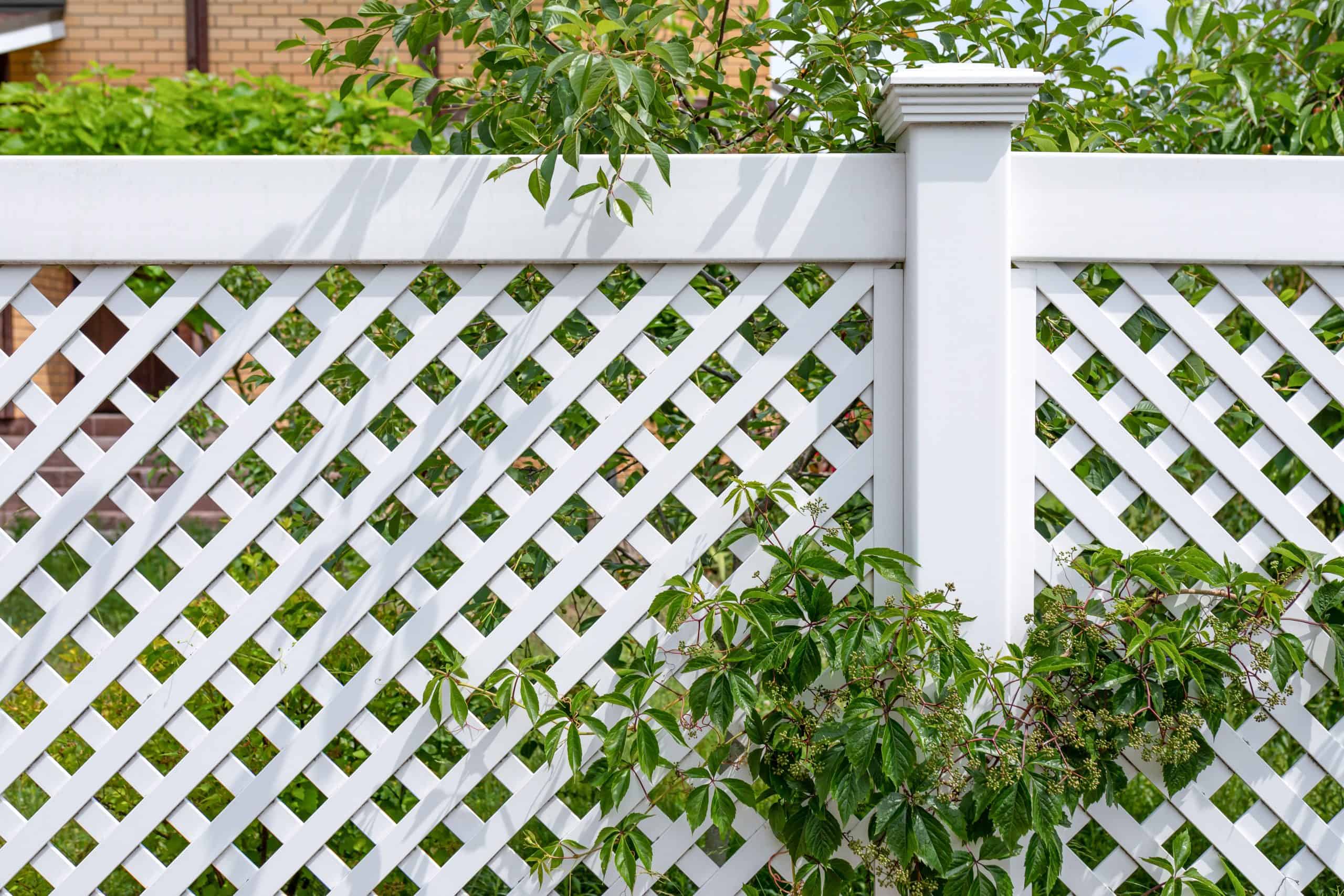
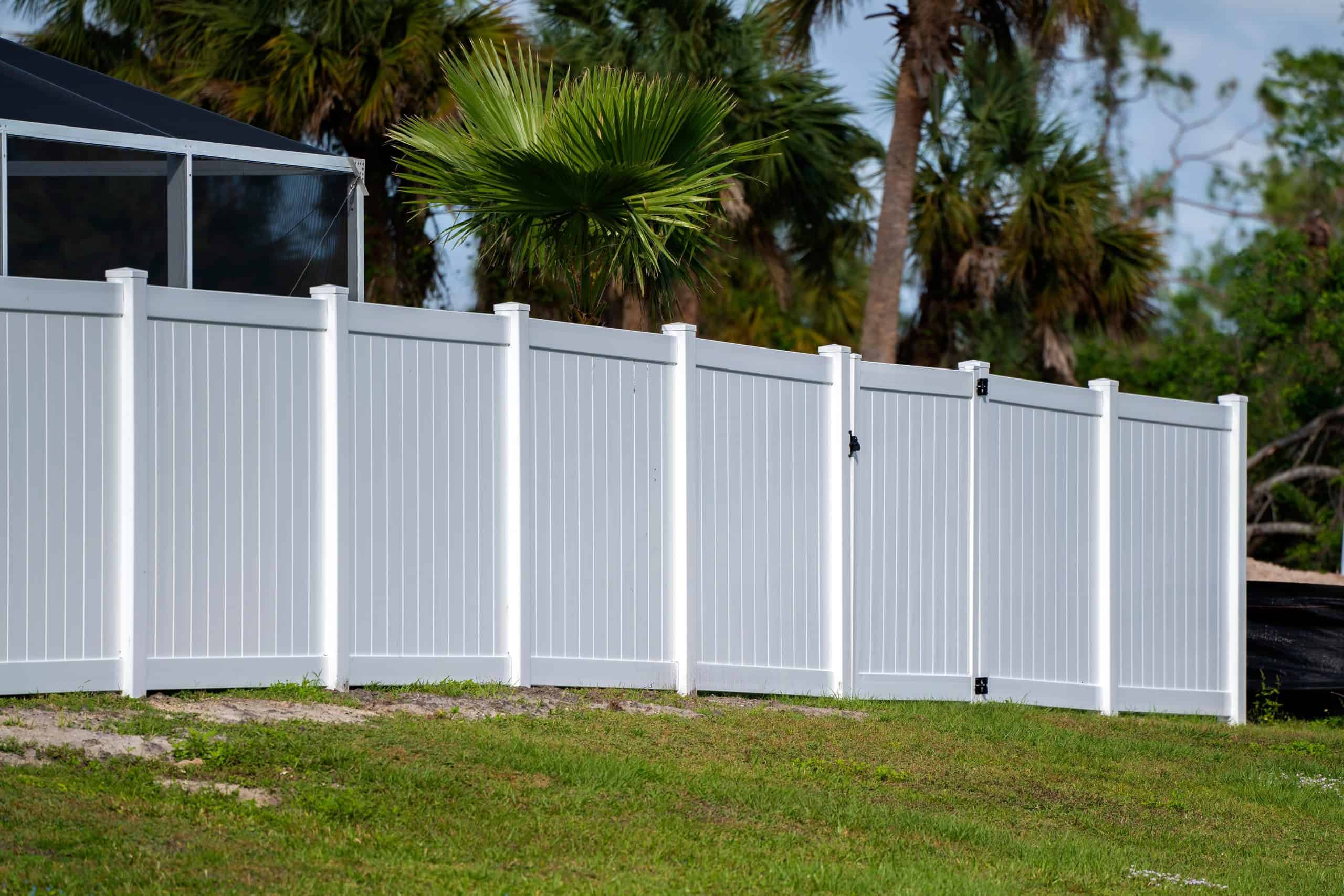
You get a fence that doesn’t demand your weekends. No scraping, no staining, no resealing every couple of years because the Florida sun decided to cook your wood fence into submission.
Vinyl holds up. It flexes during storms instead of snapping. It doesn’t fade to gray after one summer. And when your neighbor’s wooden fence starts warping from the humidity, yours still looks the same as the day it went in.
That’s the difference. You’re not just buying a fence—you’re buying back your time. The kind of time you’d rather spend doing anything other than maintaining a perimeter around your property. Vinyl fence installation in Ferndale, FL means you install it once, rinse it off when it gets dusty, and move on with your life.
If you’ve got kids or dogs, you know privacy matters. Vinyl privacy fences don’t shrink or gap out like wood does. They stay flush. No sightlines into your yard, no gaps for a curious dog to squeeze through. Just a solid barrier that does its job without falling apart.
We work across Central Florida, including right here in Ferndale and throughout Lake County. We’re not a national franchise with a call center. We’re a local fence contractor who knows what Florida weather does to fencing—and how to build around it.
We use co-extruded virgin vinyl, not the thin-profile stuff you’ll find at big box stores. Our posts go nine feet deep with concrete, and our sections are built to handle wind loads well beyond what most installers bother with. That’s not marketing talk—that’s how we avoid callbacks.
You’ll work with people who’ve done this before, in this climate, in this area. We don’t oversell. We don’t hide costs. You get a clear price, a realistic timeline, and a fence that holds up.

First, we come out and look at your property. We’re checking for underground utilities, measuring for gates, noting any grade changes or obstacles. This isn’t a quote over the phone—it’s an actual assessment so nothing gets missed later.
Once you approve the plan and pricing, we schedule the install. Our crew shows up on time, marks everything out, and starts setting posts. Each post gets concreted in at nine feet for stability. Then we attach the vinyl fence panels, check the level, and make sure gates swing clean and latch properly.
The install itself is usually fast—most residential vinyl fence installations in Ferndale, FL wrap up in a day or two depending on size. We clean up after ourselves, walk you through the finished fence, and answer any questions. Then you’ve got a fence that’s ready to go, no curing time, no waiting to use it.
If something needs adjusting, we handle it before we leave. You shouldn’t have to call us back because a gate doesn’t close right or a panel isn’t seated. That’s our job to catch.

Ready to get started?
You’re getting premium vinyl materials with a lifetime warranty against cracking, fading, and warping. That’s not our warranty—that’s the manufacturer’s, and it’s transferable if you sell your home. The vinyl itself is built with UV inhibitors and impact modifiers, so it doesn’t yellow or get brittle under Florida’s sun.
Installation includes concrete footings for every post, routed construction for strength, and stainless steel hardware that won’t rust out. If you’re adding gates, those get heavy-duty hinges and self-closing latches. Everything’s built to handle Central Florida’s wind and weather, not just look good at installation.
In Ferndale, most homeowners go with privacy fences—six feet tall, no gaps, clean white or tan finish. It’s what works for the area. Lots of properties here back up to water or open space, so privacy and security matter. Vinyl handles both without the rot issues you’d get from wood near Lake Apopka’s humidity.
We also pull permits if your project needs them. Some areas in Lake County require it, some don’t. We know which is which, and we handle the paperwork so you don’t have to guess.

Most residential vinyl fence installations in Ferndale run between $17 and $24 per linear foot, depending on height, style, and site conditions. A typical privacy fence for a quarter-acre lot usually lands somewhere between $3,600 and $5,200 total.
That includes materials, labor, concrete footings, and gates if you need them. If your property has tough access, significant grade changes, or requires extra posts for wind load, that can push costs up. But you’ll know that before we start—not after.
Vinyl costs more upfront than wood or chain link. But wood needs restaining every few years, and chain link doesn’t give you privacy. Vinyl gives you both durability and low maintenance, which is why most homeowners in Central Florida choose it for long-term value.
A properly installed vinyl fence in Florida lasts 20 to 30 years, sometimes longer. The material doesn’t rot, warp, or attract pests like wood does. It’s built to handle UV exposure, high humidity, and storm conditions without breaking down.
The key is installation quality. If posts aren’t set deep enough or concrete footings aren’t done right, even the best vinyl won’t hold up in a windstorm. That’s why we set posts at nine feet with concrete and use routed construction instead of screwed-on panels.
Vinyl’s flexibility actually helps it survive hurricanes. It bends under pressure instead of snapping like wood or buckling like aluminum. After a storm, vinyl fences usually need minor repairs at most—wood fences often need full sections replaced.
Almost none. You’ll want to rinse it off with a hose once or twice a year to clear pollen, dirt, or mildew. That’s it. No painting, no staining, no sealing, no sanding.
If you get mildew in shaded areas near Lake Apopka, a quick spray with a vinyl cleaner or a mix of water and vinegar takes care of it. But that’s rare, and it’s a five-minute job, not a weekend project.
The lack of maintenance is the main reason people switch from wood to vinyl. Wood fences in Florida need attention constantly—staining every two years, replacing boards that rot, dealing with termites. Vinyl skips all of that. You install it, and then you’re done.
Yes, if they’re installed correctly. Vinyl fencing is rated for wind speeds up to 130 mph when installed to manufacturer specs. That covers most hurricane conditions Central Florida sees.
The flexibility of vinyl is what makes it work. Wood fences are rigid—they either stand or they break. Vinyl flexes under wind pressure and then returns to shape. That’s why you’ll see vinyl fences still standing after storms that took out wooden ones.
Our installation process accounts for wind load. We use nine-foot posts with concrete footings, and we space posts closer together in open areas where wind hits hardest. If you’re in a high-exposure area near the lake, we’ll recommend reinforced corner posts and additional bracing. It’s not about upselling—it’s about making sure your fence stays up.
Thickness and construction quality. Big box vinyl is usually thin-profile PVC with hollow panels and minimal reinforcement. It’s lighter, cheaper, and not built for Florida’s climate. You’ll see it start sagging or cracking within a few years.
Professional-grade vinyl uses co-extruded materials with a thicker outer layer that resists UV damage and impact. The panels are routed into the posts instead of screwed on, which makes the whole fence stronger. Posts are thicker, rails are reinforced, and the hardware is stainless steel instead of cheap zinc-coated screws that rust out.
The warranty tells you everything. Box store vinyl usually has a limited warranty with a lot of exclusions. Professional vinyl comes with a lifetime manufacturer’s warranty that covers fading, cracking, and warping. That’s because the manufacturer knows it’ll hold up—they’re not worried about claims.
It depends on your property and fence height. Lake County has specific rules about fence placement, height limits, and setbacks from property lines. Most residential fences under six feet don’t require a permit, but corner lots and properties near roads sometimes do.
If you’re in an HOA, you’ll need approval before any fence goes in. Most HOAs in the Ferndale area allow vinyl fencing, but they’ll have rules about color, height, and style. We’ve worked with most of the local HOAs, so we know what flies and what doesn’t.
We handle permit applications if your project needs one. It’s part of the service. You shouldn’t have to figure out county codes or stand in line at the permitting office—that’s on us. We pull the permit, schedule inspections if required, and make sure everything’s up to code before we finish.
Other Services we provide in Ferndale