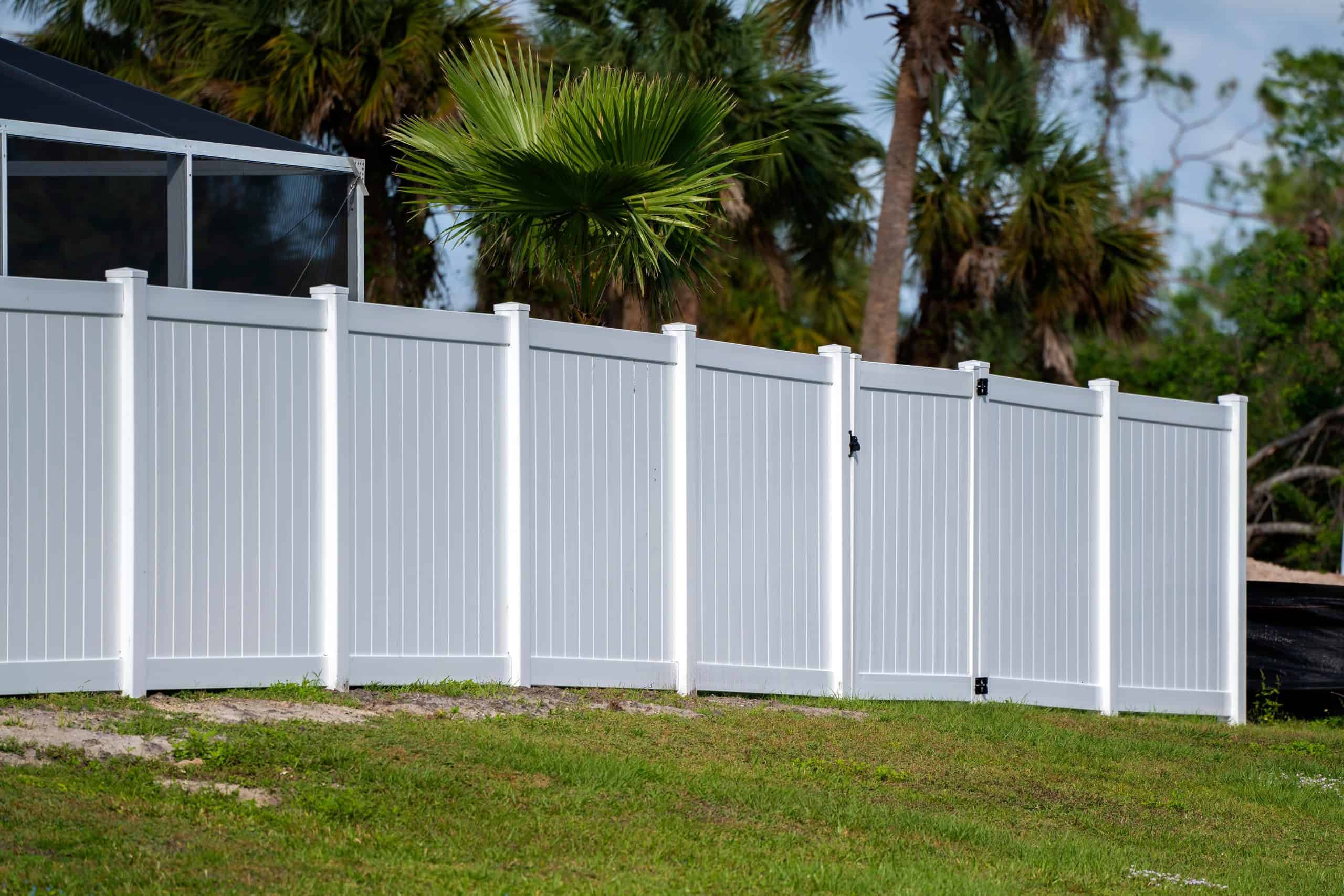
Your fence shouldn’t be another item on your maintenance list. When you choose vinyl fence installation in Palomar, FL, you’re choosing a material that bends during hurricanes instead of snapping, never needs paint or stain, and looks the same in year fifteen as it did on installation day.
Central Florida throws everything at your property. Humidity that warps wood within months. UV rays that fade and crack inferior materials. Hurricane seasons that turn poorly installed fences into projectiles. Vinyl fencing handles all of it because the material itself is engineered for exactly these conditions.
You get privacy that doesn’t deteriorate. Security that doesn’t require annual touch-ups. A property line that increases your home’s value instead of becoming an eyesore three years in. That’s the difference between choosing the right material and choosing what’s cheapest upfront.
The ROI shows up in what you don’t have to do. No scraping. No sealing. No replacing rotted boards. Just an occasional rinse when you feel like it. Your time stays yours, and your property looks maintained without the effort.
We serve Palomar, FL and the broader Central Florida region with one focus: installations that last. We’re not the company that cuts corners on foundation work or uses subpar materials to win on price. We’re the team that shows up when your neighbor’s fence is in pieces after a storm and yours is still standing.
Our crews understand Orange County’s soil conditions, permit requirements, and the specific installation techniques that make vinyl fences hurricane-resistant. That knowledge matters when wind speeds hit triple digits. We’ve worked across Lake, Orange, Seminole, Brevard, Volusia, Osceola, Polk, Sumter, and Marion counties long enough to know what fails and what doesn’t.
You’ll work with installers who’ve done this hundreds of times, not a rotating crew learning on your property. We use quality vinyl materials, install to code, and handle permits so you don’t have to navigate county offices. Transparent pricing means you know the full cost before we break ground—no surprise fees when the job’s half done.

We start with a free consultation at your property. You show us where you want the fence, we discuss design options, and we measure everything. You’ll get a detailed estimate that breaks down materials, labor, and timeline—no vague “we’ll figure it out later” pricing.
Once you approve, we handle the permit process with Orange County. This isn’t optional in Palomar, FL, and doing it right prevents headaches when you sell your home or if a neighbor complains. We know what the county requires and how to get approvals without delays.
Installation day, our crew arrives with everything needed. We mark utility lines, set posts in concrete appropriate for Florida’s sandy soil, and install vinyl fence panels using techniques that account for ground movement and wind load. For residential vinyl fence installation in Palomar, FL, proper post depth and concrete work aren’t negotiable—they’re what keeps your fence upright during hurricanes.
The job typically takes one to three days depending on length and design complexity. We clean up completely, walk you through maintenance (which is minimal), and make sure you’re satisfied before we leave. You get a fence that’s installed correctly the first time, which matters more than most people realize until they’re dealing with a poorly installed one.

Ready to get started?
Every vinyl fence installation in Palomar, FL includes site assessment, accurate measurements, and design consultation. You’ll see samples of different styles—privacy panels, picket designs, semi-privacy options—and we’ll discuss what works best for your property and budget. We’re not pushing the most expensive option; we’re helping you choose what actually fits your needs.
Materials include commercial-grade vinyl posts, panels, caps, and all necessary hardware. We use concrete specifically rated for Florida’s soil conditions and climate. Posts go deep enough to meet wind load requirements for Orange County, which is critical in an area that sees regular tropical weather. You’re not getting the minimum—you’re getting what actually performs when tested.
Installation covers everything from permit acquisition to final cleanup. We coordinate with utility companies to mark lines, ensure proper spacing from property boundaries, and install gates if your design includes them. The fence gets built level and plumb even if your yard isn’t, because professional installation means adjusting for real-world conditions.
You also get transparency about what vinyl fencing can and can’t do. It’s incredibly durable and low-maintenance, but it’s not indestructible. We’ll tell you realistic expectations for lifespan, what kind of impacts it can handle, and how to address the rare issue if one comes up. That honesty upfront prevents disappointment later.

Vinyl fence installation in Palomar, FL typically runs between $15 and $40 per linear foot, depending on height, style, and site conditions. A standard privacy fence for an average residential lot usually falls in the $3,000 to $8,000 range. That’s higher than wood upfront, but the math changes when you factor in maintenance costs over time.
Wood fences need staining or painting every two to three years. That’s $500 to $1,500 per treatment when you hire it out, or your entire weekend if you do it yourself. Over twenty years, you’re looking at $5,000 to $15,000 in maintenance alone. Vinyl needs none of that. You rinse it occasionally with a hose. That’s it.
The cost also varies based on your property. If we’re working with significant elevation changes, rocky soil, or tight access, that affects labor. We’ll give you an exact price after seeing your property—not a range that changes once we start working. What you approve is what you pay.
Vinyl fencing performs well in hurricanes when installed correctly. The material has five times the tensile strength of wood and four times the flexibility, which means it bends under extreme wind pressure instead of snapping. We’ve seen vinyl fences still standing after storms that destroyed wood and even some metal fences in the area.
The installation matters as much as the material. Posts need to be set deep enough—typically 24 to 36 inches in Central Florida—and secured with proper concrete. The panels need to be attached in a way that allows some movement without separating from posts. Cheap installations skip these steps to save time and money. Those are the fences you see in pieces after a storm.
Orange County has specific wind load requirements for fencing, and we build to those standards. That doesn’t guarantee zero damage in a Category 4 hurricane, but it dramatically improves your odds. Vinyl’s flexibility is its advantage here—rigid materials crack under stress, but vinyl gives and recovers. It’s one of the smartest choices for Florida’s climate.
Quality vinyl fencing lasts 20 to 30 years in Florida with minimal maintenance. The material doesn’t rot, warp, or attract pests like wood does. It won’t rust like chain link or corrode like untreated metal. UV inhibitors in good vinyl prevent the fading and brittleness that cheaper versions develop after a few years in Florida’s intense sun.
The longevity depends on the quality of materials and installation. Thin, economy-grade vinyl will crack and discolor faster than commercial-grade products. Posts that aren’t set properly will lean or fail regardless of how good the panels are. We use thicker-gauge vinyl with proper UV protection and install it correctly, which is why our fences are still performing well past the ten-year mark.
You’ll see some minor fading over decades—that’s unavoidable with any outdoor material in Florida. But we’re talking about subtle color shifts, not structural failure or the kind of deterioration that requires replacement. The fence remains functional and attractive for decades, which is exactly what you’re paying for.
Vinyl fencing requires almost no maintenance. You’ll want to rinse it with a garden hose once or twice a year to remove dirt, pollen, and any mildew that might develop in shaded areas. That’s about fifteen minutes of work. For stubborn spots, a soft brush and soapy water handle it. No special cleaners needed, no protective equipment, no waiting for products to dry.
You never paint, stain, or seal vinyl. You never replace rotted boards or treat for termites. You don’t tighten or replace rusted hardware. The material is what it is—solid throughout, not a coating over wood or metal that can fail. When you clean it, you’re just removing surface dirt, not maintaining a protective finish.
The only real maintenance is checking gates periodically to ensure hinges and latches are working smoothly. Even that’s minimal—maybe a drop of lubricant once a year if you notice any stiffness. Compared to wood fencing that demands weekend projects every year, vinyl is the closest thing to “install and forget” that exists in fencing.
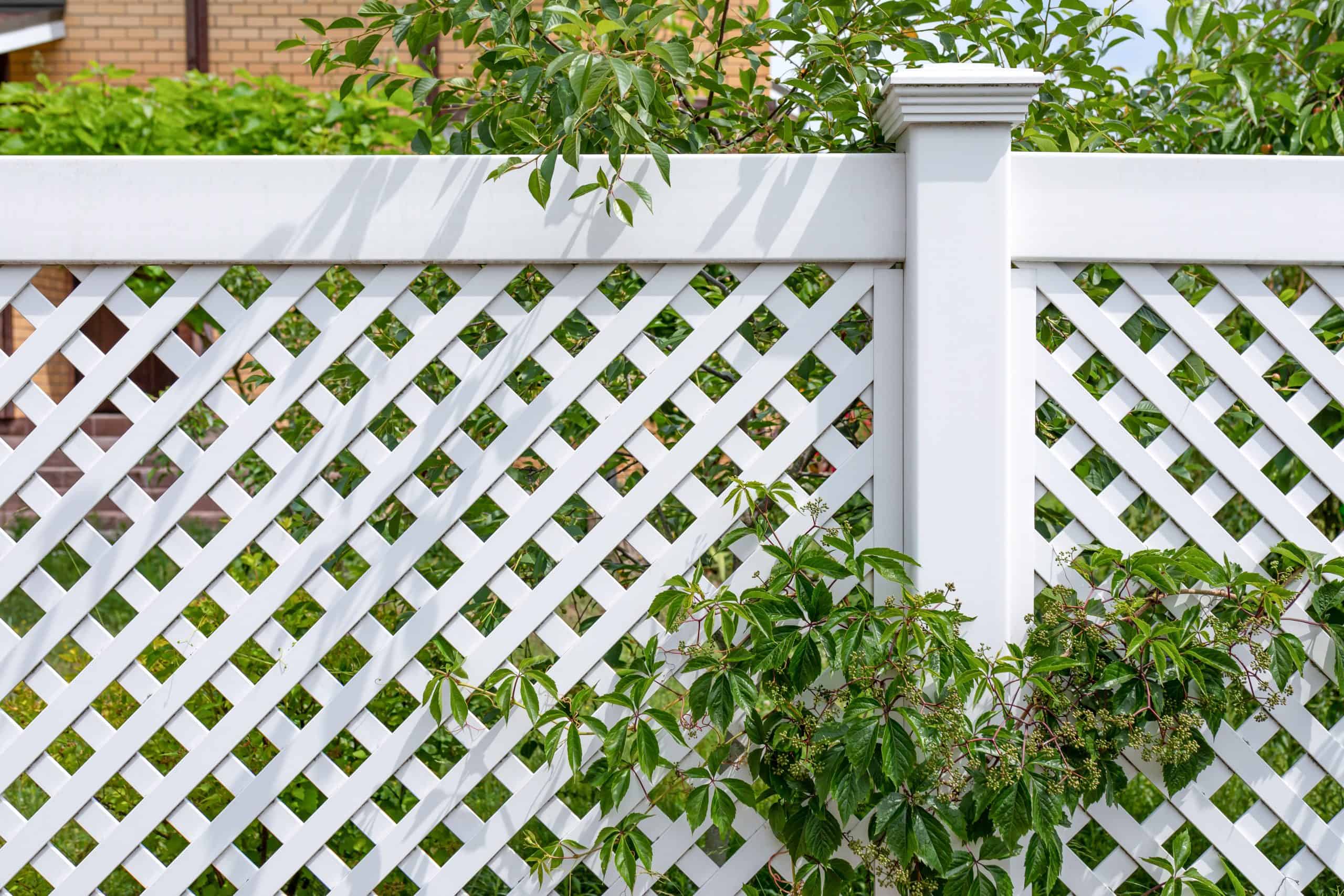
Yes, vinyl fencing comes in multiple styles and colors, though the range is more limited than wood. You can choose privacy fences with solid panels, picket styles with spacing between boards, semi-privacy designs that balance visibility and screening, or decorative options with lattice tops. Heights typically range from three feet for decorative borders up to eight feet for full privacy.
Color options have expanded significantly. White and tan remain the most popular and widely available. You’ll also find gray, brown, and even woodgrain textures that mimic natural wood without the maintenance. Darker colors are trending in 2025, with more homeowners choosing rich browns and grays that complement modern home exteriors.
Keep in mind that darker colors absorb more heat, which can make the fence hotter to touch in summer but doesn’t affect structural performance. We’ll show you samples during consultation so you can see actual colors and textures, not just photos. What you choose depends on your home’s style, your privacy needs, and your budget—some designs cost more than others due to material and labor differences.
Yes, you need a permit for fence installation in Palomar, FL, which falls under Orange County jurisdiction. The county requires permits to ensure fences meet setback requirements, height restrictions, and wind load standards. Skipping the permit process can result in fines and potentially having to remove the fence, which is an expensive mistake.
We handle the permit process as part of our service. That includes submitting site plans, ensuring your fence design meets county code, and coordinating any required inspections. Orange County is particular about setbacks from property lines, easements, and sight triangles at intersections. We know these requirements and design your fence to comply from the start.
The permit process typically adds one to two weeks to the timeline before installation begins, but it protects you long-term. When you sell your property, unpermitted work can complicate closing or reduce your home’s value. When a neighbor complains, permitted work is defensible. It’s not optional red tape—it’s documentation that your fence was installed legally and correctly.
Other Services we provide in Palomar