Your weekends stay yours. No scraping, painting, or staining every few years like you’d deal with wood. Vinyl fences in Pershing, FL handle the humidity, the UV rays, and the summer storms without warping or fading.
You’re looking at 20 to 30 years of use. That’s not marketing talk—that’s what happens when the material doesn’t absorb water, doesn’t attract termites, and doesn’t break down under Florida sun. A quick rinse with the hose once or twice a year keeps it looking clean.
The upfront cost runs higher than wood, usually between $20 and $35 per linear foot depending on style and height. But you’re not paying for repairs, replacements, or treatments down the line. That’s where vinyl pays you back—in time you don’t spend fixing it and money you don’t spend maintaining it.
We’ve been working across Central Florida since before vinyl became the go-to for homeowners who wanted to stop babysitting their fence. We’ve installed residential vinyl fence systems in Pershing, FL and surrounding areas long enough to know what holds up and what doesn’t.
We’re not the cheapest option. We use top-grade PVC and vinyl fence panels, and our installers take the time to set posts deep enough to handle Florida wind loads—often 42 inches or more depending on your soil. That’s what keeps your fence standing when storms roll through.
You’ll get a free estimate with transparent pricing. No surprises, no upsells once we’re halfway done. We handle permits, we know the local codes, and we show up when we say we will.

We start with a site visit. You show us the property line, tell us what you’re trying to accomplish—privacy, security, curb appeal, keeping the dog in—and we measure everything. We’ll talk about height restrictions, HOA rules if they apply, and what style makes sense for your yard.
Once you approve the estimate, we pull the permits. That’s on us. Then we schedule the install around your availability, not just ours.
On install day, we mark the post locations, dig to proper depth based on your soil type, and set each post in concrete. Pershing sits on a mix of sandy and clay soils, so we adjust our approach depending on what we’re working with. Posts need to be plumb and secure before we attach any panels.
After the posts cure, we install the vinyl fence panels, check the gates for smooth operation, and clean up the site. You’re left with a fence that’s level, solid, and ready to handle whatever Florida throws at it. The whole process typically takes one to three days depending on the size of your property.

Ready to get started?
Vinyl fence installation cost in Pershing, FL depends on a few factors: linear footage, fence height, style (privacy, picket, semi-privacy), gate quantity, and ground conditions. Most residential jobs fall between $20 and $35 per foot installed.
You’re paying for materials that won’t rot in Florida’s wet season or crack under the summer sun. The vinyl we use is UV-stabilized and engineered for flexibility, which is critical when wind gusts hit 70+ mph during storms. Rigid materials snap. Vinyl bends and bounces back.
You’re also paying for installation that meets Florida building codes. That means proper post depth, concrete footings, and secure panel connections. Shortcuts here lead to leaning sections, loose posts, and gates that won’t latch after the first heavy rain. We don’t cut corners because we know you’re not looking to redo this in five years.
Pershing homeowners tend to prioritize long-term value over the lowest bid, especially given the age of homes in the area. Most properties here were built between 1970 and 1999, and owners are looking for upgrades that last without adding to their maintenance load. Vinyl delivers that.

You’re looking at 20 to 30 years with proper installation. Vinyl doesn’t absorb moisture, so Florida’s humidity and heavy rains don’t cause the rot or warping you’d see with wood. It also doesn’t expand and contract as much as other materials when temperatures swing.
The UV stabilizers in quality vinyl prevent the sun from breaking down the material and making it brittle. Cheaper vinyl can crack after a few years of direct sun exposure, which is why the grade of material matters. We use top-grade PVC that’s built for Florida’s intense UV index.
Wind resistance is another factor. Vinyl’s flexibility allows it to handle strong gusts without snapping. During hurricane season, a properly installed vinyl fence in Pershing, FL can withstand wind loads of 115 mph or more, depending on style and height. Posts set deep in concrete and panels secured correctly make all the difference in how your fence performs when storms hit.
Almost none. You’ll want to rinse it with a garden hose once or twice a year to remove pollen, dirt, and any mildew that builds up in shaded areas. That’s it. No painting, no staining, no sealing.
If you get scuff marks from lawn equipment or stubborn stains, a soft brush and soapy water usually handle it. Avoid pressure washers on high settings—they can damage the surface or force water behind the panels. A gentle spray is all you need.
The hinges and latches on gates might need a drop of lubricant every year or so to keep them moving smoothly, especially if you’re near the coast where salt air can cause minor corrosion on metal hardware. But compared to wood fences that need restaining every two to three years, or metal fences that rust and need repainting, vinyl is as low-maintenance as fencing gets. You’re not spending your weekends on upkeep.
Yes, if it’s installed correctly. Vinyl’s flexibility is actually an advantage in high winds. Where rigid materials crack or break, vinyl bends and returns to shape once the wind dies down. That said, installation quality determines whether your fence survives or ends up in pieces across the yard.
Posts need to be set at least 42 inches deep in Pershing, FL, sometimes deeper depending on soil conditions and fence height. Concrete footings anchor the posts so they don’t shift or pull out when wind loads hit. Panel connections need to be secure but not overly tight—you want some give in the system.
Hurricane-force winds above 100 mph can damage any fence, but a well-installed vinyl fence has a much better chance of staying intact than wood or poorly anchored chain link. We’ve seen vinyl fences come through storms with minimal damage while neighboring wood fences needed full replacement. The key is proper post depth, quality materials, and installers who understand Florida wind codes.
Vinyl costs more upfront. You’re typically paying $20 to $35 per linear foot installed, while wood might run $10 to $20 per foot depending on the type. But wood requires maintenance that adds up fast—staining or sealing every two to three years, plus repairs for warped or rotted boards.
Over a 20-year period, vinyl usually costs less when you factor in maintenance and replacement. Wood fences in Florida often need significant repairs or full replacement within 10 to 15 years due to rot, termite damage, or weather wear. Vinyl doesn’t have those issues.
The return on investment also shows up when you sell. Buyers see vinyl fencing as a value-add because they know they won’t be dealing with upkeep. In Pershing, FL, where median home prices sit lower than much of the state, upgrades that reduce long-term costs matter to buyers. You’re not just installing a fence—you’re making your property more attractive to the next owner while eliminating a recurring expense for yourself.
Most likely, yes. Permit requirements in Pershing, FL depend on fence height, location, and whether you’re near a corner lot or have HOA restrictions. Fences over a certain height—usually six feet—almost always require a permit, and some municipalities require permits for any fence regardless of height.
We handle the permit process as part of our service. That includes submitting site plans, ensuring the fence meets setback requirements from property lines, and confirming it complies with local building codes. Skipping permits can lead to fines and forced removal of the fence, which is why we don’t cut corners here.
If you have an HOA, they’ll likely have their own approval process on top of county or city permits. Some HOAs restrict colors, styles, or heights. We’ve worked with enough HOAs in Central Florida to know what typically gets approved and what doesn’t. Getting this right upfront saves you from having to redo work or pay penalties later.
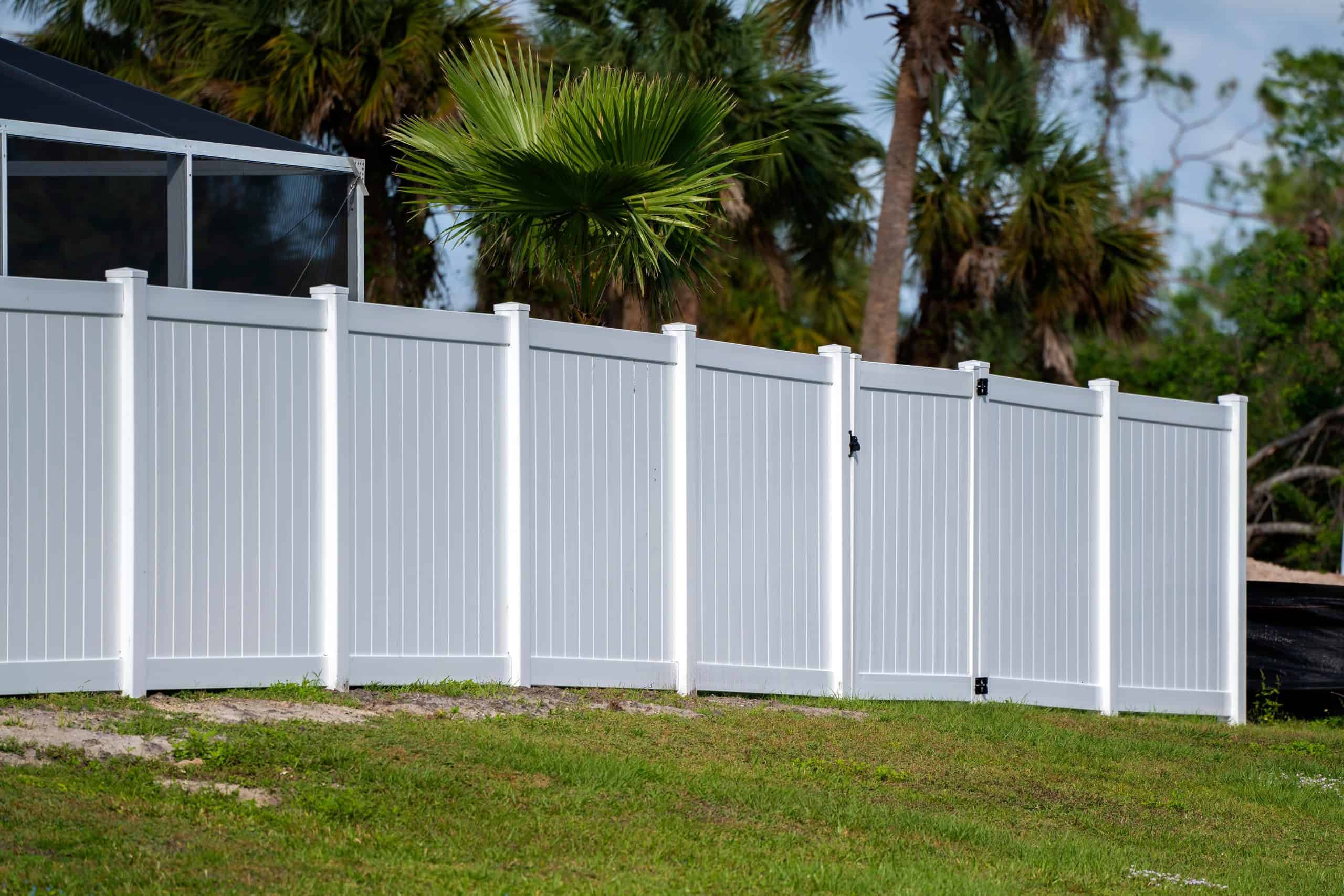
Privacy fences are the most popular in Pershing, FL. They block sightlines, reduce noise, and give you a contained backyard for kids and pets. Most privacy styles stand six feet tall with no gaps between pickets, and they hold up well in wind because the solid panels are engineered to flex under pressure.
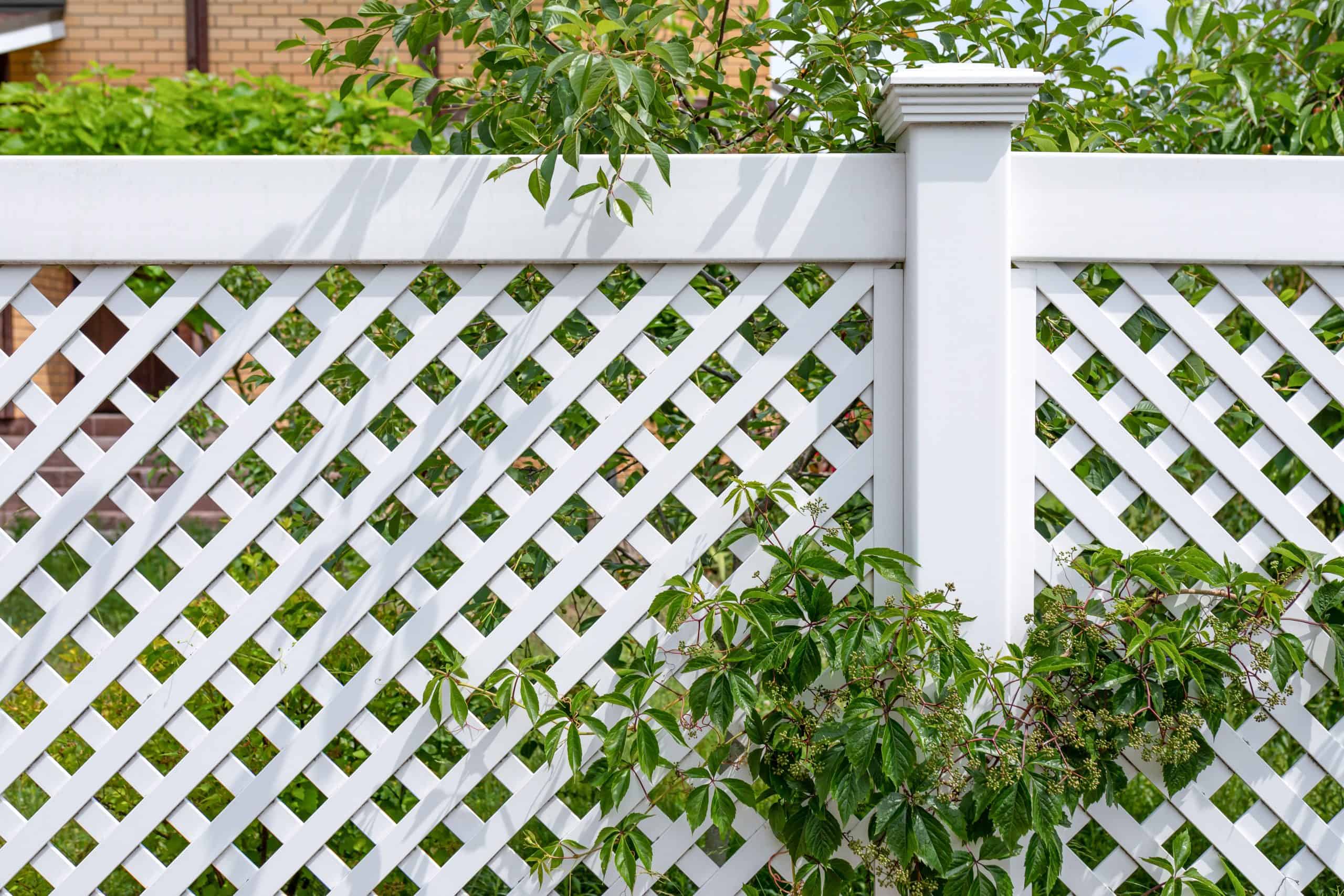
Semi-privacy and picket styles work if you want airflow and a more open look. These have spacing between pickets, which reduces wind resistance and gives you a traditional fence appearance without the maintenance wood requires. They’re common for front yards or properties where full privacy isn’t the goal.
Color options have expanded beyond white. You’ll see tan, gray, and woodgrain finishes that mimic the look of painted or stained wood without the upkeep. Darker colors can fade slightly faster under Florida sun, but quality vinyl with UV inhibitors holds its color for decades. The style you choose depends on what you need the fence to do—privacy, decoration, security, or a mix of all three.
Other Services we provide in Pershing