You’re looking at a fence that won’t rot in Florida’s humidity. Won’t fade under that relentless sun. Won’t need painting, staining, or sealing every few years like wood does.
Vinyl fence installation in Silver Springs, FL means you’re done worrying about termites chewing through your investment. Done with mold creeping up the panels after summer rains. Done with boards warping or splitting when the temperature swings.
What you get instead is a fence that looks the same in year ten as it did on installation day. You rinse it with a hose when it gets dusty. That’s it. No scraping, no repainting, no replacing rotted sections. Just a clean fence line that does its job without demanding your weekends.
The upfront cost runs higher than wood, sure. But when you’re not dropping money on stain every other year or replacing damaged boards, the math shifts in your favor fast.
We work across Central Florida, covering Lake, Orange, Seminole, Brevard, Volusia, Osceola, Polk, Sumter, and Marion counties. We know what Silver Springs, FL weather does to fences because we’ve been installing them here long enough to see what holds up and what doesn’t.
Vinyl works in this climate. We’ve watched wood fences fail after five years while vinyl keeps standing. We use materials built for Florida conditions and install them to handle wind loads that matter during storm season.
You’ll get transparent pricing before we start. No surprise charges. No hidden fees. We show up when we say we will, install it right, and you’re done.

First, we come out to look at your property. We measure the fence line, check for any grade issues or obstacles, and talk through what style and height make sense for what you need. Privacy, security, decorating your yard, keeping the dog in—whatever the goal is, that shapes the recommendation.
Once you approve the quote, we schedule installation. We mark utility lines, set posts in concrete, and make sure everything’s level and properly spaced. In Florida, that means accounting for soil conditions and making sure posts are deep enough to handle wind load.
Panels go up next. Vinyl fences use a rail and picket system or solid panels depending on the style you picked. Everything locks together, and we double-check that gates swing smoothly and latches work right.
You’ll know the timeline before we start. Most residential vinyl fence installations in Silver Springs, FL wrap up in a few days depending on the length of the run and site conditions. When we’re done, you’ve got a finished fence and a yard you can use right away.

Ready to get started?
Vinyl fence installation cost in Silver Springs, FL typically runs between twenty-three and forty dollars per linear foot installed. That covers materials, labor, posts, panels, gates, and hardware. A standard residential project—say 150 linear feet around a backyard—lands somewhere between $3,500 and $6,000 depending on height, style, and site prep.
You’re paying more than you would for wood, but you’re getting a fence engineered to handle UV exposure without fading and humidity without rotting. Vinyl doesn’t absorb moisture, so it won’t swell or warp when Silver Springs gets those afternoon thunderstorms all summer. It won’t attract termites or carpenter ants because there’s nothing for them to eat.
Most vinyl fences here last twenty to thirty years. Wood might give you seven to ten if you stay on top of maintenance. Aluminum fences run in a similar price range to vinyl and also hold up well in Florida, though they don’t offer the same privacy if that’s what you need.
We also handle repairs if you’ve got an existing vinyl fence that took damage or needs a panel replaced. And if you’re looking at other fencing options—wood, chain link, aluminum—we install those too across the same service area.

You’re looking at twenty to thirty years for a properly installed vinyl fence in Silver Springs, FL. That’s assuming it’s quality material and installed to handle wind loads, which matters during hurricane season.
Vinyl doesn’t rot, so Florida’s humidity isn’t a problem. It doesn’t fade much either because good vinyl fencing has UV inhibitors baked into the material. You’ll see some minor discoloration over the decades, but nothing like wood that grays out or paint that peels.
The main thing that shortens lifespan is poor installation. If posts aren’t set deep enough or concrete footings aren’t sized right, you’ll have problems when wind hits. We set posts at least two feet deep, sometimes deeper depending on soil conditions and fence height, and use concrete to lock them in place.
Vinyl fence panels can handle winds up to 100 mph when they’re installed correctly. That covers most tropical storm conditions and even some lower-category hurricane winds. The key is proper installation—deep posts, solid footings, and panels that are secured but have a little flex.
Solid privacy panels catch more wind than picket styles, so if you’re in an area that gets hit hard during storm season, that’s worth considering. Some people go with a semi-privacy design that lets wind pass through a bit more.
If a storm does damage a section, vinyl panels are usually easy to replace without tearing down the whole fence. You swap out the damaged panel and you’re done. We’ve repaired plenty of fences after storms, and vinyl tends to fare better than wood, which can rot quickly once it’s cracked or splintered and exposed to moisture.
Rinse it with a hose a couple times a year. That’s about it.
If you get mildew or algae buildup in shady areas, you can spray it with a mix of water and white vinegar or use a mild detergent and a soft brush. It comes off easy. You’re not scrubbing or power washing or doing anything that takes more than twenty minutes.
You never paint it. Never stain it. Never seal it. There’s no wood to treat for insects or rot. The color goes all the way through the material, so even if you scratch it, you don’t see a different color underneath like you would with painted wood.
Check the gates once in a while to make sure hinges are tight and latches still work smoothly. That’s the only real upkeep. Compared to wood fences that need staining every two to three years and constant checks for rot or insect damage, vinyl’s about as low-maintenance as fencing gets.
You can install it yourself if you’ve got the tools, the time, and some experience setting posts. But most people hire a vinyl fence contractor in Silver Springs, FL because the installation has to be precise for the fence to hold up long-term.
Posts need to be perfectly plumb and spaced exactly right, or panels won’t fit. If your yard has any slope, you’ll need to step the fence or rack the panels, and that takes some know-how. Gates are another spot where DIY installations often run into trouble—getting them to hang straight and swing smoothly takes adjustment.
The bigger issue is wind resistance. Florida building codes and insurance standards care about how fences are installed in storm-prone areas. If posts aren’t deep enough or footings aren’t sized right, your fence might not hold up when it needs to. We know what’s required and install to those standards.
If you’re handy and it’s a small, flat run with no gates, DIY might work. For anything bigger or more complex, hiring someone who does this regularly usually saves you headaches and gets you a fence that lasts.
Aluminum fences in Silver Springs, FL cost about the same as vinyl and hold up just as well in the weather. The difference is mostly about what you need the fence to do.
Aluminum gives you visibility. It’s an open fence—rails and pickets—so you can see through it. That works great for front yards, pool enclosures, or anywhere you want security without blocking sightlines. It’s also strong and won’t rust if it’s powder-coated, which most aluminum fencing is.
Vinyl gives you privacy. Solid vinyl panels block the view completely, so if you want to screen your backyard from neighbors or the street, vinyl’s the better pick. It also dampens noise a bit more than an open fence does.
Both need almost no maintenance. Both last decades in Florida’s humidity and heat. Aluminum might dent if something hits it hard, but it won’t crack. Vinyl might crack under heavy impact, but it won’t dent. Neither one rots, rusts, or needs painting.
If you’re trying to decide, think about whether you want privacy or visibility. That usually settles it.
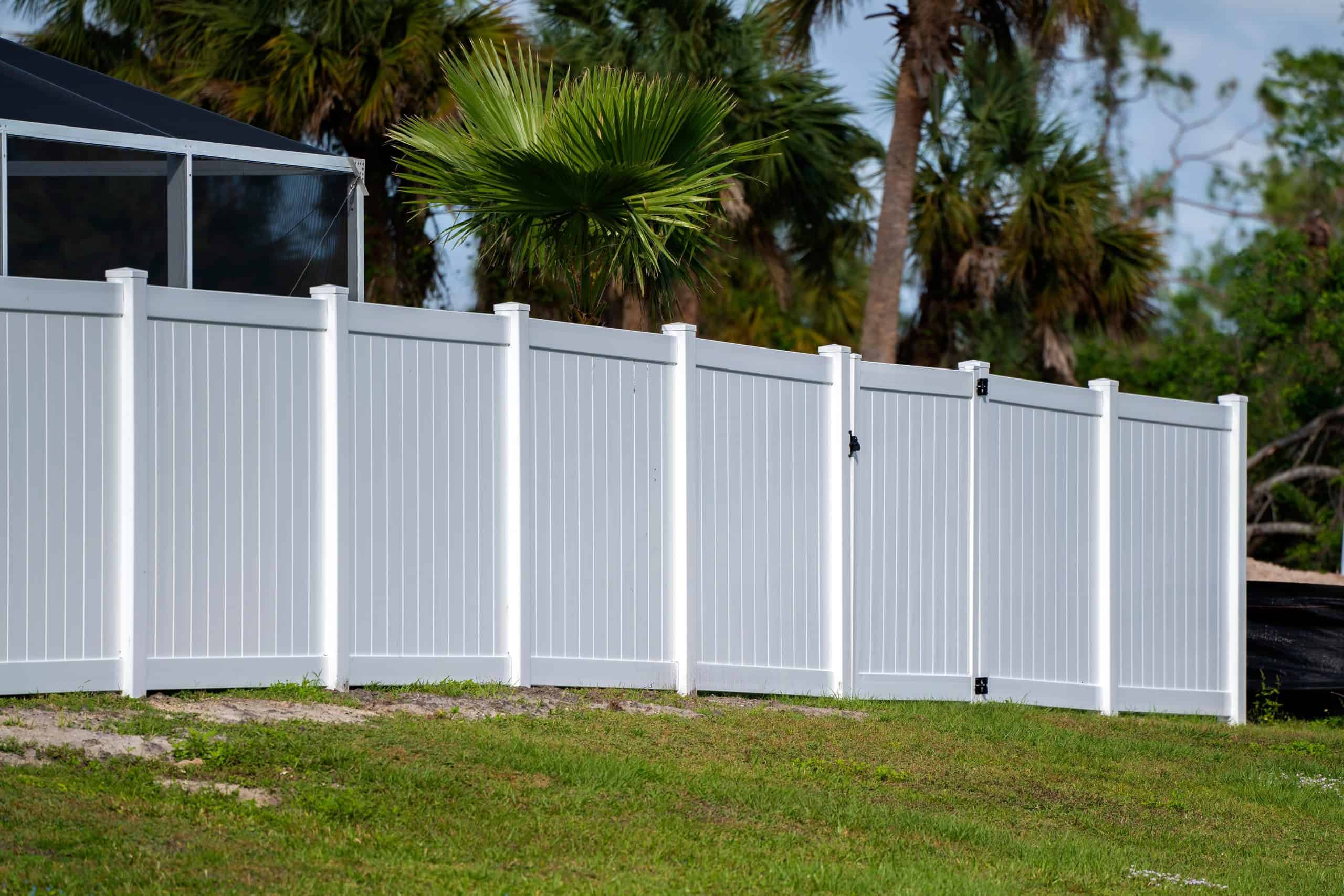
You’ve got privacy, semi-privacy, picket, and rail styles. Privacy fences use solid panels, usually six feet tall, with no gaps between pickets. That’s the most common choice for backyards where you want full screening from neighbors or the street.
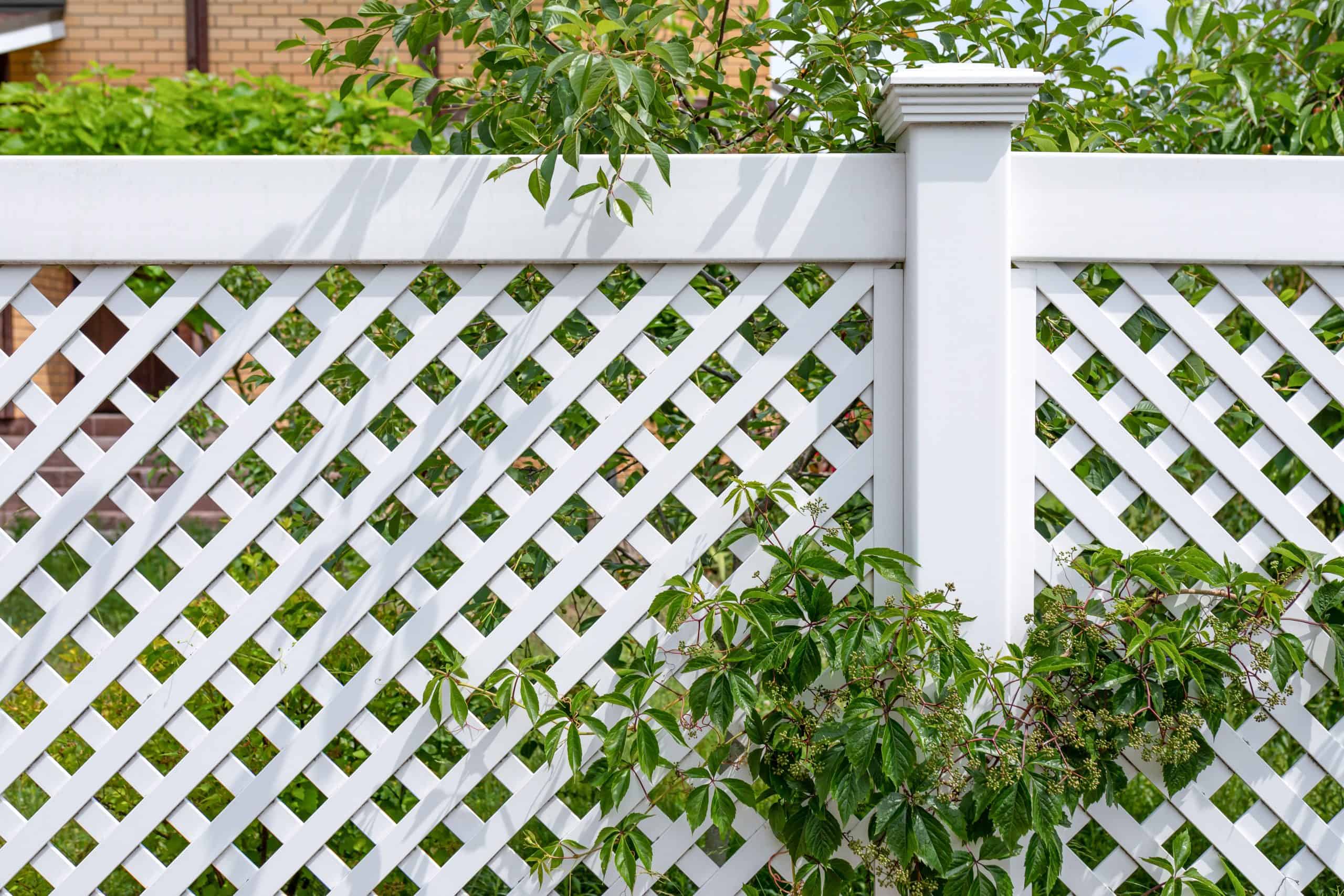
Semi-privacy fences have small gaps between pickets—enough to let some air and light through but still block most of the view. Picket fences are the classic short front-yard style, usually three to four feet tall with spaced pickets. Rail fences are open, more decorative, and work for property lines where you’re marking boundaries but don’t need privacy or security.
Vinyl fences come in white, tan, gray, and a few other colors. The color goes through the whole panel, so it won’t peel or fade much over time. You can also choose different picket tops—flat, pointed, scalloped—depending on the look you want.
Most residential vinyl fence installations in Silver Springs, FL are six-foot privacy fences for backyards. That height gives you full privacy and works well for keeping dogs contained. If you need something taller or a custom configuration, that’s doable too, though cost goes up with height and complexity.