You need a fence that actually does what it’s supposed to do. Keep your kids and dogs safe. Block out noise and eyes from neighbors. Stand up when storms roll through.
Most wood fence installation in Silver Springs fails because the installer didn’t account for what Florida does to untreated lumber. We’re talking 57 inches of rain annually in this area. Ground moisture that sits less than six feet below the surface. Humidity that never quits.
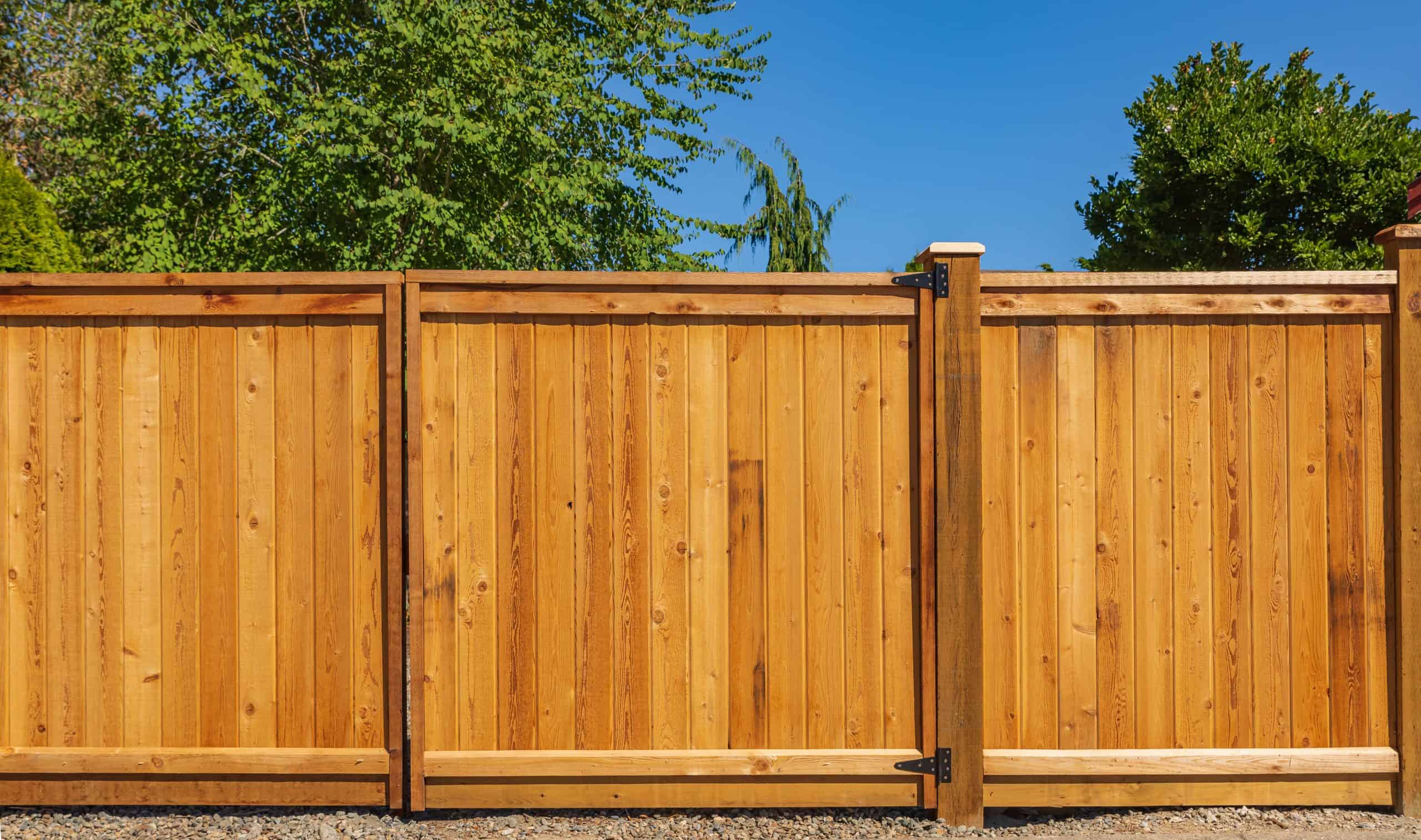
A properly built wood privacy fence in Silver Springs starts with pressure treated lumber that’s been pre-treated for Florida’s conditions. Then it gets additional protection through staining and sealing before installation. Posts get set with proper drainage. Boards get spaced to allow airflow during hurricane season.
That’s the difference between a fence that lasts 20 to 40 years and one that rots at the posts within eight.
We’ve been installing wood fences across Central Florida since 2004, with company roots going back to 1992. We’ve built hundreds of custom residential wood fences in Marion County and surrounding areas.
We’re licensed, bonded, and insured. We were honored in Orlando Magazine’s 2025 Home Design Awards. But what matters more is that we know exactly how to build a pressure treated fence in Silver Springs that survives Florida’s climate.
Your community has a mix of homeowners and renters, families with kids, people who need real privacy and security. We’ve worked with all of them. We understand what you’re dealing with and what you actually need from a fence.

You call us or fill out a form. We schedule a time to come look at your property, take measurements, and talk through what you’re trying to accomplish. No pressure, no games.
We give you a transparent quote with no hidden costs. You’ll know exactly what you’re getting: wood type, fence height, gate options, finish choices. We explain why certain materials work better in Silver Springs and what won’t hold up.
Once you approve, we order materials and schedule installation. Our crew shows up on time, sets posts with proper depth and drainage for Florida soil conditions, and builds your fence to handle 75 mph winds minimum. We clean up completely when we’re done.
You do a final walk-through with us. If something’s not right, we fix it before we leave. That’s how wood fence installation should work.

Ready to get started?
You’re choosing from several wood fence styles: stockade for full privacy, board-on-board for a cleaner look, shadowbox that allows airflow during storms, picket for front yards, or horizontal slat for modern appeal. Each one gets built with pressure treated pine that’s guaranteed against termite damage and rot when maintained properly.
Height options go up to six feet for residential properties in Silver Springs. That’s what Florida building codes allow for 75 mph wind resistance. You pick the stain or finish. You decide on gate placement and hardware.
Every pressure treated fence in Silver Springs that we install uses lumber specifically treated for Florida’s moisture levels. Posts get set deeper than standard to account for sandy soil and high water tables. Boards get proper spacing. Hardware gets rust-resistant coating.
You’re not just getting a fence. You’re getting construction that accounts for the 52 inches of rain the Orlando area gets annually, the irrigation systems running during dry season, and the hurricanes that roll through every few years.
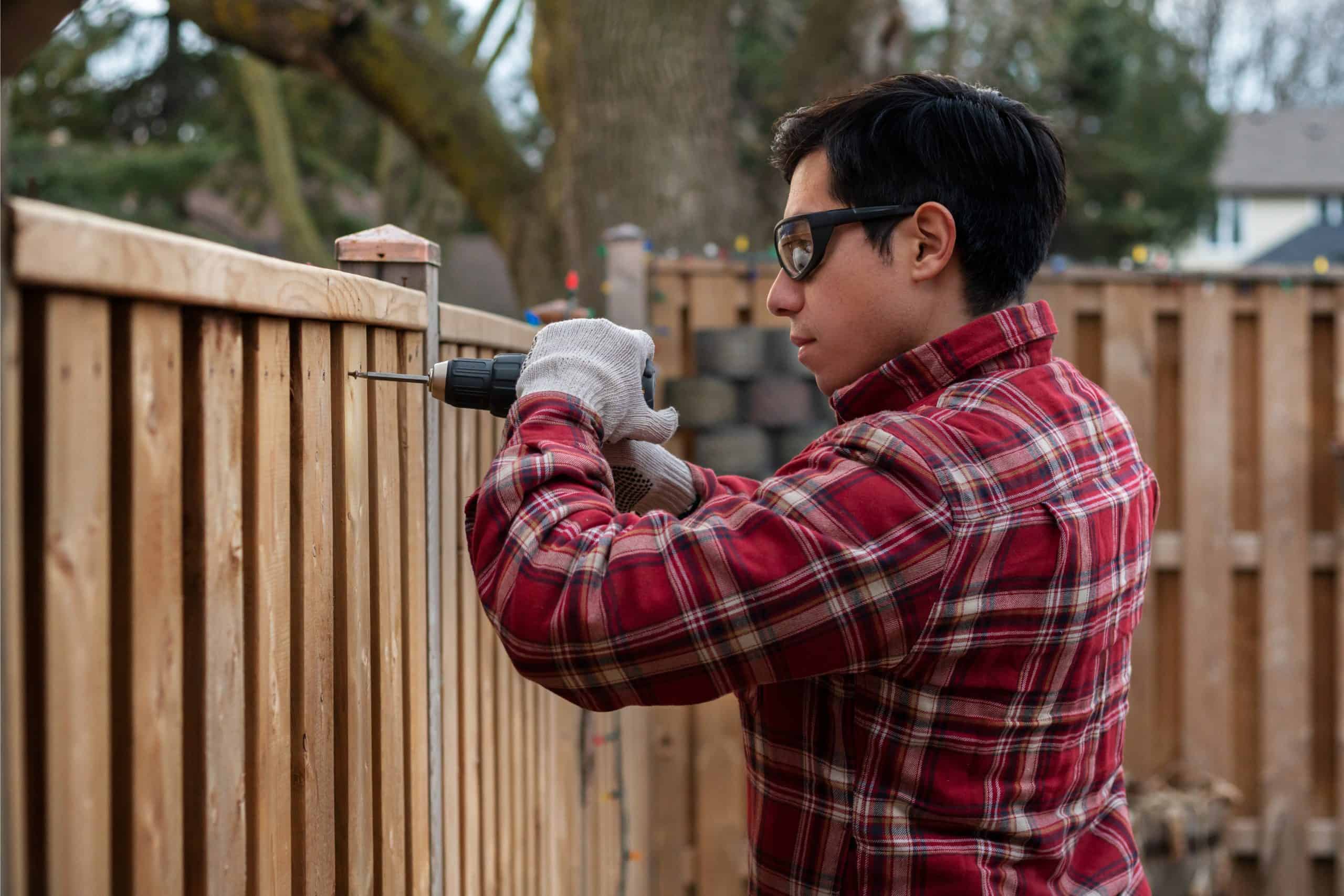
A properly installed and maintained wood privacy fence in Silver Springs lasts 20 to 40 years depending on the wood type and how well you protect it. That’s with Florida’s humidity, rain, and heat factored in.
The key word is “properly.” Most wood fences fail early because the installer used lumber that wasn’t pre-treated for Florida conditions, didn’t seal or stain it before installation, or set posts without adequate drainage. When moisture sits against untreated wood in our climate, you’re looking at rot within eight to eleven years.
Pressure treated pine with additional staining and sealing holds up significantly longer. You’ll need to restain every few years and watch for damage after storms, but the structure itself should stay solid for decades. Cedar lasts even longer naturally but costs more upfront.
The lumber we use comes with a warranty against termite damage and rot. But that warranty only holds if you maintain the finish and don’t let water pool around the posts.
Board-on-board or stockade styles work best for dogs in Silver Springs because they eliminate gaps where a dog can see through, stick their head, or push boards apart. You want solid coverage from ground to top with no weak points.
Height matters too. A six-foot wood privacy fence stops most dogs from jumping over, though some larger breeds can clear that if motivated. The bottom of the fence should sit close to ground level or you’ll need to add a dig guard if your dog’s a digger.
For durability, pressure treated fence material handles the scratching and impact better than untreated wood. Dogs will test your fence, especially in the first few weeks. You need construction that doesn’t fall apart when they lean against it or paw at the boards.
Make sure gates latch securely and swing away from the dog’s side. We’ve seen too many dogs figure out how to nose open a gate that wasn’t installed with the right hardware. It’s a small detail that makes a huge difference in whether your fence actually keeps your dog contained.
Wood fence installation in Silver Springs typically runs between $15 and $45 per linear foot depending on the style, height, wood type, and site conditions. A standard six-foot privacy fence for an average backyard usually falls in the $3,000 to $8,000 range.
Pressure treated pine costs less than cedar or composite materials. Stockade and board-on-board styles cost more than simple picket fences because they use more material and take longer to install. If your property has slopes, rocky soil, or requires removal of an old fence first, that adds to the cost.
We give you an exact quote after looking at your property. We’re not the cheapest option in Marion County, and that’s intentional. You’re paying for lumber that’s properly treated for Florida, installation that meets wind load requirements, and construction that doesn’t fail in five years.
The contractors who quote significantly lower are usually cutting corners somewhere: untreated lumber, inadequate post depth, no proper drainage, unlicensed labor. You’ll pay less upfront and more later when you’re replacing the whole fence.
Wood fences hold up during hurricanes if they’re built correctly for Florida wind loads. That means proper post depth, adequate spacing between boards for airflow, and construction that meets the 75 mph wind resistance requirement for residential areas in Silver Springs.
Shadowbox style fences perform better in high winds than solid board-on-board because air can flow through the gaps instead of pushing against a solid wall. That’s why you see shadowbox more commonly in South Florida where hurricane risk is higher.
Post installation makes the biggest difference. Posts need to go deep enough into the ground with concrete footings that account for sandy soil and high water tables. If posts aren’t set right, the whole fence comes down in sustained winds.
No fence is hurricane-proof. Category 3 and above storms will damage even well-built fences. But proper construction means you’re dealing with a few broken boards instead of complete failure. We build every wood fence in Silver Springs to handle the storms that come through Central Florida, which means you’re getting structure that exceeds minimum code requirements.
You maintain a pressure treated fence in Silver Springs by restaining or resealing it every two to three years, cleaning off mildew and algae when it appears, and checking for damage after major storms. Florida’s climate is hard on wood, so regular maintenance isn’t optional if you want your fence to last.
Pressure treated lumber comes with protection against rot and termites, but that treatment doesn’t protect against UV damage, moisture penetration, or mildew growth. You need to add a stain or sealant that blocks water and sun. Once that finish starts wearing off, moisture gets into the wood and you’re back to rot and warping.
Clean your fence annually with a wood cleaner or mild bleach solution to remove the green algae and black mildew that grows in our humidity. Don’t use a pressure washer on high settings because that damages the wood fibers. Low pressure or a scrub brush works better.
Check posts at ground level every year or two. That’s where rot starts first because moisture sits there constantly. If you catch soft spots early, you can treat them or replace individual posts before the whole fence fails. Walk your fence line after hurricanes or tropical storms to spot broken boards or loose sections before they get worse.
Yes, we install wood fences on Silver Springs properties with irrigation systems, but we need to know where your lines and sprinkler heads are located before we start digging post holes. Hitting an irrigation line during installation creates problems for both your fence and your watering system.
Most irrigation systems in Florida run fairly shallow, usually within the top 12 to 18 inches of soil. Fence posts go deeper than that, typically 24 to 36 inches depending on the fence height and soil conditions. That means we’re digging through the zone where irrigation lines sit.
You’ll need to either mark your irrigation lines yourself, have your irrigation company mark them, or we can work with a locator to map them out before installation. Once we know where lines run, we adjust post placement slightly to avoid them or hand-dig around sensitive areas instead of using an auger.
Irrigation also affects fence longevity because it adds moisture to the soil during dry season. That’s actually good for your lawn but tough on fence posts because it means the wood never fully dries out. We account for that by using properly treated lumber and ensuring posts have adequate drainage so water doesn’t pool around the base.