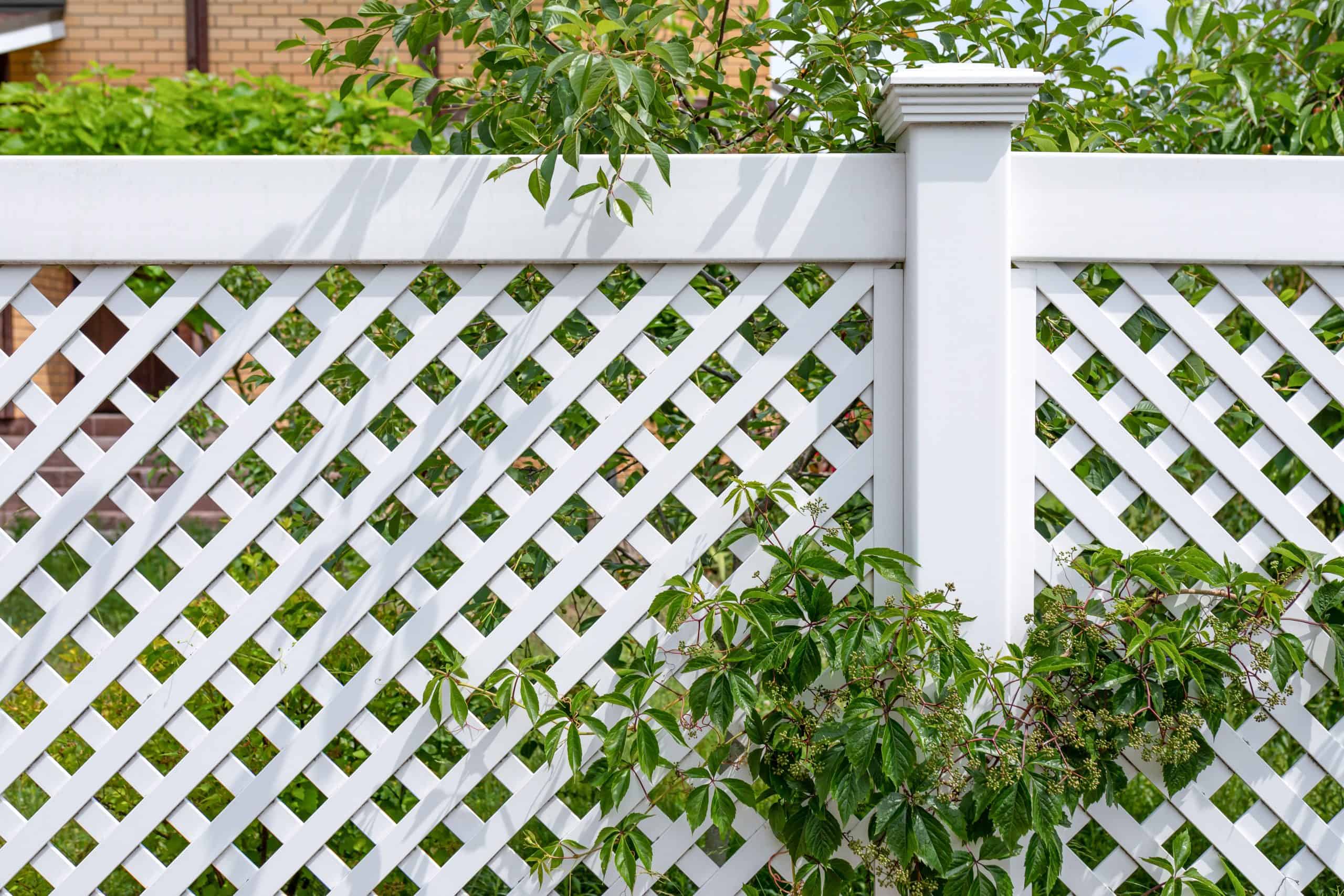
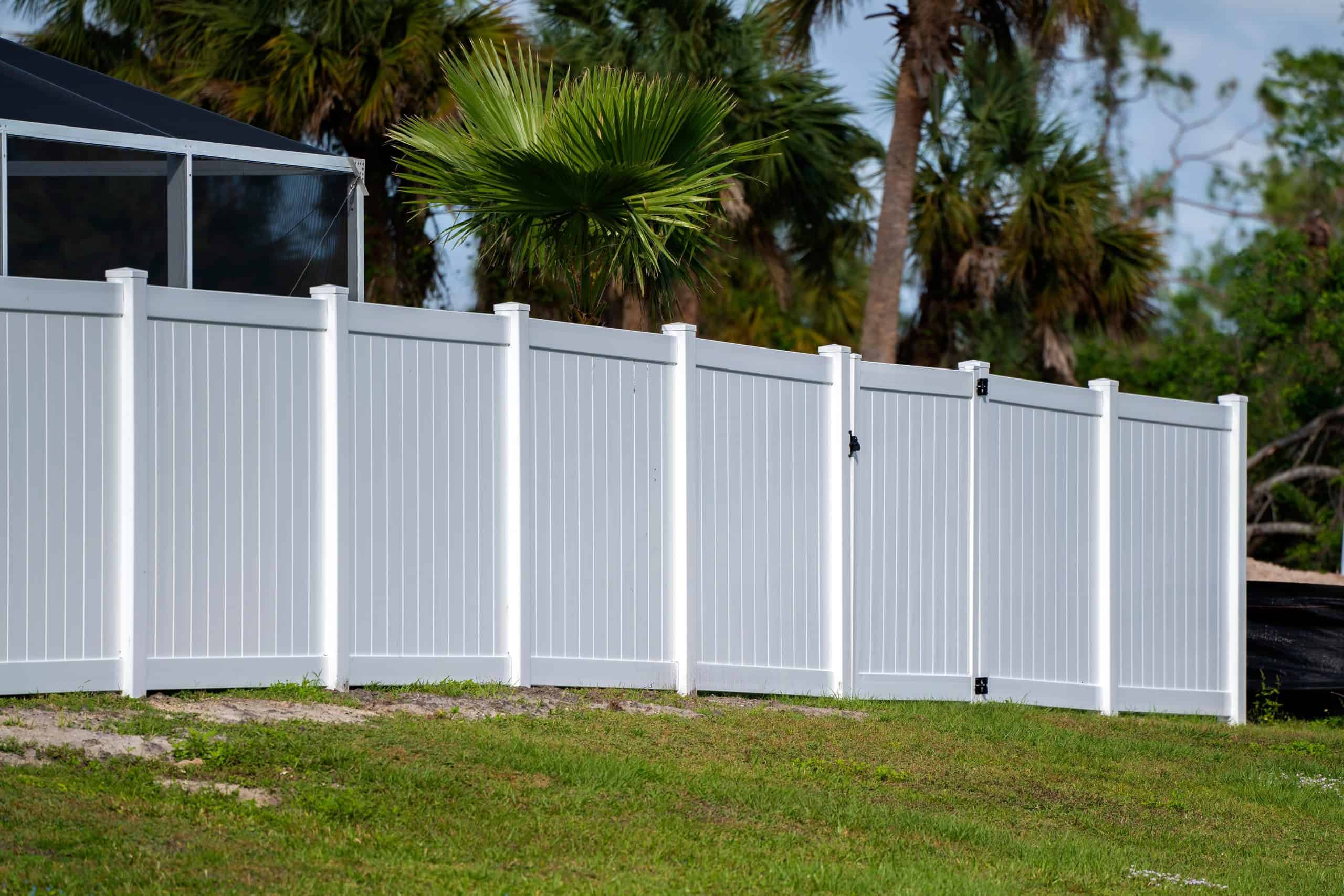
You’re looking at a fence that won’t demand your weekends. Vinyl doesn’t rot in Florida’s humidity, doesn’t need annual staining like wood, and doesn’t warp when the summer heat peaks. A quick rinse with the hose once in a while keeps it looking clean.
The real benefit shows up during storm season. Quality vinyl flexes in high winds instead of snapping like wood pickets do. It’s designed to handle gusts over 100 mph, which matters when you’re in Central Florida and hurricane warnings become routine.
Privacy is the other piece. Unlike aluminum fences that only offer decorative barriers, vinyl panels eliminate gaps completely. No sightlines into your pool area, no noise bleeding through from the street. You get full coverage that actually blocks what you’re trying to block.
And it holds up for 20 to 30 years with proper installation. That’s not marketing talk—that’s what happens when you use material that doesn’t absorb moisture, doesn’t attract insects, and resists UV damage from Florida sun exposure.
We’ve been installing residential and commercial fencing across Marion County and surrounding areas for years. We’re licensed, bonded, and insured, which means your property is covered if anything goes sideways during installation.
We don’t subcontract the work out. Our crew handles your fence from consultation through final walkthrough. That matters because you’re not dealing with a different team every time something needs adjusting.
Silver Springs Shores sits in an area where soil drainage and wind load requirements affect how fences need to be installed. We account for that during the planning phase so your posts stay straight after heavy rain and your panels don’t lean after the first tropical storm rolls through.

It starts with a site visit. We measure your property line, check soil conditions, and identify any drainage issues or obstacles that could complicate installation. If you’ve got underground utilities or irrigation lines, we locate those before digging.
Next is material selection. Vinyl fencing comes in different grades, and not all of it holds up the same way. We use panels rated for Florida wind loads and UV exposure, not the thinner stuff sold at big box stores that cracks after a few seasons.
Installation day involves setting posts in concrete with proper depth and spacing. In Silver Springs Shores, that usually means going deeper than standard to account for sandy soil and water table levels. Posts need time to cure before we attach panels, so there’s a waiting period built into the timeline.
Once panels are mounted and gates are hung, we test everything for level and function. Gates should swing smoothly without dragging, and panels should sit flush without gaps. We adjust hardware on-site and walk you through maintenance basics before calling it done.
You get a two-year warranty on installation and lifetime adjustments on gates. Most vinyl manufacturers also provide warranties ranging from five years to lifetime on the material itself, covering defects and structural failures.

Ready to get started?
Vinyl fence installation in Florida typically runs $15 to $40 per linear foot depending on height, style, and site conditions. Privacy fences cost more than picket styles because of panel size and material volume. Gates add to the total, especially if you need double-wide access for equipment or vehicles.
Your quote includes site prep, post installation with concrete footings, panel mounting, gate hardware, and cleanup. We haul off old fencing if you’re replacing an existing structure. There’s no charge for the initial consultation or measurement.
In Silver Springs Shores, soil conditions sometimes require additional bracing or deeper post holes, especially in areas with poor drainage. We flag those issues during the site visit so there are no surprise charges later. Transparent pricing means you know what you’re paying before work starts.
Vinyl fencing holds up better than wood in Florida’s climate, which translates to lower long-term costs. You’re not repainting every few years or replacing rotted boards. The upfront cost is higher, but the maintenance savings add up over time—no staining, no sealing, no termite treatments.
We also handle repairs on existing vinyl fences if you’ve got damage from storm debris or impact. Panels can be replaced individually without tearing down entire sections, which keeps repair costs manageable.

Vinyl fencing lasts 20 to 30 years in Florida with proper installation and minimal maintenance. The material doesn’t absorb moisture, so it won’t rot or warp like wood does in humid conditions. It also resists UV damage better than older vinyl formulations, which means it won’t fade to a chalky gray after a few years in the sun.
The longevity depends on quality. Thicker panels with reinforced rails hold up better than budget-grade vinyl sold at big box stores. We use commercial-grade material rated for Florida wind loads and temperature swings.
You’ll need to rinse it occasionally to remove dirt and mildew, but that’s about it. No painting, no staining, no sealing. Most manufacturers back their vinyl with warranties ranging from five years to lifetime, covering defects and structural failures.
High-quality vinyl fencing can withstand winds over 100 mph when installed correctly. The material flexes under pressure instead of snapping like wood, which gives it better stability during storms. Florida building codes require fencing to handle at least 75 mph winds, and commercial-grade vinyl exceeds that threshold.
Installation matters as much as material quality. Posts need to be set deep enough with proper concrete footings to resist uplift and lateral pressure. In Silver Springs Shores, sandy soil and high water tables mean we often go deeper than standard depth to ensure stability.
Panel design also affects wind resistance. Solid privacy panels catch more wind than picket styles, so they require stronger posts and closer spacing. We account for that during planning so your fence doesn’t lean or collapse after the first tropical storm.
If you’re in a flood zone or area prone to standing water, we can adjust post depth and drainage to prevent shifting. Vinyl won’t rot if it sits in water temporarily, but the structure still needs solid footing to stay upright.
Vinyl fences need almost no maintenance compared to wood or metal options. You’re looking at an occasional rinse with a garden hose to remove dirt, pollen, and mildew. For stubborn stains, a soft brush and mild soap usually handle it. No power washing necessary—high pressure can damage the surface.
You don’t need to paint, stain, or seal vinyl. The color goes all the way through the material, so scratches and scuffs don’t expose a different layer underneath. That’s a huge difference from wood, which requires annual treatments to prevent rot and fading.
Check gate hardware once or twice a year to make sure hinges and latches are still tight. Florida’s humidity can cause metal components to rust if they’re not stainless steel or coated properly. We use corrosion-resistant hardware during installation, but it’s worth a quick inspection.
If a panel gets damaged from storm debris or impact, you can replace individual sections without tearing down the whole fence. Vinyl panels slot into the posts, so repairs are straightforward. We handle those if you need help, or you can order replacement panels directly from the manufacturer if you’re comfortable doing it yourself.
Vinyl and aluminum serve different purposes. Aluminum fences are decorative—they look good around pools or as property line markers, but they don’t provide privacy. You can see straight through the pickets, and they don’t block noise or create enclosed spaces.
Vinyl fencing offers full privacy with solid panels that eliminate sightlines and reduce noise from traffic or neighbors. If you want to use your backyard without everyone watching, vinyl makes more sense. It’s also better for containing pets and kids because there are no gaps to squeeze through.
Aluminum holds up well in Florida’s climate and doesn’t rust if it’s powder-coated properly. It’s lighter than vinyl, which can make installation faster, but it’s also less impact-resistant. A hard hit from a lawnmower or falling branch can bend aluminum pickets, while vinyl tends to flex and return to shape.
Cost-wise, aluminum runs cheaper per linear foot for basic styles, but it doesn’t offer the same functionality. If you need a decorative fence for curb appeal or pool code compliance, aluminum works fine. If you need privacy, security, or noise reduction, vinyl is the better choice.
Vinyl fence installation in Silver Springs Shores typically costs $15 to $40 per linear foot depending on height, style, and site conditions. A standard six-foot privacy fence runs toward the higher end of that range because of panel size and material volume. Picket-style fences cost less because they use less vinyl.
Gates add to the total—single gates run a few hundred dollars, while double-wide gates for vehicle access cost more because of the additional hardware and structural support needed. If you’re replacing an existing fence, removal and disposal add to the labor cost.
Site conditions affect pricing. If your property has poor drainage, rocky soil, or steep grades, installation takes longer and may require additional materials. We identify those issues during the site visit so you know what to expect before work starts.
The upfront cost is higher than wood fencing, but vinyl saves money over time because it doesn’t require ongoing maintenance. You’re not paying for annual staining, rot repairs, or termite treatments. Over a 20-year span, vinyl usually costs less than wood when you factor in maintenance and replacement.
We provide transparent quotes with no hidden fees. You’ll know exactly what you’re paying for materials, labor, and site prep before we start digging.
You can install vinyl fencing yourself if you’ve got experience with fence installation and the right tools, but it’s more complicated than wood fencing. Vinyl panels require precise measurements and level posts—if anything is off by even a small margin, panels won’t fit into the rails properly and gates won’t swing correctly.
The hardest part is setting posts. They need to be perfectly plumb and spaced exactly right for the panels to slot in. In Silver Springs Shores, you’re also dealing with sandy soil and high water tables, which means posts need deeper footings and proper drainage to prevent shifting. If the concrete isn’t mixed and poured correctly, posts can lean after the first heavy rain.
You’ll also need to locate underground utilities before digging, which requires calling 811 for a locate service. Hitting a water line or electrical conduit turns a DIY project into an expensive repair job.
Professional installation comes with a warranty. If something goes wrong—posts shift, panels crack, gates sag—we fix it at no additional cost during the warranty period. That’s not something you get with a DIY install. Most homeowners who’ve done both will tell you the time and hassle saved by hiring a contractor is worth the cost difference, especially if you’re installing more than a small section.
Other Services we provide in Silver Springs Shores