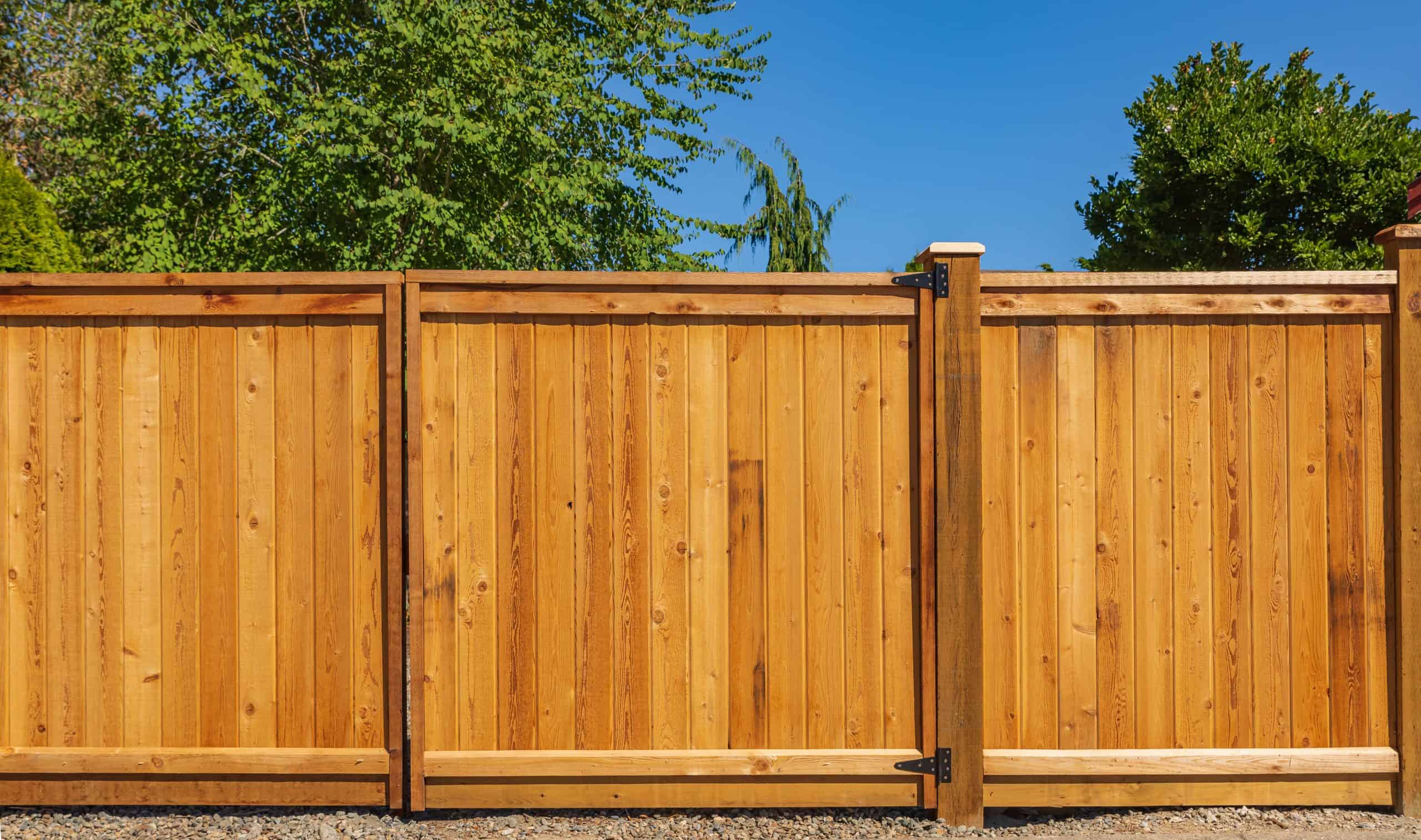
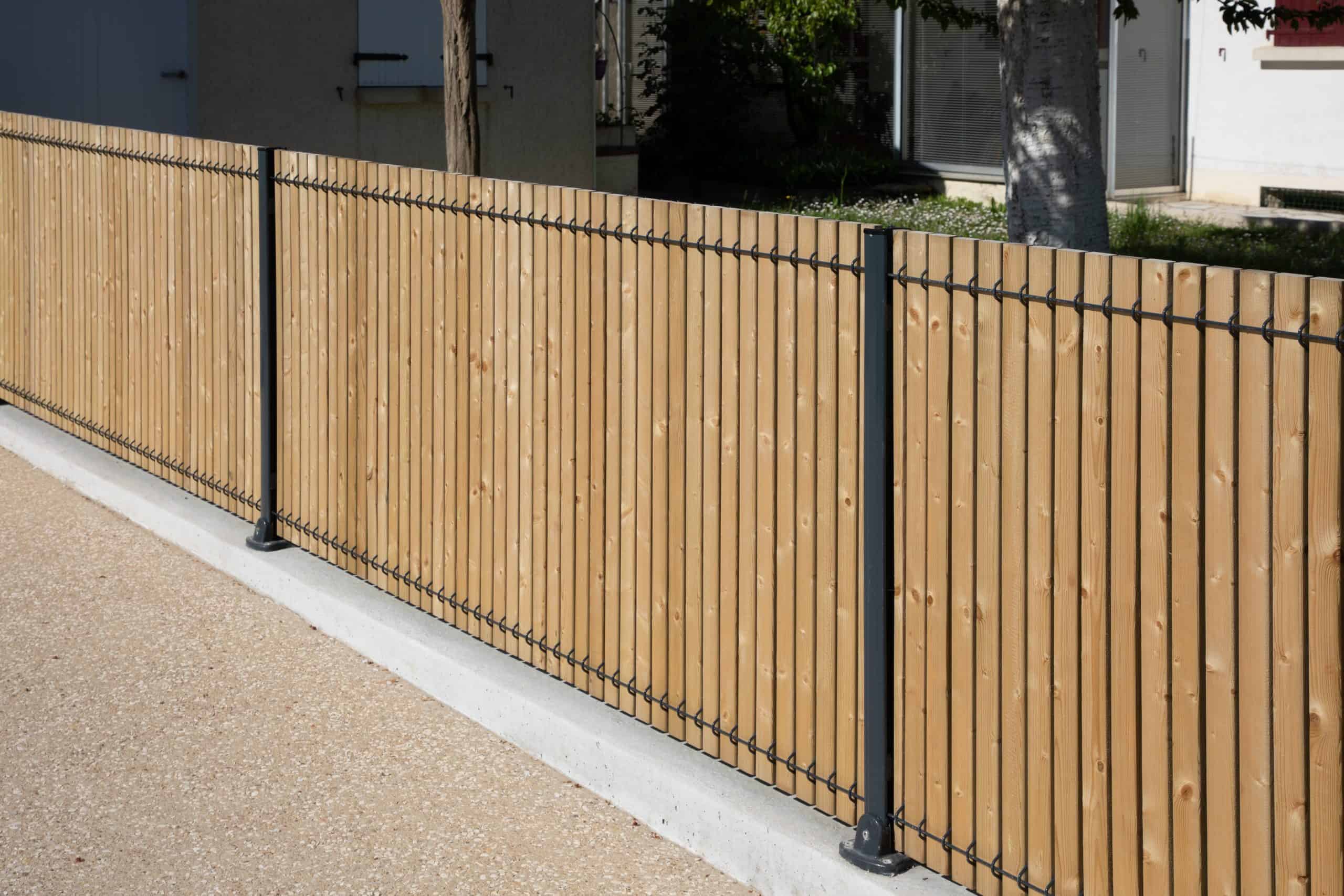
A properly installed wood privacy fence in Silver Springs Shores changes how you use your property. Your backyard becomes private again. Kids and pets stay safe without you watching every second. Neighbors can’t see in, and you’re not staring at theirs.
But here’s what most people don’t realize until it’s too late: how your fence is built determines whether it survives the first major storm or becomes expensive debris. Central Florida gets pounded with rain, wind, and humidity year-round. Cheap installation fails fast.
We use pressure treated fence materials processed to resist rot and termite damage. Posts go deep. Bracing handles wind load. Every board is checked before it goes up. The result is a wood fence installation in Silver Springs Shores that doesn’t need replacing in three years because someone cut corners.
We’ve been installing fences across Central Florida since 2004, with roots in the industry going back to 1992. We’re licensed, bonded, and insured, which matters more than most people think when something goes wrong.
Silver Springs Shores sits in Marion County, where soil conditions and weather patterns require specific installation techniques. We’ve worked in this area long enough to know what holds up and what doesn’t. Our installations account for Florida’s sandy soil, seasonal storms, and the humidity that destroys improperly treated wood.
We’re not the cheapest option, and that’s intentional. You’re paying for materials that last and installation that meets code the first time. No callbacks, no surprises, no hidden fees after we start.

First, we come out to assess your property and talk through what you actually need. Not what we want to sell you—what works for your space, your budget, and your goals. We measure, check property lines, and identify any obstacles like utility lines or drainage issues.
Once you approve the quote, we schedule installation around your timeline. If there’s an old fence, we remove and dispose of it. Then we mark post locations, dig to proper depth based on local soil conditions, and set posts in concrete. Everything gets leveled and braced before we move forward.
After posts cure, we install rails and pickets. Each board is inspected. Spacing stays consistent. Gates get hung and adjusted until they swing smoothly and latch securely. We clean up completely—no nails left in your yard, no wood scraps in your driveway.
You get a final walkthrough where we address any concerns. Then we provide warranty documentation and maintenance guidelines so your fence lasts as long as possible in Florida’s climate.

Ready to get started?
We install several wood fence styles in Silver Springs Shores, depending on what you need. Privacy fences use boards placed tight together, typically six to eight feet tall. Picket fences work for front yards where you want definition without blocking sightlines. Shadowbox fences give you privacy from both sides with alternating boards.
Material choice matters in Central Florida. Pressure treated pine costs less upfront and lasts around 20 years with proper maintenance. Cedar costs more but resists rot naturally and can last up to 40 years. We’ll explain the real difference so you can decide what makes sense for your situation.
Every installation includes proper post setting, quality hardware, and construction that meets Florida building codes. Gates come with heavy-duty hinges and latches that won’t sag or stick after a few months. We also offer custom heights and designs if your property has specific requirements.
Silver Springs Shores properties often deal with sandy soil and high water tables. We adjust post depth and concrete mix accordingly. This isn’t something every contractor thinks about, but it’s the difference between a fence that lasts and one that leans after the first storm season.
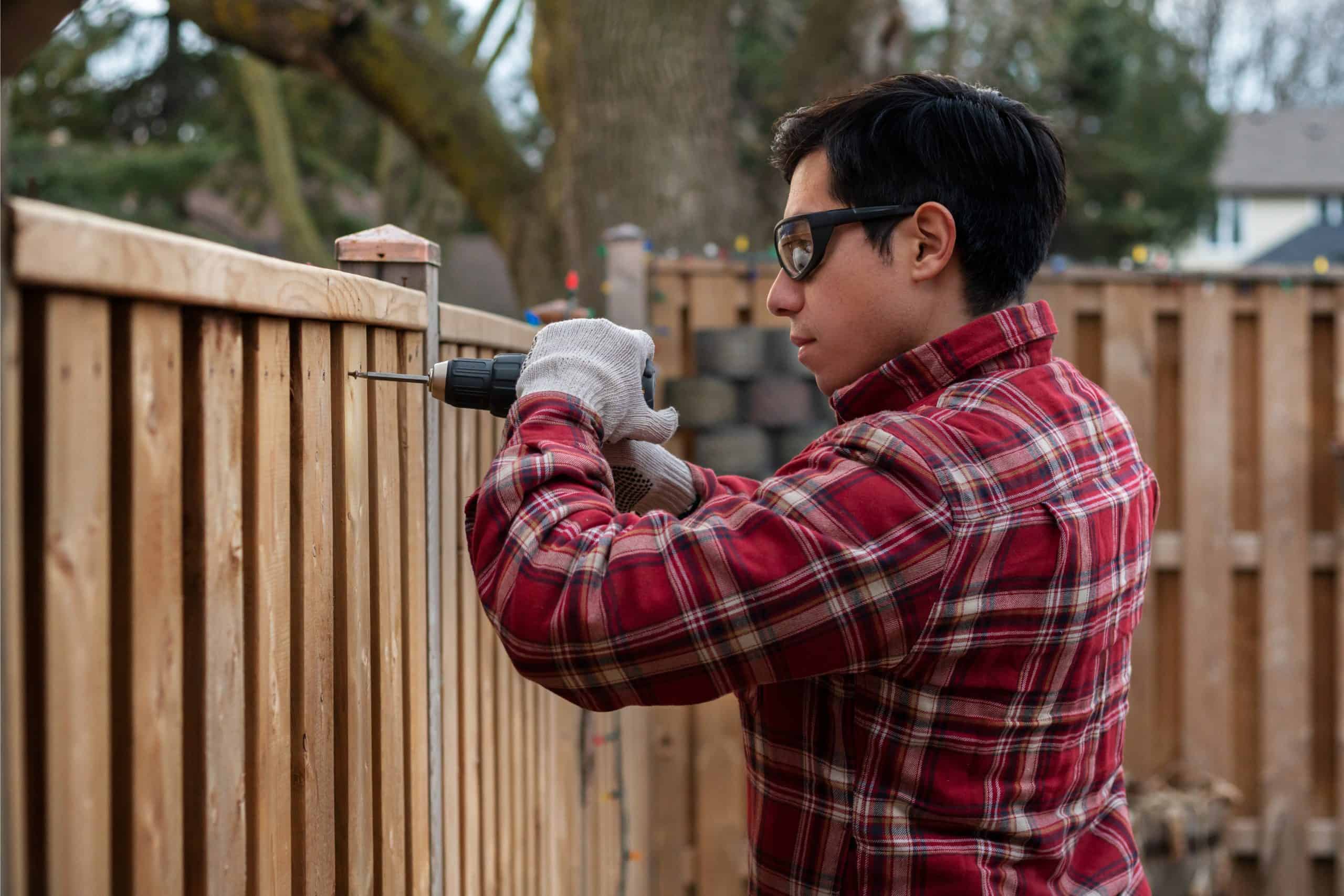
A properly installed pressure treated pine fence lasts about 20 years in Silver Springs Shores. Cedar can push 40 years. But those numbers assume you’re doing basic maintenance—cleaning, sealing, and addressing small repairs before they become big problems.
Florida’s climate accelerates wood deterioration compared to northern states. Daily thunderstorms, high humidity, and intense sun all take their toll. The quality of your installation matters more here than almost anywhere else. Posts that aren’t set deep enough will lean. Wood that isn’t properly treated will rot from the inside out.
We use ground contact rated pressure treated lumber, which means it’s processed to handle direct soil contact and moisture exposure. Regular lumber fails much faster. The preservatives are forced deep into the wood under high pressure, not just surface-treated. That’s what extends lifespan in Florida’s subtropical climate.
Plan on cleaning and resealing your wood fence every two to three years. Florida’s humidity and rain will break down the protective finish faster than in drier climates. Most homeowners spend $400 to $750 annually on fence maintenance if they’re staying on top of it.
Cleaning involves removing mildew, dirt, and organic buildup with a pressure washer or fence cleaner. Then you apply a water-repellent sealer or stain to protect the wood from moisture penetration. Skipping this step means your fence will gray, crack, and rot much sooner.
Also inspect for loose boards, rusted hardware, and insect damage at least twice a year. Catching small issues early prevents expensive repairs later. Termites are active year-round in Central Florida, so watch for mud tubes or damaged wood near the ground. If you’re not interested in regular maintenance, vinyl or aluminum might be better options for your property.
A well-built wood fence can survive hurricane-force winds, but there are no guarantees when you’re talking about Category 3 or higher storms. Proper construction makes a massive difference. Posts need to be set at least two feet deep in concrete. Bracing and rail attachment must be done correctly. Cheap installations fail first.
The reality is that fences often take the first hit during hurricanes, and insurance doesn’t always cover replacement. That’s why building it right from the start matters. We use construction techniques that account for wind load and install hardware rated for high-wind conditions.
Shadowbox and board-on-board fences handle wind better than solid privacy fences because air can pass through gaps between boards. Solid fences act like sails, catching wind and putting maximum stress on posts. If you’re in an exposed area prone to strong winds, we’ll recommend designs that reduce wind resistance while still giving you the privacy you want.
Cedar costs significantly more than pressure treated pine—sometimes double. In Central Florida, wood fencing typically runs $20 to $30 per linear foot installed. Pine falls on the lower end of that range, cedar on the higher end. For a typical 150-foot fence, you’re looking at a difference of $1,500 to $3,000 or more.
Cedar’s advantage is natural rot and insect resistance. It doesn’t need chemical treatment to survive in Florida’s climate. It also looks better longer with less maintenance. The wood has natural oils that repel moisture and insects, and it weathers to an attractive gray if you don’t stain it.
Pressure treated pine requires more maintenance but costs less upfront. If budget is tight, pine makes sense as long as you commit to regular sealing and upkeep. If you want lower long-term maintenance and have the budget, cedar is worth the investment. Both will last decades in Silver Springs Shores if installed and maintained properly.
Most residential wood fence installations in Marion County require a permit, especially if your fence is over six feet tall or located near property lines. Permit requirements ensure your fence meets setback rules, height restrictions, and building codes designed for Florida’s wind and weather conditions.
We handle permit applications as part of our service. The process involves submitting site plans, fence specifications, and proof of property ownership. Marion County reviews the application to confirm your fence won’t encroach on easements, utility lines, or neighbor properties. Approval typically takes one to two weeks.
Skipping permits causes problems if a neighbor complains or when you sell your property. Unpermitted structures can delay closings or require removal. Building inspectors also check that your fence is built to code, which matters for wind resistance and safety. It’s not just bureaucracy—it’s protecting your investment and ensuring your fence is built to survive Florida storms.
Privacy fences make sense for backyards where you want complete seclusion, security for kids and pets, or a visual barrier from neighbors. Boards are placed tight together, usually six to eight feet tall. You can’t see through them, and they block noise better than open designs.
Picket fences work better for front yards or areas where you want to define boundaries without creating a wall. They’re shorter, typically three to four feet, with spacing between pickets. You maintain curb appeal and sightlines while still marking property lines and keeping pets contained.
Consider your actual needs before deciding. If you’re installing a fence for a pool, Florida law requires specific height and gate requirements for safety. If you’re trying to contain large dogs, a privacy fence prevents them from seeing and barking at every passerby. If you just want a decorative boundary in your front yard, a picket fence costs less and looks more inviting. We’ll walk you through options based on your property layout and what you’re trying to accomplish.
Other Services we provide in Silver Springs Shores