Your fence stops being a project on your to-do list. No more staining every few years, no more checking for rot after heavy rain, no more splinters when the kids run by.
Vinyl handles what Central Florida throws at it. The sun that bleaches everything else doesn’t fade quality vinyl. The humidity that warps wood doesn’t touch it. The afternoon storms that knock things around don’t make it buckle.
You get 20 to 30 years of a fence that looks clean with just a hose rinse a few times a year. That’s it. Your neighbors are repainting and replacing boards while your fence still looks like it did the day it went up. And when you eventually sell, buyers see a fence that won’t need replacing on their dime.
We work across Lake, Orange, Seminole, and the surrounding Central Florida counties. We’ve been doing residential vinyl fence installation long enough to know what holds up here and what doesn’t.
Williamsburg homeowners deal with specific challenges. Your ranch-style homes and bungalows from the 70s through 90s sit on established lots where property lines matter. You’ve invested in keeping your lawn looking right, and you expect your fence to match that standard.
We use American-made vinyl fence panels that comply with Florida’s building codes. The installation happens quickly because we’re not learning on your property. You get transparent pricing up front, and the fence goes in without dragging out for weeks.

First, we come out to measure your property and talk through what you need. Privacy, partial privacy, decorative – whatever makes sense for your yard and your budget. You’ll know the vinyl fence installation cost before we do anything.
Once you’re ready to move forward, we handle the permits and schedule the install around your life, not ours. The crew shows up on time, marks utilities, and sets posts that are plumb and properly spaced. This matters more than most people realize because it’s what keeps your fence straight for decades.
Then we install the vinyl fence panels, making sure gates swing right and everything lines up. We clean up the site when we’re done. The whole process usually takes a day or two for most residential properties, depending on size and layout. You’re not dealing with a construction zone for weeks.

Ready to get started?
You’re getting vinyl that’s engineered for Florida. Not the thin stuff that cracks in the heat. The posts are reinforced, the panels are thick enough to handle wind, and the color goes all the way through so scratches don’t show white underneath.
In Williamsburg, most homes sit on quarter-acre to half-acre lots with mature landscaping. Your vinyl fence installation needs to work around existing trees, follow property lines that aren’t always straight, and look proportional to your home’s scale. We measure twice, account for grade changes, and install it so it actually fits your property.
The cost typically runs $20 to $35 per linear foot depending on height and style. That’s higher than wood up front, but wood fences here need restaining every two to three years at $2 to $4 per linear foot. Do that math over 20 years and vinyl wins by a lot. Plus, you’re not spending your Saturdays doing it.

You’re looking at 20 to 30 years with proper installation. That’s not marketing talk – that’s what quality vinyl does when it’s made for this climate.
The key is getting vinyl that’s UV-stabilized and thick enough to flex in wind without cracking. Cheap vinyl gets brittle in the sun and snaps. The good stuff we install has inhibitors mixed throughout that block UV damage at a molecular level.
Florida’s humidity doesn’t hurt vinyl the way it destroys wood. Vinyl doesn’t absorb moisture, so there’s nothing to rot, warp, or swell. Termites ignore it completely. The biggest threat is actually a lawn mower or weed trimmer hitting it hard enough to crack a panel, which is user error, not a material failure.
Rinse it with a hose a few times a year. That’s the actual maintenance.
If you get mildew or algae in shaded areas, spray it with a mix of water and white vinegar, let it sit for 10 minutes, then rinse. For stubborn dirt, use a soft brush with some dish soap. That’s as complicated as it gets.
You don’t seal it, paint it, or treat it with anything. There’s no annual maintenance cost. Compare that to wood fences that need restaining every two to three years at a few thousand dollars each time, plus the cost of inspecting and replacing rotted boards. Vinyl eliminates all of that.
Yes, but not because of some magic number. It increases value because buyers see a fence they won’t have to replace or maintain.
When someone’s looking at homes in Williamsburg, they’re comparing properties in the $300k to $400k range. A well-maintained vinyl fence signals that the home has been cared for. More importantly, it’s one less thing on their mental list of projects after closing.
Wood fences can actually hurt your sale if they’re weathered or need repair. Buyers either ask for a credit or factor replacement cost into their offer. A clean vinyl fence just works in your favor during negotiations. It’s not going to add $20k to your sale price, but it removes a potential objection and makes your property show better.
Vinyl costs about 50% to 75% more up front. For a typical 150-foot fence, you’re looking at $3,000 to $5,250 for vinyl versus $1,800 to $3,000 for wood.
But wood needs restaining every two to three years. At $2 to $4 per linear foot for materials and labor, that’s $300 to $600 every few years. Over 20 years, you’ll spend $2,000 to $4,000 just on maintenance. Add in board replacements for rot and damage, and you’re often spending more on wood over its lifespan.
Vinyl costs more now and less later. Wood costs less now and more later. If you’re planning to stay in your Williamsburg home for more than five years, vinyl makes financial sense. If you’re flipping the property or only staying short-term, wood might pencil out better.
Quality vinyl fencing flexes in wind instead of breaking, which is exactly what you want during storms. It’s engineered to bend and return to shape rather than snap like rigid materials.
The installation matters as much as the material. Posts need to be set deep enough and spaced correctly. In Florida, that means meeting wind load requirements in the building code. We set posts in concrete at the right depth for Central Florida soil conditions and space them so panels don’t have too much unsupported span.
Vinyl won’t rust like chain link or corrode like untreated metal. It won’t rot like wood after water sits against it. The biggest storm risk is actually debris impact – a flying branch can crack any fence material. But for normal wind and rain, properly installed vinyl handles Florida weather better than most alternatives.
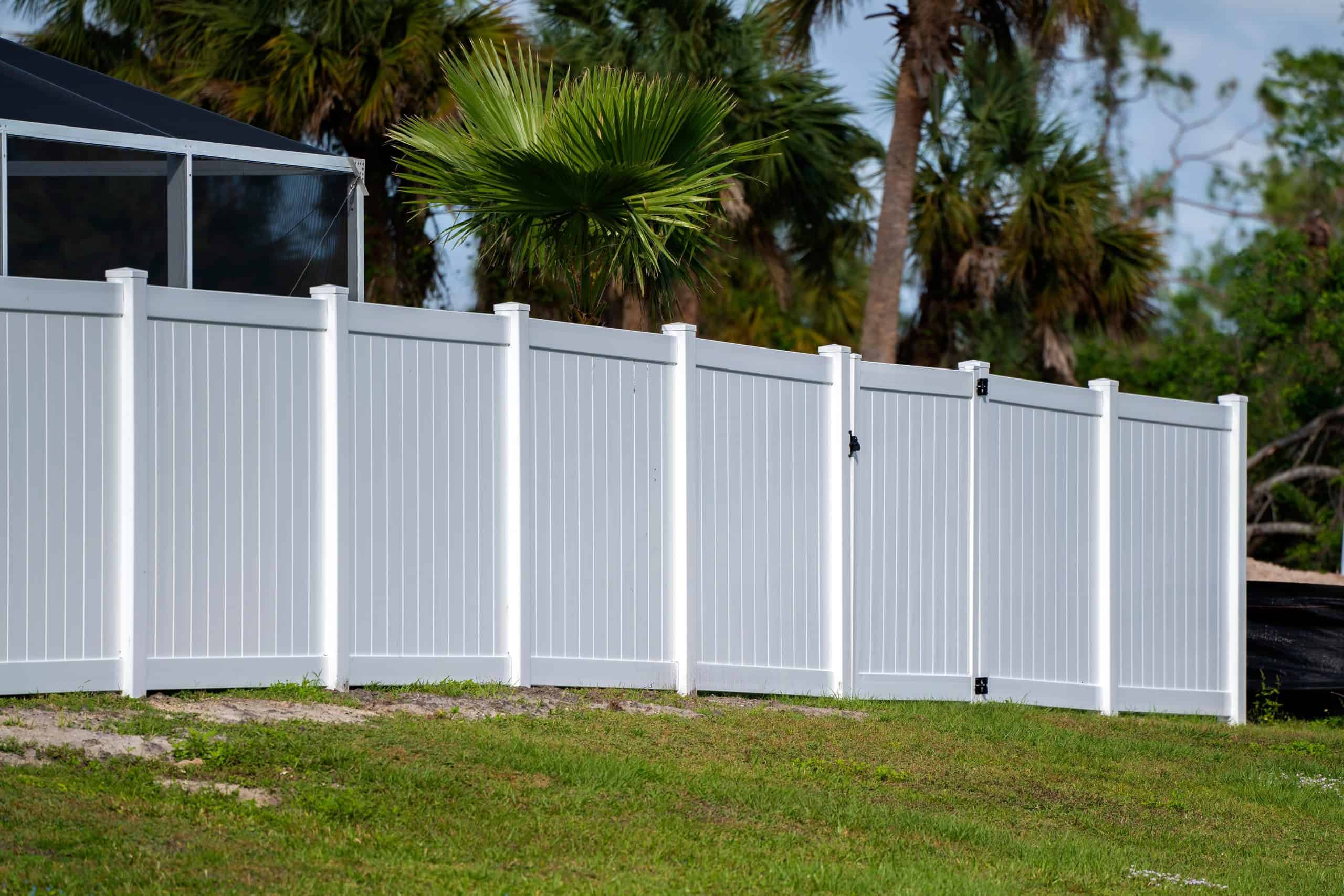
Privacy fences are the most common request because lots in Williamsburg sit close together. A six-foot solid vinyl privacy fence gives you separation from neighbors without the maintenance of wood.
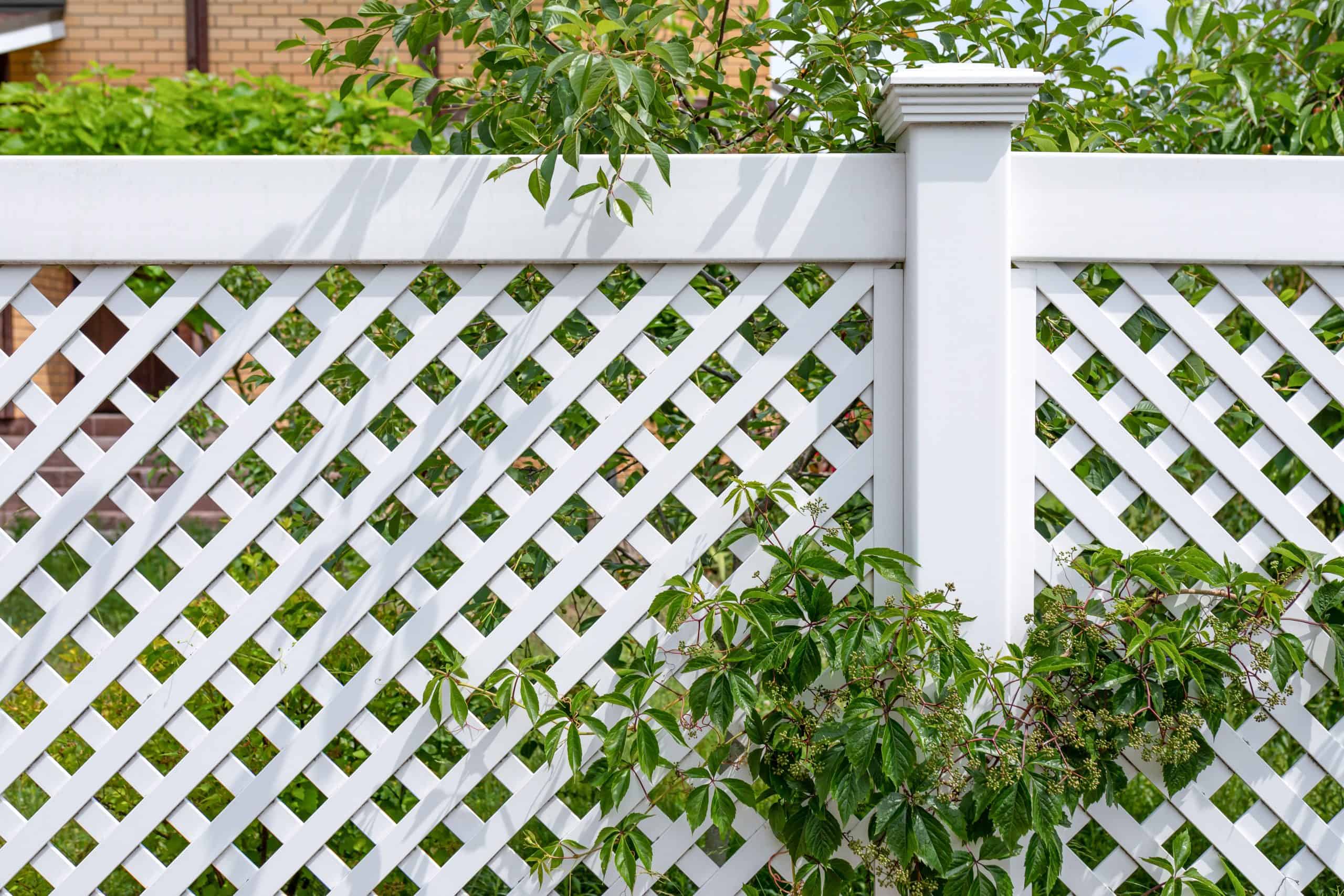
Semi-privacy styles with gaps between pickets work well if you want airflow and a less enclosed feel while still defining boundaries. These look good on corner lots where a solid fence might feel too heavy.
For front yards, shorter decorative vinyl fencing in a picket or rail style keeps the open, manicured look that fits the neighborhood character. Most Williamsburg homes have that classic suburban curb appeal with visible front lawns, so a three or four-foot decorative fence maintains that aesthetic while marking property lines. We can show you samples that match your home’s style without looking cookie-cutter.