You’re looking at your yard right now and seeing either no privacy, a rotting fence, or nothing at all. Maybe the neighbors are too close. Maybe your kids or dogs need a safe space to play without you watching every second.
A wood privacy fence in Williamsburg, FL does more than mark property lines. It creates the outdoor space you’ve been putting off—where you can grill without an audience, where your dog can run without a leash, where your property value goes up because buyers see quality the second they pull up.
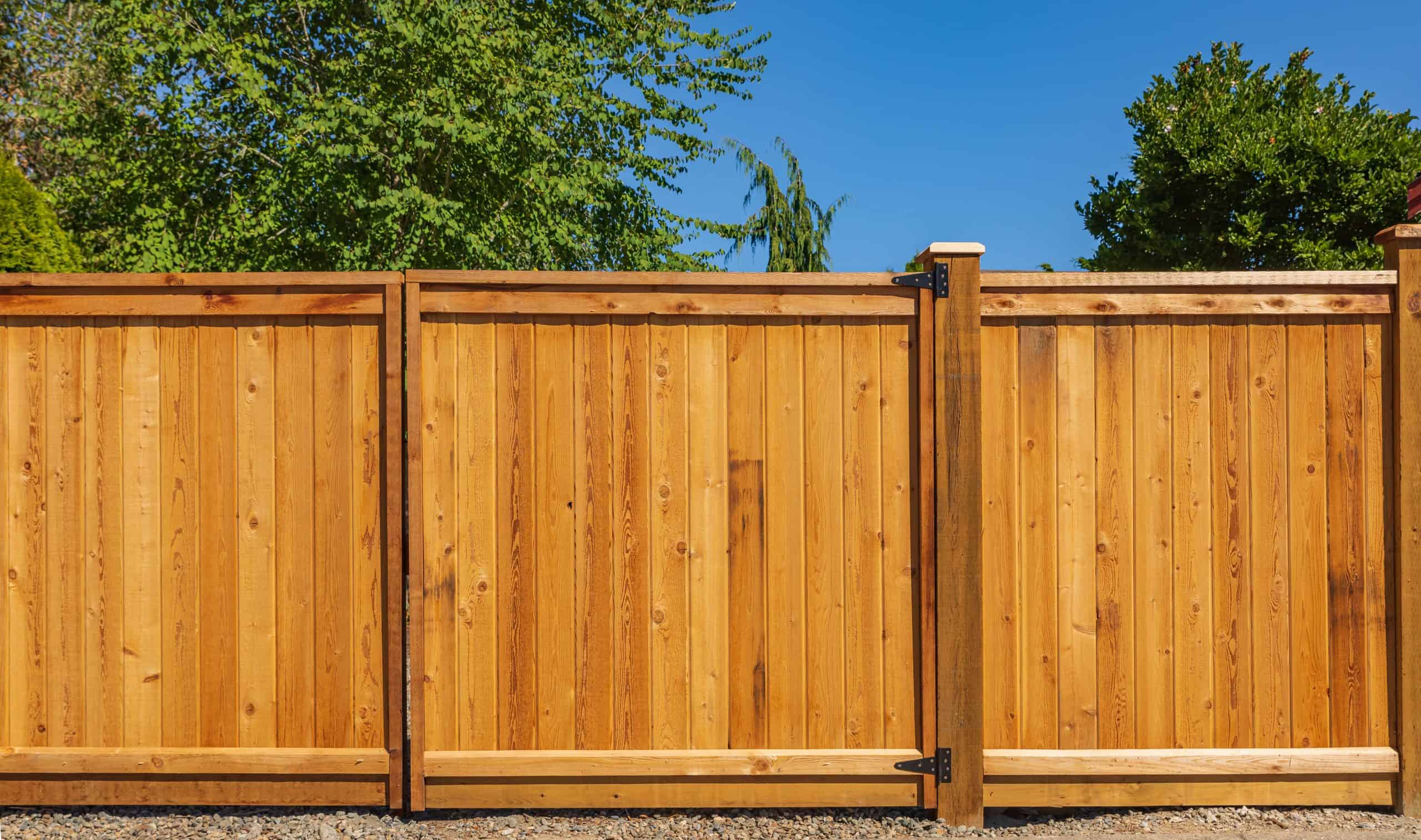
The difference is in how it’s built. Custom wood fence installation means posts treated for Florida’s ground contact conditions, boards that won’t gap when the ground shifts, and gates that actually close after the first year. You’re not patching or repainting every summer because someone used the cheapest pine they could find.
We’ve been installing fences in Central Florida since 2004, with roots going back to 1992 in Atlanta. That’s over two decades of dealing with Florida humidity, storm season, and ground conditions that destroy poorly built fences in under five years.
We’re licensed across Lake, Orange, Seminole, Brevard, Volusia, Osceola, Polk, Sumter, and Marion counties. Williamsburg sits right in our service area, and we’ve handled everything from small backyard privacy fences to full estate perimeter work.
You won’t get pre-built panels that leave gaps or sag after six months. Every wood fence we install in Williamsburg, FL is built on-site, board by board, so it fits your property—not someone else’s template.

You call or submit a request. We schedule a time to come out and look at your property—measure the area, check the ground conditions, talk about what you actually need versus what you think you need.
Then you get a transparent quote. No hidden fees for “unforeseen circumstances” that were always going to happen. If we need permits, we handle them. If your property has drainage issues or a slope, we account for that before we start digging.
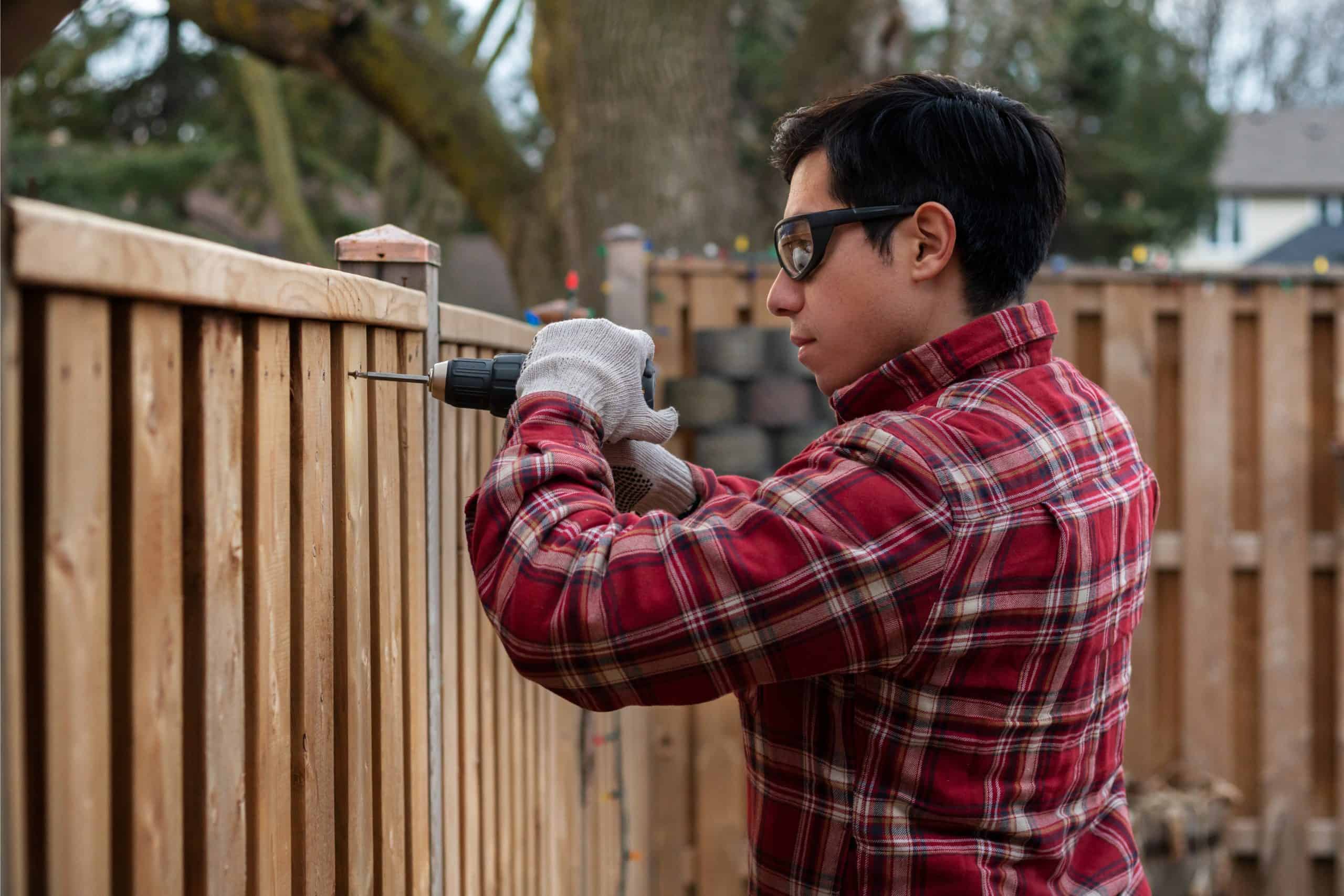
Installation day, we show up with the materials and the crew. Posts go in first—pressure treated and rated for ground contact in Florida. Then rails, then boards, then gates if you’re adding them. Everything is built from scratch on your property, not assembled from pre-made panels that never fit right.
We clean up when we’re done. You get a fence that’s level, secure, and built to last longer than the cheaper options your neighbors probably went with.

Ready to get started?
The posts matter more than most people realize. We use pressure treated pine rated UC4B for heavy-duty ground contact. That’s the classification that handles Florida’s 57 inches of annual rainfall and high water table without rotting out in three years.
You’ve got options for the boards—cedar, redwood, pine, or spruce depending on your budget and how much maintenance you want to deal with. Cedar and redwood cost more upfront but resist rot better. Pine is more affordable and holds up fine if you stay on top of staining every two to three years.
Williamsburg sits in an area where humidity doesn’t take summers off. That means wood fences need proper sealing and treatment from day one, not six months later when you finally get around to it. We can handle the initial staining, or you can do it yourself—but it needs to happen either way if you want 20+ years out of the fence.
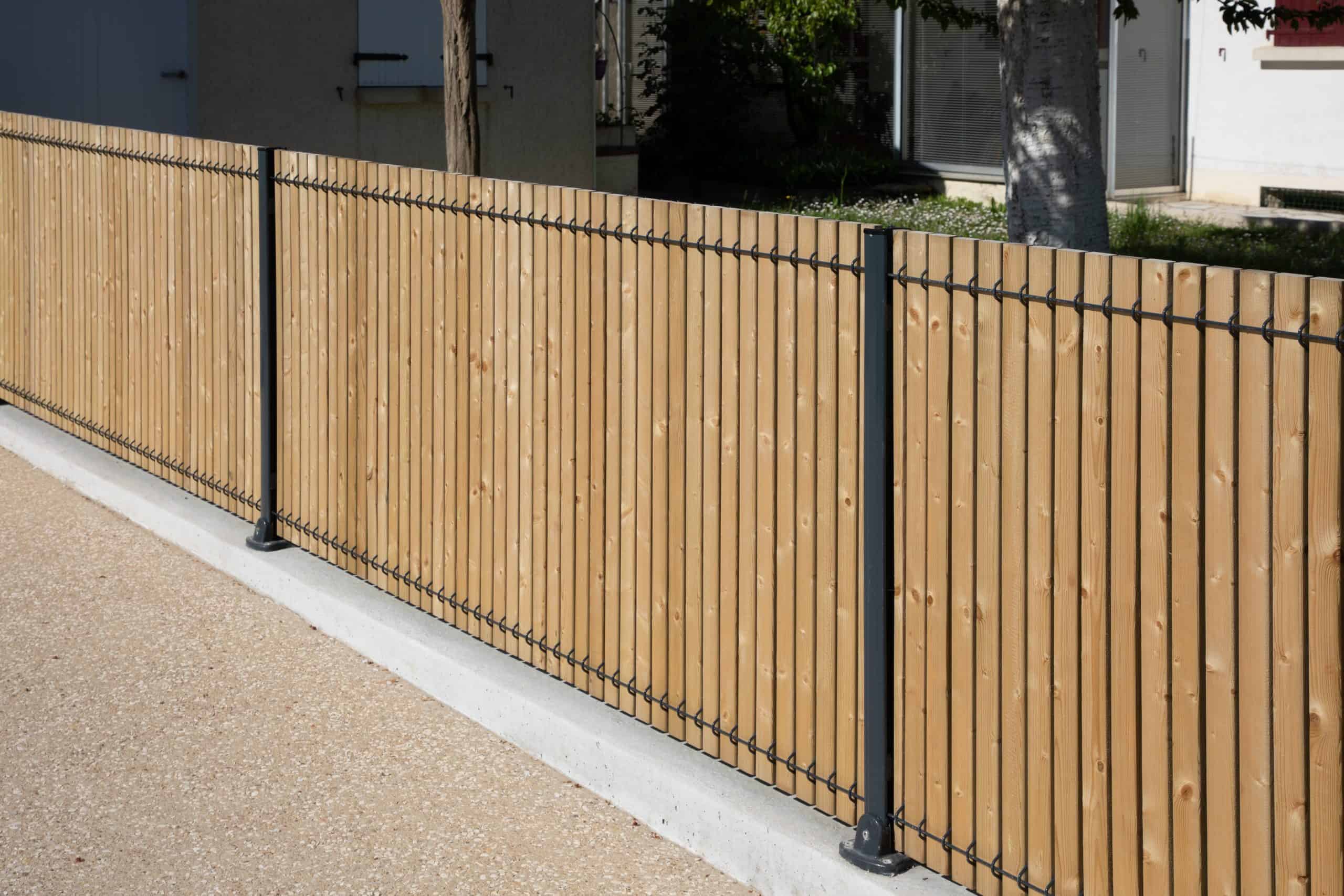
Horizontal privacy fences are popular right now if you’re going for a modern look. Picket fences still work if you want curb appeal without full privacy. Custom gates get added where you need access—side yards, back patios, pool areas.
A properly installed pressure treated fence in Williamsburg, FL should last 20 to 25 years if you maintain it. That means staining or sealing every two to three years minimum—not optional, not something you skip because it rained last week.
Florida’s humidity and rainfall will destroy untreated wood faster than almost anywhere else in the country. Posts rot at ground level first, usually within five to seven years if they weren’t treated correctly. Boards warp, crack, and split if they’re not sealed after installation.
If you’re seeing wood fences in your neighborhood that look terrible after three years, it’s usually because someone skipped the treatment step or used materials not rated for ground contact. The fence itself might’ve been installed fine, but the materials weren’t built for Florida weather.
Pre-built panels are assembled off-site in standard sizes, then brought to your property and attached to posts. They’re faster to install and cheaper upfront. They also don’t account for ground slope, property lines that aren’t perfectly straight, or drainage issues.
Custom wood fence installation means we build everything on-site. Posts go in first, then rails are cut and attached, then boards are added one by one. It takes longer, costs more, but you end up with a fence that actually fits your property instead of forcing your property to fit the fence.
Panels also tend to have gaps or weak points where sections connect. They’re thinner, they sag faster, and they don’t hold up as well in wind. Williamsburg gets storms—your fence needs to handle that without falling apart every hurricane season.
Yes, most residential wood fence installations in Williamsburg require a permit. The rules cover height restrictions, setback distances from property lines, and materials used. If you skip the permit and a neighbor complains, you could end up paying fines or tearing the fence down.
Height limits are usually six feet for backyard privacy fences and four feet for front yard fences, but that varies depending on your HOA or local codes. Some neighborhoods have additional restrictions on fence style, color, or placement.
We handle permit applications as part of the installation process. It’s easier than dealing with it yourself, and it keeps the project moving without delays. If your property has easements or utility lines, those get flagged during the permit process—better to know before we start digging.
You’re looking at $17 to $45 per linear foot depending on materials, height, and site conditions. A standard privacy fence for an average backyard runs between $3,000 and $6,000 for most properties in Williamsburg.
Cedar and redwood cost more than pine—sometimes double. Custom gates add $300 to $800 depending on size and hardware. If your property has a steep slope or needs significant ground prep, that increases labor costs.
We give you a transparent quote after we measure your property. No surprises, no “unforeseen costs” that were always going to happen. If your budget is tight, we’ll tell you where you can save money without sacrificing quality—like choosing pine over cedar or reducing fence height in areas where full privacy isn’t critical.
Pressure treated pine is the most common choice because it’s affordable and holds up well if you maintain it. Cedar and redwood resist rot and insects better naturally, so they require less maintenance long-term, but they cost significantly more upfront.
The treatment matters more than the wood species in most cases. Posts need to be rated UC4B for ground contact in Florida—that’s the classification that handles high moisture and soil contact without rotting. If your installer is using anything less, you’ll have problems within five years.
Williamsburg’s humidity doesn’t let up, even in winter. Whatever wood you choose, it needs to be sealed or stained within the first few months of installation. Skip that step and you’ll see warping, cracking, and splitting by the end of the first year—especially on south-facing sections that get full sun all day.
Depends on what’s failing. If it’s a few rotted boards or a broken gate, repair makes sense. If the posts are rotting at ground level or the entire fence is leaning, you’re better off replacing it.
Posts are the foundation. Once they rot below ground, there’s no fixing it—you have to dig them out and start over. Boards and rails are easy to replace as long as the posts are still solid. Gates can be rebuilt or rehung if the frame is still square.
We’ll come out and give you an honest assessment. If repair works, we’ll tell you. If you’re going to spend $2,000 patching a fence that’ll need full replacement in two years anyway, we’ll tell you that too. No point in throwing money at something that’s already past saving.