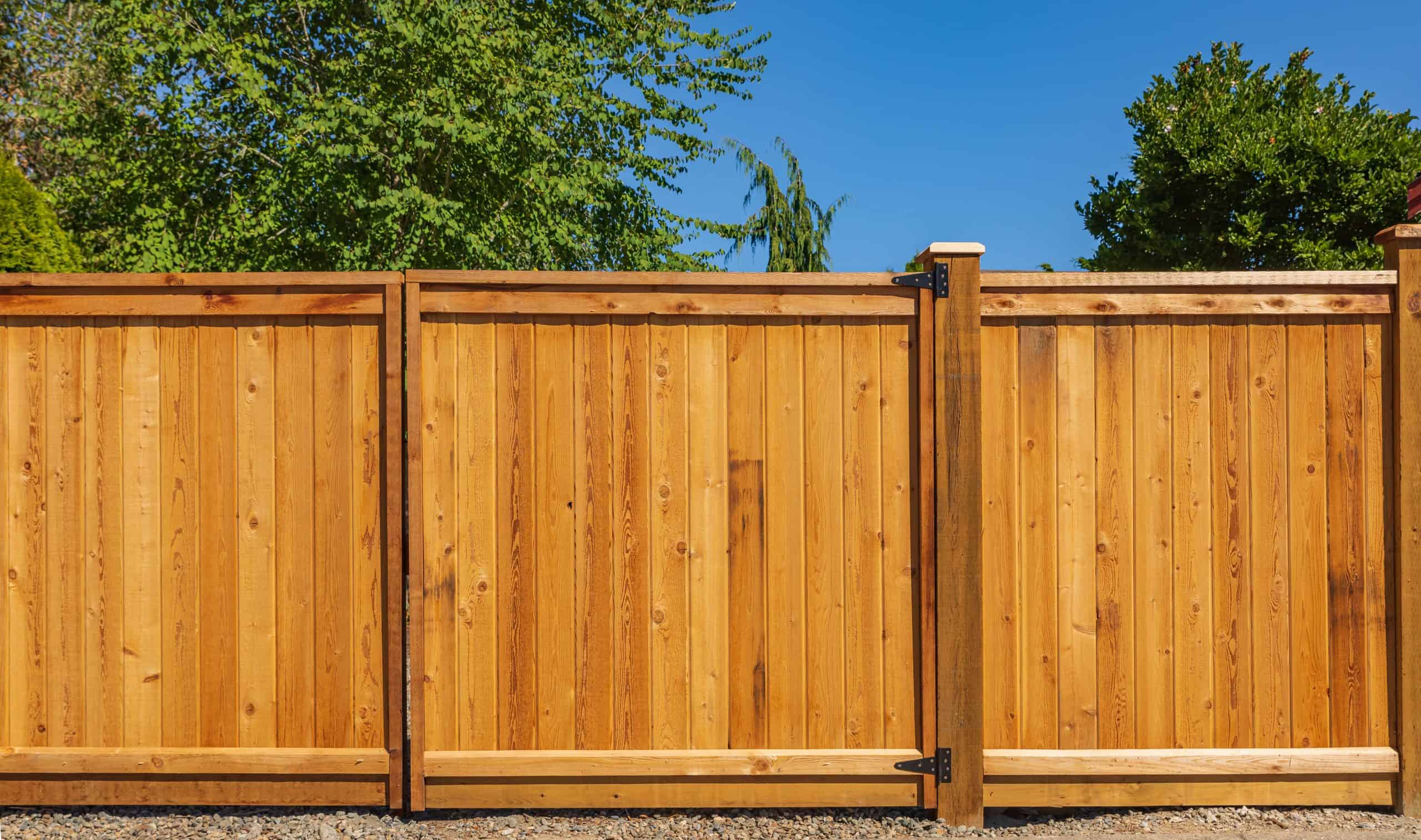
You get a backyard where your kids and dogs can play without the neighbors watching every move. No more awkward eye contact over the property line. No more feeling like you’re on display every time you step outside.
A wood privacy fence in Dublin, FL gives you that space back. You can grill, garden, or just sit outside without an audience. It’s not just about blocking views—it’s about reclaiming your outdoor space so it actually feels like yours.
And when it’s done right, with pre-treated lumber that’s built for Florida’s heat and humidity, you’re not dealing with warped boards or rotting posts a year later. You’re getting a fence that holds up and keeps doing its job—keeping your property private, your boundaries clear, and your home looking sharp.
We’ve been installing wood fences across Central Florida since 1992. That’s over 30 years of dealing with Florida’s clay soil, summer storms, and the kind of humidity that destroys poorly built fences in months.
We’re licensed, bonded, and insured—not because it sounds good, but because it protects you when things go sideways. We’ve worked in Dublin, FL and surrounding communities long enough to know what holds up and what doesn’t. We know which wood species last, how deep posts need to go in shifting soil, and what it takes to get through permitting without the runaround.
You’re not getting a crew that learned fencing last summer. You’re getting installers who’ve seen what fails and what doesn’t—and who build accordingly.

First, we come out and look at your property. We measure, check for underground utilities, talk about what you’re trying to accomplish, and go over wood options that make sense for your budget and how long you want the fence to last.
Then we handle the permits and HOA approvals if needed. Most people don’t realize Dublin, FL requires permits for fence installation, and most HOAs have rules about height, style, and setbacks. We take care of that so you don’t have to chase down paperwork or wait weeks wondering if you’re approved.
Once everything’s cleared, we schedule installation. Posts go in first—set in concrete, deep enough to handle wind and soil movement. Then rails, boards, gates, and any custom touches you asked for. We clean up when we’re done, and you’re left with a fence that does what it’s supposed to do.
The whole process usually takes a few days depending on size, and we keep you updated the entire way through.

Ready to get started?
Every wood fence we install in Dublin, FL starts with pressure treated lumber that’s designed to resist Florida’s moisture, insects, and rot. This isn’t the stuff you find at a big box store. It’s pre-treated, graded for ground contact, and built to last in climates like ours.
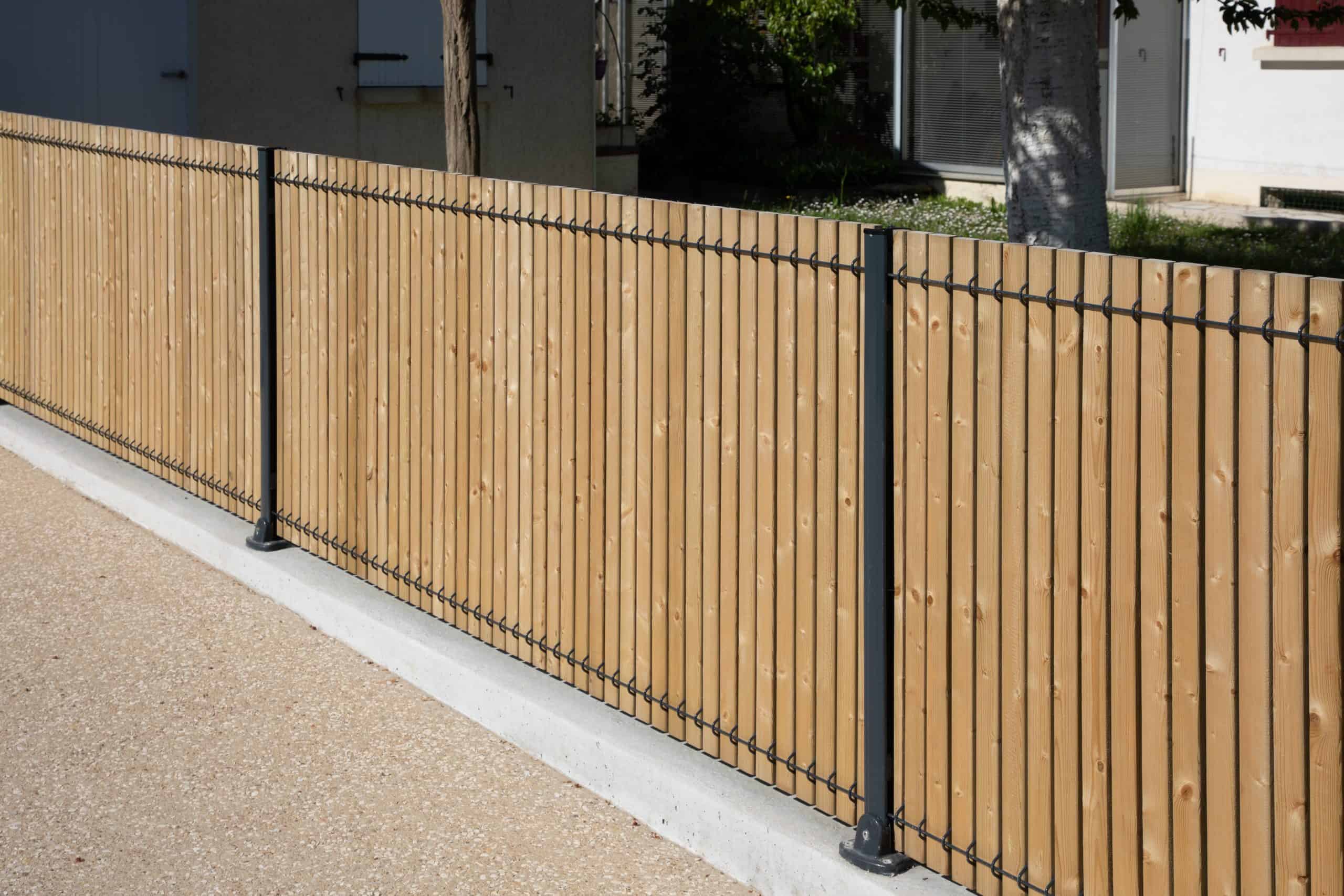
You get a choice of styles—board-on-board, shadowbox, stockade, horizontal slat, or lattice top. Each one offers different levels of privacy, airflow, and aesthetic. Shadowbox is popular here because it allows wind to pass through, which matters during storm season when solid panels can act like sails.
We also walk you through height options, gate placement, and whether you want stain or sealant applied before installation. Most people don’t realize that sealing a wood fence right away adds years to its life—especially in Central Florida where UV and moisture start breaking down untreated wood within months.
You’ll also get a fence that’s built to code, installed with proper spacing for drainage, and aligned so it doesn’t look crooked six months later when the ground shifts. It’s the kind of work that doesn’t need a redo.
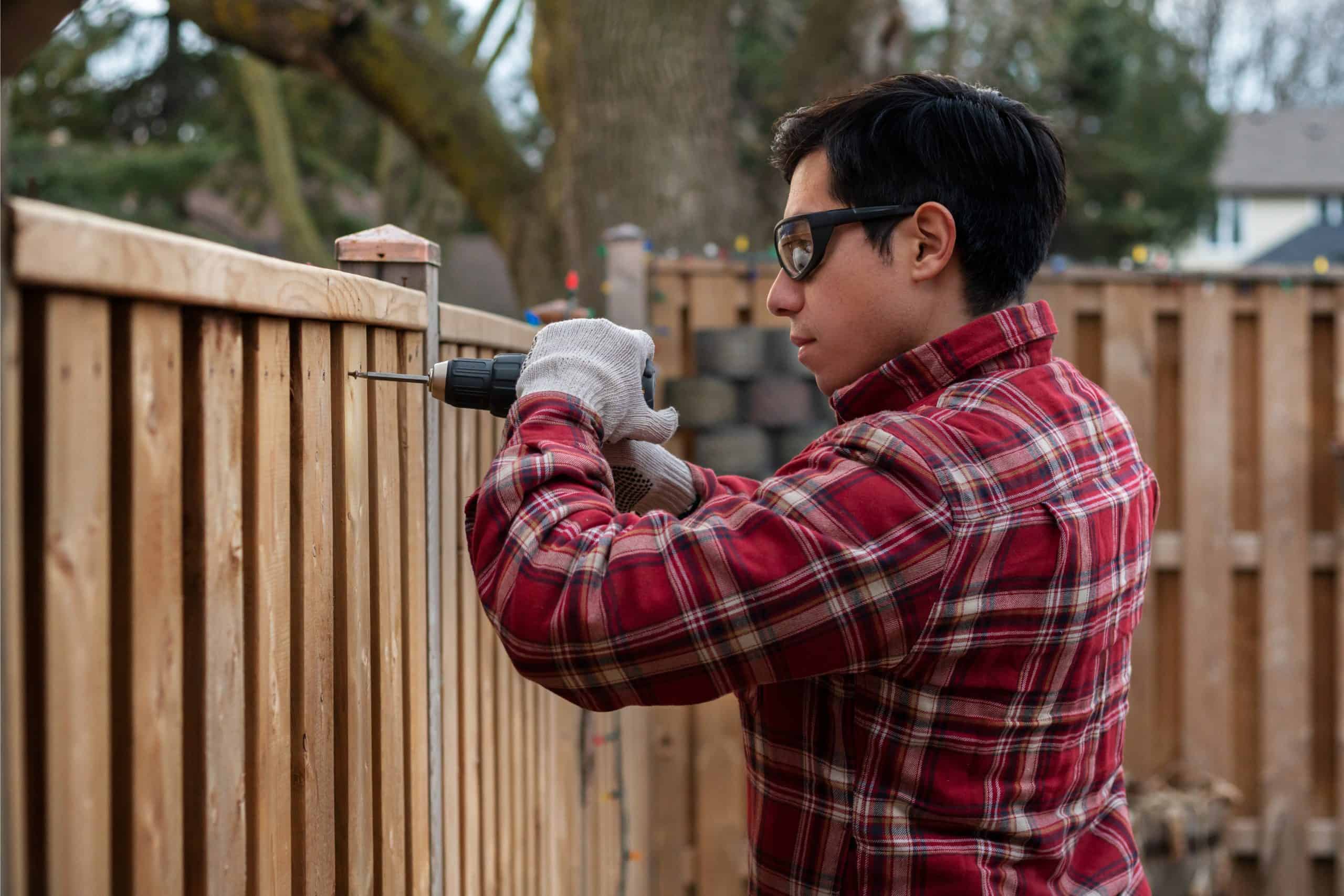
A properly installed pressure treated wood fence in Dublin, FL typically lasts 15 to 20 years. Cedar can push 30 to 40 years if it’s maintained. But here’s the catch—Florida’s climate accelerates wear if the fence isn’t sealed or stained.
High heat, humidity, and summer storms all take a toll. If you skip maintenance, you’ll see warping, cracking, and rot within a few years. But if you reseal every two to three years and keep an eye on ground contact points where moisture collects, a wood fence holds up well.
The other factor is installation quality. Posts need to be set deep enough to handle shifting clay soil, and boards need room to expand and contract with temperature swings. Cut corners there, and even the best lumber won’t last.
Yes. Most fence installations in Dublin, FL require a permit from the local building department. The permit process ensures your fence meets setback requirements, height restrictions, and safety codes.
If you’re in an HOA community, you’ll also need approval from your homeowners association before you apply for the permit. HOAs often have rules about fence style, color, and maximum height—usually six feet for backyard privacy fences.
We handle the permit process as part of our installation service. That means pulling the right documents, submitting plans, and making sure everything’s approved before we start digging. It saves you time and keeps the project from getting delayed because of missing paperwork or code violations.
Skipping permits might seem easier, but it can cause problems when you sell your home or if a neighbor complains. It’s worth doing it right from the start.
Pressure treated pine is the most common choice for wood fences in Dublin, FL because it’s affordable, widely available, and treated to resist moisture and insects. It holds up well in Florida’s humidity if it’s maintained properly.
Cedar is another solid option. It’s naturally resistant to rot and insects, doesn’t need as much chemical treatment, and ages to a nice gray if you don’t stain it. Cedar costs more upfront but can last decades with minimal maintenance.
Some people go with cypress, which is also rot-resistant and handles moisture well. It’s a good middle ground between treated pine and cedar in terms of cost and durability.
The key isn’t just the wood type—it’s how it’s installed and whether it’s sealed. Even the best wood will fail if posts aren’t set correctly or if the fence is left untreated in Florida’s sun and rain.
Plan on sealing or staining your wood fence every two to three years. Florida’s UV exposure, rain, and humidity break down wood faster than in most climates, so regular maintenance isn’t optional—it’s necessary if you want the fence to last.
You’ll also want to inspect the fence annually for loose boards, rusted hardware, or signs of rot near the ground. Trim back any vegetation that’s touching the fence, because trapped moisture accelerates decay.
If you see boards starting to warp or crack, address them early. Replacing a few boards is a lot cheaper than replacing whole sections because rot spread.
Some homeowners skip maintenance thinking the fence will hold up on its own. It won’t. But if you stay on top of it, a wood fence in Dublin, FL will give you decades of service and keep looking good the whole time.
Yes, but only if it’s built correctly. A wood fence needs posts set deep enough—typically three feet in Central Florida’s clay soil—and secured in concrete. The rails and boards need to be fastened properly, and the design needs to allow for wind flow.
Solid board fences catch more wind than shadowbox or spaced styles, which is why shadowbox is popular in areas that see hurricanes and strong storms. The gaps between boards let wind pass through instead of turning the fence into a sail.
Even with proper construction, extreme weather can damage any fence. But a well-built wood fence in Dublin, FL will handle typical summer storms and most tropical systems without major issues.
If you’re in a high-wind area or near open fields, talk to us about reinforced posts or wind-resistant designs. Small adjustments during installation make a big difference when the weather turns.
Wood fence installation in Dublin, FL typically runs between $15 and $30 per linear foot, depending on the wood type, fence height, style, and site conditions. A standard six-foot privacy fence with pressure treated pine usually falls in the middle of that range.
Cedar costs more—sometimes $10 to $15 extra per linear foot—but lasts longer and needs less maintenance. Custom designs, gates, and staining add to the cost, but they also add value and curb appeal.
Site prep matters too. If your yard has slopes, underground utilities, or requires tree removal, expect the price to go up. Same goes if you need old fencing removed before the new install.
We give transparent quotes with no hidden fees. You’ll know exactly what you’re paying for before we start, and we’ll explain why certain options cost more so you can make the call that fits your budget and goals.