
Your fence should do more than mark a property line. It keeps your kids and pets safe in the yard. It gives you actual privacy when you’re outside. It holds up when the next tropical storm rolls through Dublin, FL without you wondering if panels are going to blow into the neighbor’s pool.
A properly installed fence means you’re not calling someone back in six months because posts are leaning or boards are already rotting. You’re not dealing with gaps where your dog keeps escaping or sections that look crooked from the street.
The difference is in how it’s built. Posts set deep enough to handle wind load. Lumber that’s treated for Florida’s humidity. Gates that actually swing smoothly and latch every time. When a residential fence installation in Dublin, FL is done with the right materials and methods, you stop thinking about your fence. It just works.
We’ve been installing fences across Central Florida for over two decades. We’re licensed, bonded, and insured in the state of Florida, and we’ve handled hundreds of projects in Dublin and the surrounding counties.
We’re not the cheapest option you’ll find. But you’re not paying for callbacks, patch jobs, or a fence that needs replacing in three years. You’re getting materials that meet Miami-Dade wind code standards and installation crews who’ve seen every soil condition and property challenge Dublin, FL throws at them.
We serve Lake, Orange, Seminole, Brevard, Volusia, Osceola, Polk, Sumter, and Marion counties. Most of our work comes from referrals, which tells you what matters: the fence holds up, and we show up when we say we will.
First, we come out to look at your property. We measure the area, check for underground utilities, talk about what you’re trying to accomplish, and give you an upfront price. No hidden costs later.
Once you approve the quote, we handle the permit paperwork if your project needs it. Dublin, FL has specific codes on fence height and setbacks, and we make sure everything’s compliant before we dig the first post hole.
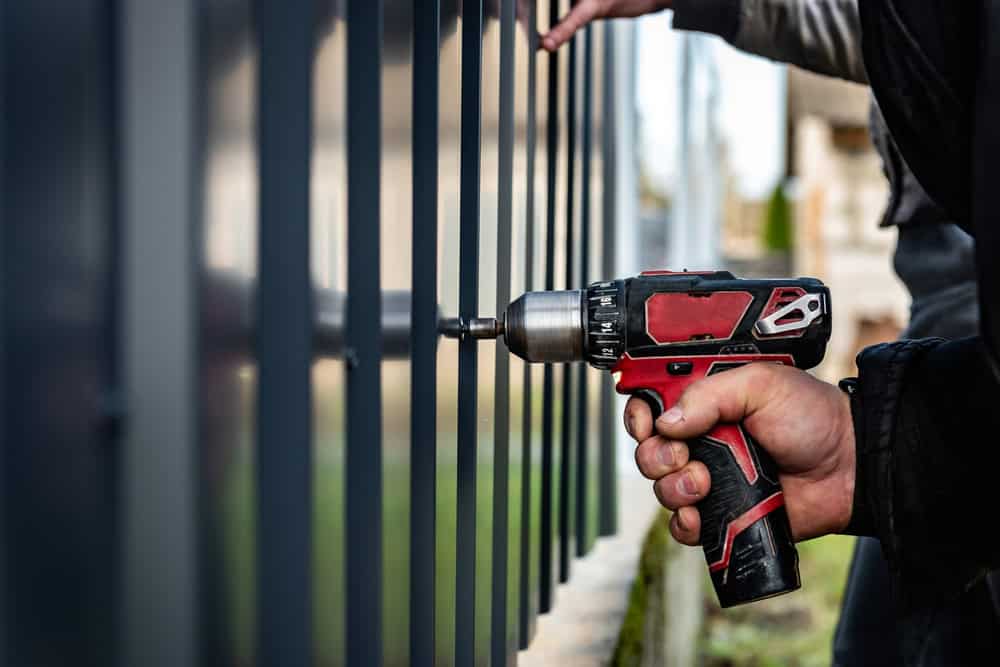
Installation day, our crew shows up on time with the materials and equipment. We set posts in concrete, let them cure properly, then install rails and pickets or panels depending on your fence type. We clean up the site when we’re done. The whole process typically takes one to three days depending on the size of your project.
After installation, you get a 15-year guarantee on pickets and lifetime protection on posts and horizontal structures. If something’s not right, you call us. We fix it.
Ready to get started?
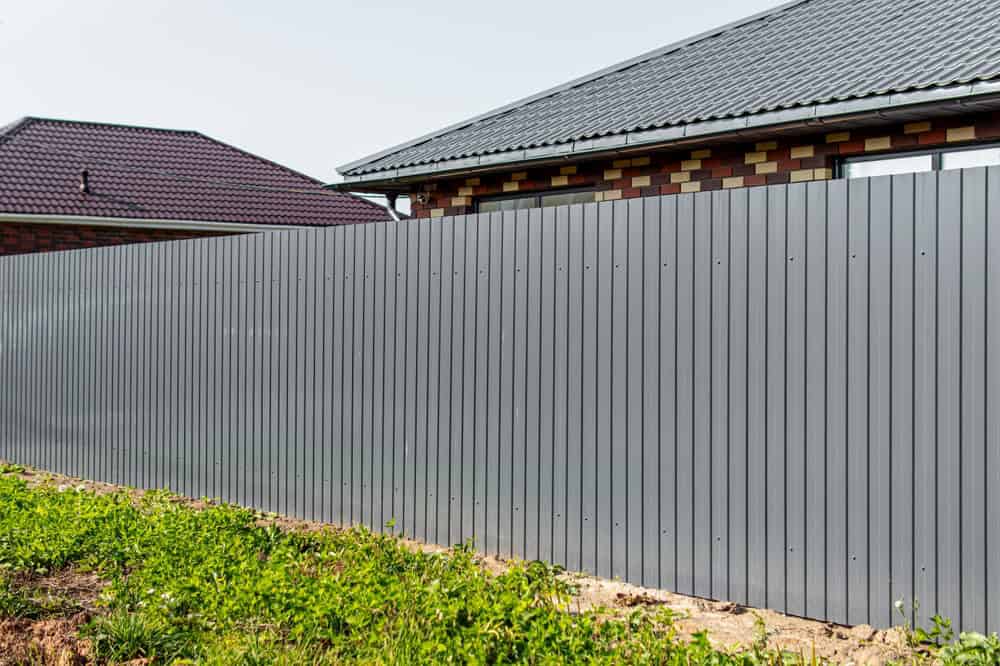
Every privacy fence installation in Dublin, FL starts with heavy-duty pine lumber or your choice of vinyl, aluminum, or chain link depending on what your property needs. We’re not using builder-grade materials that barely meet code. The lumber we install is treated to handle Florida’s humidity, salt air, and insect pressure.
Posts go a minimum of two feet deep, set in concrete. In areas with sandy soil common around Dublin, we adjust depth and use proper bracing to prevent shifting. Rails are secured with galvanized fasteners that won’t rust out in two years.
For privacy fences, boards are installed tight with minimal gaps. For pool enclosures, we follow Florida’s specific safety requirements on height and gate latches. If you’re fencing pasture land for horses, we use appropriate rail spacing and height to keep animals contained safely.
We also handle gate installation as part of the project. Gates get heavy-duty hinges, proper framing to prevent sagging, and latches that work smoothly. You shouldn’t have to lift and drag a gate every time you want to open it.
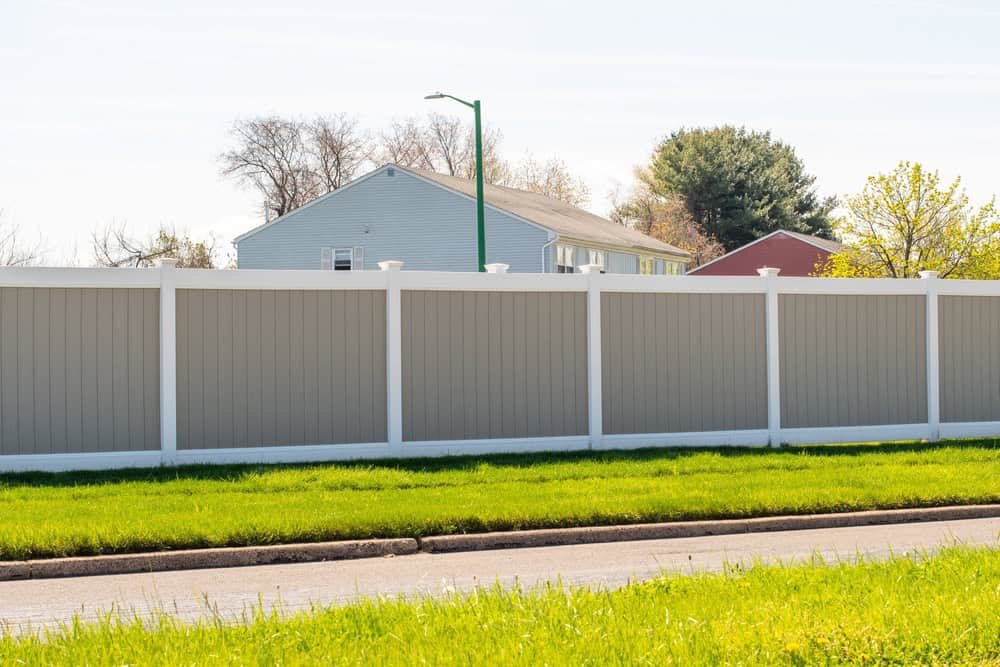
Most residential fence installation projects in Dublin, FL take between one and three days from start to finish. A simple backyard privacy fence for an average lot usually wraps up in a day or two. Larger properties, complex layouts with multiple gates, or projects that require significant ground prep take closer to three days.
Weather can add time. If we’re in the middle of Florida’s rainy season and the ground is saturated, we might need to pause and let conditions improve so posts set properly. We’d rather delay a day than install posts in mud that won’t hold.
The timeline also depends on whether permits are required. If your fence needs a permit in Dublin, add about a week to the overall schedule for approval. We handle the permit application, but the county sets the processing time.
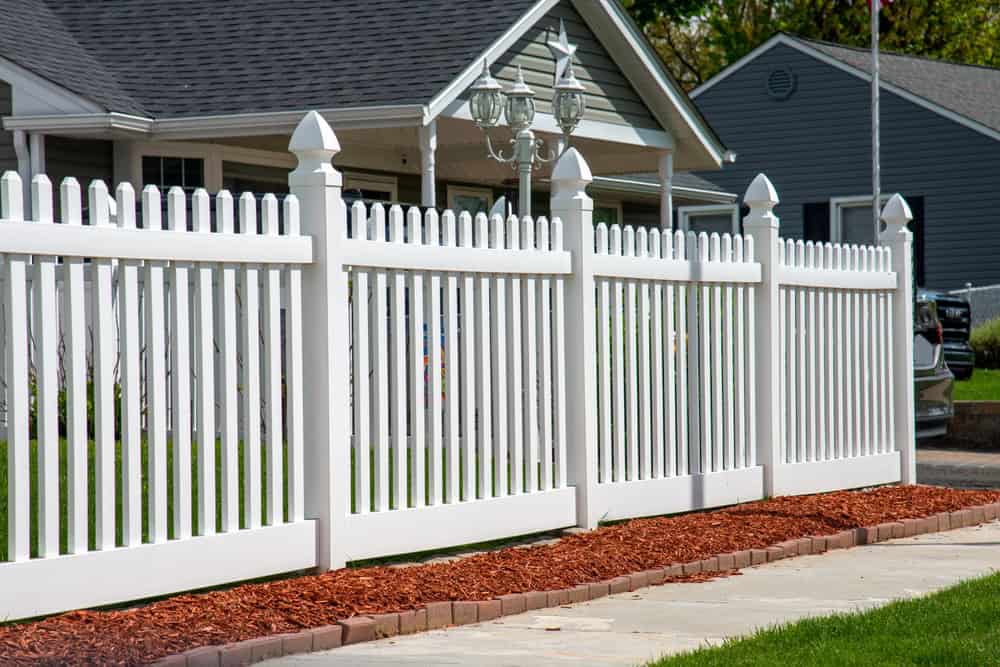
Treated pine, vinyl, and aluminum all perform well in Dublin, FL if they’re installed correctly. Each has trade-offs depending on what you’re prioritizing.
Pressure-treated pine is the most common choice for privacy fences. It handles humidity and insect damage when it’s properly treated and maintained. You’ll need to stain or seal it every few years to keep it looking good, but it’s durable and cost-effective. We use lumber that meets Miami-Dade wind code standards, which means it’s built to handle the storms Central Florida sees regularly.
Vinyl fences require almost no maintenance. They won’t rot, and they don’t need painting. They’re more expensive upfront, but you’re not spending weekends staining boards. The downside is they can crack under impact, and color options are limited.
Aluminum works well for pool enclosures and decorative fencing. It won’t rust, it’s lightweight, and it meets pool safety codes. It doesn’t provide privacy, though, so it’s not ideal if that’s your main goal.
It depends on your fence height, location, and what your local code enforcement office requires. Most residential privacy fences in Dublin, FL need a permit if they’re over a certain height or located near a property line or easement.
The permit process exists to make sure your fence doesn’t block sightlines at intersections, violate setback requirements, or cross into utility easements. It’s not just red tape. We’ve seen homeowners install fences without permits and then get hit with fines and removal orders when a neighbor complains or the county notices during an inspection for something else.
We handle permit applications as part of our service. We submit the site plan, wait for approval, and schedule installation once everything’s cleared. The process usually takes about a week, sometimes longer if the county is backed up. It’s worth doing it right. The last thing you want is to pay for a fence twice because the first one had to come down.
In Dublin, FL, fence posts should go at least two feet deep, and often deeper depending on soil conditions and fence height. Florida’s sandy soil doesn’t hold posts as firmly as clay or rocky ground, so depth and proper concrete setting matter more here than in other parts of the country.
For a standard six-foot privacy fence, we typically set posts 24 to 30 inches deep in concrete. Taller fences or gates need deeper holes. Corner posts and gate posts take the most stress, so those always get extra depth and concrete.
The concrete needs time to cure before we attach rails and boards. Rushing that step is how you end up with posts that shift or lean after the first strong wind. We let posts set for at least 24 hours before continuing the install. It adds a day to the timeline, but it’s the difference between a fence that lasts 15 years and one that starts leaning in two.
Vinyl fencing typically costs 30% to 50% more than pressure-treated wood for the same project in Dublin, FL. A 150-foot privacy fence in wood might run $3,000 to $4,500 depending on height and design. The same fence in vinyl could be $4,500 to $7,000.
The higher upfront cost buys you less maintenance. You won’t be staining, sealing, or replacing rotted boards. Vinyl holds up well in Florida’s sun and humidity without fading or warping if it’s quality material. Cheaper vinyl can get brittle and crack, so material grade matters.
Wood fences need maintenance every two to three years. You’re looking at a weekend of work and a couple hundred dollars in stain or sealant each time. Over 15 years, that adds up. If you’d rather pay more now and not think about it later, vinyl makes sense. If you don’t mind periodic maintenance and want to save on the initial install, wood is a solid choice that performs well when it’s cared for.
Yes, but it requires careful planning before we start digging post holes. Irrigation lines run underground, and hitting one with an auger means you’re dealing with a broken line, water everywhere, and repair costs on top of your fence project.
Before we install any residential fence installation in Dublin, FL on a property with irrigation, we ask for a layout of where lines run. If you don’t have a map, we can use a utility locator to mark lines. Once we know where everything is, we adjust post placement slightly if needed or hand-dig around lines in tight areas.
Most irrigation systems have enough flexibility that we can route around them without compromising the fence layout. In cases where a post absolutely has to go where a line runs, we reroute that section of the irrigation system as part of the project. It adds some cost, but it’s cheaper than repairing a system after the fact. We’ve handled dozens of properties with irrigation in Central Florida. It’s common, and it’s manageable when you plan for it upfront.