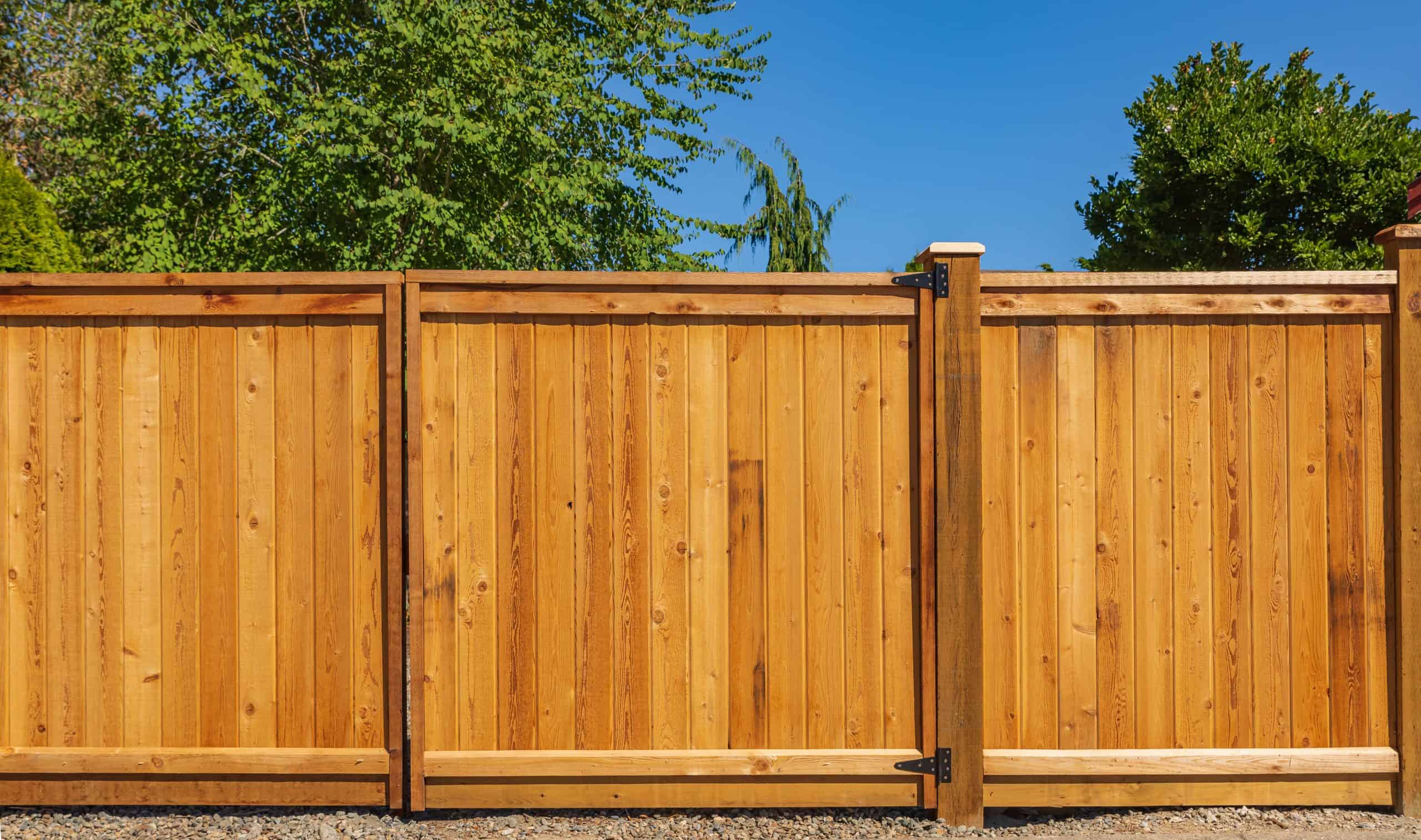
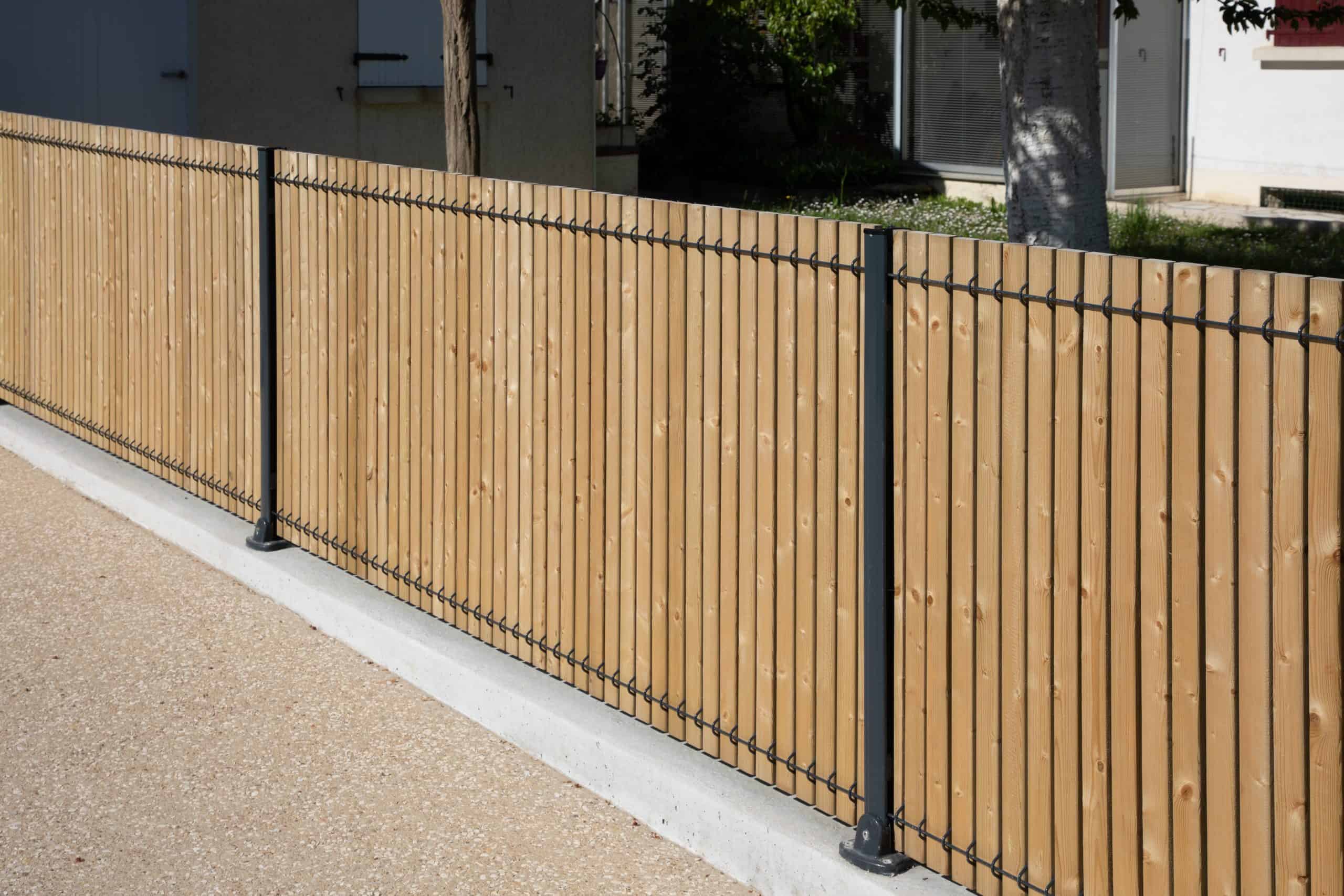
You’re not just blocking a view. You’re creating a space where your kids can play without you watching the gate every five minutes. Where your dog can run without you worrying about the neighbor’s yard.
A wood privacy fence in Fullers, FL does more than mark your property line. It cuts down on noise from the street, keeps your outdoor furniture from fading as fast, and gives you a place to actually relax without feeling like you’re on display.
And if you choose the right wood and get it installed correctly, you’re not repainting every year or replacing boards because they warped in the rain. Pressure-treated fence materials handle Florida’s moisture without rotting out in three years. Cedar and cypress resist termites naturally, which matters here because they’re active all year.
The difference is in how it’s built and what it’s built with. That’s what holds up when the weather doesn’t cooperate.
We work throughout Lake, Orange, Seminole, Brevard, Volusia, Osceola, Polk, Sumter, and Marion counties. We know what wood holds up in this climate because we’ve seen what fails.
Fullers sits in an area where humidity doesn’t take a break and termites don’t either. That means your fence needs to be treated right from the start, not just thrown up and hoped for the best.
We use pressure-treated lumber, cedar, and cypress depending on what you need the fence to do. Our installations account for Florida soil, drainage, and wind load. You get clear pricing upfront, no surprises halfway through, and a crew that shows up when they say they will.

We start with a consultation at your property. You tell us what you’re trying to accomplish—privacy, security, keeping the dog in, whatever it is. We measure the area, check the ground conditions, and talk through wood options that make sense for your situation and budget.
Once you approve the plan and pricing, we handle permits if needed and schedule the install. Our crew preps the site, sets posts in concrete, and makes sure everything is level and properly spaced. We’re not rushing to get to the next job. We’re making sure your fence is installed to handle wind, rain, and time.
After installation, we walk you through basic maintenance. Most pressure-treated fences need sealing or staining every couple of years to keep them looking good and protected. Cedar can go longer. We’ll tell you what to expect based on what you chose.
You’re not guessing what happens next or waiting weeks for a callback. The process is straightforward, and you know what’s happening at every step.

Ready to get started?
You’re getting more than just boards and posts. Every wood fence installation in Fullers, FL includes site preparation, post-hole digging, concrete setting, and full assembly. We bring the materials, the tools, and the crew.
We install privacy fences from six to eight feet depending on what you need and what’s allowed. If you want a gate, we build and hang it as part of the job. Custom widths, double gates for equipment, lockable latches—it’s all available.
For wood types, you can choose pressure-treated pine for affordability and durability, cedar for natural pest resistance and a cleaner look, or cypress if you want something that handles moisture even better. We’ll explain the differences so you can decide what fits your priorities.
In Fullers and the surrounding areas, most homeowners go with pressure-treated privacy fences because they balance cost and performance. Cedar is popular for front yards or anywhere you want a more finished appearance without paint. Either way, you’re getting wood that’s sourced for outdoor use and built to last in Florida’s climate.
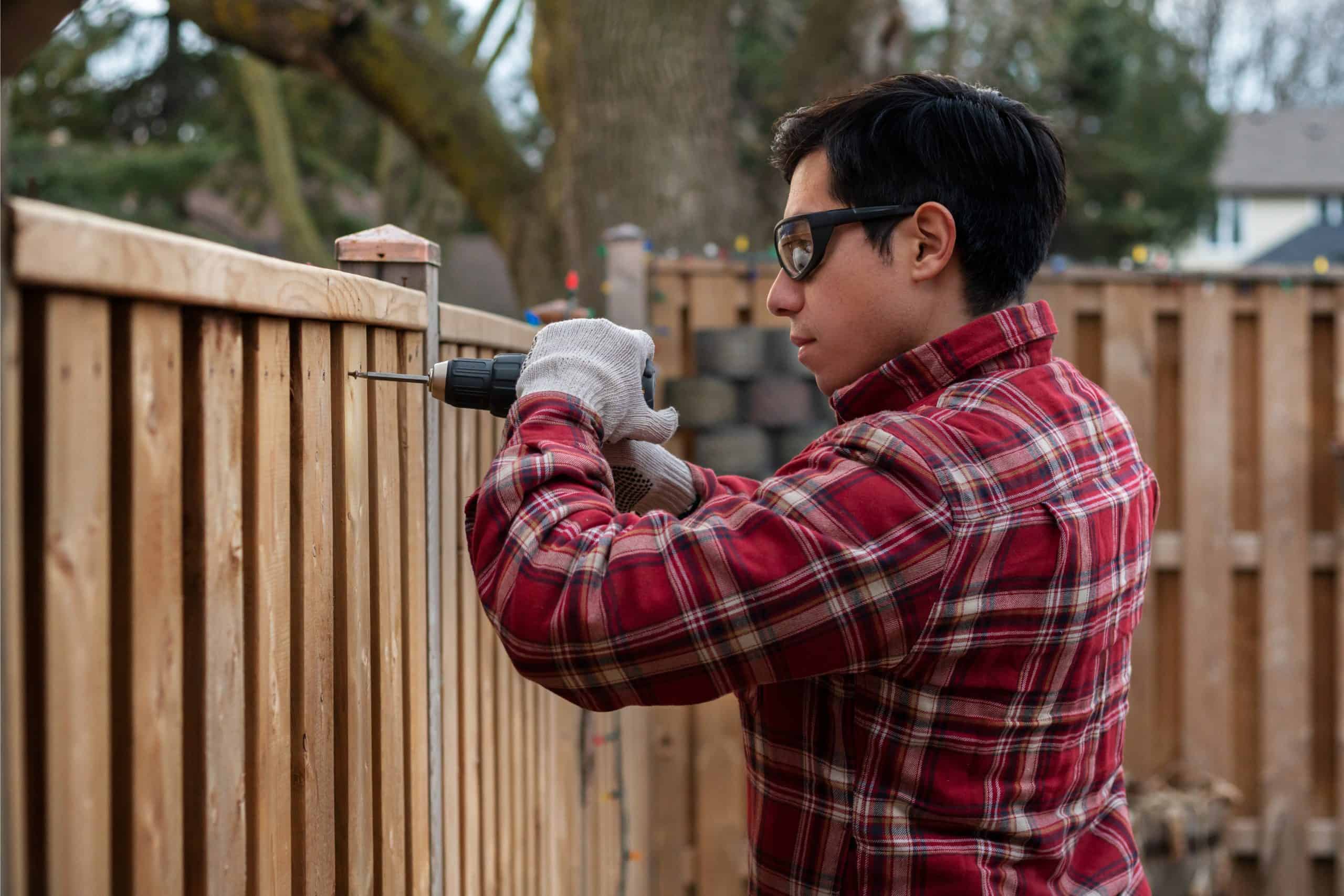
A properly installed pressure-treated wood fence in Fullers, FL typically lasts 15 to 20 years. Cedar can push closer to 25 years if it’s maintained. The lifespan depends on the wood type, how it’s sealed, and how well it’s installed.
Florida’s humidity and rain are tough on wood. If your fence isn’t treated or sealed, you’ll see rot and warping within a few years. Pressure-treated lumber is chemically treated to resist moisture and insects, which is why it holds up longer here.
Maintenance plays a role too. Resealing or staining every two to three years protects the wood from UV damage and moisture penetration. If you skip that, even good wood will start to crack and fade faster. But if you stay on top of it, your fence will hold strong for decades.
A solid wood privacy fence is your best option if you have dogs. You want something at least six feet tall with no gaps at the bottom where a dog can squeeze through or dig under easily.
Pressure-treated pine works well because it’s durable and cost-effective. Dogs can’t chew through it easily, and it holds up to scratching and weather. Cedar is another good choice if you want something naturally resistant to pests and rot, though it costs a bit more.
The key is making sure the boards are installed close together with no spacing. Even small gaps can let a determined dog see through and get worked up by what’s on the other side. A privacy fence blocks their view, which keeps them calmer and your yard more secure. We also recommend adding a concrete footer or gravel along the base if you have a digger.
Wood fence installation in Fullers, FL generally runs between $15 and $30 per linear foot depending on the wood type, fence height, and site conditions. A standard six-foot privacy fence using pressure-treated pine falls on the lower end. Cedar or custom designs cost more.
The price includes materials, labor, post-hole digging, concrete, and installation. If your yard has slopes, rocky soil, or needs old fence removal, that can add to the cost. We give you a clear estimate upfront so there’s no confusion.
For a typical backyard—say 150 linear feet—you’re looking at around $2,500 to $4,500 for a complete privacy fence. That’s a solid investment that increases your property value, keeps your family and pets safe, and gives you the privacy you’re looking for. We don’t hide costs or surprise you halfway through the job.
Yes. Sealing or staining your wood fence protects it from Florida’s sun, rain, and humidity. Without it, the wood will fade, crack, and absorb moisture, which leads to rot and warping.
Pressure-treated wood comes with some built-in protection, but it’s not enough long-term. You should seal or stain it within the first year and then every two to three years after that. Cedar naturally resists moisture better, but it still benefits from a UV-blocking stain to prevent fading and splitting.
Staining also gives you control over the color. You can keep it natural, go darker, or match it to your home’s exterior. Sealing is clear and just adds a protective layer. Either way, you’re extending the life of your fence and keeping it looking good. It’s a small maintenance step that saves you from bigger repairs down the road.
Termites are active year-round in Florida, so wood fences are always at some risk. But the right wood and treatment make a big difference. Pressure-treated lumber is chemically treated to resist termites and other pests, which is why it’s the most common choice here.
Cedar and cypress contain natural oils that termites avoid. They’re not completely immune, but they’re far more resistant than untreated pine or spruce. If you’re in an area with heavy termite activity, cedar or cypress is worth considering even though it costs more upfront.
Regular inspections help too. Look for small holes, sawdust around the posts, or soft spots in the wood. Catching termite damage early means you can treat or replace a few boards instead of the whole fence. We install with termite resistance in mind, and we can walk you through what to watch for based on your specific property.
Yes. Uneven ground is common in Fullers and throughout Central Florida, and there are a few ways to handle it. The most common method is stepping the fence, where each section drops down to follow the slope. It keeps the fence level and sturdy without gaps at the top or bottom.
Another option is racking the fence, where the entire fence follows the slope at an angle. This works better for gentle slopes and gives you a smoother look, but it’s not ideal for steep drops or privacy fences where you don’t want gaps.
We assess your yard during the consultation and recommend the best approach based on how much slope you’re dealing with. Either way, the posts are set deep enough in concrete to stay secure, and the fence is built to handle drainage and shifting soil. Uneven ground doesn’t mean you can’t have a solid, good-looking fence.