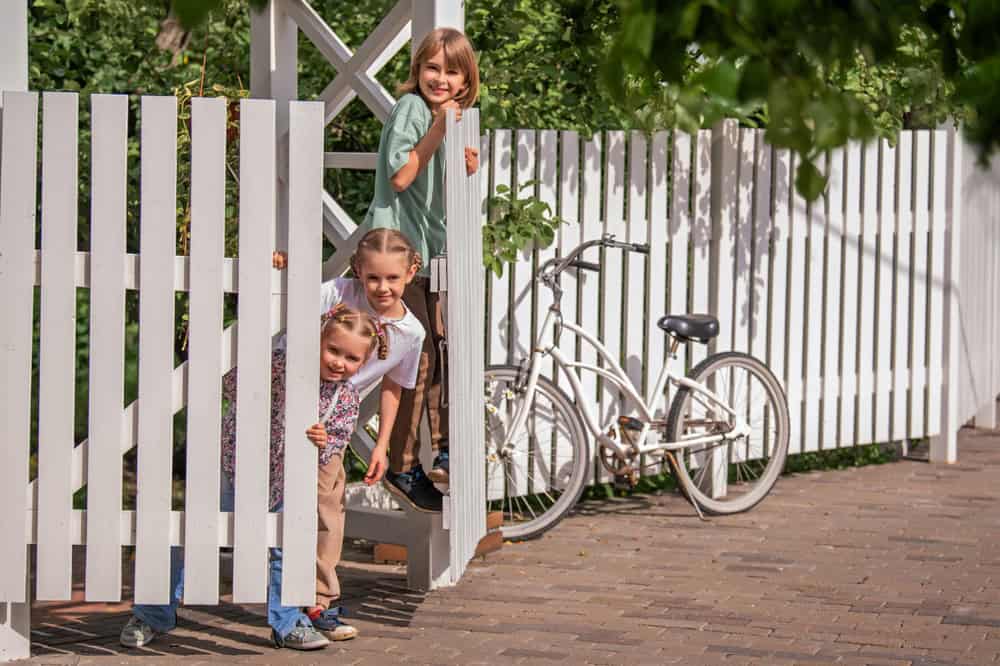
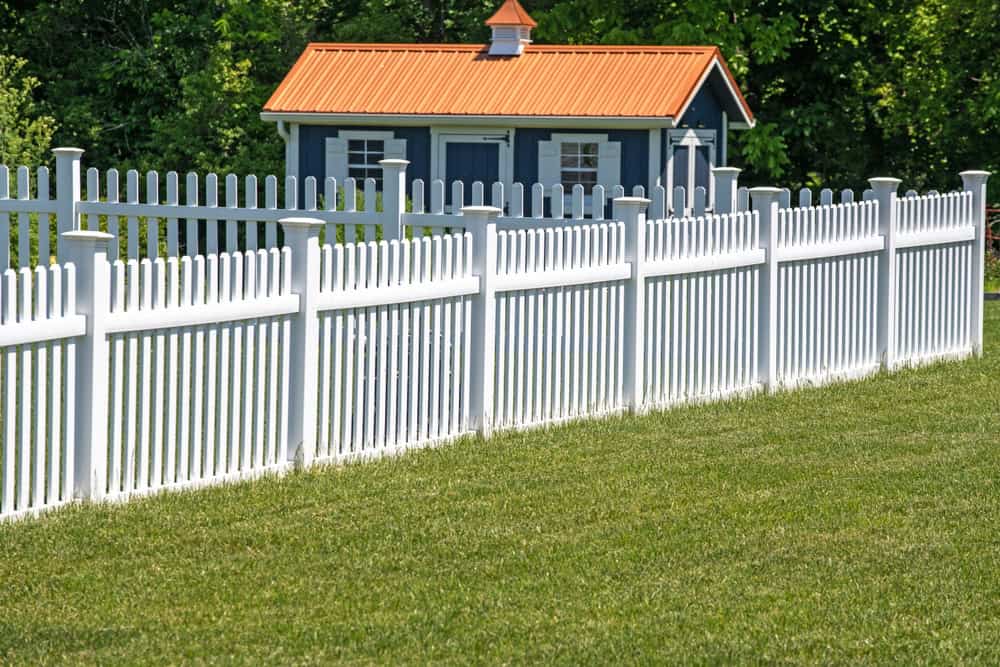
Your fence should do more than mark property lines. It keeps your kids and pets safe while they’re outside. It gives you privacy when you’re in the pool or just trying to relax in your own yard without feeling like you’re on display.
A well-installed privacy fence in Fullers means you’re not dealing with loose panels after every thunderstorm. You’re not calling someone back six months later because the posts are already leaning. You’re getting a fence that holds up to humidity, wind, and whatever Central Florida throws at it.
And if you’re selling down the road, a solid fence adds real value. Buyers notice when a property has good bones, and that includes the fence. Most homeowners recoup 50-70% of what they spend on a quality fence installation when they sell. That’s not a bad return for something that also makes your daily life better right now.
We’ve been installing fences across Central Florida since 2004, with roots in the industry going back to 1992. We’re licensed, bonded, and insured in Florida, which matters more than you might think when you’re comparing estimates from different fencing companies.
Fullers sits in an area where storms aren’t a question of if, but when. We’ve seen what happens when fences aren’t installed correctly or when contractors cut corners on materials. That’s why we use top-grade materials and make sure every post is set right the first time.
We serve Lake, Orange, Seminole, Brevard, Volusia, Osceola, Polk, Sumter, and Marion counties. If you’re in Fullers, you’re in our wheelhouse.
First, we come out to look at your property. We’ll talk about what you need the fence to do, what your HOA allows if that applies, and what makes sense for your budget. If there’s a question about property lines, we’ll tell you upfront so you’re not dealing with neighbor disputes later.
Once you approve the plan and pricing, we handle the permit if your project needs one. Most fence installations in Florida require permits, especially if you’re going over a certain height. We know what the local codes require, so you’re not stuck figuring that out on your own.
Installation typically takes one to three days depending on the size of your property and the type of fence. We’re not here for weeks tearing up your yard. We get in, get it done right, and clean up after ourselves. You’ll do a final walkthrough with us to make sure everything looks good before we call it complete.
Ready to get started?
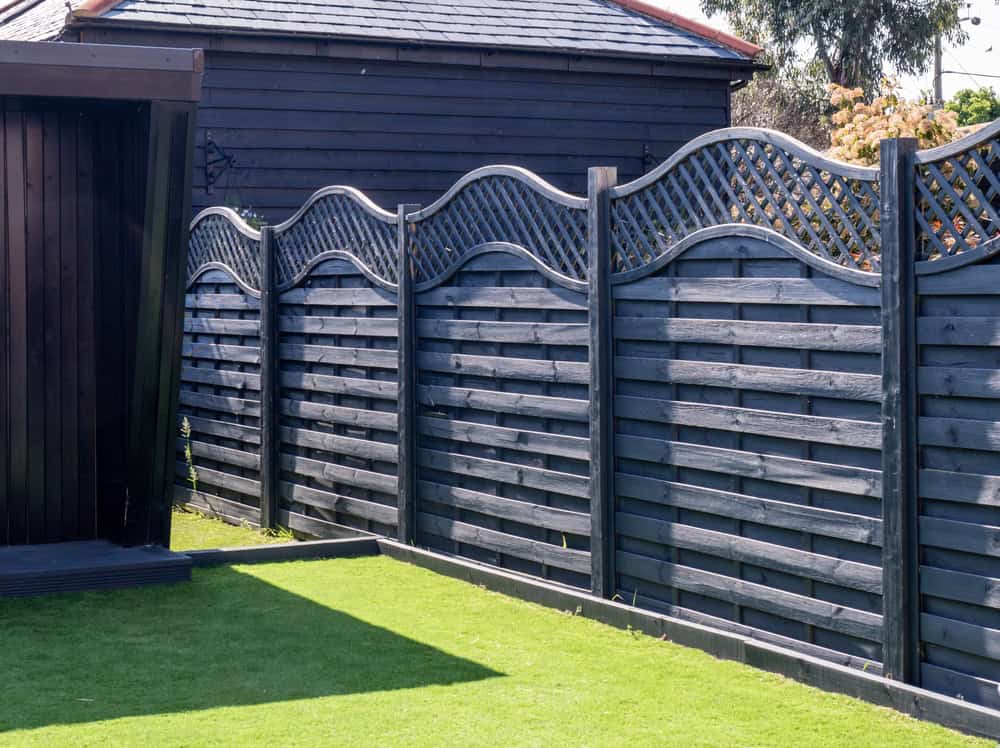
We install wood, vinyl, aluminum, and chain link fences depending on what you need. Wood gives you that classic look and works well for privacy. Vinyl holds up to Florida’s humidity without rotting or needing constant repainting. Aluminum is low-maintenance and handles salt air if you’re closer to the coast. Chain link is the most cost-effective option if you need to cover a lot of ground or just want to keep pets contained.
In Fullers and the surrounding areas, most homeowners go with either wood or vinyl for privacy fences. If you have an HOA, they usually have specific requirements about height, color, and style. We’ve worked with enough of them to know what typically flies and what doesn’t.
We also handle fence repairs and replacements. If your current fence took a beating in the last storm, we can assess whether it makes more sense to fix it or start over. Sometimes a few panels need replacing. Other times, the whole thing is compromised and patching it is just throwing money away. We’ll tell you straight which situation you’re in.

Most residential fence installations take between one and three days from start to finish. The timeline depends on how much fencing you need, what type of material you’re using, and whether we run into any issues with the ground conditions.
If you’ve got a quarter-acre lot and want a privacy fence around the backyard, that’s usually a two-day job. Larger properties or more complex layouts take longer. We’ll give you a realistic timeline upfront so you can plan accordingly.
Weather can push things back, especially during Florida’s rainy season. We’re not installing fence posts in saturated ground because that compromises stability. If we need to delay a day because of conditions, we’ll let you know as soon as we know.
Most likely, yes. In Florida, counties and municipalities typically require permits for fence construction, especially if your fence exceeds certain height limits. The exact requirements depend on where you are in Fullers and what your local building codes say.
We handle the permit process as part of our service. That means submitting the plans, paying the fees, and making sure everything meets local codes. You don’t have to figure out which office to visit or what forms to fill out.
Skipping the permit might seem like a way to save time or money, but it’s not. If code enforcement catches it, you could be forced to tear down the fence and start over. Worse, it can create issues when you go to sell your home. Buyers’ inspectors look for unpermitted work, and it becomes a negotiation problem you don’t want.
Vinyl and aluminum are your best bets if you want something that requires almost no maintenance and won’t rot, rust, or warp in Florida’s humidity. Vinyl fences don’t need painting, they resist mold, and they hold up well in storms if they’re installed correctly with proper bracing.
Aluminum is another strong choice, especially if you’re in an area with salt air. It won’t corrode like some metals, and it’s light enough that high winds are less likely to rip it out of the ground. It’s not great for privacy since most aluminum fences are open picket styles, but it works well for pool enclosures or front yards.
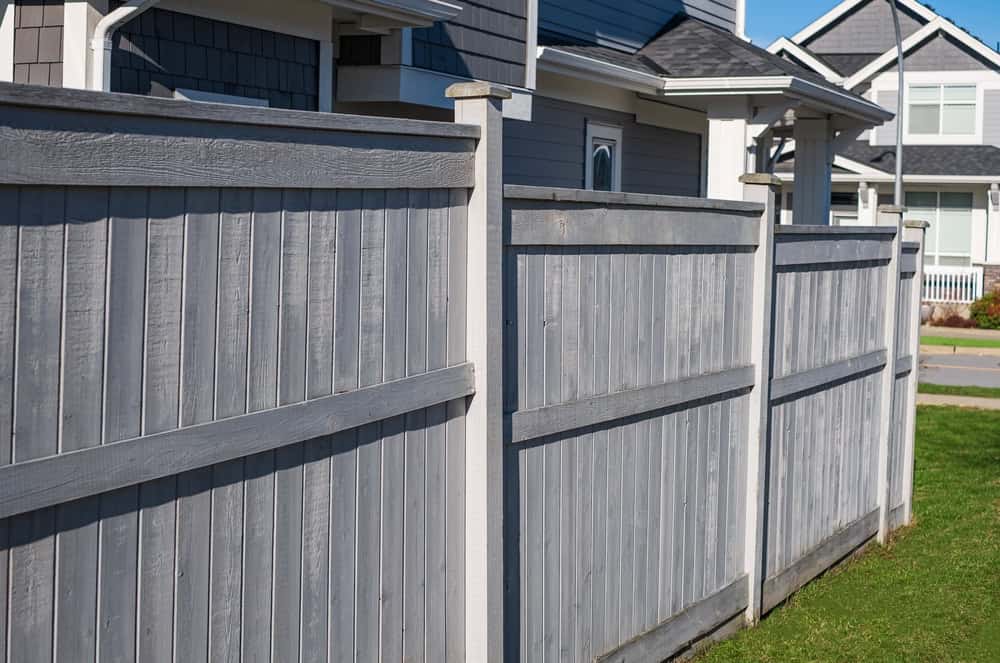
Wood can work if you’re willing to maintain it. That means sealing or staining it every couple of years and keeping an eye out for rot or termite damage. Pressure-treated wood lasts longer than untreated, but it’s still going to require more upkeep than vinyl or aluminum. If you love the look of wood and don’t mind the maintenance, it’s a solid option. If you want to install it and forget about it, go with vinyl.
A professionally installed fence typically increases your home’s value by 50-70% of what you spent on the installation. Some studies show privacy fences can boost home value by anywhere from 1-10% depending on the market and the quality of the installation.
In Central Florida, fences are a selling point because buyers want privacy and security, especially if they have kids or pets. A good-looking fence signals that the property is well-maintained. A falling-apart fence does the opposite.
The return also depends on the type of fence. A high-quality vinyl privacy fence or a well-maintained wood fence adds more value than a rusted chain link fence that’s seen better days. If you’re planning to sell within the next few years, investing in a fence now can make your property more attractive and help it move faster when you list it.
We can, but you need to be absolutely sure where your property line actually is. If you’re replacing an old fence, don’t assume the previous fence was in the right spot. A lot of older fences were installed without surveys, and they’re not always where they should be.
If you don’t have clear property markers or recent survey stakes, it’s worth getting a survey done before we start. It costs a few hundred dollars, but it’s a lot cheaper than tearing down a fence because your neighbor has proof it’s six inches onto their land.
We’ve seen property line disputes turn ugly, and they’re almost always avoidable with a little upfront work. If there’s any question about boundaries, we’ll recommend getting it sorted before we dig the first post hole. Once the fence is up, moving it is expensive and frustrating for everyone involved.
A licensed contractor has met Florida’s requirements for insurance, bonding, and professional standards. That means if something goes wrong during the installation or if there’s an issue down the road, you have recourse. An unlicensed contractor might offer a lower price, but you’re taking on all the risk if they damage your property, get hurt on the job, or disappear halfway through.
Insurance matters more than most people realize. If an unlicensed worker gets injured on your property, you could be liable. If they damage your sprinkler system or underground utilities, you’re stuck with the repair bill. Licensed contractors carry insurance that covers those situations.
Bonding protects you if the contractor doesn’t finish the job or doesn’t meet the terms of your contract. It’s not a guarantee that nothing will ever go wrong, but it gives you options if it does. Unlicensed contractors in Central Florida are everywhere, and some of them do decent work. But when you’re making an investment that’s supposed to last 20+ years, it’s worth working with someone who’s accountable.
Other Services we provide in Fullers