You’re not just blocking a view. You’re creating a space where your kids can play without you worrying about who’s watching. Where your dog can run without you chasing them down the street. Where you can step outside in your pajamas on a Saturday morning without thinking twice.
A wood privacy fence in Liberty Triangle gives you that freedom. It also keeps your property secure, adds real value when it’s time to sell, and gives your home a finished look that makes you feel good every time you pull into the driveway.
But here’s what matters most: it needs to survive Florida. The heat that cracks cheap lumber in three months. The humidity that warps pre-built panels before they’re even installed. The storms that test every post and rail. That’s where the difference between a good fence and a regret shows up fast.
We brought serious craftsmanship to Central Florida in 2004 after twelve years in Atlanta. We’re licensed, bonded, and insured, and we’ve built a reputation on doing what we say we’ll do.
Liberty Triangle is full of single-family homes built in the late ’80s and beyond—many with HOA rules, varying lot sizes, and homeowners who’ve lived here long enough to know when someone’s cutting corners. You don’t want a crew that shows up with pre-made panels and a nail gun. You want people who understand how Florida weather works and how to build around it.
That’s what we do. We serve Lake, Orange, Seminole, Brevard, Volusia, Osceola, Polk, Sumter, and Marion counties, and we’ve seen every type of yard, every type of soil, and every type of challenge this climate throws at a fence.

First, we come out and look at your property. We talk about what you need—privacy, security, style, height—and we measure everything. If there’s an HOA involved, we help you understand what’s allowed. If there’s a permit required, we handle that too.
Next, we source the materials. We use pressure-treated pine that’s built for Florida humidity, or cypress if you want the best rot and insect resistance available. No pre-built panels. Everything is stick-built on-site, which means we can adjust for slopes, corners, and terrain without forcing something that doesn’t fit.
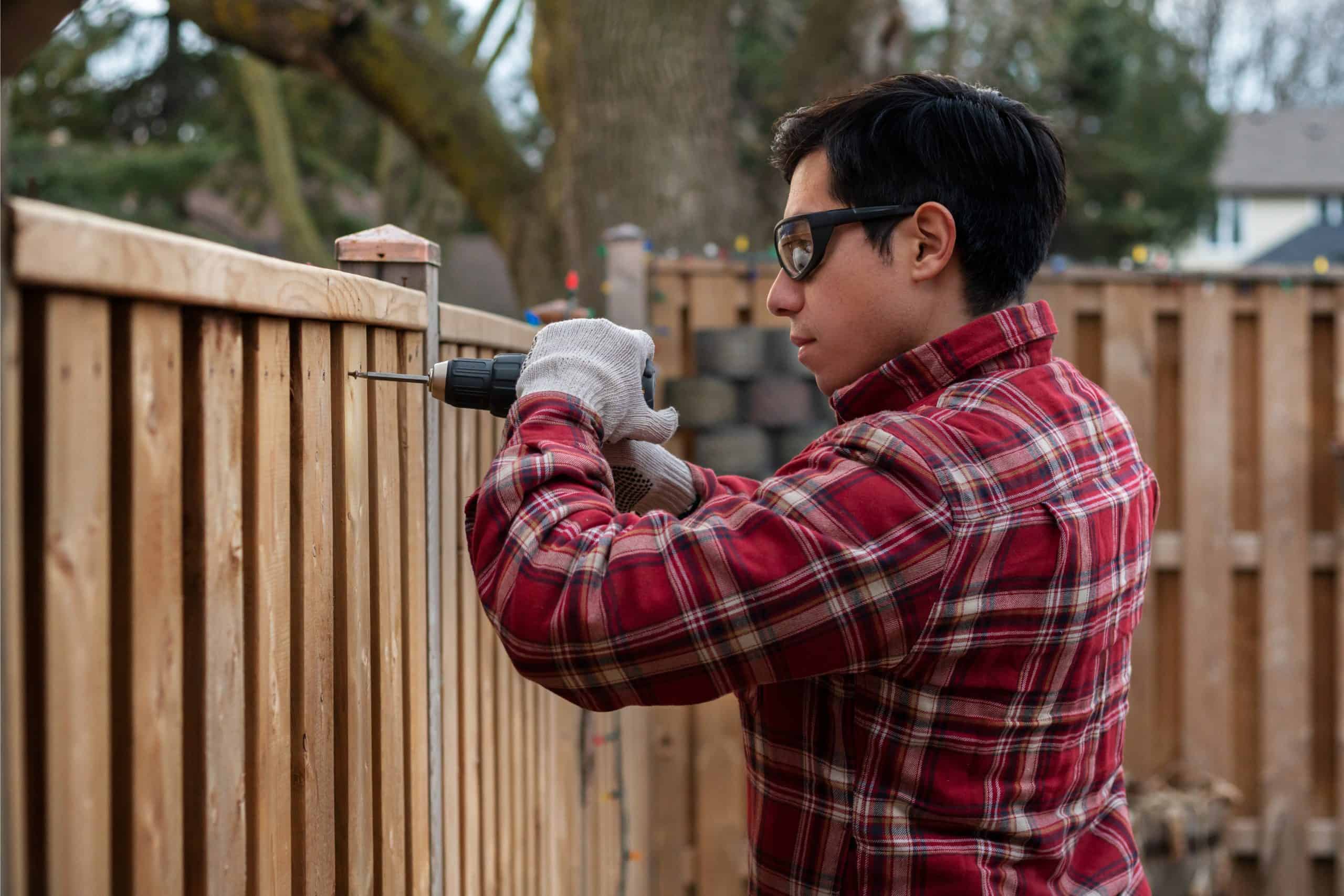
Then we install. Posts go in deep and solid. Rails are full-size, not thin-walled shortcuts. Boards are placed with care, whether you want board-on-board for total privacy or shadowbox for airflow with coverage. We clean up when we’re done, and you’re left with a fence that does its job and looks right doing it.

Ready to get started?
You get custom materials cut and built for your specific property. You get posts that won’t shift in Florida’s sandy soil. You get rails and pickets that can handle wind, rain, and years of sun without falling apart in the first season.
In Liberty Triangle, most homes sit on medium-sized lots with established landscaping and neighbors close by. That means your fence needs to fit tight, look clean, and respect property lines. We make sure it does. We also make sure it meets any local codes or HOA requirements before we start, so there’s no surprise teardown later.
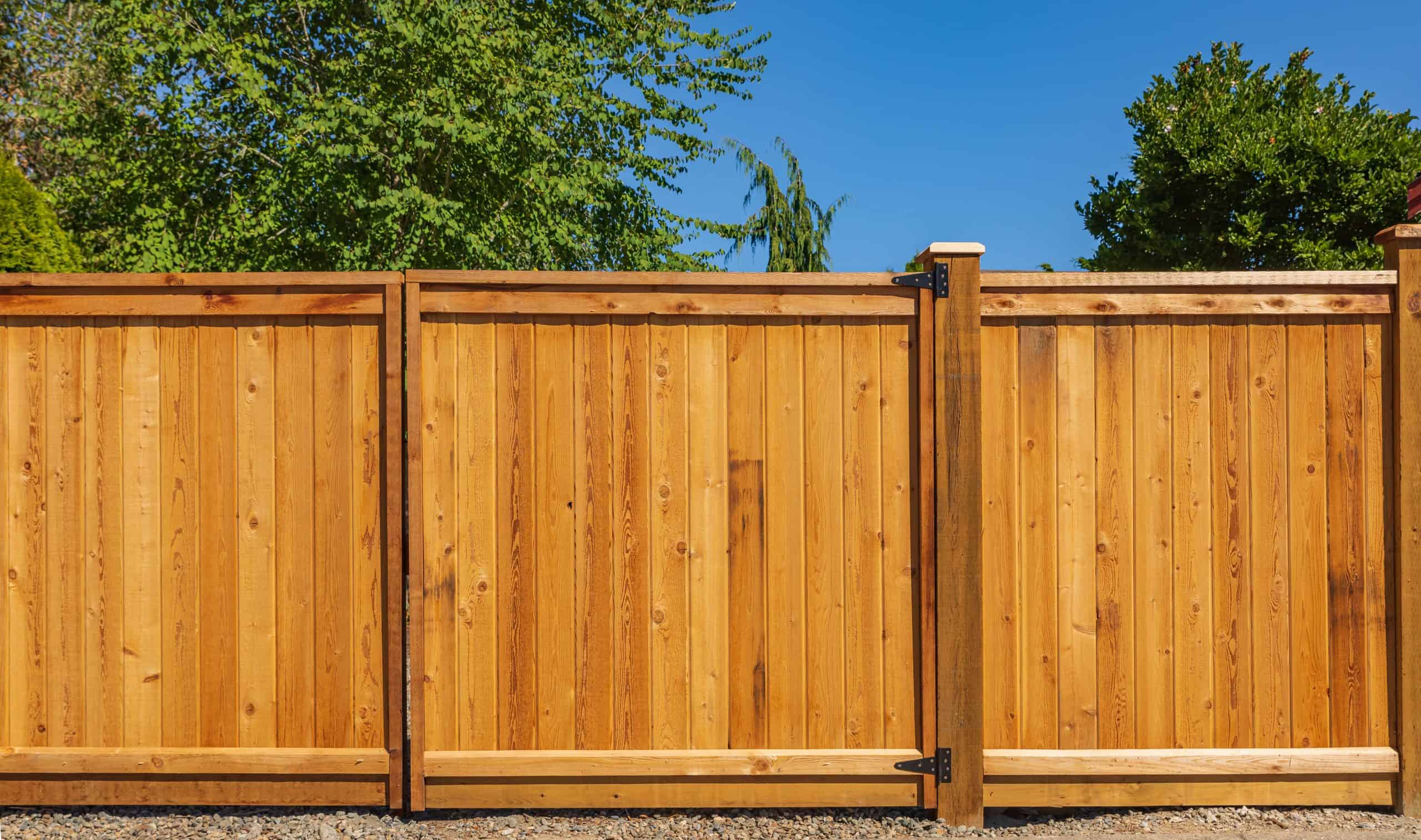
You also get options. Board-on-board if you want zero sightlines. Shadowbox if you want a semi-private look with better airflow. Ranch rail if you’re after a classic, open style. And if you want to stain or paint it down the road, pressure-treated wood takes finish well—you just need to let it dry first.
We’re transparent about cost. Wood fence installation in Liberty Triangle typically runs $20 to $30 per linear foot depending on height, style, and site conditions. No hidden fees. No surprises.
With proper installation and maintenance, a pressure-treated wood fence can last 20+ years in Florida. That’s not a guarantee if it’s installed poorly or never maintained, but it’s realistic if the work is done right.
The biggest threats are moisture, heat, and insects. Pressure treatment helps with all three. Cypress does even better—it’s naturally resistant to rot, mold, mildew, and bugs, which is why it’s the top choice for Florida if your budget allows.
Maintenance matters too. You’ll want to stain or seal your fence every 2-3 years minimum. Florida’s sun and humidity are tough on untreated wood. If you skip that step, you’ll see warping, cracking, and color fade a lot sooner than you should.
Stick-built means we build your fence on-site, board by board. Pre-made panels are assembled in a factory, shipped to your property, and installed as-is.
Pre-made panels use thinner materials, and they’re built to fit standard dimensions—not your yard. If your property has any slope, curve, or irregular spacing, those panels will leave gaps, require cutting, or just look off. They also tend to warp or crack before they’re even installed because they’re made fast and cheap.
Stick-built fences use full-size lumber and custom measurements. They adjust to your terrain. They’re stronger, last longer, and look better. It takes more time and skill, but that’s the difference between a fence that works and one that doesn’t.
Most likely, yes. Permit requirements depend on your city, your HOA, and the height and placement of your fence. In Central Florida, most residential fences require a permit if they’re over a certain height or close to a property line.
We handle the paperwork. We know what the local codes require, and we know how to navigate HOA rules if your neighborhood has them. Liberty Triangle has a lot of HOA communities, and each one has different guidelines about fence style, height, color, and placement.
If you try to skip the permit process, you risk having to tear the fence down later—or paying fines until you do. It’s not worth it. Let us take care of it from the start so the job gets done right and stays done.
You need to wait. Pressure-treated wood is still wet when it’s installed, and if you try to stain or paint it right away, the finish won’t stick. It’ll peel, blotch, or wash off with the first rain.
Most pressure-treated fences need 3-6 months to dry out before they’re ready for stain or paint. You can test it by sprinkling water on the wood—if it beads up, it’s still too wet. If it soaks in, you’re good to go.
If you’re using cypress, the wait time is shorter because it’s naturally drier. Either way, we’ll tell you exactly when your fence is ready for finish. And when you do stain it, pick a dry stretch of weather—spring or fall is usually best in Florida—so the product has time to cure before it gets hit with rain.
Cypress is the best. It’s naturally resistant to rot, insects, mold, and mildew. It doesn’t crack or shrink like other woods, and it holds up better in Florida’s heat and humidity than anything else. If you want a wood fence that requires the least maintenance and lasts the longest, cypress is the answer.
Pressure-treated pine is the more affordable option, and it’s still a solid choice if it’s installed correctly and maintained. The treatment protects against decay and insects, and it’s stable in Florida’s climate as long as you keep up with staining every few years.
We don’t recommend untreated wood in Florida. It won’t last. The moisture alone will start breaking it down within months, and you’ll be looking at replacement or major repairs a lot sooner than you should.
Yes, if it’s built right. A properly installed wood fence with deep-set posts, solid rails, and quality fasteners can handle the wind that comes with Florida storms. It’s not indestructible, but it’s a lot tougher than most people think.
The key is in the construction. Posts need to be set in concrete and sunk deep enough to resist shifting. Rails need to be full-size and fastened securely. Boards need to be spaced and attached in a way that doesn’t create too much surface resistance when wind hits.
Stick-built fences do better in storms than pre-made panels because they’re stronger and more flexible. Panels are rigid, and when wind hits them, they’re more likely to snap or pull apart. Custom construction gives you a fence that can move slightly without breaking—and that makes all the difference when a storm rolls through.
Other Services we provide in Liberty Triangle