You’re tired of looking at cracked boards and wobbly posts. Every storm season brings another repair bill, and the whole thing just looks worn out from the street.
Here’s what changes when you replace it: no more weekend maintenance. No more splinters when the kids play outside. No more wondering if the next heavy rain will knock the whole section down.
You get materials designed for Central Florida’s humidity and sun exposure. Vinyl that won’t rot or warp. Aluminum that handles wind without bending. Wood that’s treated properly from day one so it actually holds up.
Your property looks better. Your weekends stay yours. And when you eventually sell, buyers see a fence that doesn’t need immediate work.
We’ve been installing and replacing fences across Lake County and Central Florida for over 15 years. We’re not new to Liberty Triangle—we know the soil conditions, the wind patterns, and what materials hold up here versus what fails in three years.
Most of the homes in your area were built between 1970 and 1999. That means a lot of original fences are way past their lifespan. We’ve replaced hundreds of them, and we’ve seen what happens when homeowners wait too long or go with the cheapest option.
We’re licensed, insured, and we don’t disappear after installation. You’ll get a warranty that actually means something, and if something goes wrong, we’re local enough to come back and make it right.
First, you send us photos of your current fence or we come out to look at it. We measure the perimeter, check the posts, and figure out what’s salvageable and what needs to go. Most of the time in Liberty Triangle, if 20% or more of your fence needs repair, replacement makes more financial sense.
We’ll walk you through material options—vinyl if you never want to paint again, aluminum if you need something hurricane-rated, or treated wood if you want the traditional look without the traditional maintenance. We give you an upfront price with no surprises.
Once you approve, we pull permits if needed and schedule the work. We remove the old fence, reset posts in concrete, and install the new one section by section. The whole job usually takes a few days depending on size, and we clean up completely when we’re done.
You’re not left guessing when we’ll show up or what’s happening next. We keep you updated, and we don’t move on until you’re satisfied with how it looks.
Ready to get started?
You’re not just getting new boards slapped onto old posts. We replace everything that’s compromised—posts, rails, pickets, gates, hardware. If the concrete footings are cracked or shallow, we redo those too so your fence doesn’t start leaning in six months.
In Liberty Triangle, soil conditions and drainage matter. We set posts deeper than the bare minimum because Central Florida storms don’t mess around. Your fence gets materials rated for coastal humidity and UV exposure, which is critical when you’re this close to the elements year-round.
We also handle gates properly. A sagging gate ruins the whole fence, so we use heavy-duty hinges and latches that won’t strip out or rust. If you have pets, we can add dig guards at the bottom. If you need privacy, we’ll make sure there are no gaps between boards.
The goal is simple: you shouldn’t have to think about your fence again for 15 to 20 years. That’s what proper replacement gets you when it’s done right the first time.
If more than 20% of your fence is damaged, replacement usually makes more sense than patching it. That’s the industry standard, and it’s based on cost and longevity.
Look at your posts first. If they’re rotting at the base or leaning, that’s a structural problem repairs won’t fix. Rotted posts mean the whole fence is unstable, and replacing a few boards won’t change that. In Liberty Triangle, a lot of older fences have posts that were set too shallow or in soil that shifts when it rains, so they lean over time.
Next, check how many boards or panels are cracked, warped, or missing. If you’re constantly fixing new sections every few months, you’re throwing money at a fence that’s reached the end of its life. Wood fences in Florida typically last 10 to 15 years depending on maintenance. Vinyl lasts longer, but even that can crack or fade after 20 years of sun exposure.
If your fence survived a storm but has multiple broken sections, or if it just looks bad from the street and hurts your property value, replacement is the smarter move. We can assess it for free and give you an honest answer about whether repair or replacement makes sense for your situation.
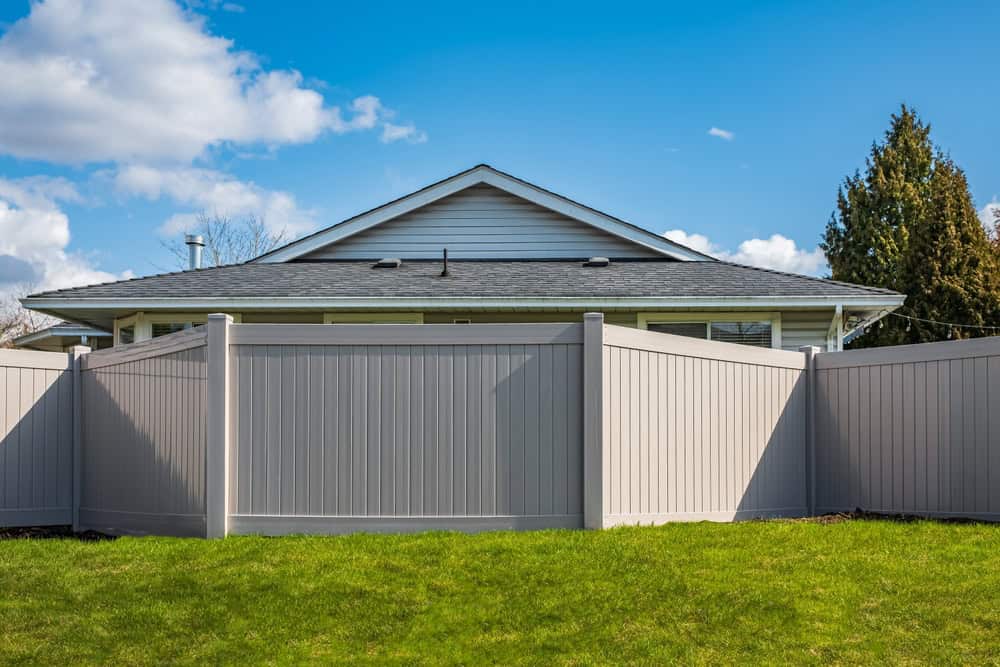
Vinyl is the best low-maintenance option for Florida. It doesn’t rot, warp, or need painting. You spray it down with a hose once in a while, and that’s it.
Florida’s humidity destroys wood fences faster than almost anywhere else in the country. Even treated wood will eventually rot at the posts or rails if water sits on it. Vinyl doesn’t have that problem. It’s also UV-resistant, so it won’t fade to gray after a few years in the sun like untreated wood does.
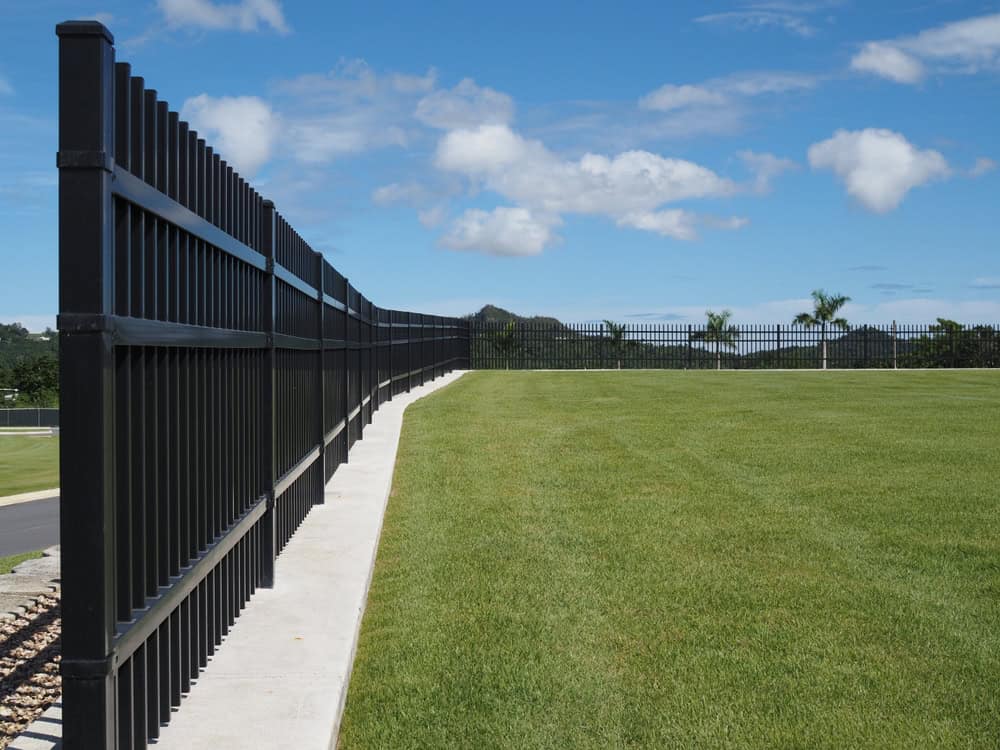
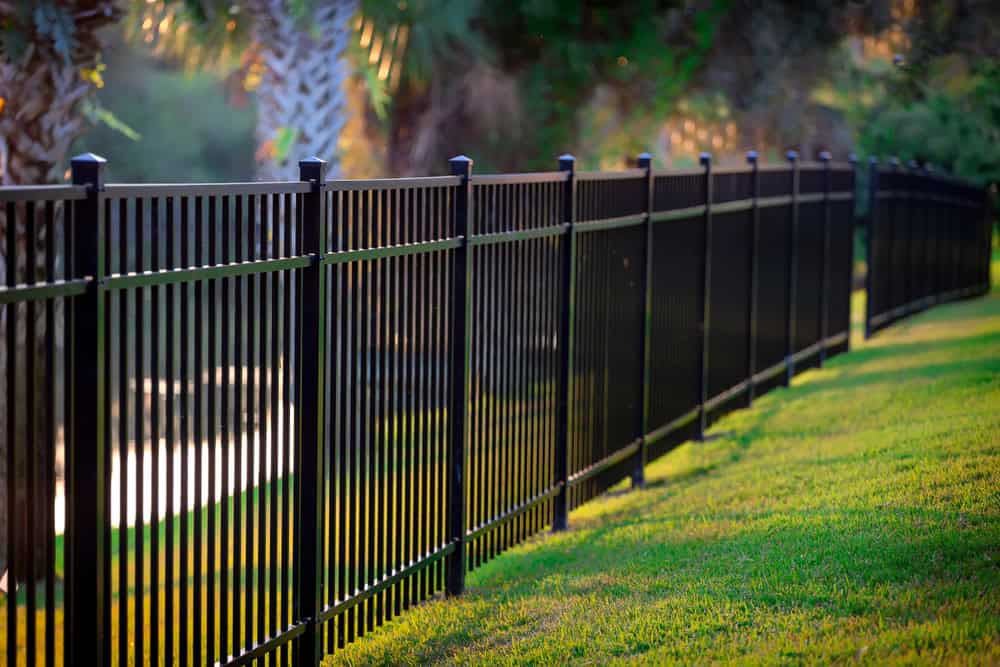
Aluminum is another solid choice if you want something that handles high winds. It’s more expensive than vinyl, but it’s nearly indestructible in storms. If you’re in an area that gets hit hard during hurricane season, aluminum fencing won’t bend or blow over like wood or chain link might.
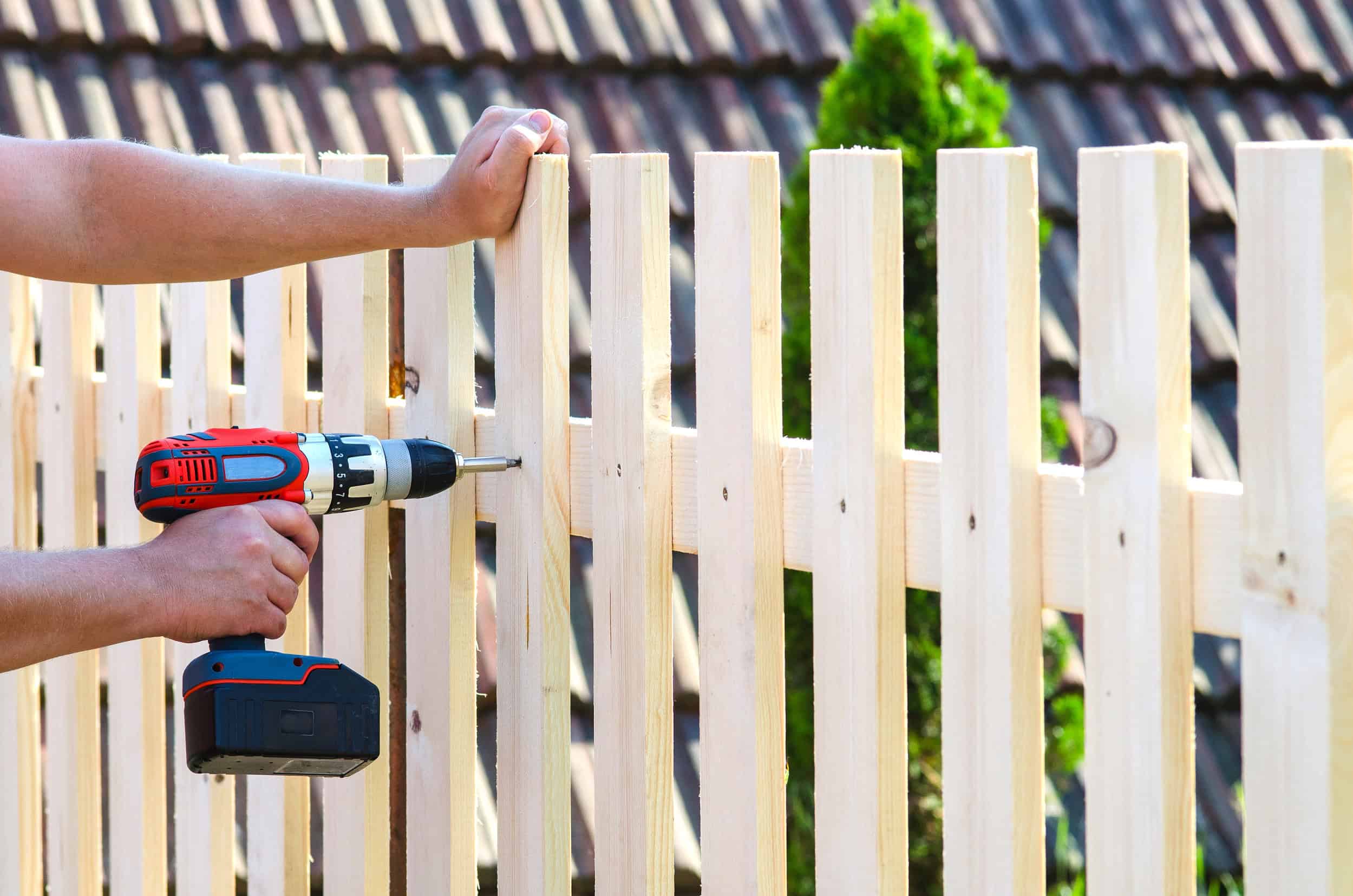
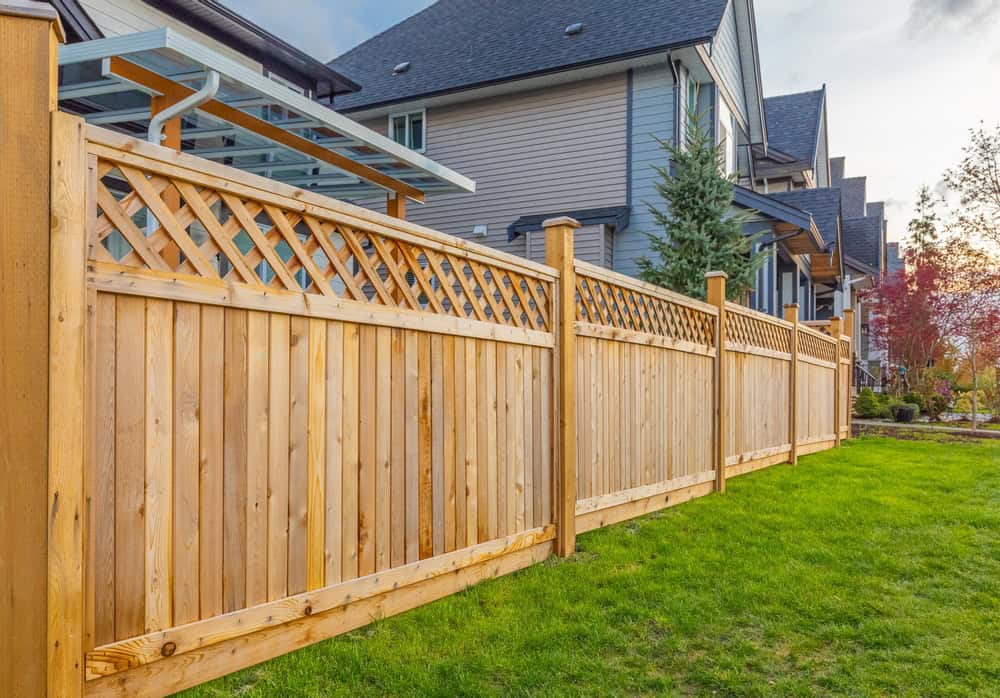
Wood still works if you want the classic look and you’re willing to stain or seal it every few years. We use pressure-treated pine or cedar, and if you maintain it, you’ll get 10 to 15 years out of it. But if you don’t want to think about maintenance, vinyl or aluminum is the way to go. Most homeowners in Liberty Triangle are choosing vinyl for privacy fences and aluminum for decorative or pool fencing.
Cost depends on material, height, and how much fencing you need. For a typical residential property in Liberty Triangle, you’re looking at anywhere from $3,000 to $10,000 for full replacement.
Wood fencing runs about $25 to $50 per linear foot installed. That includes posts, rails, pickets, and labor. If you’ve got a quarter-acre lot with 200 linear feet of fencing, you’re in the $5,000 to $10,000 range depending on height and style.
Vinyl costs a bit more upfront—usually $30 to $60 per linear foot—but you save money long-term because there’s no maintenance. You’re not repainting or replacing rotted boards every few years, so the total cost of ownership is actually lower than wood.
Aluminum fencing is the most expensive, typically $45 to $75+ per linear foot. It’s worth it if you need something decorative, hurricane-rated, or around a pool where codes require specific materials.
We give you a detailed estimate after measuring your property and talking through what you want. No hidden fees, no surprises. If your old fence needs full removal and disposal, that’s included in the price. If we need permits, we handle that too.
Most residential fence replacements in Liberty Triangle take two to five days depending on size and material. Smaller yards might be done in a day or two. Larger properties with gates and corners take longer.
We start by removing your old fence and hauling it away. That usually takes half a day to a full day depending on how much there is and whether the posts are set in concrete. If they are, we have to dig them out, which adds time.
Next, we set the new posts. They need to cure in concrete for at least 24 hours before we can attach rails and panels, so there’s always at least one day of waiting built into the schedule. After that, we install the rails, pickets or panels, and gates. That’s another one to two days for most jobs.
Weather can slow things down. If it rains heavily, we pause work because wet concrete doesn’t set right and it’s hard to get posts level in mud. But we’ll let you know ahead of time if weather’s going to be an issue.
We don’t drag jobs out. We show up when we say we will, we work efficiently, and we clean up every day so your yard isn’t a mess while we’re working. You’ll have a finished fence by the end of the week in most cases.
Yes, but the return depends on the material and condition. A well-installed fence in good shape can add $3,000 to $5,000 to your home’s market value, and it makes your property easier to sell.
Buyers notice fences. If yours is falling apart, they see it as something they’ll have to fix right away, and they’ll either ask you to replace it before closing or they’ll lowball your asking price to cover the cost. If your fence looks new and functional, it’s one less thing they have to worry about.
Privacy fences are especially valuable in Central Florida. Buyers with kids or pets want a secure yard, and they’re willing to pay for it. Vinyl and aluminum fences add more value than wood because buyers know they won’t have to maintain or replace them anytime soon.
Curb appeal matters too. A clean, straight fence makes your whole property look more put-together. In Liberty Triangle, where the median home price is around $358,000, small improvements like a new fence can be the difference between sitting on the market and getting offers quickly.
You’re not going to recoup 100% of the cost in resale value, but you’ll get most of it back, and you’ll enjoy the benefits while you live there—privacy, security, and not having to look at a rotting fence every time you step outside.
Yes, we handle permits if they’re required. Most fence replacements in Liberty Triangle don’t need a permit if you’re staying within your property lines and not exceeding height limits, but there are exceptions.
If your fence is along a street or near a corner lot, there may be setback requirements or height restrictions. If you’re in an HOA, they might have rules about materials and colors. We check all of that before we start so you don’t get hit with fines or have to tear anything down later.
When a permit is needed, we pull it, submit the plans, and schedule inspections. That’s included in our service—you don’t have to deal with the county or figure out the paperwork yourself. It adds a few days to the timeline because we have to wait for approval, but it’s worth doing it right.
We’ve worked in Lake County and the surrounding area long enough to know the local codes and who to talk to at the permitting office. If there’s an issue, we handle it. You shouldn’t have to worry about whether your fence is legal or up to code—that’s our job.